Image Source: Krishna Teja
About Sri Varaha Lakshmi Narasimha Swamy Temple
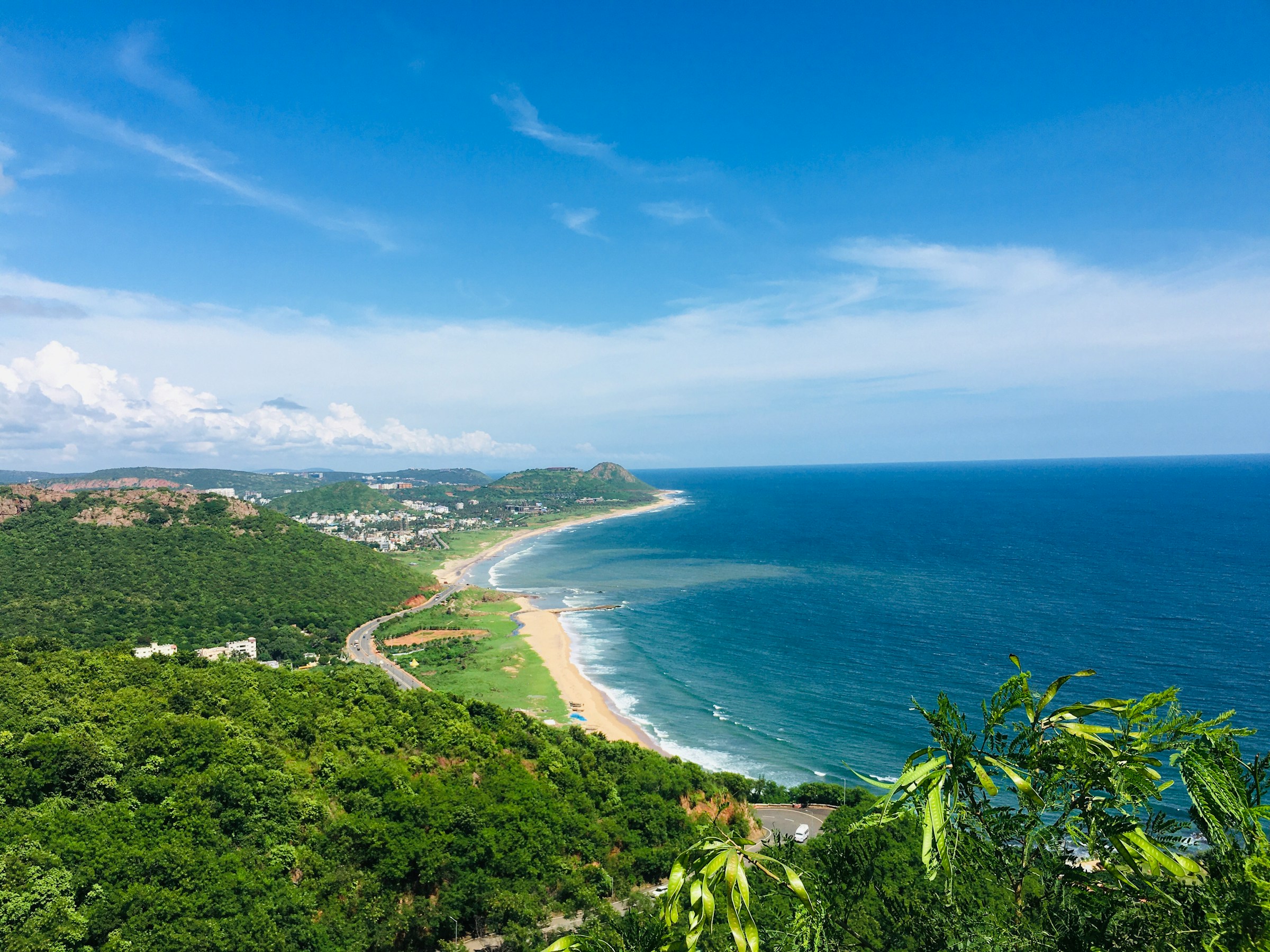
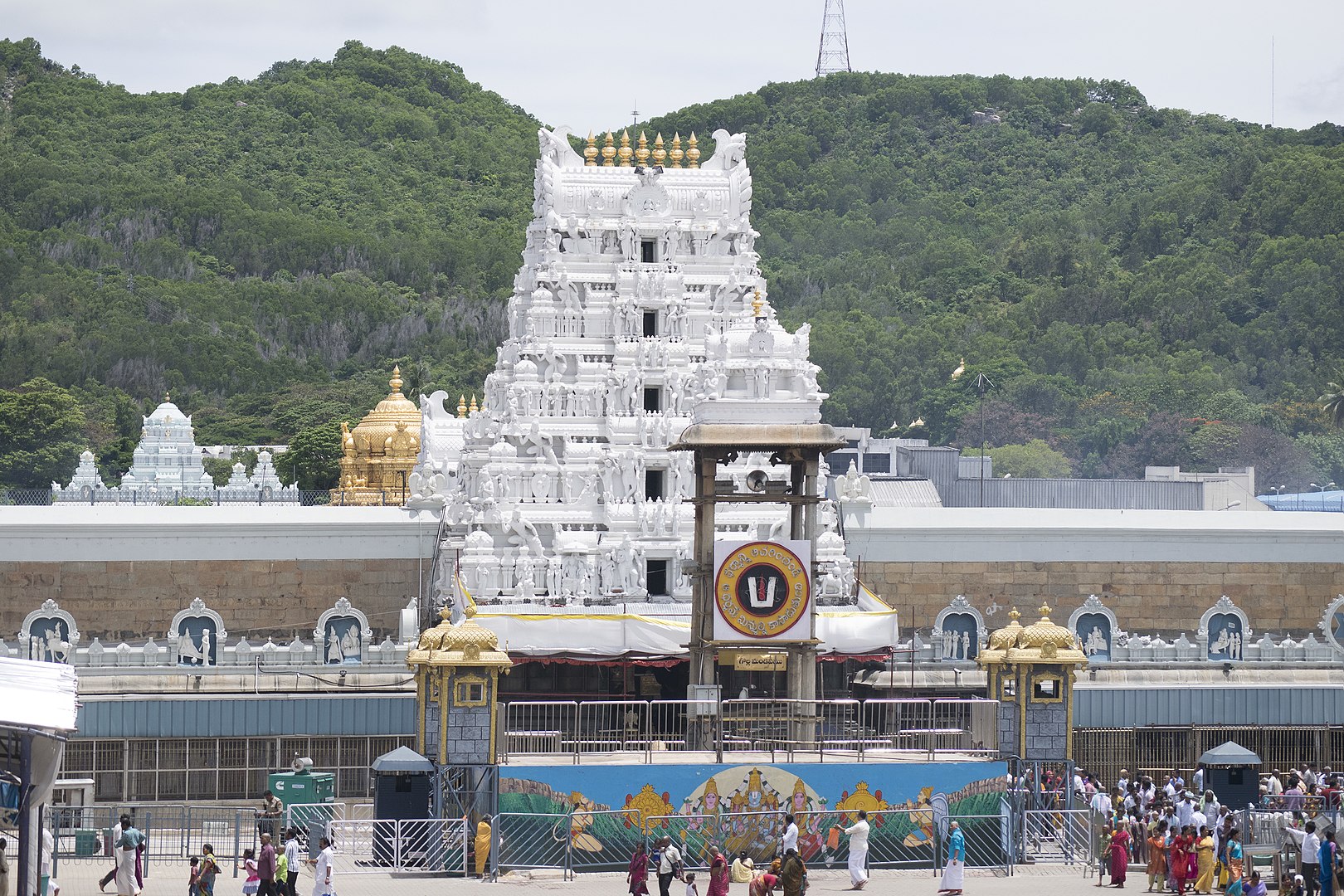
Perched atop the scenic Simhachalam Hill, the Sri Varaha Lakshmi Narasimha Swamy Temple is one of the most revered pilgrimage sites in Visakhapatnam (Vizag), Andhra Pradesh. Sitting at an elevation of about 800 meters, the temple offers not just spiritual solace but also sweeping views of the surrounding hills and coastline.
Dedicated to Lord Narasimha—an incarnation of Vishnu—this temple is counted among the 32 sacred Narasimha Kshetras in India. It holds immense importance for devotees who come here seeking protection, strength, and blessings.
The Deity: A Unique Form of Narasimha
What makes this temple truly special is its presiding deity, Narasimha in the combined form of Varaha (boar) and Narasimha (man-lion). This rare form, known as Varaha Lakshmi Narasimha, symbolizes both the nurturing and protective aspects of the divine, along with the power to destroy evil.
The idol is believed to be self-manifested (Swayambhu). Interestingly, it remains covered with a thick layer of sandalwood paste throughout the year, giving it a smooth, lingam-like appearance. This coating is said to keep the deity cool and serene.
Mythological Significance
According to Hindu mythology, this sacred site is associated with the legendary story of Prahlada and his father, the demon king Hiranyakashipu. It is believed that Lord Vishnu appeared here in his Narasimha form to protect Prahlada and defeat evil.
This deep mythological connection makes the temple not just a place of worship, but a powerful symbol of faith triumphing over adversity.
Historical Background
The temple’s history stretches back centuries, with inscriptions linked to several prominent dynasties, including the Chola dynasty, Pallava dynasty, and Eastern Ganga dynasty.
It is widely believed that the temple dates back to around the 11th century. Rulers like King Kulothunga I of the Cholas and the Gajapati kings of Odisha played a key role in developing and preserving the temple over time.
Architecture & Design
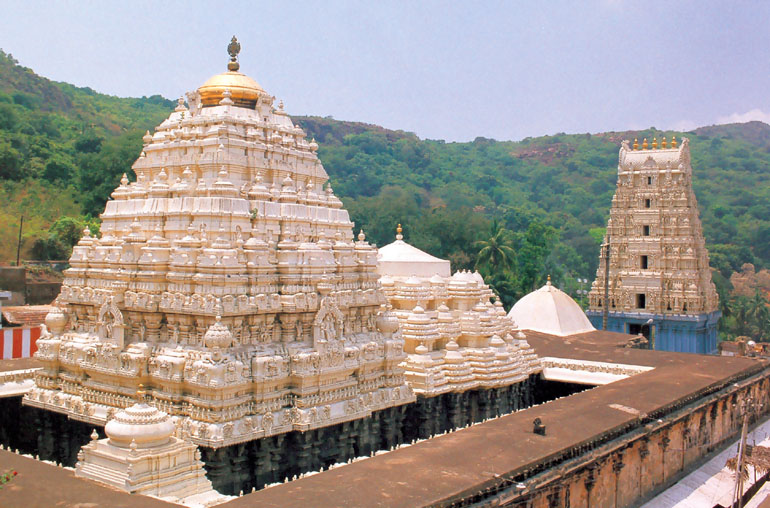
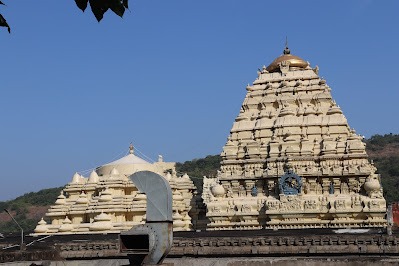
Built in the classic Kalinga architectural style, the temple is a visual treat. Intricate carvings, detailed sculptures, and a majestic gopuram (tower) reflect the craftsmanship of ancient artisans.
Inside, the sanctum (garbhagriha) houses the deity, while other parts of the temple complex include beautifully sculpted pillars and mandapas. A gold-plated chariot, used during ceremonial processions, is another highlight that draws attention.
Chandanotsavam – The Grand Festival
One of the most unique traditions associated with this temple is the annual Chandanotsavam, held on Akshaya Tritiya.
On this day, the sandalwood paste covering the deity is ceremonially removed, allowing devotees to view the original form of the idol—a rare and highly anticipated moment. Thousands of pilgrims gather for this event, making it one of the biggest celebrations at Simhachalam.
Best Time to Visit
While the temple is open throughout the year, the months from October to February offer the most pleasant weather for a visit. If you’re interested in witnessing the temple at its most vibrant, planning your trip around Akshaya Tritiya is highly recommended.
Timings
- Morning: 7:00 AM to 4:00 PM
- Evening: 6:00 PM to 9:00 PM
(Timings may vary slightly during festivals and special occasions.)
How to Reach
- By Road:
The temple is well-connected by buses, taxis, and auto-rickshaws from Visakhapatnam city. - By Train:
The nearest station is Visakhapatnam Railway Station, about 16 km away. - By Air:
The closest airport is Visakhapatnam Airport, roughly 20 km from the temple.
Nearby Attractions
- Kailasagiri – A scenic hilltop park offering panoramic views of the city and coastline.
- Rishikonda Beach – Known for its golden sands and water sports.
- Indira Gandhi Zoological Park – A lush wildlife park near Simhachalam.
- Araku Valley – A beautiful hill station ideal for a relaxing day trip.
Maps and Location
The temple is located 16 km from Visakhapatnam city center
FAQs
1. What is special about the Simhachalam temple?
It is dedicated to a rare combined form of Varaha and Narasimha and is one of the most important Narasimha temples in India.
2. Why is the idol covered with sandalwood paste?
The sandalwood coating is believed to keep the deity cool and is part of a long-standing ritual tradition.
3. What is Chandanotsavam?
It is an annual festival when the sandalwood paste is removed, allowing devotees to see the original idol.
4. When is the best time to visit the temple?
October to February offers pleasant weather, while Akshaya Tritiya is ideal for experiencing the grand festival.
5. How far is the temple from Visakhapatnam city?
It is located about 16–20 km from the city, depending on the route.
6. Are there other places to visit nearby?
Yes, attractions like Kailasagiri, Rishikonda Beach, and Araku Valley are popular nearby destinations.