Image Source: Munna Aawara
Overview
The Srisailam Dam stands as one of South India’s most remarkable engineering achievements, built across the mighty Krishna River amid the scenic Nallamala Hills of Andhra Pradesh. Located near the sacred town of Srisailam, the dam is closely associated with the revered Sri Bhramaramba Mallikarjuna Swamy Temple, one of India’s twelve Jyotirlinga shrines. This unique location gives Srisailam a special identity where modern infrastructure and deep spiritual significance exist side by side.
Since its commissioning in 1981, the dam has served as a vital resource for millions of people across Andhra Pradesh and Telangana. Beyond being a large water reservoir, it plays a crucial role in irrigation, hydroelectric power generation, drinking water supply, and flood management. Over the decades, Srisailam Dam has evolved into both a lifeline for surrounding regions and a popular destination for tourists and pilgrims alike.
Engineering and Architectural Excellence
The Srisailam Dam is a massive concrete gravity dam designed to withstand the immense pressure of stored water through its own weight and structural strength. Rising to an impressive height of 145 meters (476 feet) and extending 512 meters (1,680 feet) across the Krishna River, it represents a significant milestone in Indian civil engineering.
Its vast reservoir, known as the Srisailam Reservoir, spreads over approximately 616 square kilometers, making it one of India’s largest water bodies and the country’s second-largest water storage reservoir. With a storage capacity of nearly 216 TMC ft, the reservoir holds enormous volumes of water that support agriculture, urban development, and industrial activities across two states.
A major feature of the dam is its 12 spillway gates, which regulate water flow during heavy monsoon seasons. When opened, these gates release powerful streams of water, creating a dramatic spectacle while also protecting downstream regions from severe flooding. The dam’s design reflects a careful balance between water conservation and flood control.
Another defining feature is its hydroelectric power station, regarded among India’s largest. With a combined power generation capacity exceeding 1,600 MW, the project contributes significantly to regional electricity needs. This renewable source of energy supports homes, industries, and public infrastructure, reducing dependence on conventional fuel-based power generation.
Importance to Andhra Pradesh and Telangana
The Srisailam Dam is far more than a monumental structure—it is an economic and environmental lifeline for surrounding regions, particularly Rayalaseema and Telangana.
The water stored in the reservoir supports extensive irrigation networks that nourish agricultural lands across districts such as Kurnool, Prakasam, Guntur, and Nalgonda. Farmers rely heavily on these waters to cultivate crops including rice, cotton, pulses, and groundnut. In regions where rainfall is unpredictable, the dam provides a dependable source of water that sustains farming communities and rural livelihoods.
The dam also serves an equally critical role in supplying drinking water to towns and major cities, including Hyderabad. With growing urban populations and rising water demand, Srisailam has become essential in ensuring long-term water security.
Flood regulation is another major benefit. During intense monsoon periods, the dam helps control the Krishna River’s flow, reducing the risk of devastating floods downstream. This management protects settlements, agricultural land, and infrastructure from water-related disasters.
In addition, its hydroelectric power generation contributes to economic growth and industrial development across both states. Reliable electricity generated from the project supports everything from household consumption to manufacturing and public services.
Tourism and Nearby Attractions
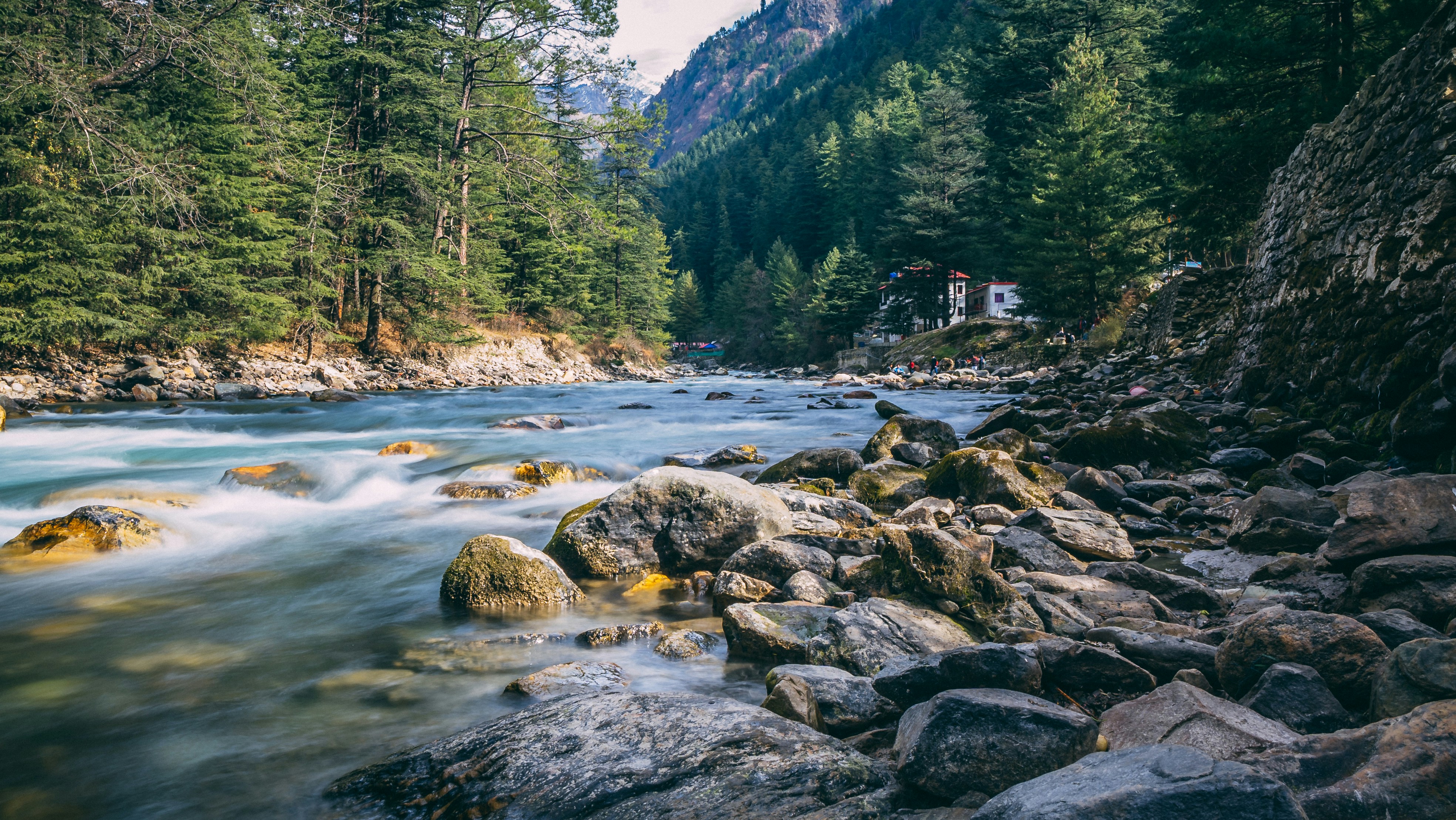
Srisailam is not only famous for its dam but also for the extraordinary natural beauty surrounding it. Nestled within the dense forests of the Nallamala range, the area offers a refreshing escape for nature lovers, spiritual travelers, and adventure seekers.
One of the biggest attractions is witnessing the dam during the monsoon season. When reservoir levels rise and the spillway gates are opened, the roaring cascade of water creates a breathtaking scene that attracts thousands of visitors every year. The combination of mist, thunderous water flow, and green hills makes it a memorable experience.
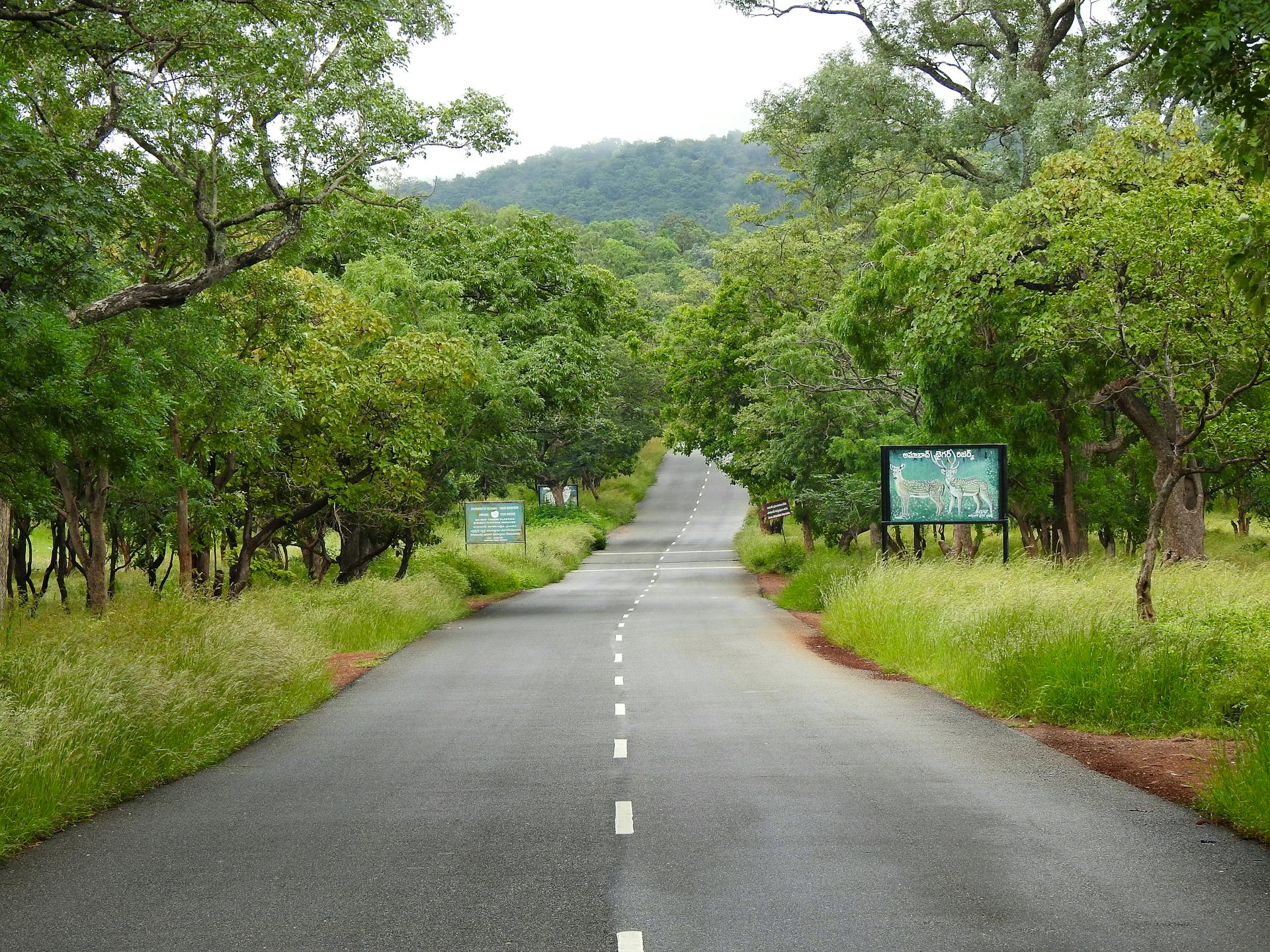
The Srisailam Reservoir also offers boating opportunities, allowing visitors to enjoy panoramic views of the surrounding hills and forests. For wildlife enthusiasts, the nearby Nagarjunsagar–Srisailam Tiger Reserve provides an exciting chance to explore one of India’s largest tiger reserves. The reserve is home to tigers, leopards, deer, sloth bears, and a wide variety of bird species.
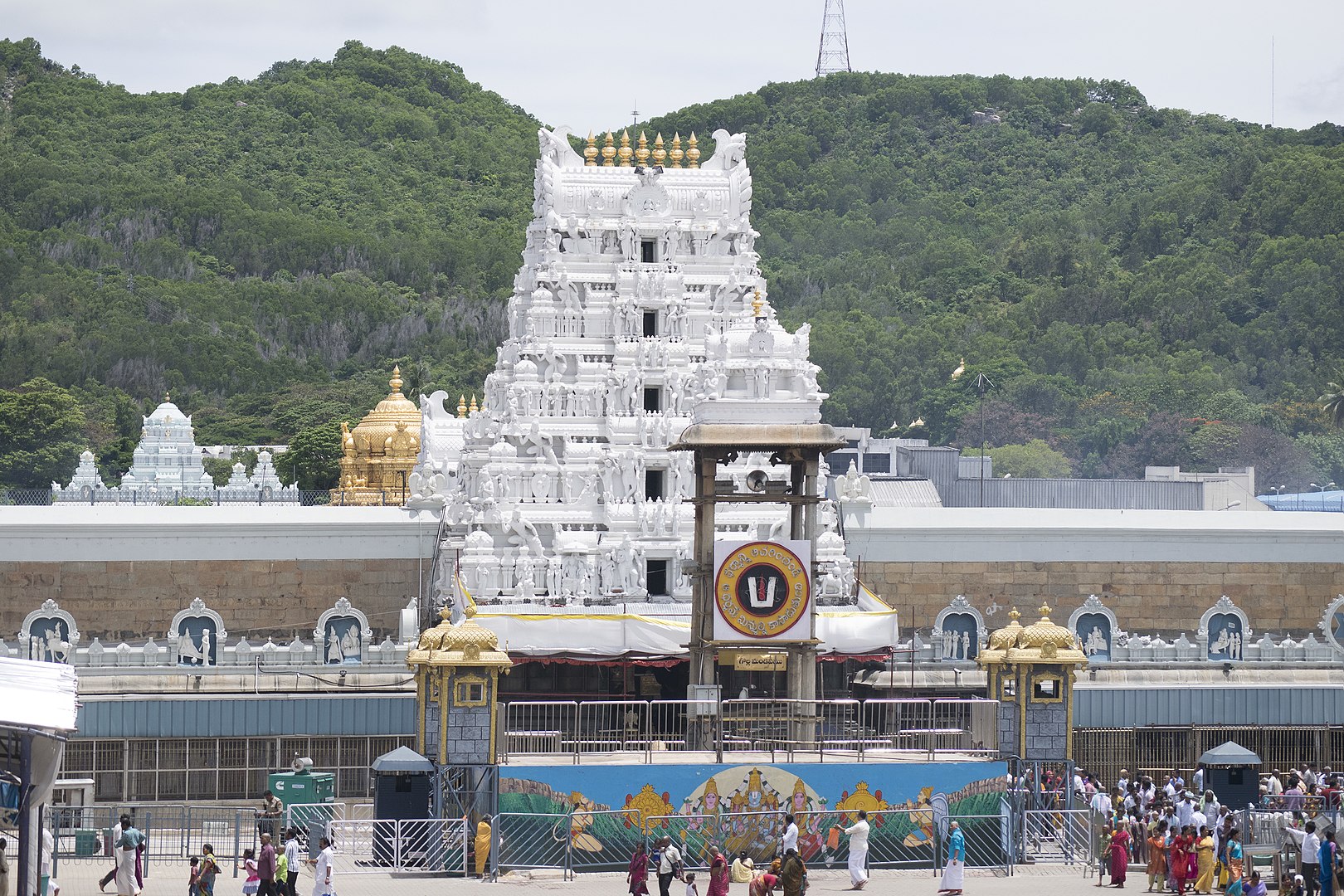
Spiritual tourism remains equally important. The Sri Mallikarjuna Swamy Temple, dedicated to Lord Shiva and Goddess Bhramaramba, draws pilgrims from across India throughout the year. The temple’s religious significance, combined with the scenic surroundings, creates a powerful spiritual atmosphere.
Other nearby attractions include viewpoints overlooking the reservoir, forest drives through the Nallamala Hills, and caves such as Akkamahadevi Caves, which add an adventurous dimension to the Srisailam experience.
The rare combination of spirituality, wildlife, scenic landscapes, and engineering brilliance makes Srisailam one of Andhra Pradesh’s most complete travel destinations.
Best Time to Visit
The ideal time to visit Srisailam Dam is between July and October, particularly during and shortly after the monsoon season. During this period, the reservoir is usually full, greenery covers the surrounding hills, and visitors may witness the opening of spillway gates—an unforgettable sight.
Winter months from November to February are also pleasant for temple visits, sightseeing, and wildlife exploration due to cooler temperatures.
Summer months can be considerably warm, although early morning and evening visits remain comfortable.
How to Reach Srisailam Dam
By Road
Srisailam enjoys good road connectivity with major cities in Andhra Pradesh and Telangana. The destination lies approximately 220 km from Hyderabad, 230 km from Kurnool, and 180 km from Ongole. Regular bus services operated by APSRTC and TSRTC connect Srisailam with nearby cities, while private taxis and self-drive vehicles are popular choices for travelers. The drive through the Nallamala forest is particularly scenic.
By Rail
The nearest railway station is Markapur Road, located about 85 km away. Travelers seeking broader rail connectivity often prefer Kurnool railway station, approximately 230 km from Srisailam, which connects to several major Indian cities.
By Air
The nearest airport is Rajiv Gandhi International Airport in Hyderabad, situated roughly 200 km away. From the airport, visitors can continue their journey by bus, taxi, or private cab to reach Srisailam comfortably
Google Maps
FAQs
1. Why is Srisailam Dam famous?
Srisailam Dam is famous for being one of South India’s largest dams, its massive hydroelectric project, and its scenic location near the sacred Mallikarjuna Temple.
2. Which river flows through Srisailam Dam?
The dam is constructed across the Krishna River, one of India’s major rivers.
3. When was Srisailam Dam commissioned?
The dam was commissioned in 1981 and has since become a crucial source of water and power for Andhra Pradesh and Telangana.
4. How many spillway gates does the dam have?
Srisailam Dam has 12 spillway gates that regulate water flow and help control flooding during heavy monsoon seasons.
5. What is the power generation capacity of Srisailam Dam?
The hydroelectric power station at Srisailam generates more than 1,600 MW of electricity, making it one of India’s major hydropower projects.
6. Is Srisailam Dam open for tourists?
Yes, Srisailam Dam is a popular tourist destination. Visitors come for sightseeing, photography, boating, temple visits, and to witness the spectacular water release during monsoon.
7. What are the nearby attractions around Srisailam?
Major attractions include the Sri Mallikarjuna Swamy Temple, Nagarjunsagar–Srisailam Tiger Reserve, Akkamahadevi Caves, reservoir boating, and scenic viewpoints in the Nallamala Hills.
8. Which is the best season to visit Srisailam?
The monsoon and post-monsoon months from July to October are generally considered the best time to visit due to lush greenery and fuller reservoir levels.