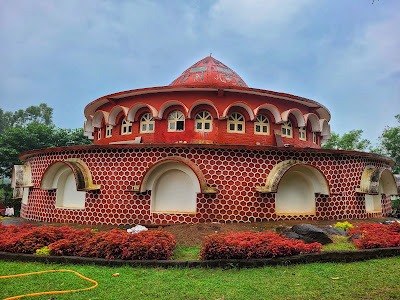
Image Source: R.Ranjan Nayak
About Tribal Museum, Araku Valley
Nestled in the scenic hills of Araku Valley, the Tribal Museum is one of the most fascinating cultural attractions in the region. Located just around 2 kilometers from the Araku bus station, the museum offers visitors a rare opportunity to understand the traditions, lifestyle, art, and heritage of the tribal communities living in the Eastern Ghats. Surrounded by lush greenery and mist-covered hills, the museum is not just a tourist spot but also a cultural window into the lives of indigenous tribes who have preserved their customs for generations.
Established in 1996, the museum was created to protect and showcase the rich tribal heritage of the area. Today, it is managed by the Andhra Pradesh Tourism Development Corporation and continues to attract travelers, researchers, students, and culture enthusiasts from across the country. The museum beautifully captures the simplicity and uniqueness of tribal life through its architecture, displays, and artistic representations.
Architecture and Cultural Design
One of the most striking features of the Tribal Museum is its traditional design. The structure itself reflects the style of tribal homes commonly found in the Eastern Ghats. Built using earthy materials such as mud, clay, bamboo, and iron, the museum creates an authentic village-like atmosphere that immediately transports visitors into tribal culture.
Inside the museum, carefully designed exhibits showcase scenes from everyday tribal life. Traditional kitchens made using mud stoves and iron utensils demonstrate how tribal families cook their meals using age-old methods. Life-sized clay models portray villagers engaged in farming, hunting, cooking, weaving, and dancing, giving visitors a realistic glimpse into their daily routines.
The museum also highlights famous tribal dance forms like the Mayur Dance and the energetic Dhimsa Dance, which are important cultural expressions of the tribal communities in Araku. These dances are deeply connected to festivals, harvest celebrations, and social gatherings, and they continue to be an integral part of tribal identity.
Exhibits and Artefacts
As visitors enter the museum, they are welcomed by a fascinating collection of photographs depicting a traditional tribal wedding ceremony. This series of images beautifully illustrates tribal customs, attire, rituals, and celebrations, helping visitors understand the social traditions of the local communities.
The museum houses a wide variety of tribal artefacts, including:
- Traditional jewellery made from beads, shells, and metal.
- Hunting equipment and farming tools.
- Handmade pottery and utensils.
- Tribal musical instruments.
- Traditional clothing and ornaments.
- Masks, handicrafts, and bamboo items.
Each exhibit reflects the creativity and resourcefulness of the tribal people, who have long depended on forests and natural resources for their livelihood. The handcrafted items on display also showcase the artistic skills passed down through generations.
The museum occasionally hosts exhibitions, workshops, and cultural programs to promote tribal art and preserve indigenous traditions. Visitors may even get a chance to witness live craft-making demonstrations or folk performances during special events and tourism festivals.
Importance of the Tribal Museum
The Tribal Museum plays an important role in preserving the disappearing traditions of indigenous communities. In a rapidly modernizing world, many tribal customs and art forms face the risk of fading away. The museum serves as a cultural archive that protects these traditions while educating visitors about the diversity of tribal life in India.
For travelers visiting Araku Valley, the museum offers much more than sightseeing. It provides a meaningful cultural experience and helps create awareness about the values, knowledge systems, and sustainable lifestyle practices of tribal societies.
Timings
The Tribal Museum is open daily from 10:00 AM to 6:00 PM.
Entry Fee
A nominal entry fee is charged for visitors. Charges may vary slightly for adults, children, and cameras.
Best Time to Visit
The best time to visit the Tribal Museum is between October and February, when the weather in Araku Valley remains cool and pleasant. During this season, the surrounding hills are lush green, making the overall travel experience even more enjoyable.
How to Reach
By Road
The museum is easily accessible from Araku town by autorickshaw, taxi, or private vehicle. Local transportation is readily available near the bus station.
By Train
Araku Railway Station is located nearby and is well connected to Visakhapatnam through one of the most scenic train routes in South India.
By Air
The nearest airport is Visakhapatnam International Airport, situated around 115 kilometers away from Araku Valley.
Nearby Attractions
Padmapuram Gardens
A beautifully maintained botanical garden known for its tree-top huts, flower collections, and toy train ride. It is an ideal family-friendly attraction in Araku Valley.
Borra Caves
Located about 35 kilometers from Araku, these ancient limestone caves are famous for their stunning stalactite and stalagmite formations. The caves are among the most visited natural attractions in the region.
A scenic waterfall surrounded by dense forests and rocky terrain. Visitors usually enjoy a short trek to reach the falls, making it a popular adventure spot near Araku.
Coffee Plantations of Araku Valley
Araku is widely known for its organic coffee plantations. Travelers can explore coffee estates, interact with local farmers, and enjoy freshly brewed tribal coffee.
Galikonda Viewpoint
One of the highest viewpoints in the Eastern Ghats, offering breathtaking panoramic views of valleys, tunnels, forests, and surrounding hills.
FAQs
1. What is special about the Tribal Museum in Araku Valley?
The Tribal Museum is known for showcasing the lifestyle, culture, traditions, dances, and handicrafts of the tribal communities living in the Eastern Ghats region.
2. Who manages the Tribal Museum?
The museum is operated and maintained by the Andhra Pradesh Tourism Development Corporation (APTDC).
3. How much time is required to explore the museum?
Visitors usually spend around 1 to 2 hours exploring the exhibits, artefacts, and cultural displays inside the museum.
4. Is photography allowed inside the museum?
Photography is generally allowed, but additional camera charges may apply in certain sections.
5. What is the best season to visit Araku Valley and the Tribal Museum?
The winter season from October to February is considered the best time due to the pleasant climate and beautiful natural surroundings.
6. Are local tribal handicrafts available for purchase nearby?
Yes, visitors can find several local shops and stalls near the museum selling handmade tribal jewellery, bamboo crafts, coffee, and souvenirs.
7. Is the museum suitable for children and families?
Absolutely. The museum is educational, visually engaging, and suitable for visitors of all age groups.
8. Can the Tribal Museum be covered along with other attractions in one day?
Yes, many tourists combine the museum visit with nearby attractions like Borra Caves, Padmapuram Gardens, and coffee plantations in a single-day itinerary.