Image Source: Sunil Dasari
About Pakke Tiger Reserve
Nestled in the lush foothills of the Eastern Himalayas in Arunachal Pradesh, Pakke Tiger Reserve is one of Northeast India’s most remarkable wildlife destinations. Also known as Pakhui Wildlife Sanctuary, the reserve spreads across nearly 862 square kilometres in the East Kameng district and forms part of the globally important Eastern Himalaya Biodiversity Hotspot. Surrounded by dense forests, rolling hills, river valleys, and rich tribal culture, Pakke offers travelers a rare chance to experience wilderness in its raw and untouched form.
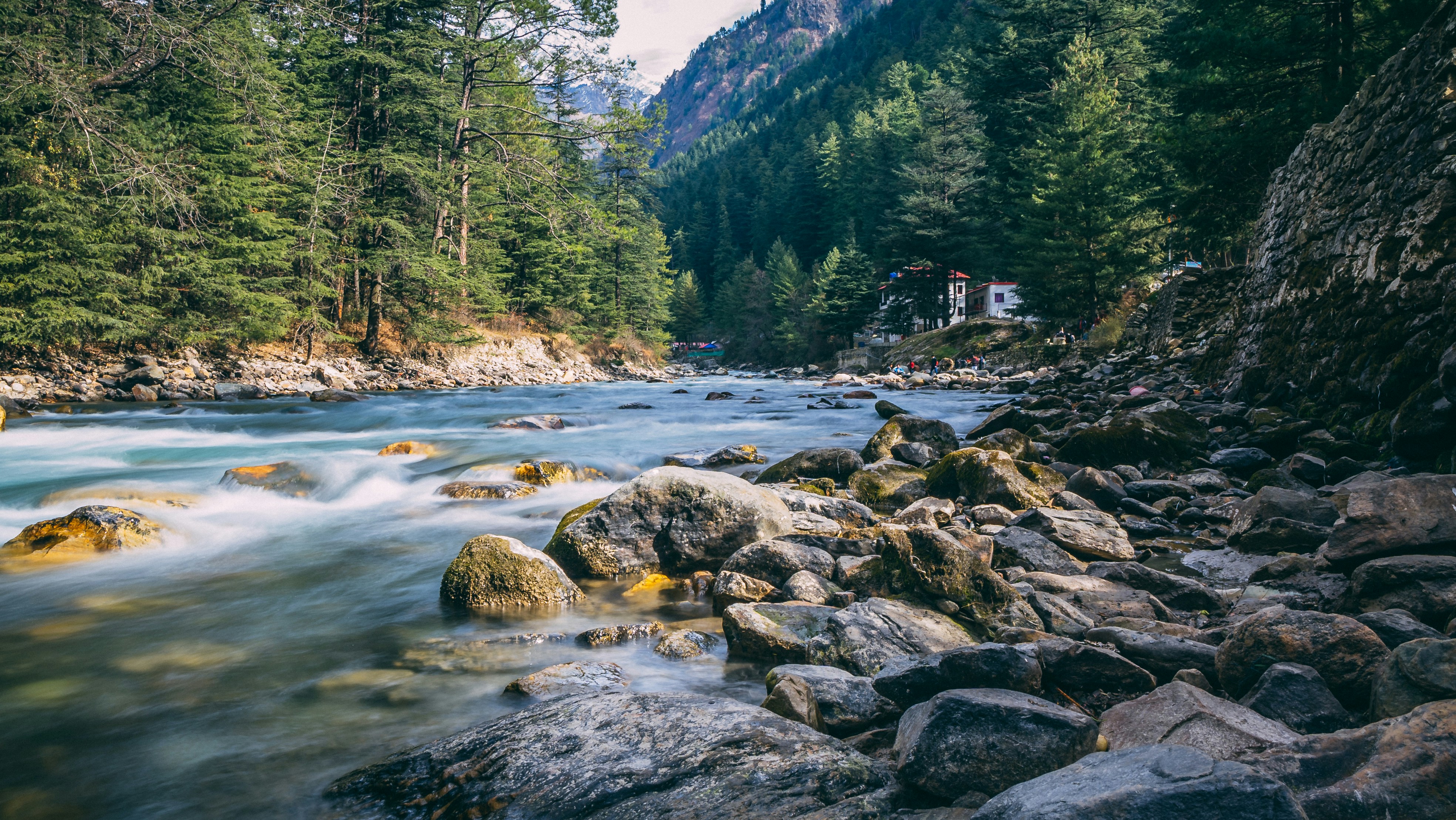
The reserve is bordered by the Kameng River to the west and the Pakke River to the east, creating a thriving ecosystem filled with tropical and semi-evergreen forests, bamboo groves, grasslands, and riverine habitats. The landscape feels incredibly alive, with the sounds of cicadas, flowing rivers, and hornbills echoing through the forests. Unlike some crowded wildlife parks in India, Pakke retains a quieter and more intimate atmosphere, making it especially appealing for serious wildlife lovers, birdwatchers, photographers, and eco-travelers.
Pakke was officially declared a Tiger Reserve in 2002 under India’s Project Tiger initiative, but its ecological importance had been recognized much earlier. Today, it stands as one of the finest examples of successful conservation efforts in Northeast India, where local communities and forest authorities work together to protect wildlife and preserve traditional ecological knowledge.
Wildlife and Natural Beauty
Pakke Tiger Reserve is home to an astonishing variety of wildlife. The dense forests provide shelter to Bengal tigers, leopards, clouded leopards, Asiatic black bears, barking deer, wild dogs, and large herds of Asian elephants. Although spotting a tiger requires patience and luck because of the thick vegetation, the excitement of exploring such pristine wilderness is an experience in itself.
One of the reserve’s biggest highlights is its incredible birdlife. With more than 300 recorded bird species, Pakke is considered a paradise for birdwatchers. The reserve is especially famous for its hornbills, including the great hornbill, wreathed hornbill, Oriental pied hornbill, and the endangered Rufous-necked hornbill. Early mornings in the forest are filled with the deep wingbeats and calls of these magnificent birds, creating a magical atmosphere.
The rivers and streams flowing through the reserve also support aquatic life, including the golden mahseer fish. During nature walks and treks, visitors often encounter butterflies, orchids, medicinal plants, and giant trees covered in moss and vines, adding to the forest’s mystical beauty.
Unique Experiences in Pakke Tiger Reserve
Wildlife Safaris
Exploring Pakke through jeep safaris is one of the best ways to experience the reserve. Guided safaris take visitors through forest trails, riverbanks, and grassland patches where wildlife sightings are common. The experience feels adventurous and authentic because the reserve remains relatively less commercialized compared to many famous national parks.
Birdwatching Adventures
Pakke is one of India’s finest destinations for birdwatching. Both amateur and professional birders visit the reserve to photograph hornbills, wood ducks, eagles, kingfishers, and migratory species. The winter months are especially rewarding for bird photography and observation.
Nature Walks and Forest Trekking
Walking through Pakke’s forests with local naturalists offers a completely different perspective of the wilderness. Treks pass through bamboo thickets, moist forest trails, and riverside landscapes where visitors can observe smaller wildlife, insects, and unique plant species up close.
River Exploration
The Kameng River adds another dimension to the Pakke experience. Gentle rafting and riverside exploration allow visitors to enjoy scenic landscapes while spotting birds and animals that come near the water.
Tribal Cultural Experiences
The reserve is closely associated with the Nyishi tribe, one of Arunachal Pradesh’s prominent indigenous communities. Visiting nearby villages gives travelers an opportunity to understand local traditions, folklore, handicrafts, and sustainable ways of living connected to the forest.
Hornbill Conservation and Community Efforts
One of the most inspiring stories associated with Pakke Tiger Reserve is the transformation of hornbill conservation through community participation. In earlier times, hornbill beaks were traditionally used in Nyishi headgear. Over the years, conservation programs encouraged the use of artificial alternatives and involved local communities directly in protecting hornbill nesting sites.
The famous Hornbill Nest Adoption Program became a landmark conservation initiative in the region. Under this effort, villagers began monitoring and safeguarding hornbill nests instead of hunting the birds. This community-led model gained international recognition and is now considered an example of how traditional communities can become active partners in wildlife conservation.
The success of these initiatives has not only helped hornbill populations recover but has also created awareness about sustainable tourism and environmental responsibility.
History of Pakke Tiger Reserve
Pakke was initially declared a Wildlife Sanctuary in 1977 to protect its rich biodiversity and fragile forest ecosystems. Over time, researchers and conservationists realized the immense ecological value of the region, especially for endangered mammals and birds. In 2002, the sanctuary was upgraded to a Tiger Reserve under Project Tiger.
Its strategic location between the Himalayan foothills and the plains of Assam makes Pakke ecologically significant. The reserve also forms an important wildlife corridor connecting several protected areas in Northeast India, helping animals move safely across forests.
Today, Pakke is recognized not only for tiger conservation but also for its successful blend of wildlife protection, community involvement, and eco-tourism.
Best Time to Visit Pakke Tiger Reserve
The ideal time to visit Pakke Tiger Reserve is between November and April. During these months, the weather remains pleasant, the skies are clearer, and wildlife sightings are more frequent near rivers and open forest areas. Birdwatching is particularly rewarding in winter when migratory species arrive in the region.
The monsoon season from May to October brings heavy rainfall to Arunachal Pradesh. While the forests become extraordinarily lush and beautiful during this time, travel can be difficult because of muddy roads, overflowing rivers, and slippery trails.
How to Reach Pakke Tiger Reserve
By Air
The nearest airport is in Tezpur, located roughly 50 kilometres from Seijosa, which serves as the main entry point to the reserve. Tezpur is connected to cities like Guwahati.
By Rail
The nearest railway stations are Harmuti and Banderdewa in Assam. From there, travelers can hire taxis or use local transport to reach Seijosa.
By Road
Pakke Tiger Reserve can be accessed by road from Itanagar, Guwahati, and Tezpur. Roads leading toward the reserve pass through scenic hills, forests, and river valleys. Four-wheel-drive vehicles are recommended for exploring interior forest areas.
Nearby Attractions of Pakke Tiger Reserve
1. Nameri National Park
Located along the southern boundary of Pakke Tiger Reserve, Nameri National Park is renowned for birdwatching, river rafting on the Jia-Bhoroli River, and sightings of elephants, hornbills, and other wildlife. Together, Nameri and Pakke form one of Northeast India’s most significant wildlife landscapes.
2. Eaglenest Wildlife Sanctuary
One of India’s premier birdwatching destinations, Eaglenest is famous for its cloud forests, rare bird species, and spectacular Himalayan views. It is particularly known as the discovery site of the Bugun Liocichla.
3. Seijosa
Seijosa serves as the headquarters and primary entry point of Pakke Tiger Reserve. Visitors can arrange safaris, guided nature walks, and accommodation from here.
4. Pakke River
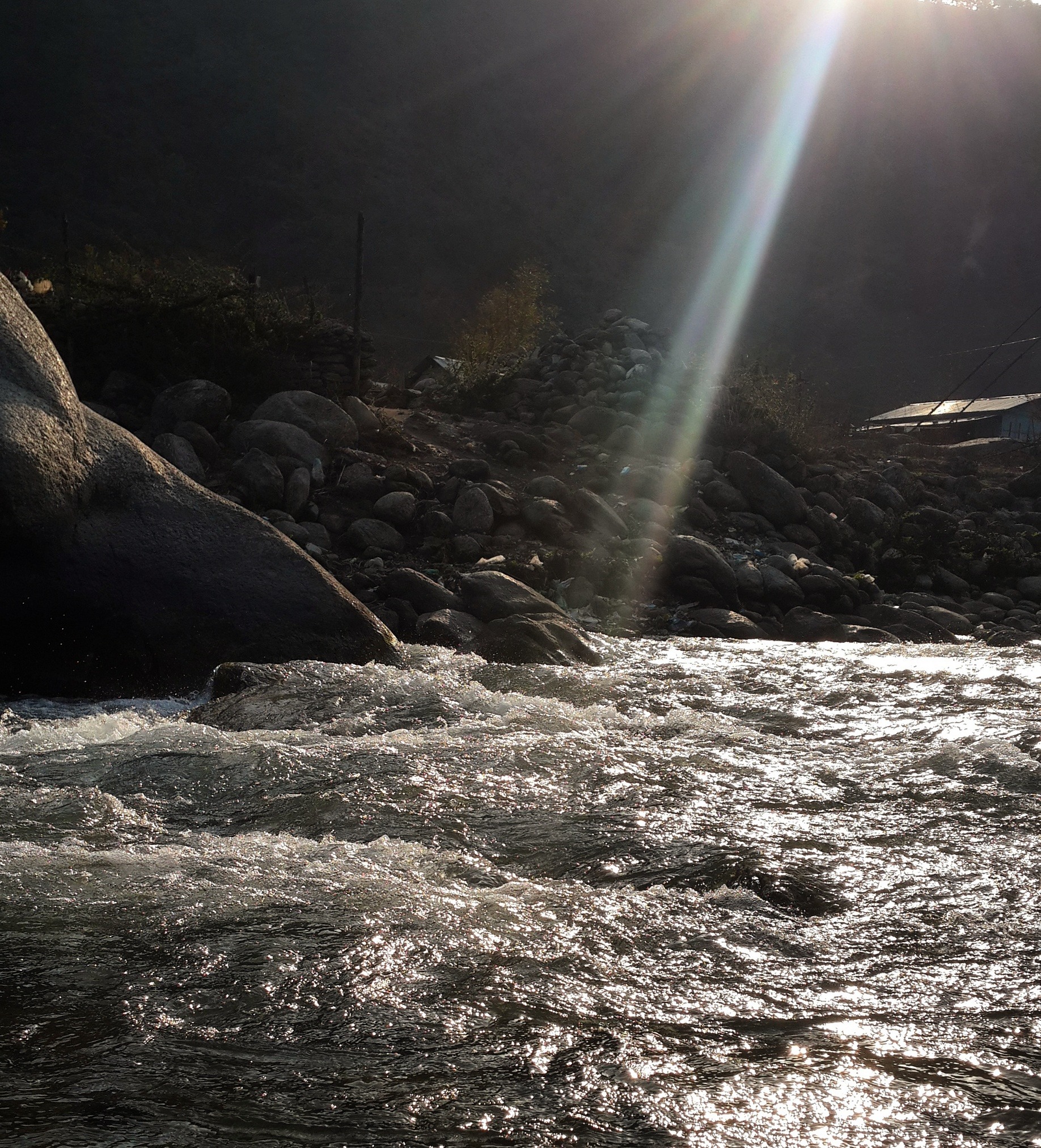
Flowing along the eastern boundary of the reserve, the Pakke River offers scenic viewpoints, riverside landscapes, and excellent opportunities for nature photography.
5. Kameng River
The Kameng River forms part of the reserve’s western boundary and is known for its pristine waters, rich birdlife, and beautiful forest scenery.
6. Doimara
A small settlement near the reserve, Doimara is surrounded by forests and rivers and is popular among birdwatchers and eco-tourists exploring the Pakke-Eaglenest landscape.
7. Tipi Orchid Research Centre
Located near Bhalukpong, this famous orchid center houses hundreds of orchid species and is one of the largest orchid conservation facilities in India. It is a popular stop for travelers heading toward Pakke.
8. Bhalukpong
Situated on the Arunachal-Assam border, Bhalukpong is known for riverside scenery, adventure activities, angling opportunities, and access to several wildlife destinations in the region.
9. East Kameng Forest Division
The surrounding forests provide opportunities for trekking, birdwatching, and exploring the rich biodiversity of the Eastern Himalayan foothills.
10. Hornbill Nest Conservation Areas
Pakke is internationally recognized for its Hornbill Nest Adoption Programme, which has played a significant role in protecting several hornbill species. Visitors can learn about this successful community-led conservation initiative.
11. Centre for Bear Rehabilitation and Conservation
This unique conservation center rehabilitates rescued Asiatic black bears and prepares them for release into the wild. It is one of the few facilities of its kind in India.
12. Forest Trails and Birdwatching Routes
Pakke Tiger Reserve is home to more than 300 bird species, including four species of hornbills. Guided jungle walks through its forest trails offer excellent opportunities to observe wildlife, butterflies, and rare birds.
Accommodation Options
Visitors can stay in forest rest houses, eco-camps, and homestays around Seijosa and nearby villages. Many eco-lodges are designed to provide a simple yet immersive jungle experience. Staying in local homestays also allows travelers to interact with indigenous communities and enjoy traditional cuisine and hospitality.
Because accommodation options inside and around the reserve are limited, advance booking is advisable, especially during the peak tourist season.
Travel Tips for Visitors
Travelers visiting Pakke Tiger Reserve should carry valid permits, as Inner Line Permits (ILP) are mandatory for Indian citizens entering Arunachal Pradesh, while foreign nationals require Protected Area Permits (PAP).
Hiring local guides is highly recommended because they possess excellent knowledge of the forest and significantly improve wildlife spotting opportunities. Visitors should also carry binoculars, rain protection, sturdy trekking shoes, insect repellent, and a good camera with a telephoto lens for wildlife photography.
Responsible tourism practices are extremely important in sensitive ecosystems like Pakke. Avoid littering, maintain silence during safaris, and respect wildlife by keeping a safe distance from animals.
Why Pakke Tiger Reserve is Truly Special
Pakke Tiger Reserve is much more than a wildlife sanctuary. It represents a beautiful balance between nature, culture, and conservation. Here, ancient forests thrive alongside tribal traditions, hornbills soar above river valleys, and local communities actively participate in protecting the land they have lived alongside for generations.
Unlike heavily commercialized tourist destinations, Pakke still feels wild, peaceful, and deeply connected to nature. Every trail, river bend, and forest clearing offers the possibility of discovery. Whether it is hearing the call of a hornbill at dawn, watching elephants move through misty forests, or listening to Nyishi folklore beside a campfire, Pakke leaves visitors with memories that feel both adventurous and meaningful.
For travelers seeking untouched wilderness, rich biodiversity, and authentic cultural experiences, Pakke Tiger Reserve remains one of the hidden gems of Northeast India.
Google Maps
FAQs
Where is Pakke Tiger Reserve located?
Pakke Tiger Reserve is located in the East Kameng district of Arunachal Pradesh in Northeast India, near the border with Assam.
Why is Pakke Tiger Reserve famous?
The reserve is famous for its rich biodiversity, tiger population, hornbill conservation programs, and community-based wildlife protection initiatives involving the Nyishi tribe.
What animals can be seen in Pakke Tiger Reserve?
Visitors may spot Bengal tigers, elephants, leopards, clouded leopards, wild dogs, Himalayan black bears, deer species, and numerous birds including hornbills.
Is Pakke Tiger Reserve good for birdwatching?
Yes, Pakke is considered one of the best birdwatching destinations in India, with over 300 species of birds recorded in the reserve.
What is the best time to visit Pakke Tiger Reserve?
The best time to visit is from November to April when the weather is pleasant and wildlife sightings are more common.
Are permits required to visit Pakke Tiger Reserve?
Yes. Indian tourists need an Inner Line Permit (ILP) to enter Arunachal Pradesh, while foreign nationals require a Protected Area Permit (PAP).
Can tourists stay inside the reserve?
Accommodation is available in eco-camps, forest lodges, and homestays near Seijosa and surrounding villages close to the reserve.
What makes Pakke different from other tiger reserves?
Pakke stands out for its untouched natural beauty, rich birdlife, low tourist crowds, and successful conservation partnership between forest authorities and local tribal communities.