Image Source: Tabish q
About Bumla Pass
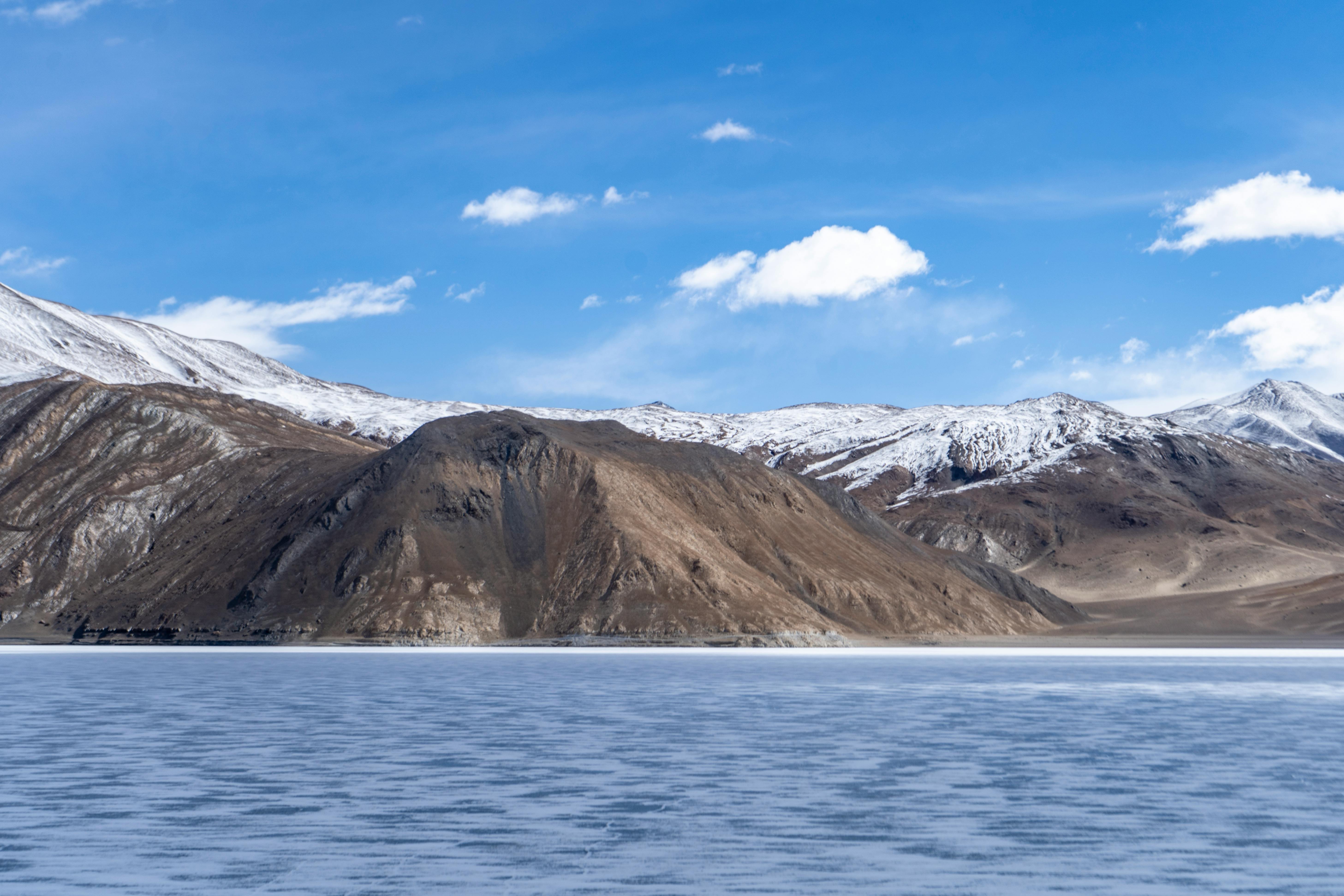
Perched high in the eastern Himalayas at an altitude of nearly 4,600 metres (15,100 feet), Bumla Pass is one of the most fascinating and strategically important mountain passes in India. Located in the remote Tawang district of Arunachal Pradesh, the pass connects India with the Tibet Autonomous Region of China. Surrounded by dramatic snow-covered mountains, frozen lakes, and rugged terrain, Bumla Pass is far more than just a scenic destination — it is a place where history, patriotism, spirituality, and adventure come together.
For travellers, visiting Bumla Pass feels like stepping into another world. The journey itself is breathtaking, with winding mountain roads, fluttering prayer flags, icy winds, and panoramic Himalayan views accompanying you throughout the route. Because of its sensitive border location and military significance, the area remains carefully monitored, adding a unique sense of importance and exclusivity to the experience.
A Journey Through Stunning Himalayan Landscapes
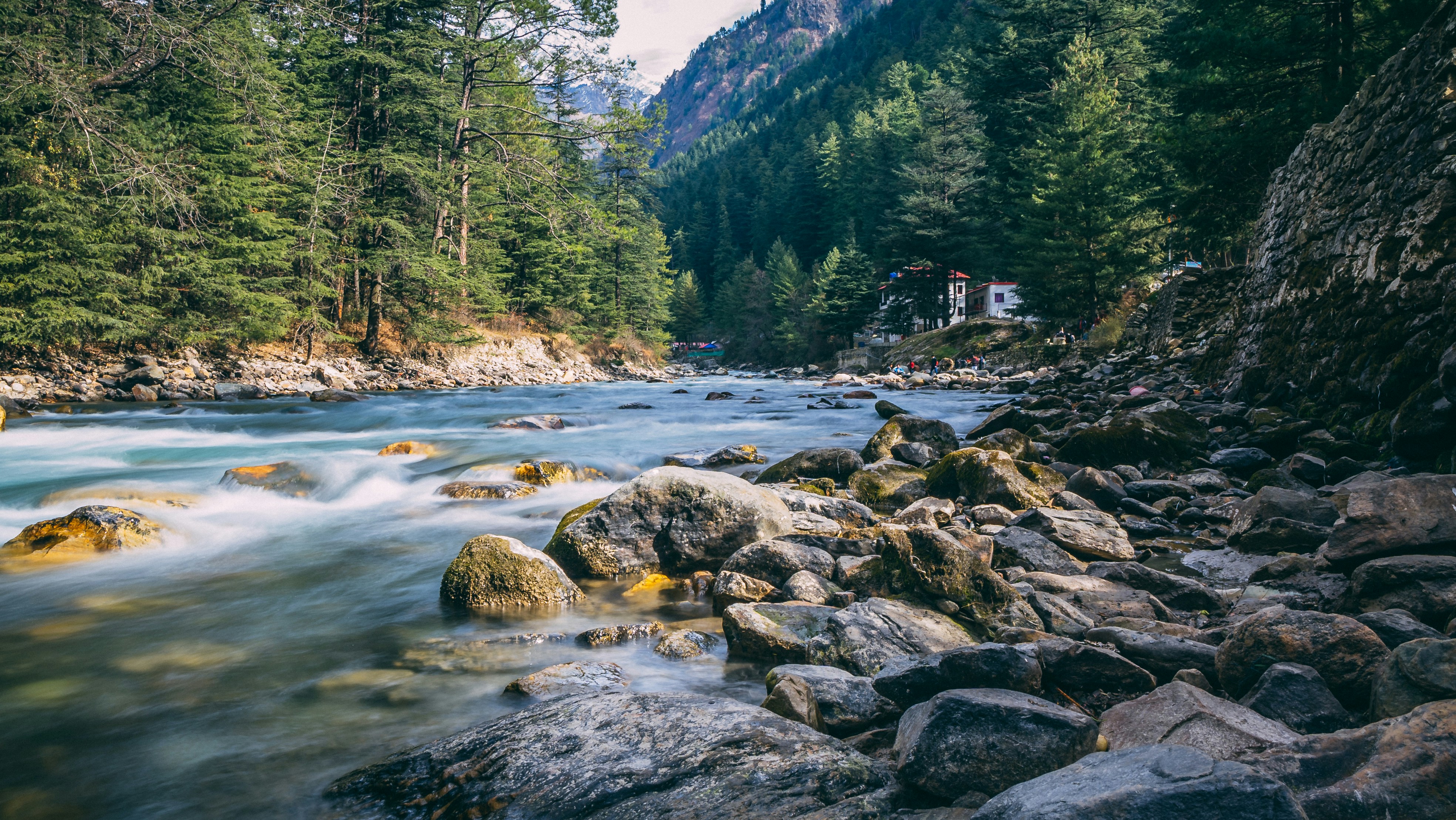
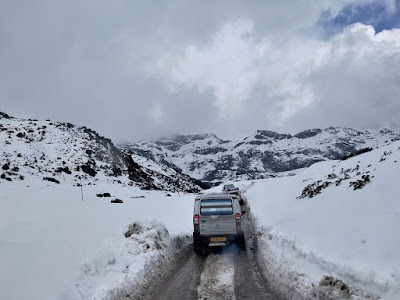
The road from Tawang to Bumla Pass is one of the most scenic drives in Northeast India. As you ascend higher into the mountains, the landscape changes dramatically — green valleys slowly give way to barren rocky slopes, snow patches, and glacial lakes. During summer, the region is dotted with blooming alpine flowers and rhododendrons, while winters transform the area into a snow-covered wonderland.
One of the highlights along the route is the famous Sangestar Tso, also known as Madhuri Lake, which attracts visitors with its crystal-clear waters and surreal scenery. The untouched beauty of the region makes Bumla Pass a paradise for photographers, nature lovers, and adventure seekers alike.
Unique Experiences and Activities
Witness the India-China Border
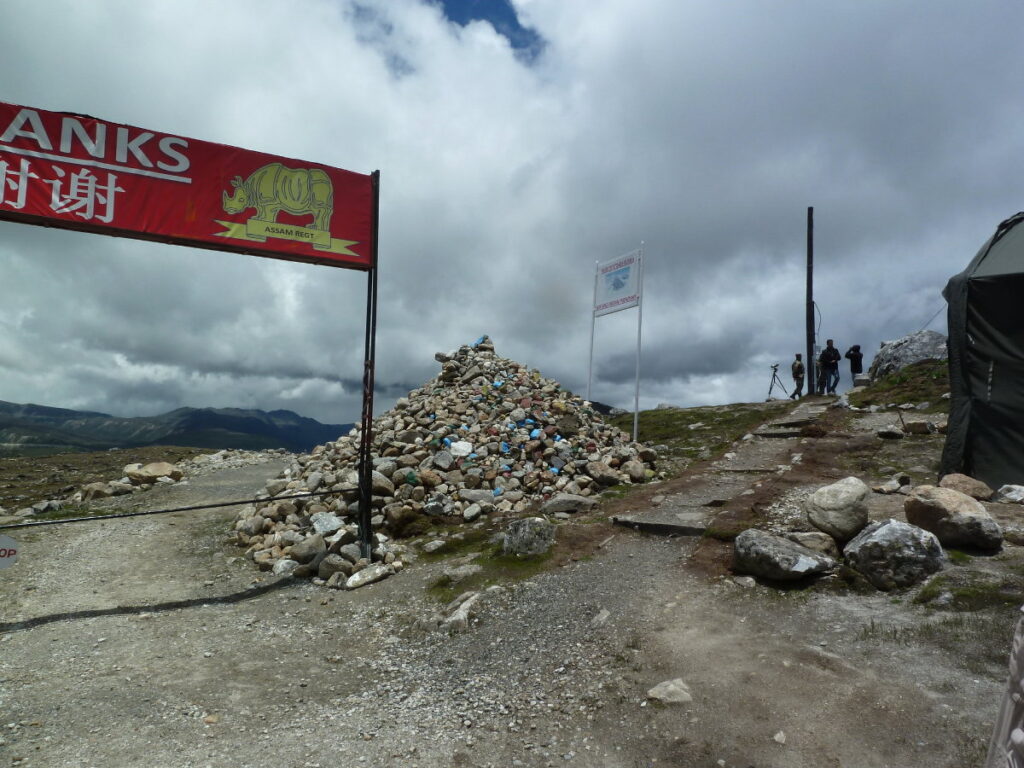
The main attraction at Bumla Pass is the opportunity to see the actual border point between India and China. Indian Army personnel stationed there often guide visitors and share information about the region’s strategic importance and harsh living conditions at such high altitudes. Watching soldiers guard the frontier amidst freezing temperatures leaves a deep impression on most travellers.
Explore Himalayan Monasteries and Spiritual Sites
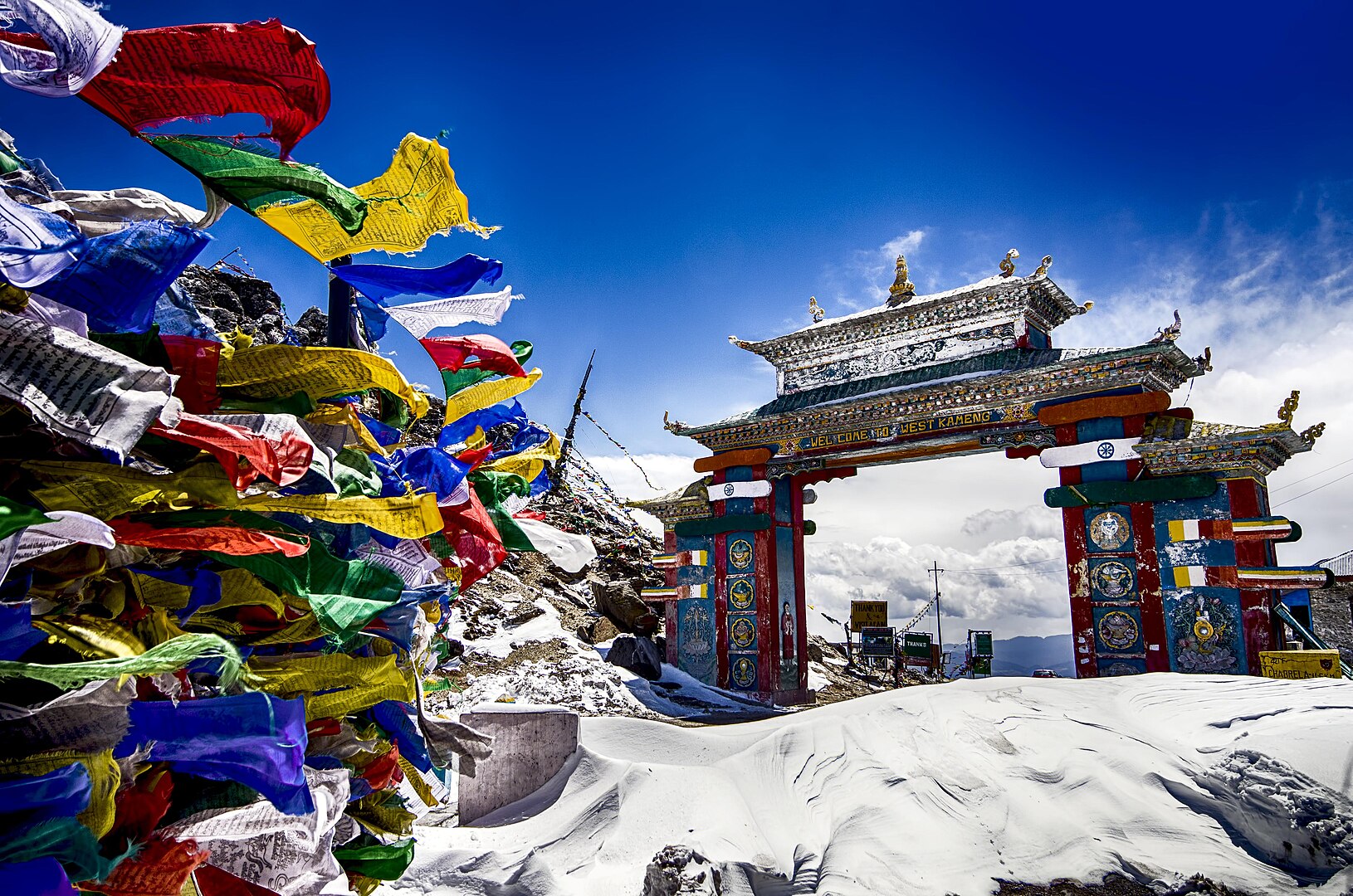
The region surrounding Bumla Pass reflects the rich Buddhist heritage of Arunachal Pradesh. Small monasteries, prayer wheels, stupas, and colourful prayer flags can be seen along the route, creating a peaceful atmosphere despite the tense geopolitical setting. The spiritual influence of the local Monpa community is deeply rooted in everyday life here.
Enjoy Scenic Mountain Adventures
Adventure enthusiasts can enjoy short hikes and nature walks around the pass whenever weather conditions allow. The surrounding terrain features alpine meadows, glacial streams, rocky mountain paths, and dramatic viewpoints that offer incredible photo opportunities.
Learn About the 1962 Sino-Indian War
Bumla Pass holds a significant place in Indian military history. During the 1962 Sino-Indian War, fierce battles were fought in this region between Indian and Chinese forces. Several memorials and army installations nearby honour the bravery and sacrifice of Indian soldiers. Visitors often leave with a renewed sense of respect for the armed forces protecting these remote frontiers.
Cultural and Historical Importance
Beyond its military relevance, Bumla Pass also represents the cultural identity of the local Monpa tribes who inhabit the Tawang region. The Monpas follow Tibetan Buddhism and are known for their warm hospitality, peaceful traditions, and vibrant festivals. Prayer flags fluttering across the mountains symbolize hope, harmony, and spiritual resilience in this challenging terrain.
Historically, the pass was also part of ancient trade and pilgrimage routes connecting Tibet with the Tawang region. Even today, traces of these age-old cultural exchanges can still be felt in the local customs, architecture, and cuisine.
Wildlife and Natural Beauty
Although the high-altitude environment appears harsh, the region supports a surprising variety of Himalayan wildlife. Rare animals such as the Himalayan musk deer, blue sheep, and snow leopard are believed to inhabit the surrounding mountains, though sightings are extremely rare. Birdwatchers may also spot colourful Himalayan pheasants and other alpine bird species.
The pristine environment, combined with the silence of the mountains and thin mountain air, creates an unforgettable atmosphere that feels both powerful and peaceful.
How to Reach Bumla Pass
From Tawang
Bumla Pass is located around 40 kilometres from Tawang and can be reached by road. However, the journey is not an ordinary road trip. Visitors usually hire local SUVs capable of handling the rough mountainous terrain and unpredictable weather conditions.
Permits Required
Since Bumla Pass lies in a sensitive border area, special permits are mandatory for Indian travellers. Visitors need:
An Inner Line Permit (ILP) to enter Arunachal Pradesh
Additional permission from the local authorities and the Indian Army to visit Bumla Pass
Foreign nationals generally require a Protected Area Permit (PAP), though access restrictions may vary depending on current security regulations.
It is advisable to arrange permits in Tawang at least one day before the visit.
Nearby Attractions of Bumla Pass
Bumla Pass is one of the highest and most historically significant mountain passes in India, situated at an altitude of about 15,200 feet (4,633 meters) in the Tawang district of Arunachal Pradesh. Located on the Indo-China border, the pass is renowned for its breathtaking Himalayan landscapes, snow-covered mountains, high-altitude lakes, and historical importance during the 1962 Indo-China War. Visitors to Bumla Pass can also explore several fascinating attractions in the surrounding region.
1. Sangetsar Lake (Madhuri Lake)
One of the most beautiful high-altitude lakes in Arunachal Pradesh, Sangetsar Lake is famous for its crystal-clear waters and the tree trunks emerging from its surface. The lake gained popularity after being featured in the Bollywood movie Koyla.
2. Tawang Monastery
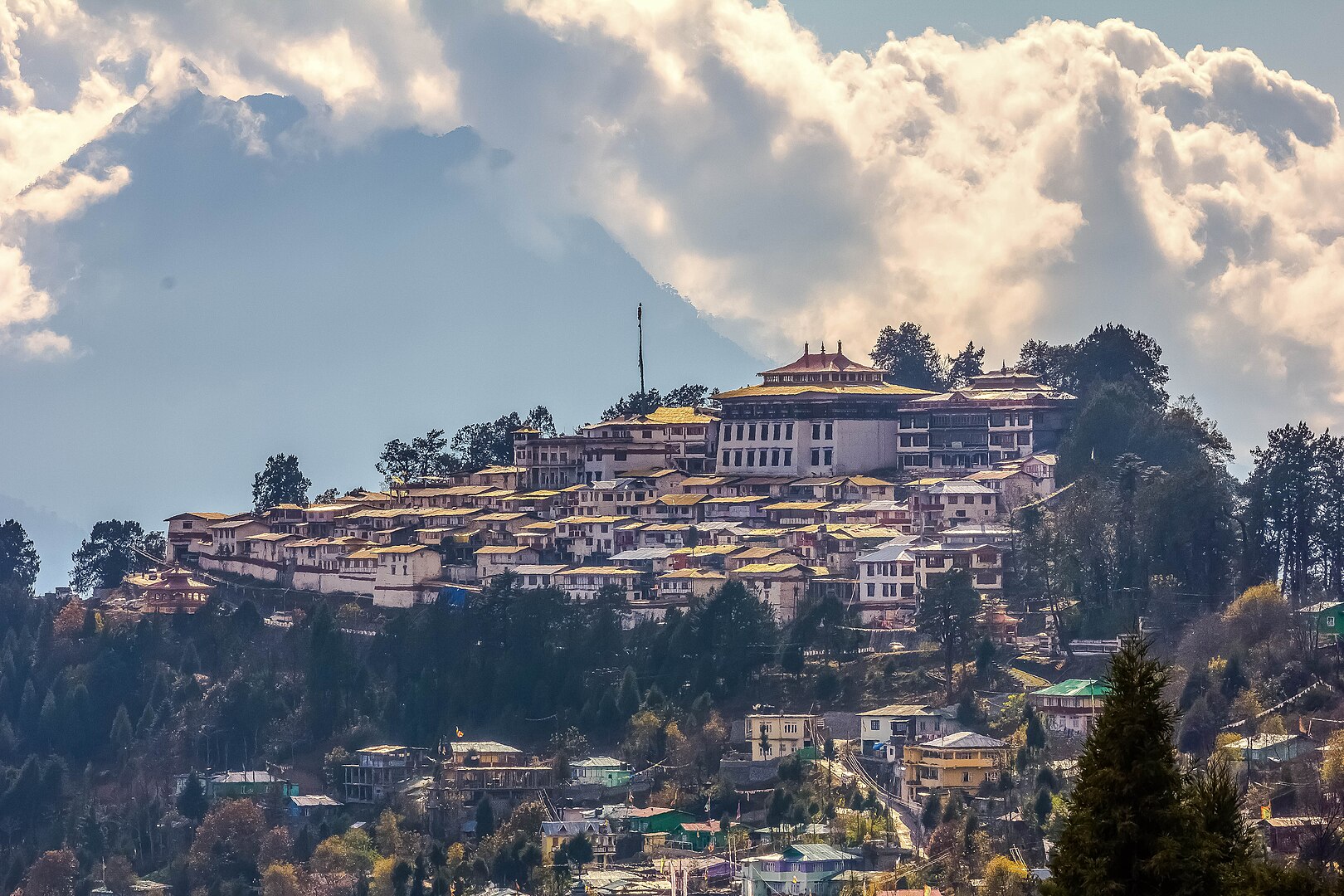
Located about 37 km from Bumla Pass, Tawang Monastery is the largest monastery in India and one of the most important Buddhist centers in the Himalayas. It offers stunning views of the surrounding valleys and mountains.
3. P.T. Tso Lake
A picturesque glacial lake situated on the route to Bumla Pass, P.T. Tso is surrounded by rugged mountains and serves as a popular stop for photography and sightseeing.
4. Y-Junction
A significant checkpoint on the route to Bumla Pass, Y-Junction offers panoramic views of snow-covered peaks and serves as the starting point for roads leading to Bumla Pass and Sangetsar Lake.
5. Tawang War Memorial
This memorial honors Indian soldiers who sacrificed their lives during the 1962 Indo-China War. It offers historical insights and spectacular views of Tawang Valley.
6. Sela Pass
One of the highest motorable mountain passes in India, Sela Pass is famous for its snow-covered landscapes, breathtaking mountain scenery, and the beautiful Sela Lake.
7. Sela Lake (Paradise Lake)
Situated near Sela Pass, this pristine alpine lake remains frozen during winter and is among the most scenic lakes in the Eastern Himalayas.
8. Nuranang Waterfall (Jang Falls)
A magnificent waterfall near Jang village, Nuranang Falls plunges from a height of around 100 meters and is one of Tawang district’s most popular attractions.
9. Taktsang Gompa
Perched on a hillside, this sacred monastery is associated with Guru Padmasambhava and offers a peaceful atmosphere amidst stunning natural surroundings.
10. Urgelling Monastery
The birthplace of the Sixth Dalai Lama, this monastery is an important pilgrimage and cultural site in the Tawang region.
Best Time to Visit
The ideal time to visit Bumla Pass is between April and October, when the roads are relatively accessible and weather conditions are more favourable. During these months, visitors can enjoy clearer skies, better visibility, and safer travel conditions.
Winter, especially from November to March, brings heavy snowfall and extreme cold. Roads often become blocked due to snow accumulation, making travel difficult or completely impossible. However, if accessible, winter offers spectacular snow-covered landscapes unlike anywhere else in India.
Important Travel Tips
Carry warm layered clothing, gloves, woollen caps, and sturdy shoes, as temperatures remain extremely cold even during summer.
Due to the high altitude, some travellers may experience breathing difficulties or mild altitude sickness. Staying hydrated and avoiding overexertion is important.
Mobile connectivity can be limited or unavailable near the pass.
Always follow army guidelines and photography restrictions in sensitive zones.
Start early in the morning from Tawang, as weather conditions can change rapidly later in the day.
Google Maps
FAQs
Is Bumla Pass open to tourists?
Yes, Indian tourists are allowed to visit Bumla Pass with the required permits and permissions. Access may occasionally be restricted due to weather or security conditions.
Do foreign tourists need special permission?
Yes, foreign nationals usually require a Protected Area Permit (PAP), and access rules can vary depending on government regulations and security policies.
Can regular vehicles reach Bumla Pass?
It is recommended to hire sturdy local SUVs from Tawang because the mountain roads can be rough, steep, and slippery.
Is snowfall common at Bumla Pass?
Yes, snowfall is extremely common, especially during winter months. Even in summer, temperatures can remain quite cold.
How much time does the trip from Tawang to Bumla Pass take?
The journey usually takes around 2 to 3 hours one way, depending on road and weather conditions.
Is altitude sickness a concern here?
Yes, since the pass is located above 15,000 feet, some visitors may experience headaches, dizziness, or breathlessness due to the high altitude.
Are there food and accommodation facilities at Bumla Pass?
No major accommodation facilities are available at the pass itself. Visitors generally stay in Tawang and make a day trip to Bumla Pass.
Why is Bumla Pass historically important?
Bumla Pass played a major role during the 1962 Sino-Indian War and remains an important strategic border point guarded by the Indian Army.