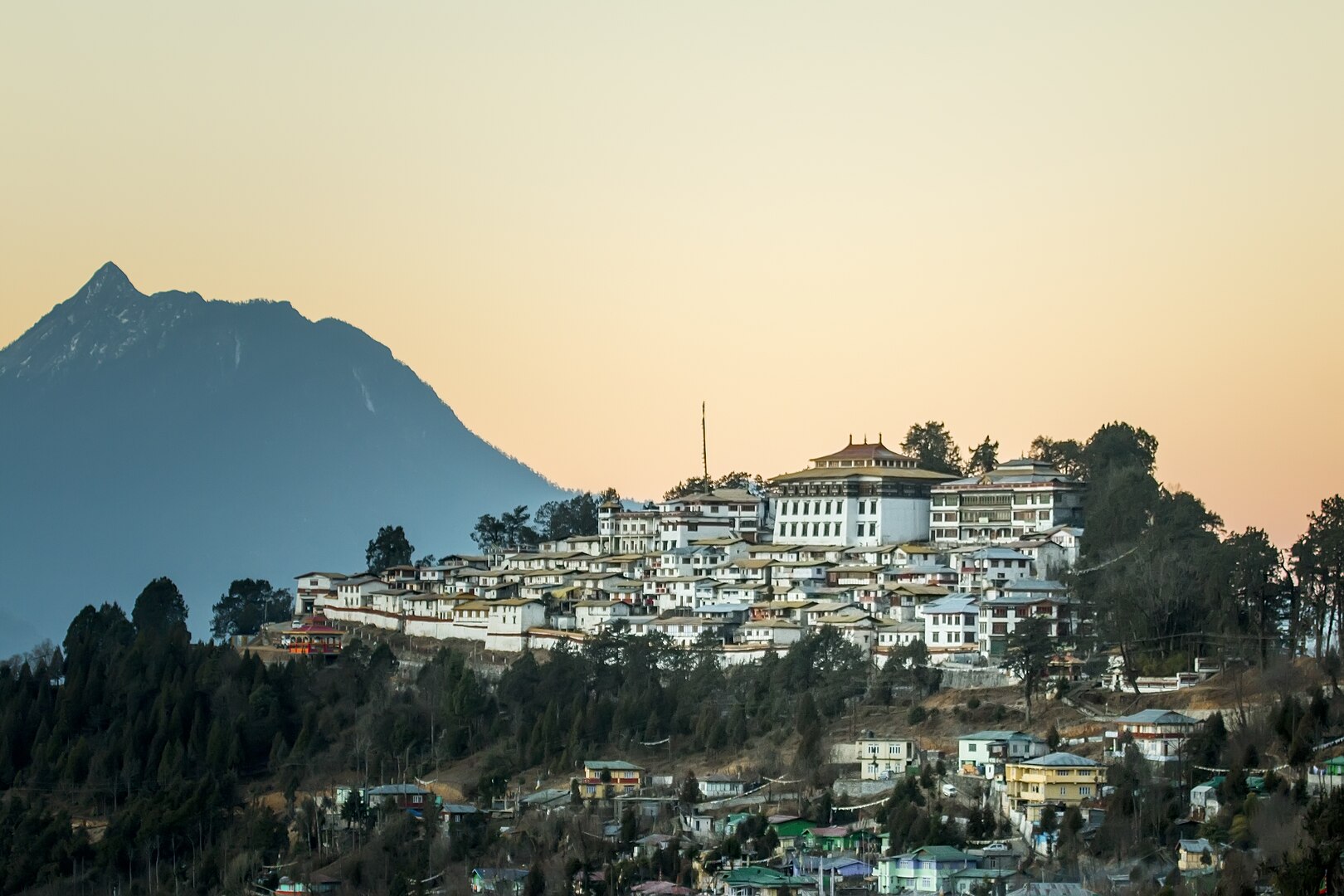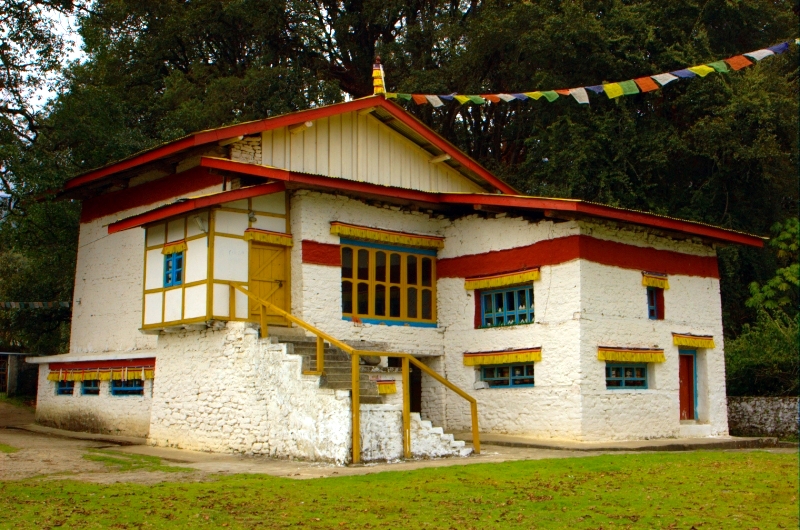
Image Source: Giridhar Appaji Nag Y
About Urgelling Monastery
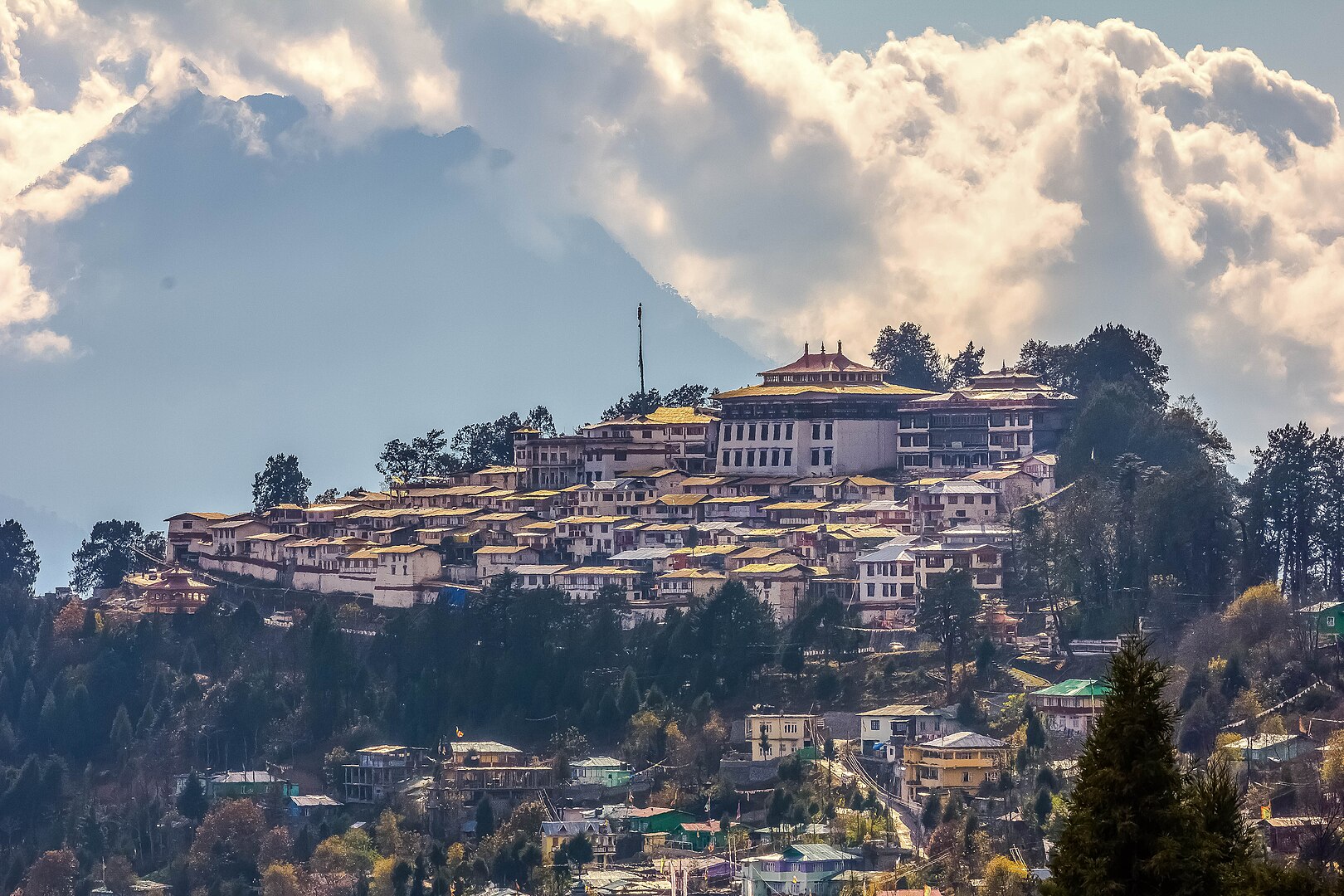
Tucked away in the peaceful hills of Arunachal Pradesh’s Tawang district, Urgelling Monastery is one of the region’s most spiritually significant yet understated Buddhist sites. Surrounded by fluttering prayer flags, pine-covered slopes, and the quiet rhythm of monastic life, the monastery carries a calmness that instantly sets it apart from the more crowded tourist attractions of Tawang. Though smaller and less ornate than the famous Tawang Monastery, Urgelling possesses a rare sense of intimacy and authenticity that leaves a lasting impression on visitors.
What makes this monastery especially important is its connection to the 6th Dalai Lama, Tsangyang Gyatso, who was born here in 1683. Revered not only as a spiritual leader but also as a poet and mystic, Tsangyang Gyatso became known for his unconventional life, romantic poetry, and philosophical reflections on love, longing, and spirituality. Because of this association, Urgelling Monastery is considered one of the most sacred Buddhist heritage sites in the eastern Himalayas.
Historical and Spiritual Importance
The origins of Urgelling Monastery date back to the 15th century, when it was established by the Buddhist monk Ugyen Sangpo. Initially built as a modest hermitage and meditation center, the monastery later gained immense religious importance after becoming the birthplace of the 6th Dalai Lama. Over the centuries, pilgrims from Tibet, Bhutan, and different Himalayan regions have visited this sacred site to pay homage and seek blessings.
The monastery has also witnessed difficult periods in history. During the political conflicts and invasions that swept through the Himalayan belt in the 17th century, parts of the monastery suffered severe damage from Bhutanese and Mongol incursions. Despite these setbacks, the site was gradually restored by local monks and devotees who wished to preserve its spiritual legacy. Today, the monastery stands as a symbol of resilience, devotion, and cultural continuity.
For followers of Tibetan Buddhism, Urgelling is more than a monument — it is a living place of prayer and remembrance. During important Buddhist festivals and anniversaries related to the life of the Dalai Lama, the monastery becomes filled with chanting monks, butter lamps, and devotees participating in rituals and prayer ceremonies.
The Peaceful Atmosphere of the Monastery
One of the most memorable aspects of visiting Urgelling Monastery is the atmosphere itself. Unlike larger monasteries that attract heavy tourist crowds, Urgelling feels deeply personal and contemplative. The sound of rustling prayer flags, the fragrance of incense and juniper smoke, and the distant echo of Buddhist chants create an environment that encourages silence and reflection.
The monastery is surrounded by traditional Himalayan scenery — rolling hills, pine forests, and crisp mountain air. Early mornings are particularly magical, as mist slowly lifts from the valley and the monastery grounds glow softly under the rising sun. Travelers often describe the experience as calming and spiritually grounding, even if they are not religious.
Architecture and Artistic Features
Urgelling Monastery reflects the simplicity of traditional Himalayan Buddhist hermitages. Rather than grand halls and towering structures, the monastery focuses on spiritual warmth and sacred symbolism.
Main Shrine Hall
The central prayer hall houses beautiful statues of Shakyamuni Buddha, Guru Padmasambhava, and the 6th Dalai Lama, Tsangyang Gyatso. Butter lamps flicker continuously before the altar, while monks recite prayers in low rhythmic tones.
Sacred Relics and Scriptures
The monastery preserves several old Buddhist scriptures, ceremonial objects, prayer manuscripts, and thangkas associated with Tibetan Buddhist traditions. Some relics are believed to be connected to the life and legacy of Tsangyang Gyatso, making them especially valuable to pilgrims and scholars.
Traditional Himalayan Design
The monastery’s architecture is simple yet deeply atmospheric. Whitewashed walls, wooden beams, low ceilings, prayer wheels, and hand-painted details reflect the traditional style found in many ancient Himalayan monasteries. Instead of overwhelming visitors with grandeur, the design invites quiet meditation and introspection.
Outside the monastery, tall prayer flag poles stand against the Himalayan sky. As the wind moves through them, Buddhist mantras are believed to spread peace and compassion across the surrounding valleys.
Location and How to Reach
Urgelling Monastery is located around 5 kilometers from Tawang town in Arunachal Pradesh and can easily be reached by local taxi, private vehicle, or even a short scenic walk if you are comfortable with the altitude.
By Air
The nearest airport is in Tezpur, approximately 390 kilometers away. From Tezpur, travelers usually continue by road toward Tawang through the mountain routes of western Arunachal Pradesh.
By Rail
The closest railway station is Rangapara North Railway Station, located roughly 400 kilometers from Tawang.
By Road
Tawang is connected by mountain roads from Assam through places like Bomdila and Dirang. The road journey is long but incredibly scenic, passing through forests, waterfalls, monasteries, and high-altitude passes including Sela Pass.
Best Time to Visit
The ideal time to visit Urgelling Monastery is between March and May or from September to November, when the weather remains relatively pleasant and the skies are clearer. Winters can be extremely cold, with snowfall affecting travel routes, while the monsoon season may bring landslides and road disruptions.
Morning visits are highly recommended because this is when daily prayers take place. The combination of monk chants, incense smoke, and the peaceful silence of the mountains creates a deeply immersive experience.
Nearby Attractions
Travelers often combine a visit to Urgelling Monastery with other important cultural and historical landmarks in Tawang.
- Tawang Monastery – The largest monastery in India and one of the most significant Buddhist monasteries in the world.
- Tawang War Memorial – A moving tribute to Indian soldiers who fought in the 1962 Indo-China War.
- Gyangong Ani Gompa – A peaceful nunnery known for its spiritual environment and mountain views.
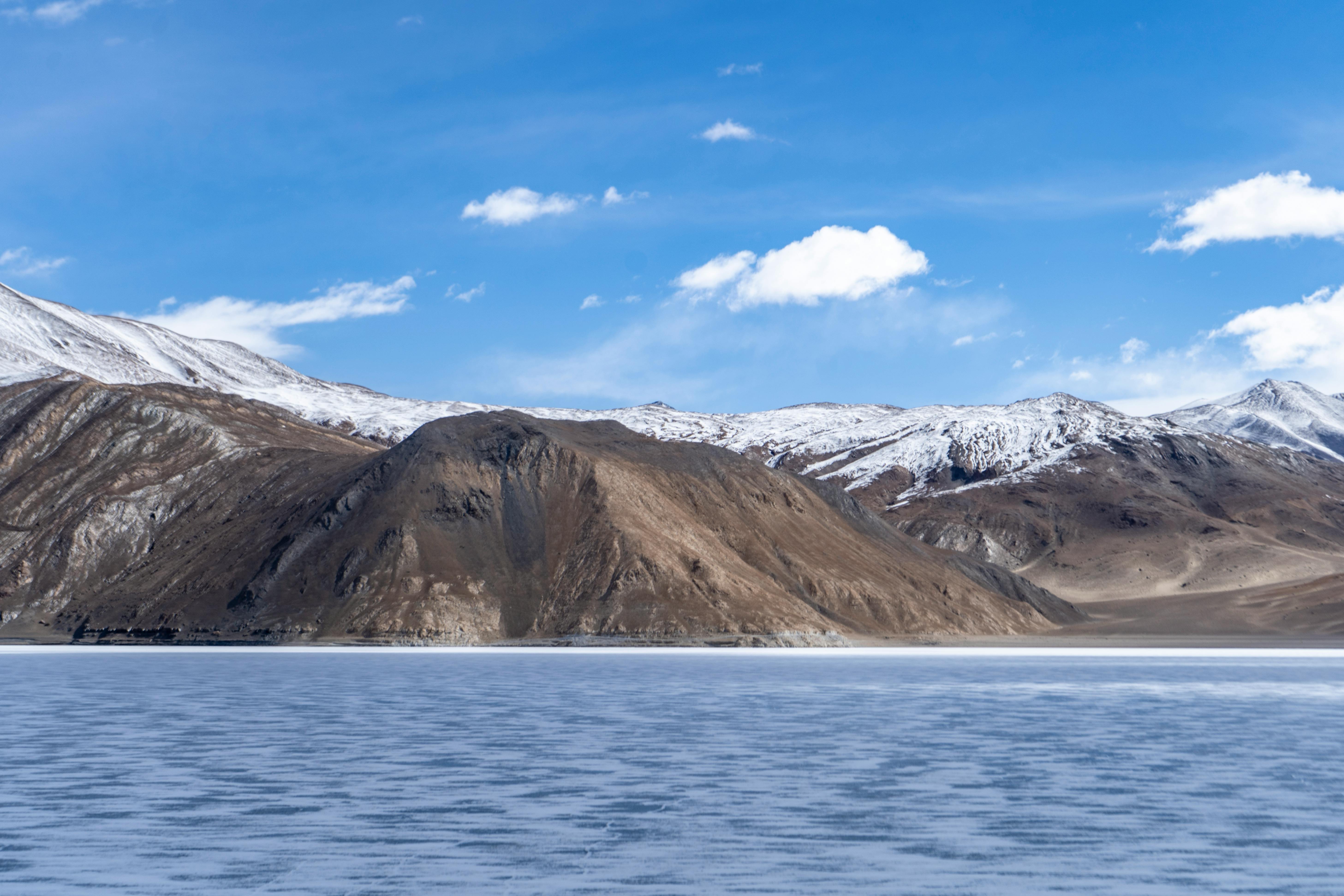
- Sela Pass – A breathtaking high-altitude mountain pass famous for its frozen lakes and dramatic Himalayan scenery.
Travel Tips for Visitors
Traveling in Tawang requires some preparation because of the high altitude and remote terrain. Visitors should spend time acclimatizing, stay hydrated, and avoid rushing during the first day of arrival. Carry warm clothing throughout the year, as temperatures can drop suddenly even during summer evenings.
Photography is generally allowed in the outer areas of the monastery, but visitors should always ask permission before taking pictures inside prayer halls or during ceremonies. Maintaining silence and respecting local customs is appreciated by monks and pilgrims alike.
Since Arunachal Pradesh is a protected border state, Indian tourists require an Inner Line Permit (ILP), while foreign nationals need a Protected Area Permit (PAP) before entering the region.
Google Maps
FAQs
Why is Urgelling Monastery famous?
Urgelling Monastery is best known as the birthplace of Tsangyang Gyatso, the 6th Dalai Lama, born in 1683. It is considered a sacred pilgrimage site in Tibetan Buddhism.
Where is Urgelling Monastery located?
The monastery is located about 5 kilometers from Tawang town in the Tawang district of Arunachal Pradesh, India.
What is the best time to visit Urgelling Monastery?
The best months to visit are March to May and September to November, when the weather is pleasant and mountain roads are more accessible.
Is Urgelling Monastery larger than Tawang Monastery?
No, Urgelling Monastery is much smaller and simpler than Tawang Monastery, but it is highly revered because of its historical and spiritual significance.
Can tourists attend prayer ceremonies?
Yes, visitors can often witness morning prayers and chanting sessions, provided they behave respectfully and avoid disturbing the rituals.
Do visitors need permits to visit Tawang?
Yes. Indian citizens require an Inner Line Permit (ILP), while foreign travelers need a Protected Area Permit (PAP) to enter Arunachal Pradesh.
How much time is needed to explore the monastery?
Most visitors spend around one to two hours exploring the monastery, meditating, and enjoying the peaceful surroundings.