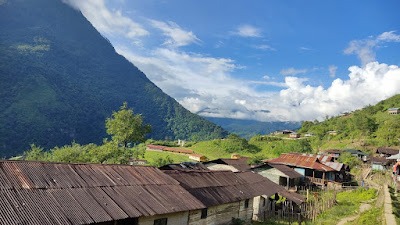
Image Source: Niker Diru
About Tato Village
Tucked away in the West Siang district of Arunachal Pradesh, Tato Village is a hidden gem that blends breathtaking Himalayan scenery with the charm of rural life. Known for its iconic hanging bridge that sways over the crystal-clear Siyom River, Tato is a place where travellers can slow down, breathe fresh mountain air, and experience the simplicity of village living.
Surrounded by terraced fields, forested hills, and winding trails, it’s an offbeat stop that connects the region’s natural beauty with its warm, welcoming people.
Travel Experience
In the village, you’ll find neatly kept bamboo houses with sloping roofs, vegetable gardens, and fields of maize and paddy. Early mornings are peaceful, with mist rising from the river and the sound of roosters echoing through the hills. Short hikes from Tato lead to lookout points over the Siyom River, where photographers will find endless inspiration.
Unique Local Touch
Tato is primarily inhabited by the Adi and Galo tribes, both known for their vibrant weaving traditions, agricultural expertise, and community festivals. Visitors might be invited to share a meal of smoked pork, bamboo shoot curry, and apong (traditional rice beer).
The hanging bridge itself is a cultural symbol — built using indigenous techniques passed down through generations, reflecting the community’s resourcefulness and harmony with nature.
How to Reach
By Air: The nearest airport is Pasighat, connected by flights from Guwahati, followed by a scenic road journey via Along (Aalo).
By Rail: The closest railway station is Murkongselek in Assam, with road links via Pasighat to Tato.
By Road: Tato is accessible from Aalo by a picturesque mountain drive. The road weaves past rivers, forests, and rural settlements, with occasional stops to admire the views.
Best Time to Visit
October to April is the most comfortable season, with pleasant temperatures and clear skies. Monsoon months (June–September) bring lush greenery but can make the roads slippery and the bridge crossings more challenging.