Image Source: Sumantbarooah
Historical Importance of Barpeta in Assam’s Vaishnavite Movement
Barpeta holds a central place in Assam’s cultural history because it was one of the most influential centers of the Ekasarana Naam Dharma movement propagated by the saint-reformer Srimanta Sankardeva and later institutionalized by his disciple Madhavdeva. The establishment of the Barpeta Satra in the 16th century transformed the region into a major spiritual and intellectual nucleus of medieval Assam. Unlike purely political capitals such as Sivasagar, Barpeta emerged as a religious-cultural capital, where philosophy, devotional literature, music, and drama were systematically developed and transmitted to the masses. Historically, this made Barpeta a bridge between royal Ahom power and popular religious consciousness, helping to shape Assamese identity through faith-based social reform rather than military conquest.
Barpeta as the Cultural Heartland of Lower Assam
Barpeta is often described as the “Boikuntha Nagar” (Abode of Vishnu) because of its deep association with devotional culture. The town became a living laboratory for Bhaona theatre, Sattriya dance traditions, Borgeet music, and narrative storytelling through Ankiya Naat. These art forms were not merely aesthetic expressions but tools of social integration, used to unite diverse ethnic communities under a shared cultural framework. Barpeta’s importance lies in how it preserved and spread Assamese language, religious literature, and moral philosophy across generations. Even today, festivals like Doul Utsav (Holi) and Raas Mahotsav in Barpeta attract thousands of pilgrims and performers, reinforcing its reputation as a spiritual-cultural nerve center of western Assam.
Geographical and Environmental Significance of Barpeta District
Geographically, Barpeta lies in the fertile floodplains of the Brahmaputra Valley, making it an agriculturally strategic zone. The presence of rivers such as the Beki, Manas, and Pahumara contributes to rich alluvial soils that support paddy cultivation, mustard farming, and jute production. Barpeta’s proximity to Manas National Park and the Bhutan foothills gives it ecological relevance as part of the Eastern Himalayan biodiversity corridor. This location also made Barpeta historically important as a settlement zone between forest tribes and riverine farming communities, fostering interaction between Bodo, Assamese, and migrant populations. Thus, Barpeta’s geography shaped both its economy and its multicultural demographic structure.
Social Fabric and People of Barpeta
Barpeta’s society reflects a blend of Vaishnavite Assamese culture, indigenous tribal traditions, and river-based livelihoods. The influence of the satra system encouraged values of egalitarianism, community worship, and collective labor, which still shape village life. Barpeta’s population has historically been engaged in agriculture, weaving, religious services, and small-scale trade. The region also played a role in shaping Assam’s folk ethics, emphasizing humility, discipline, and devotion over rigid caste hierarchy. Because Barpeta was a pilgrimage center, it became accustomed to interacting with travelers, monks, and traders, giving its people a tradition of openness and hospitality.
Economic Role and Trade Linkages
Beyond religion, Barpeta developed as a market town connecting western Assam with Goalpara, Nalbari, and Bhutan routes. Its weekly haats and agricultural trade made it a collection point for rice, pulses, fish, and forest produce. During the colonial period, Barpeta gained administrative relevance as part of British Assam’s district system, linking revenue collection with river transport networks. Even today, Barpeta functions as a regional service hub, providing education, healthcare, and commerce for surrounding rural areas. This gives it strategic value in Assam’s internal economic geography, especially within Lower Assam’s agrarian belt.
Religious Landscape and Architectural Identity
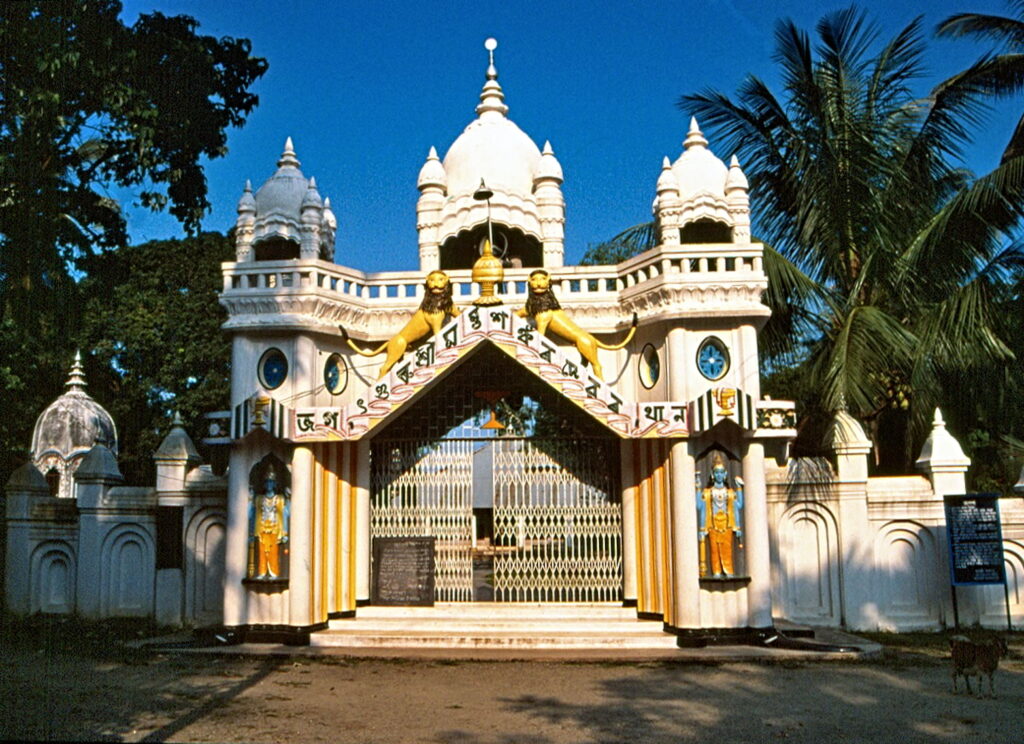
The Barpeta Satra complex stands as an architectural symbol of Assamese religious planning, featuring prayer halls (Naamghars), monasteries (hatis), water tanks, and open courtyards designed for mass gatherings. Unlike temple-centric Hinduism elsewhere, Barpeta’s layout reflects a community-centered worship system, where performance, preaching, and congregation take precedence over idol worship. This architectural philosophy influenced the development of Naamghars across Assam, making Barpeta a model town for satra-based settlement planning. Its built environment thus represents a unique fusion of spirituality and urban design.
Political and Educational Significance
Historically, Barpeta has produced scholars, poets, and social leaders associated with Assamese renaissance movements. Its satras functioned as early centers of literacy, preserving manuscripts and teaching religious texts in the Assamese language. In modern times, Barpeta contributes to Assam’s democratic landscape through regional leadership and civic institutions. Educational establishments in the district continue the legacy of knowledge transmission that began with the Vaishnavite reformers.
Why Barpeta Matters in Assam’s Larger Identity
Barpeta is important not because it was a royal capital or an industrial city, but because it shaped Assam’s moral and cultural backbone. While places like Dibrugarh symbolize economic modernity and Sivasagar represents political heritage, Barpeta represents spiritual continuity and cultural coherence. It explains how Assamese society evolved not only through kings and wars but through saints, songs, and community worship. In this sense, Barpeta is a civilizational space where religion, geography, and people merged to create a distinctive Assamese worldview.