Image Source: Chanap valley trek
About Chenap Valley
Hidden deep within the remote landscapes of the Garhwal Himalayas, Chenap Valley is one of Uttarakhand’s lesser-known natural treasures. Located in the Chamoli district, this beautiful alpine valley remains untouched by heavy tourism, making it a perfect destination for trekkers, photographers, and nature lovers seeking solitude in the mountains. Often compared to the famous Valley of Flowers because of its rich floral meadows, Chenap Valley offers a similarly magical experience but with far fewer crowds and a more raw, unexplored charm.
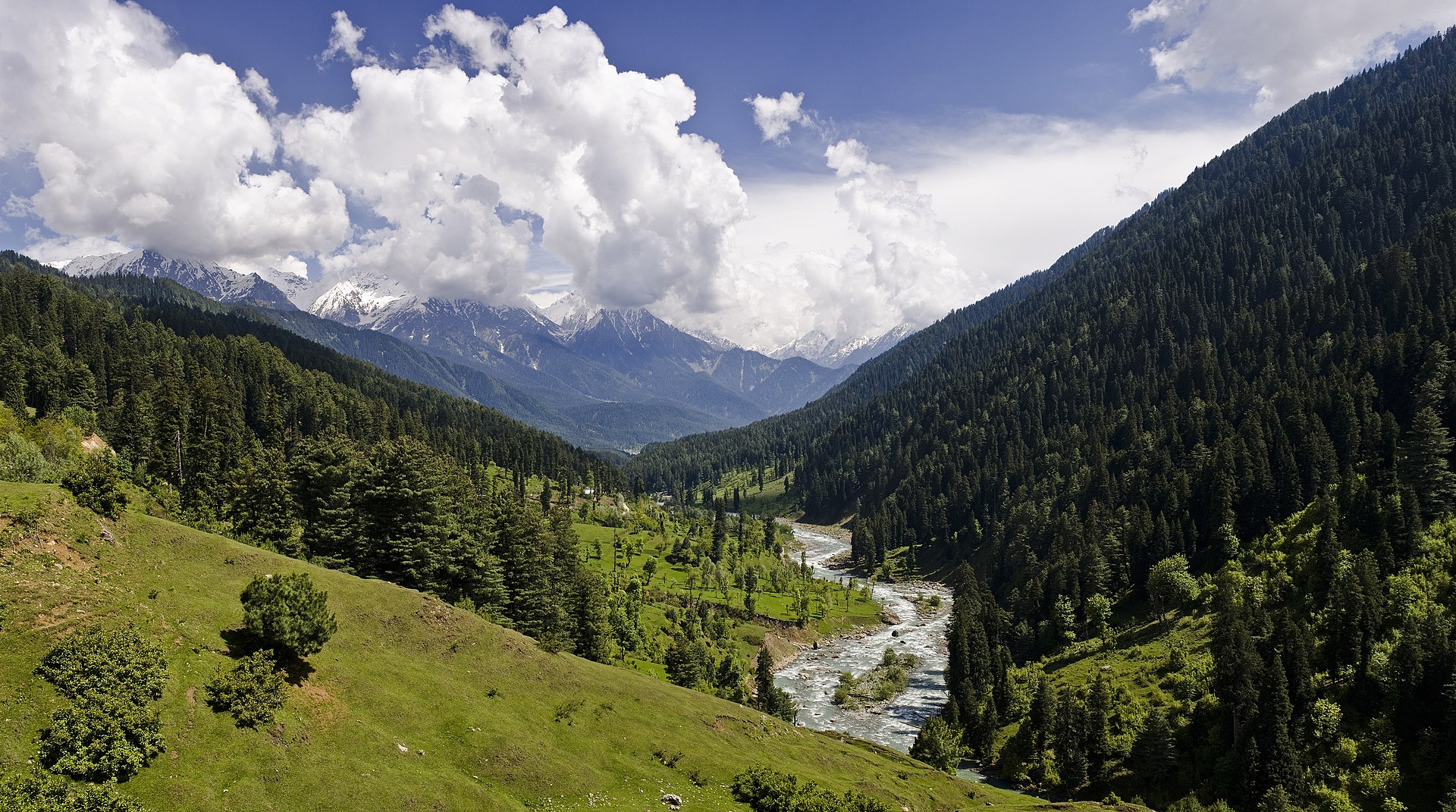
Situated at an altitude of around 12,000 to 15,000 feet, the valley is surrounded by towering Himalayan peaks, lush grasslands, glacial streams, and dense forests. The journey to Chenap Valley is not just a trek but an immersive Himalayan experience filled with changing landscapes, peaceful campsites, and breathtaking mountain views. The untouched beauty of the valley creates an atmosphere that feels almost surreal, especially during the blooming season when colorful flowers blanket the meadows.
Natural Beauty and Himalayan Views
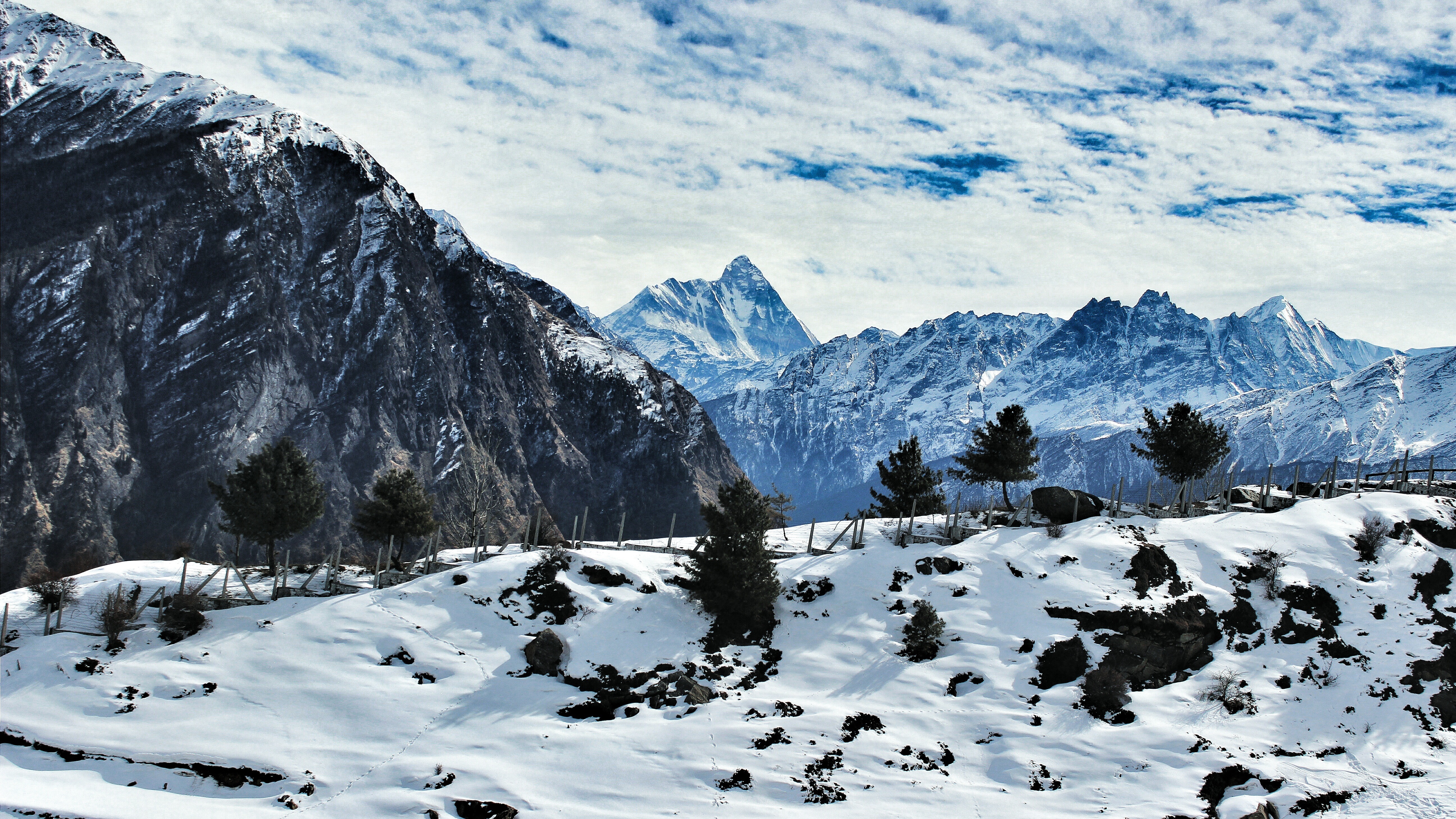
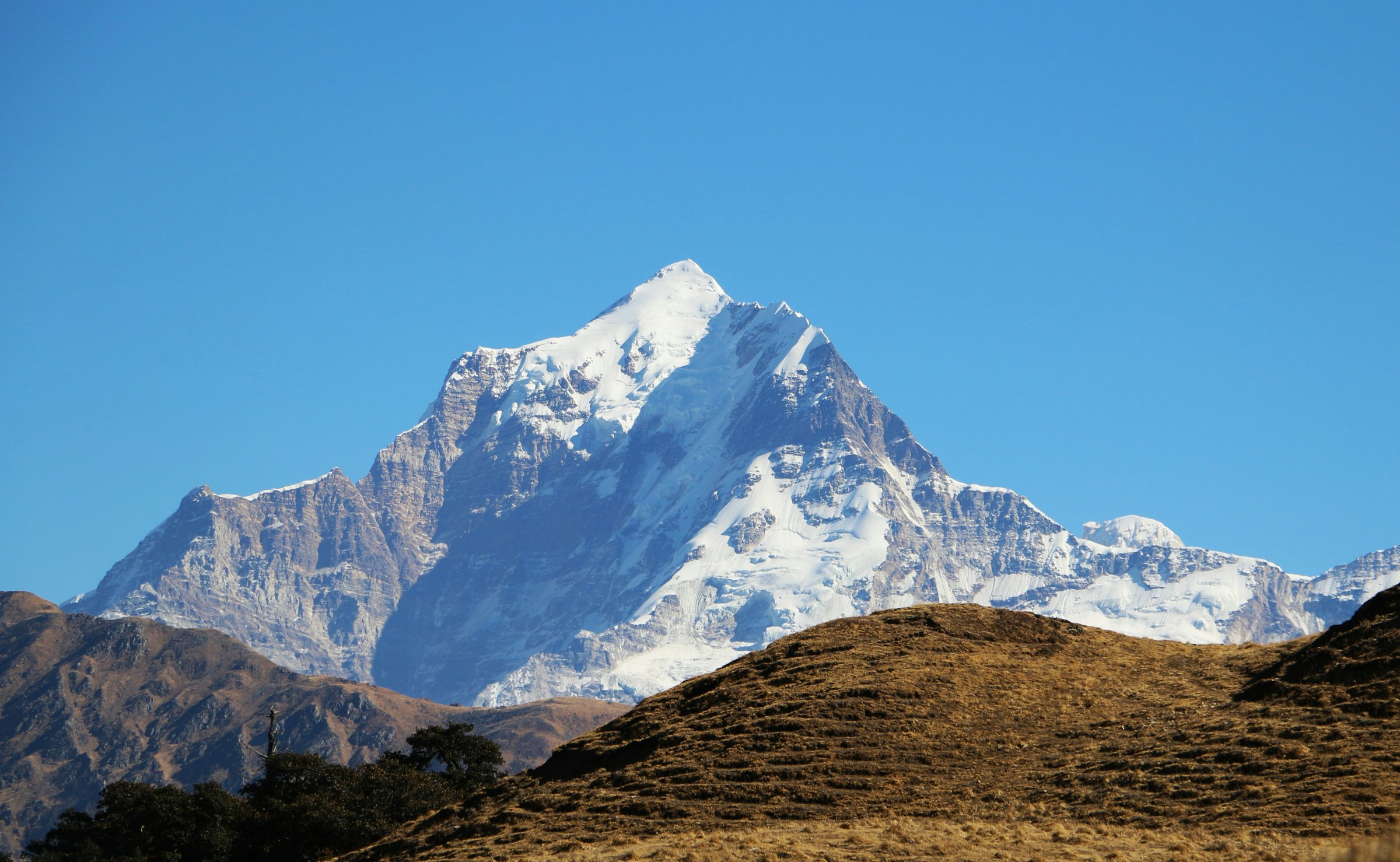
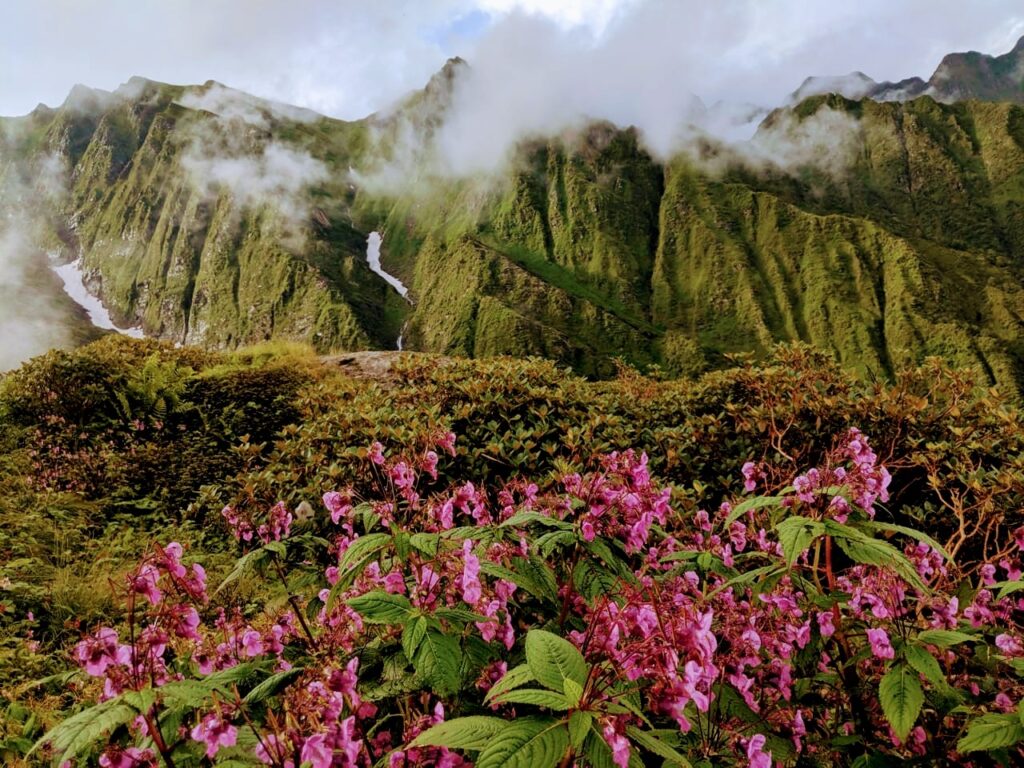
One of the most captivating aspects of Chenap Valley is the panoramic view of several majestic Himalayan peaks visible along the trekking route. Trekkers can witness stunning sights of peaks such as Nanda Devi, Nanda Kot, Dronagiri, Ghunti, and Hathi. Snow-covered mountains rise dramatically in the background while waterfalls and crystal-clear streams flow through the forests and alpine meadows.
The valley also falls within the buffer region of the Nanda Devi Biosphere Reserve, a UNESCO-recognized ecological zone famous for its biodiversity and fragile Himalayan ecosystem. The forests here are rich with oak, rhododendron, and conifer trees, while the higher reaches transform into vast grasslands dotted with rare Himalayan flowers and medicinal plants.
During the monsoon and post-monsoon months, the valley becomes especially vibrant. Wildflowers bloom across the slopes in shades of pink, yellow, blue, purple, and white, creating a spectacular natural carpet. It is believed that hundreds of flower species can be found in the region, making it a paradise for botanists and photographers.
Best Time to Visit Chenap Valley
The ideal time to visit Chenap Valley is between May and October. During these months, the weather remains relatively pleasant, and the valley comes alive with blooming flowers and greenery.
Summer Season (May to June)
Summer is considered one of the best times for trekking in the region. The snow begins to melt, temperatures become comfortable, and the trails are easier to navigate. Clear skies during this period also offer stunning views of the Himalayan peaks.
Monsoon and Post-Monsoon (July to September)
This is the most beautiful time to witness Chenap Valley in full bloom. The valley receives rainfall during the monsoon, which nourishes the alpine meadows and transforms the landscape into a colorful floral paradise. However, trekkers should remain cautious of slippery trails and occasional landslides during heavy rain.
Autumn (September to October)
Autumn brings crisp mountain air, clear weather, and excellent visibility. The greenery remains fresh after the monsoon, while the skies become clearer for photography and mountain views.
Winters are generally avoided because the region receives heavy snowfall, making trekking routes inaccessible and extremely challenging.
Trek Route to Chenap Valley
The trek to Chenap Valley is moderately challenging and takes trekkers through remote Himalayan villages, forests, and high-altitude meadows. The route offers a perfect combination of adventure and scenic beauty.
Day 1: Vishnuprayag to Thaing Village
The journey begins from Vishnuprayag, the sacred confluence of the Alaknanda and Dhauliganga rivers. Vishnuprayag is located around 28 km from Joshimath and serves as the starting point of the trek.
After reaching the confluence, trekkers cross a suspension bridge built over the Alaknanda River. From here, the trail gradually climbs toward Thaing Village, which lies around 8 km away. The route passes through forests, rocky sections, and mountain paths while offering scenic views of the surrounding valleys.
Thaing is a small Himalayan village where trekkers can either camp overnight or stay in local accommodations. Spending a night in the village also gives visitors an opportunity to experience the simple mountain lifestyle and warm hospitality of the local people.
Day 2: Thaing Village to Dhar Kharak
After breakfast, the trek continues toward Dhar Kharak or Baidwa Kharak, located approximately 6 km from Thaing Village. This section of the route passes through dense forests filled with rhododendron, oak, and alpine vegetation.
The climb becomes steeper in some places, but the peaceful environment and fresh mountain air make the journey enjoyable. Along the route, trekkers may encounter waterfalls, grazing meadows, and occasional wildlife native to the Himalayan region.
Dhar Kharak serves as an excellent camping spot surrounded by scenic mountain landscapes. Nights here are incredibly peaceful, with clear skies often revealing countless stars above the Himalayas.
Day 3: Dhar Kharak to Chenap Valley
The final stretch of the trek covers around 4 km and leads directly into the mesmerizing Chenap Valley. As trekkers gain altitude, the landscape gradually opens into expansive alpine meadows filled with wildflowers and glacial streams.
The valley’s untouched beauty makes it an ideal place to spend an entire day exploring, photography, and simply enjoying the calmness of nature. The colorful meadows, towering mountains, and cool Himalayan breeze create an unforgettable experience.
Camping in the valley is one of the highlights of the journey. Watching sunrise and sunset over the surrounding peaks while staying amidst blooming alpine flowers is an experience that leaves a lasting memory.
Things to Carry for the Trek
Because Chenap Valley is located in a remote high-altitude region, proper preparation is essential. Trekkers should carry warm clothing, waterproof jackets, trekking shoes, gloves, sunscreen, sunglasses, and a basic medical kit. Weather in the Himalayas can change suddenly, so layered clothing is highly recommended.
It is also important to carry reusable water bottles and avoid littering, as the valley lies within an ecologically sensitive zone.
Why Chenap Valley is Special
Unlike many popular Himalayan destinations, Chenap Valley still retains its untouched and unexplored charm. The absence of large tourist crowds allows visitors to experience nature in its purest form. From colorful alpine flowers and pristine streams to panoramic mountain views and peaceful campsites, every part of the journey feels authentic and refreshing.
For travelers looking to explore hidden trekking destinations in Uttarakhand beyond the usual tourist circuits, Chenap Valley offers a perfect blend of adventure, solitude, biodiversity, and Himalayan beauty.
Maps and Location
FAQs
Where is Chenap Valley located?
Chenap Valley is located in the Chamoli district of Uttarakhand in the Garhwal Himalayas.
What is the altitude of Chenap Valley?
The valley lies at an approximate altitude of 12,000 to 15,000 feet above sea level.
What is the best time to visit Chenap Valley?
The best time to visit is between May and October, especially during the monsoon and post-monsoon months when wildflowers bloom across the valley.
Is the Chenap Valley trek difficult?
The trek is considered moderately difficult. It involves high-altitude trekking through forests, steep trails, and alpine terrain.
How many days are required for the trek?
Usually, the trek takes around 3 to 4 days depending on weather conditions and trekking pace.
What makes Chenap Valley famous?
Chenap Valley is known for its untouched alpine meadows, rich biodiversity, wildflowers, scenic Himalayan views, and peaceful trekking experience.
Can beginners do the trek?
Beginners with good physical fitness and some trekking preparation can complete the trek, preferably with a local guide or experienced trekking group.
Is camping allowed in Chenap Valley?
Yes, camping is one of the most popular ways to experience the valley, especially near the alpine meadows and high-altitude campsites.