Image Source: prince choudhary
About Deo Tal
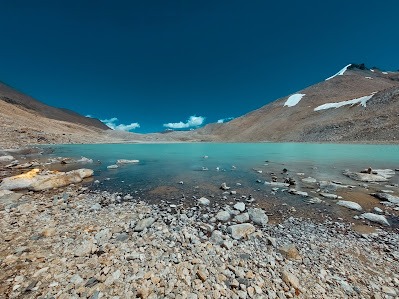
Hidden deep in the high-altitude wilderness of Uttarakhand, Deo Tal is one of the most mysterious and least-explored lakes in the Indian Himalayas. Often referred to as the “Lake of the Gods,” this remote glacial lake lies near the historic Mana Pass, close to the India–China border in the Chamoli district. Surrounded by barren mountains, icy landscapes, and untouched Himalayan terrain, Deo Tal is not just a scenic destination but also a place wrapped in mythology, spirituality, and adventure.
According to local belief, Deo Tal is considered the origin of the mythical Saraswati River. Unlike most rivers that visibly flow across valleys and plains, the Saraswati is believed to disappear underground for much of its journey. It eventually meets the Alaknanda River at Keshav Prayag near Mana village, which is famously known as the last Indian village before the Tibetan border. The spiritual significance attached to the Saraswati River gives Deo Tal a sacred identity among pilgrims and locals alike.
The Ancient Route to Deo Tal
The route leading to Deo Tal follows an ancient Indo-Tibetan trade path that was once used by traders traveling between India and Tibet. Even today, the journey feels like a passage through a forgotten Himalayan world. Starting from Mana village near Badrinath, the road gradually climbs into rugged and isolated terrain. The landscapes here are dramatically different from the lush valleys of lower Uttarakhand and often resemble the cold desert scenery of Spiti Valley.
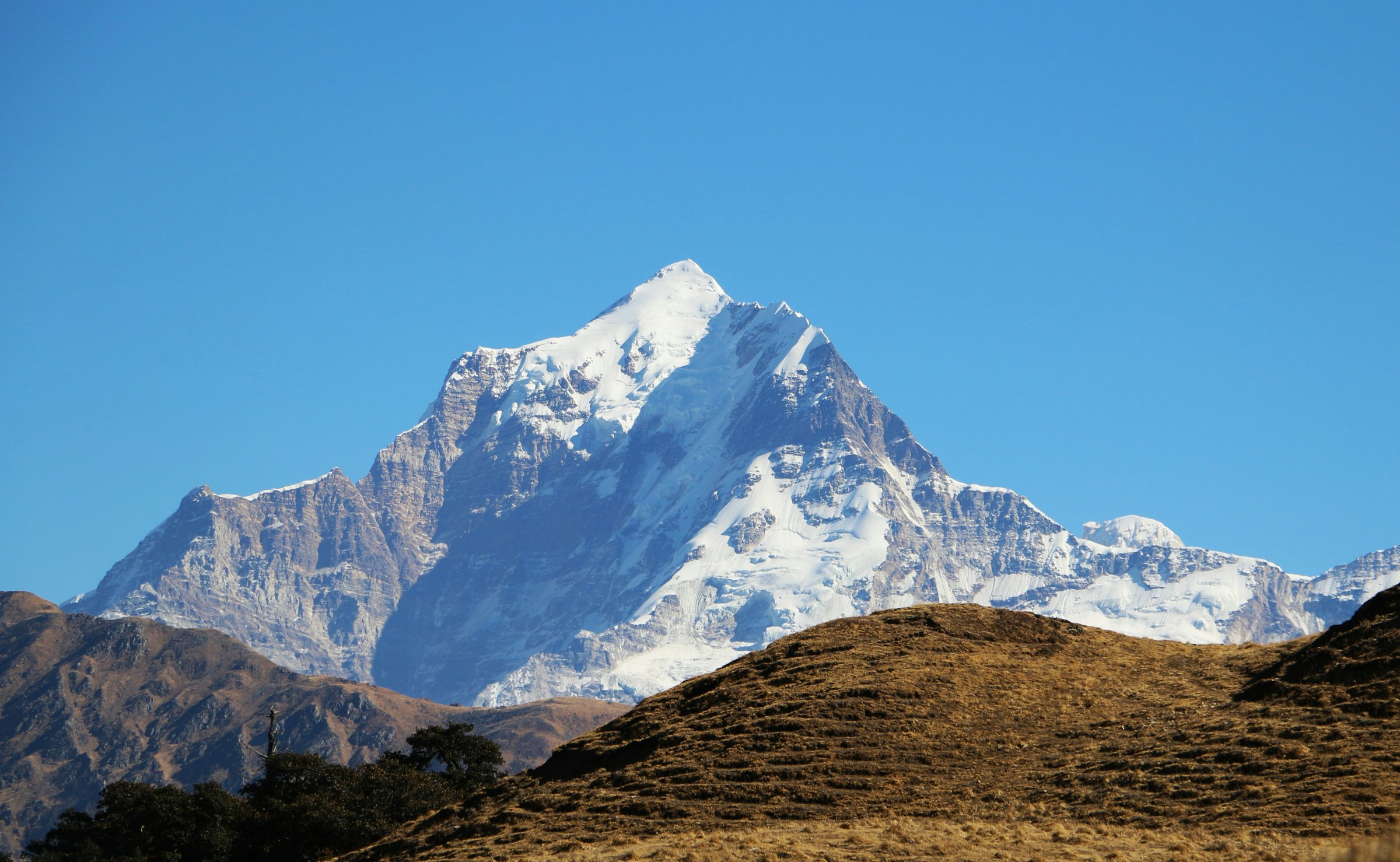
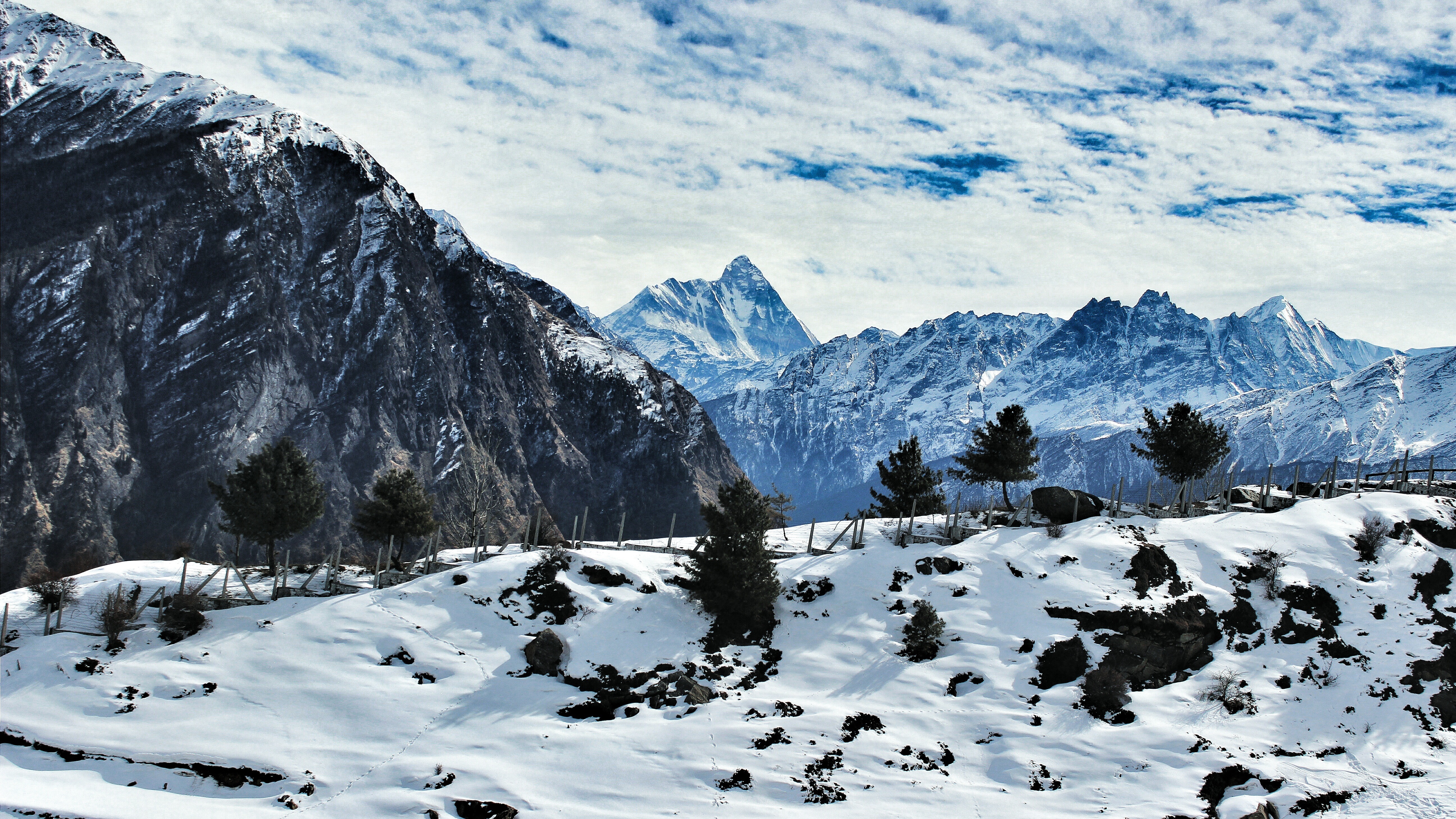
The drive toward Mana Pass is both breathtaking and challenging. Sharp bends, rocky tracks, steep cliffs, and unpredictable weather conditions make the route difficult, especially for inexperienced travelers. However, the harsh terrain is balanced by stunning views of snow-covered peaks, frozen streams, and remote Himalayan lakes.
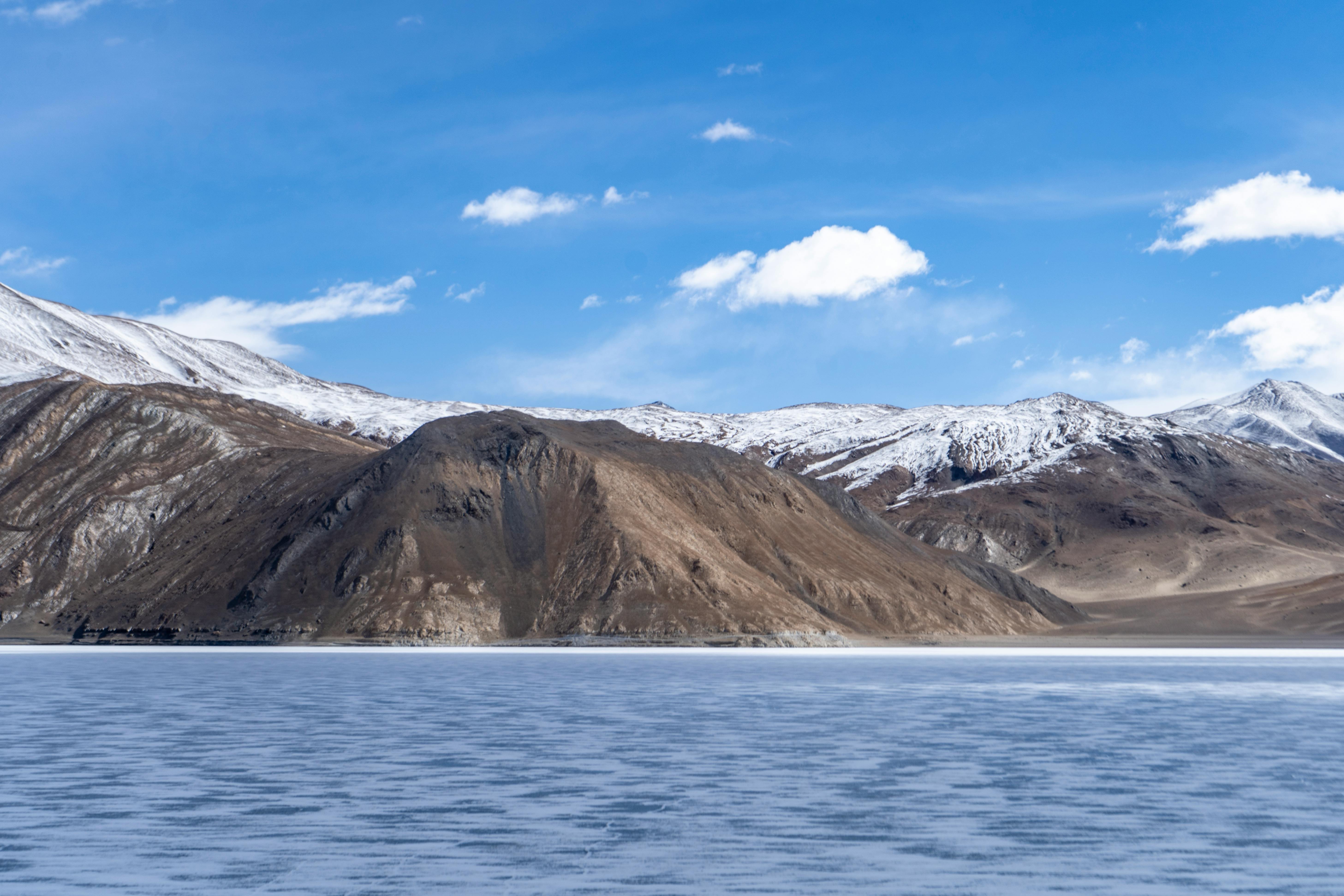
On the way to Deo Tal, travelers come across several high-altitude lakes such as Rajas Tal and Nag Tal. These lakes remain frozen for most of the year due to the extreme weather conditions. During summer, patches of blue water emerge between sheets of ice, creating an unforgettable landscape that feels almost unreal.
Natural Beauty and Himalayan Wilderness
One of the most striking aspects of Deo Tal is its untouched natural environment. Since the region is heavily restricted and difficult to access, mass tourism has never reached this area. The silence of the mountains, the crisp air, and the isolation create a raw Himalayan experience rarely found elsewhere.
The surroundings of Deo Tal are dominated by rocky mountains, glacial formations, and sparse vegetation typical of high-altitude Himalayan deserts. During the warmer months, small alpine flowers bloom briefly across the landscape, adding color to the otherwise rugged terrain. Wildlife sightings are rare but possible, including Himalayan birds and mountain species adapted to extreme climates.
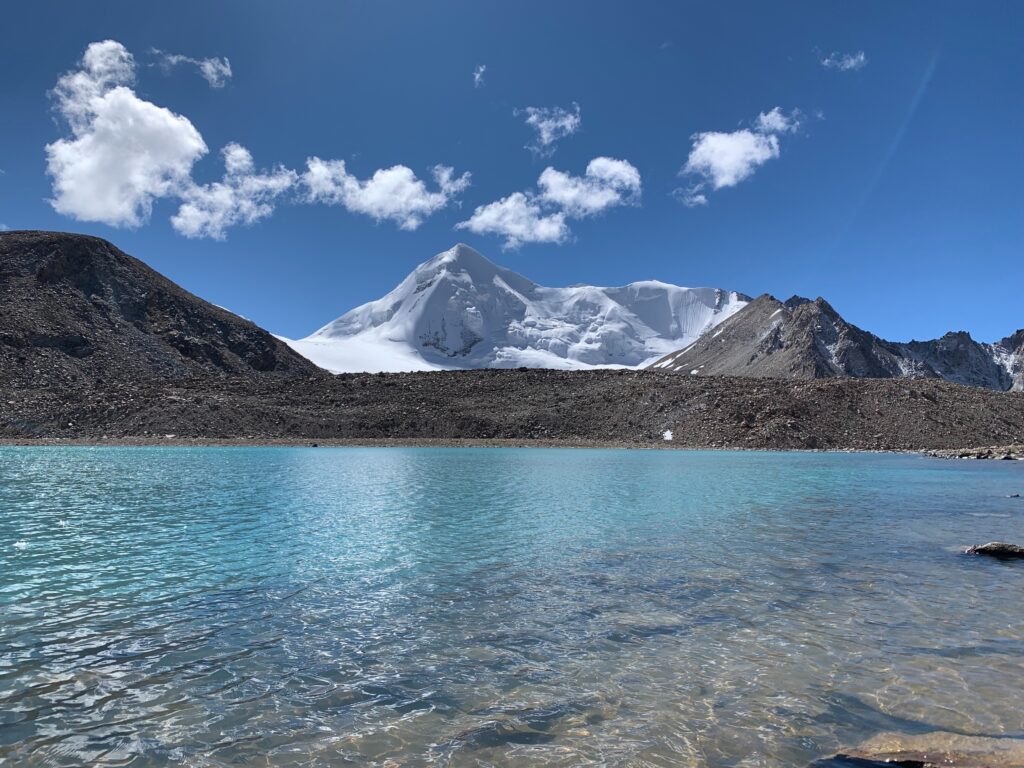
The lake itself changes appearance with the seasons. In winter and early spring, it remains completely frozen, while in summer, the ice melts partially and reveals crystal-clear water reflecting the surrounding peaks.
Spiritual and Mythological Importance
Deo Tal holds deep mythological importance in Hindu traditions because of its connection with the Saraswati River, one of the most sacred yet mysterious rivers mentioned in ancient scriptures. In Hindu mythology, Saraswati is associated with wisdom, knowledge, and learning. Many believe the river vanished underground centuries ago, making places connected to it spiritually powerful.
Mana village itself is filled with legends linked to the Mahabharata and ancient Hindu traditions. Nearby attractions such as Bhim Pul, Vyas Gufa, and Ganesh Gufa further strengthen the spiritual atmosphere of the region. For many travelers, visiting Deo Tal is not only an adventure journey but also a pilgrimage into a sacred Himalayan landscape.
How to Reach Deo Tal
Reaching Deo Tal is not easy, and that is precisely what keeps the destination remote and pristine. The journey requires preparation, permits, and patience.
Route Overview
The usual route begins from either Haridwar, Rishikesh, or Dehradun, from where travelers move toward Joshimath and then continue to Badrinath and Mana village. Mana is the last accessible village before the Indo-Tibetan border region.
After Mana village, the road conditions become rough and highly challenging. Only vehicles with high ground clearance, preferably SUVs or off-road-capable cars, are recommended. Landslides, loose stones, and narrow mountain roads are common along the route.
Permits Required
Since Deo Tal lies close to the India–China border, travelers need special permission to visit the area. This is one of the biggest challenges for visitors.
You generally require:
- An Inner Line Permit from the Sub-Divisional Magistrate (SDM)
- No-Objection Certificates (NOCs) from the Indian Army
- Clearance from the Indo-Tibetan Border Police (ITBP)
Without these permissions, travel beyond Mana village toward Mana Pass is restricted. Foreign nationals may face additional limitations due to security regulations.
Suggested Travel Plan
Most travelers first reach Joshimath and spend a night there to acclimatize to the altitude. The following day, they continue on National Highway 7 toward Badrinath and Mana village. From Mana onward, the terrain becomes more remote and physically demanding.
Because of the high altitude and isolated conditions, it is advisable to carry sufficient food, warm clothing, medicines, fuel, and emergency supplies.
Best Time to Visit Deo Tal
The ideal time to visit Deo Tal is between June and September when the snow begins to melt and roads become relatively accessible. Even during summer, temperatures remain cold, especially during mornings and nights.
During winter and early spring, the region experiences heavy snowfall, and access becomes nearly impossible. Weather conditions can change suddenly at high altitudes, so travelers should always remain prepared.
Things to Keep in Mind
Traveling to Deo Tal requires proper planning and physical preparedness. Here are a few important points travelers should remember:
- Carry valid identification and multiple photocopies for permit checks.
- Acclimatize properly to avoid altitude sickness.
- Travel with experienced local drivers or guides if possible.
- Keep extra fuel and emergency supplies because facilities are extremely limited.
- Mobile networks may not work in many sections of the route.
- Respect military regulations and avoid photography in restricted areas.
Google Maps
FAQs
Where is Deo Tal located?
Deo Tal is located near Mana Pass in the Chamoli district of Uttarakhand, close to the India–China border.
Why is Deo Tal famous?
Deo Tal is famous for its connection to the mythical Saraswati River and for its remote Himalayan beauty.
Is permission required to visit Deo Tal?
Yes, travelers need an Inner Line Permit along with clearances from the Indian Army and ITBP because the area lies in a sensitive border zone.
What is the best time to visit Deo Tal?
The best time to visit is from June to September when roads are relatively accessible and weather conditions are more favorable.
Can ordinary vehicles reach Deo Tal?
No, the route beyond Mana village is rough and difficult. Vehicles with good ground clearance are strongly recommended.
Is Deo Tal suitable for beginners?
The journey is challenging because of rough roads, high altitude, and permit restrictions. It is more suitable for experienced travelers and adventure enthusiasts.
What are the nearby attractions?
Nearby attractions include Mana village, Mana Pass, Bhim Pul, Vyas Gufa, Ganesh Gufa, and Badrinath.
Does the Saraswati River originate from Deo Tal?
According to local beliefs and mythology, Deo Tal is considered one of the origins of the Saraswati River.