Image Source: Bum Bum Indian
Overview
Budhi Chanderi, locally known as “Purani Chanderi” or “Old Chanderi,” represents the earliest inhabited nucleus of the Chanderi region, long before the rise of the hilltop fort, Sultanate monuments, and Mughal-era townscape that define Chanderi today.
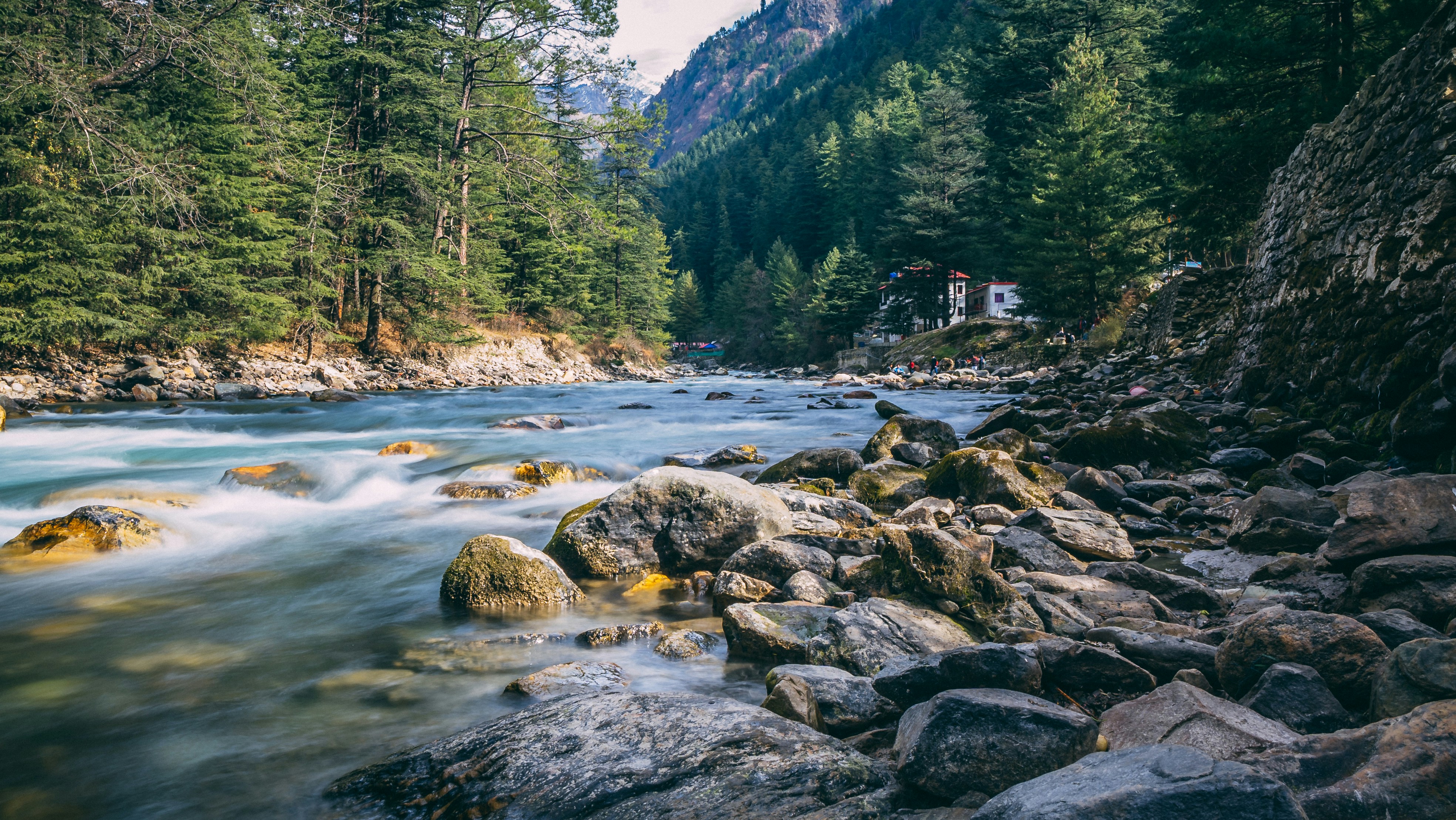
Once a thriving settlement, Budhi Chanderi is a captivating historical site that holds immense significance and rich heritage. It is located near Nidanpur, near Chanderi, Madhya Pradesh. The Bhudhi Chanderi site lies within dense forest, and one has to take a 12 km journey along state highway no. 19 followed by a 7 km off-road track to the west. The majestic Vindhyachal hills and the Urr River offer a picturesque landscape to Budhi Chanderi. It’s advisable to travel in groups.
Geography
Budhi Chanderi lies within the Vindhyan–Malwa transitional zone, where the last spurs of the Vindhya range descend toward the Betwa basin. The terrain here is gently undulating, marked by laterite-rich soil, exposed sandstone, and seasonal nalas that drain toward the Betwa. This location offered early settlers fertile patches for cultivation, forest access for timber and grazing, and proximity to water without the vulnerabilities of hilltop exposure. The site sits along what were once ancient overland routes connecting Ujjain, Vidisha, Narwar, and the Bundelkhand interior, making it a natural early capital before militarized fortification became essential.
Historical Origins and Early Settlement
Local tradition and historical scholarship suggest that Budhi Chanderi predates medieval Chanderi by several centuries, possibly flourishing during early historic or early medieval periods. It is believed to have been associated with the Pratihara, Chandela, or regional Rajput lineages, who established it as an administrative and residential center. Over time, changing military technologies, repeated invasions, and the need for stronger fortification led rulers to relocate the capital to the higher ridge where Chanderi Fort now stands, leaving Budhi Chanderi gradually abandoned.
Budhi Chanderi Site
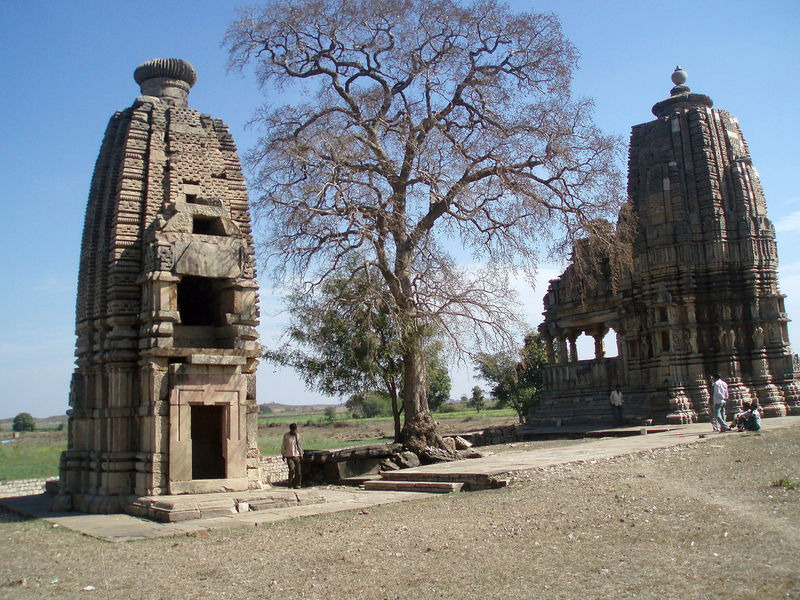
Budhi Chanderi Site is approximately a collection of 55 Jain temples, though most of them are in a state of decay. Constructed during the time period between the 9th and 11th centuries, this remarkable site was discovered in 1865 by Alexander Cunningham, who was the inaugural director of the Archaeological Survey of India. A German traveler named Claus Boone, who was an explorer, also explored this fascinating location.
Originally known as Chandrapuri, the Budhi Chanderi sits on the right bank of the Urr River and served as the capital of the Gurjara Prathiharas. The remaining ruined temple at the site shows remarkable similarities to the Badoh Pathari Jain temple. During the Bundela period, the structures underwent restoration featuring the Bundela architecture style.
A notable inscription dating back to the 16th century is found that names the place Nasirabad, named after Nasiruddin Khilji. Challenging the perception of complete abandonment, a small settlement may live under Muslim rule.
Budhi Chanderi as the Original Capital Settlement
Local historical memory and regional scholarship consistently identify Budhi Chanderi as the original capital of the Chanderi janapada, preceding the fortified city by several centuries. Early rulers—likely associated with Pratihara-period feudatories and later Parmara-linked Rajput clans—established their administrative and residential base here. The shift from Budhi Chanderi to the hilltop location of present Chanderi was gradual, driven by the need for defensive elevation during periods of repeated invasion and political instability rather than sudden abandonment.
Archaeology
During the excavation, the Archaeological Survey of India amassed over 2500 artifacts from Budh Chanderi and surrounding areas that are preserved in the Chanderi Museum. Exquisite idols of 24 Thirthankaras boast a separate sanctum and are found on the site. Each idol was crafted with a stone to represent the original character of each Tirthankara. This idol was installed in 1893. It showcases the artistic and scenic beauty of the breathtaking idols housing the temples from the 13th century.
Archaeological Value and Neglect
Despite its foundational importance, Budhi Chanderi remains largely undocumented in official heritage circuits. There are no formal pathways, protective fencing, or interpretation boards. Ironically, this neglect has preserved its archaeological integrity, preventing excessive restoration or tourism-driven alteration. For historians and landscape archaeologists, Budhi Chanderi offers a rare opportunity to study early urban transition in central India without modern interference.
Google Maps of Budhi Chanderi

By Car:
If you prefer to travel by car, you can follow State Highway No. 19 for approximately 12 kilometers. Afterward, take a turn towards the west, which will lead you to a 7-kilometer off-road track. It is advisable to travel in a group due to the remote location and dense forest surroundings.

By Train:
The nearest railway station to Budhi Chanderi is Chanderi Railway Station, which is well-connected to major cities and towns across India. Once you reach Chanderi Railway Station, you can hire a taxi or take a local bus to cover the remaining distance of 19 kilometers to Budhi Chanderi.

By Air:
If you prefer air travel, the nearest airport is Lal Bahadur Shastri Airport in Varanasi, Uttar Pradesh. From the airport, you can hire a taxi or take a bus to reach Chanderi, which is approximately 244 kilometers away from the airport. Once in Chanderi, you can proceed to Budhi Chanderi by hiring a taxi or taking local transportation.
Nearby Attractions
1. Chanderi Fort
A magnificent hilltop fort offering panoramic views of Chanderi town and showcasing centuries of Rajput, Sultanate, and Mughal history.
2. Koshak Mahal
A historic palace built during the Malwa Sultanate period, known for its impressive Afghan-style architecture and grand stone structure.
3. Badal Mahal Gate
One of the most iconic landmarks of Chanderi, featuring a beautifully designed gateway that reflects the town’s rich heritage.
4. Jama Masjid
A grand medieval mosque admired for its elegant architecture, spacious courtyard, and historical significance.
5. Parameshwar Tal
A serene water reservoir surrounded by temples and historical structures, ideal for a peaceful visit.
6. Raja Rani Mahal
An ancient palace complex associated with local legends and offering insights into Chanderi’s royal past.
7. Shehzadi Ka Rauza
A beautiful mausoleum known for its intricate stone carvings and historical importance.
8. Kati Ghati Gateway
A remarkable rock-cut gateway carved through a hill, considered one of the engineering marvels of medieval Chanderi.
9. Nanakpur Fort
A lesser-known heritage fort located near Chanderi, offering a glimpse into the region’s architectural and military history.
10. Chanderi Handloom Weaving Centre
A great place to witness the traditional weaving of the world-famous Chanderi sarees and interact with local artisans.
FAQS
- Q: What is Budhi Chanderi?
Budhi Chanderi is the ancient, abandoned settlement that predates the present-day town of Chanderi in Madhya Pradesh.
- Q: Where is Budhi Chanderi located?
It is located a short distance from modern Chanderi, within the same historical and geographical region.
- Q: Why was Budhi Chanderi abandoned?
It was likely abandoned due to changing political, military, and environmental conditions, leading rulers to relocate to a more defensible site.
- Q: Are there visible ruins at Budhi Chanderi?
Yes, remnants include foundations, walls, water tanks, and religious structures scattered across the site.
- Q: Is Budhi Chanderi protected as an archaeological site?
It has historical significance but remains relatively under-protected and minimally developed.