Image Source: Prajoth_ kkd
Introduction: The Unexpected Face of the Western Ghats
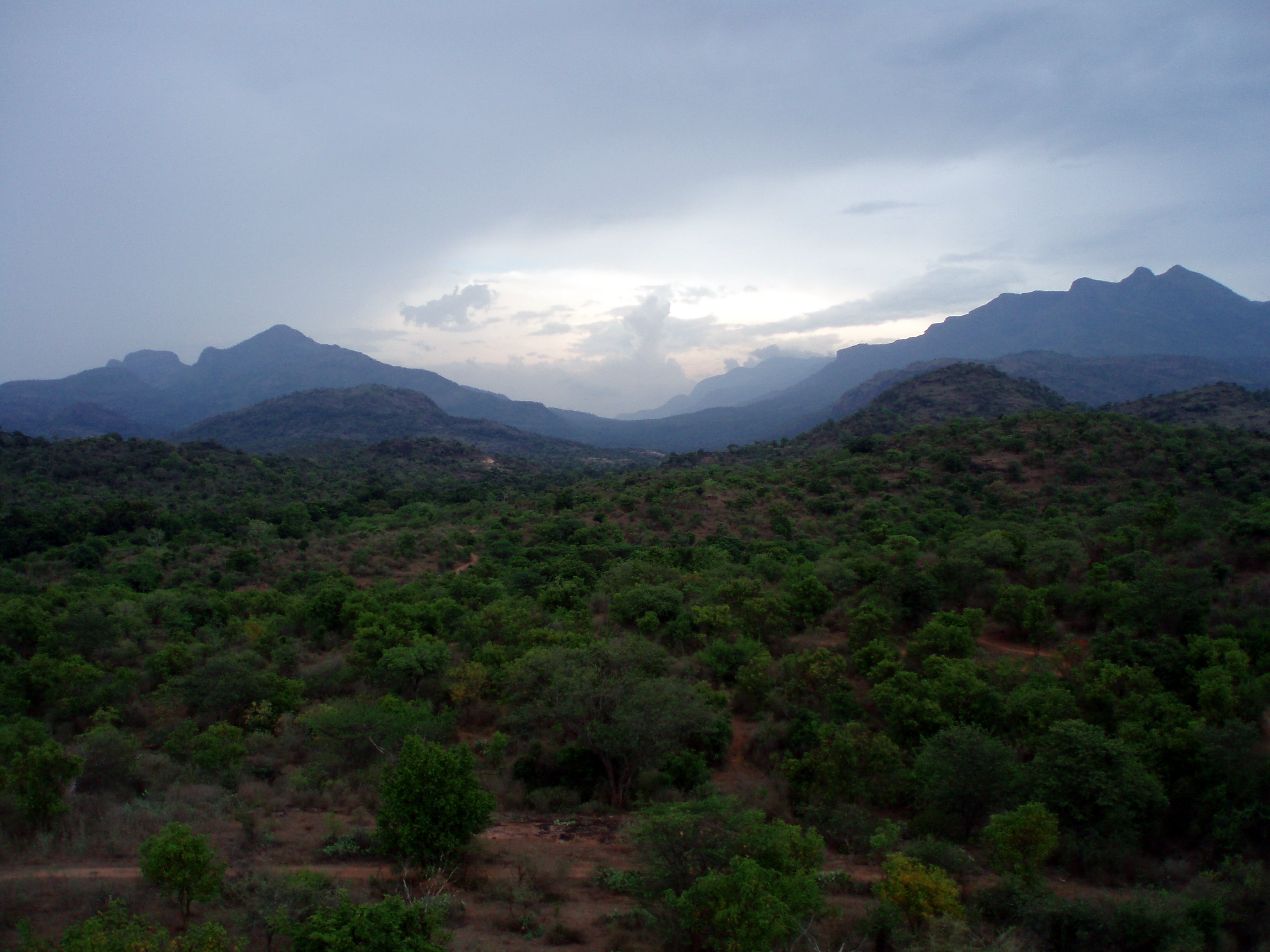
When one imagines the Western Ghats, dense rainforests and mist-covered hills often come to mind. Yet, Chinnar Wildlife Sanctuary presents a completely different narrative. Located on the eastern side of the Ghats, it lies in a rain-shadow region , resulting in a landscape that is dry, rugged, and starkly beautiful .
This sanctuary is one of the most unique ecosystems in South India, where thorny scrub forests meet riverine belts , and rare species like the Ratufa macroura quietly thrive.
Location: Gateway Between Kerala and Tamil Nadu
Chinnar Wildlife Sanctuary is situated in the Idukki district of Kerala, near the Tamil Nadu border, along the road connecting Munnar to Udumalpet . It forms part of a larger protected network that includes:
* Eravikulam National Park.
* Anamudi Shola National Park.
* Indira Gandhi Wildlife Sanctuary and National Park.
The sanctuary is defined by:
* Undulating hills and rocky outcrops
* Seasonal streams and perennial rivers like the Chinnar and Pambar.
* A dramatic shift from lush highlands to arid lowlands.
This transition zone makes it ecologically rich and visually striking.
Ecosystem Diversity: A Meeting of Extremes
Chinnar is remarkable for its diverse habitat types , rarely seen together in one protected area:
* Dry deciduous forests.
* Thorny scrublands.
* Riverine forests.
* Patches of evergreen vegetation.
The presence of riverine forests is particularly significant. These green corridors support tall trees and dense foliage, providing refuge for species that cannot survive in dry habitats alone.
Wildlife: A Sanctuary of Rare and Endemic Species
Chinnar is known not for the abundance of large predators, but for its rare and specialized fauna .
Grizzled Giant Squirrel
The sanctuary is one of the best places to spot the elusive Ratufa macroura, which prefers the riverine belts.
Mammals
* Elephants moving along migratory routes.
* Leopards, though rarely sighted.
* Spotted deer and sambar.
* Nilgiri langur.
* Hanuman langur.
Birdlife
Chinnar is a birdwatcher’s delight:
* Yellow-throated bulbul (a rare species).
* Indian star tortoise habitats nearby.
* Peafowl, eagles, and forest birds.
Reptiles and Unique Fauna
* Indian star tortoise, a threatened species.
* Mugger crocodiles in water bodies.
* Monitor lizards and snakes.
This diversity reflects the sanctuary’s role as a transition zone between ecosystems .
Flora: Life Along the Rivers
Vegetation in Chinnar is shaped by water availability:
* Dry slopes are covered with hardy shrubs and deciduous trees
* Riverbanks support lush growth of:
* Bamboo.
* Tamarind.
* Terminalia.
These riverine belts act as lifelines , sustaining both wildlife and ecological processes.
Tourism Experience: Raw and Untouched
Chinnar offers a less commercial, more intimate wildlife experience compared to popular parks.
Trekking and Nature Trails
* Guided treks through dry forests and riverine zones.
* Interpretation of ecology and wildlife behavior.
River-Based Exploration
Walking along riverbanks reveals:
* Animal tracks.
* Bird activity.
* Quiet forest interactions.
Eco-Tourism Activities
* Treehouse stays.
* Tribal heritage visits.
* Camping experiences.
Indigenous Communities: Guardians of the Forest
The sanctuary is home to indigenous communities like the Muthuvas , who have lived in harmony with the forest for generations.
Their lifestyle reflects:
* Deep ecological knowledge.
* Sustainable use of forest resources.
* Cultural traditions tied to nature.
Eco-tourism initiatives often include visits to these communities, offering insights into human-forest coexistence .
Best Time to Visit
* October to February : Pleasant climate, ideal for trekking.
* March to May : Dry but good for wildlife sightings.
* Monsoon months bring greenery but limit accessibility.
Early mornings and evenings are best for observing wildlife.
How to Reach
Chinnar lies along a scenic route:
* Nearest town : Munnar
* Road: Munnar to Udumalpet highway
* Nearest airport : Cochin International Airport
* Nearest railway station : Aluva
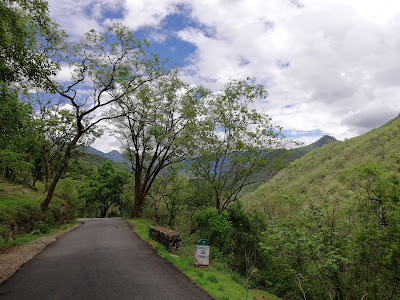
The drive itself is an experience, transitioning from lush tea estates of Munnar to dry forests of Chinnar.
Conservation Importance
Chinnar plays a crucial role in:
* Protecting endangered species like the grizzled giant squirrel.
* Conserving dry forest ecosystems, which are often overlooked.
* Maintaining wildlife corridors across state boundaries.
Challenges
* Human-wildlife conflict.
* Habitat degradation.
* Climate variability affecting water availability.
A Landscape of Contrast and Continuity
Chinnar stands out because of its contrasts:
* Dry land vs green river belts.
* Rugged hills vs fertile valleys.
* Silence vs sudden bursts of wildlife activity.
Its ecological link with areas like Eravikulam National Park ensures continuity of biodiversity across the Western Ghats.
Final Perspective: The Beauty of the Unconventional
Chinnar Wildlife Sanctuary is not a place that overwhelms you instantly. Instead, it unfolds slowly.
* In the movement of a squirrel across branches.
* In the quiet flow of a river through dry land.
* In the resilience of life in harsh conditions.
It challenges the idea that forests must be lush to be alive. Here, even in dryness, there is abundance—if you take the time to see it.