Image source: Dr.Arup Das
Introduction
Located in North Goa, Vagator Beach is one of the region’s most scenic and peaceful coastal destinations. Known for its relaxed atmosphere and stunning natural surroundings, the beach attracts travelers who prefer a quieter and more laid-back experience compared to Goa’s busier tourist spots. With its combination of scenic beauty, calm environment, and coastal charm, Vagator has become a favourite among both domestic and international visitors looking to unwind by the sea.
Natural Beauty and Landscape
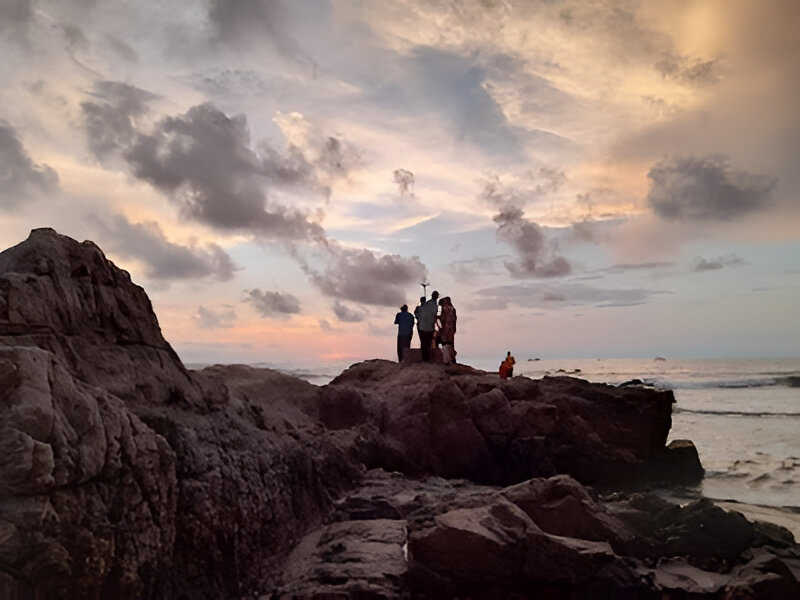
What truly sets Vagator Beach apart is its dramatic and eye-catching landscape. The beach is surrounded by striking red laterite cliffs that overlook the Arabian Sea, creating a unique contrast against the blue waters and golden sand. Tall palm trees sway along the shoreline, while black volcanic rocks add character to the coastal scenery. This blend of cliffs, rocky formations, and soft sandy stretches gives Vagator a raw and picturesque beauty that feels different from many other beaches in Goa. The beach is especially popular during sunset, when the sky fills with vibrant shades of orange and pink, offering breathtaking views and excellent photography opportunities.
Big Vagator and Little Vagator
Vagator Beach is divided into two distinct sections—Big Vagator, also known as North Vagator, and Little Vagator, often referred to as Ozran Beach. Big Vagator is the larger and more accessible section, featuring a broad sandy shoreline and open spaces that make it suitable for families and groups. Little Vagator, located further south, offers a more secluded and intimate setting surrounded by rocky cliffs and quieter corners. While both sections share the same natural beauty, each has its own personality, allowing visitors to choose between a lively open beach atmosphere or a more peaceful and hidden escape.
Atmosphere and Beach Experience
Unlike nearby beaches such as Anjuna and Baga, which are known for heavy crowds and energetic nightlife, Vagator offers a calmer and more relaxed ambiance. The beach attracts travelers who enjoy peaceful walks, laid-back café culture, and slow-paced seaside experiences. Visitors often spend their time relaxing under the sun, enjoying the sound of the waves, or sitting at beach shacks overlooking the sea. This tranquil setting makes Vagator particularly appealing to couples, solo travelers, and anyone seeking a quieter side of Goa without being too far from popular attractions and entertainment.
How to Reach Vagator Beach
Located in North Goa, Vagator Beach is approximately 22 km from Panaji (Panjim) and is well connected by air, rail, and road. The beach is famous for its dramatic red cliffs, scenic coastline, and proximity to the historic Chapora Fort.
By Air
The nearest airports are:
- Manohar International Airport (North Goa) – around 28–30 km away.
- Goa International Airport – approximately 40–46 km away.
From either airport, you can hire a taxi, use app-based cab services, or rent a scooter. The journey generally takes between 45 minutes and 1.5 hours depending on traffic.
By Train
The nearest railway stations are:
- Thivim Railway Station – about 17–19 km away.
- Pernem Railway Station – about 22 km away.
- Madgaon Junction – about 52–57 km away.
After reaching the station, taxis, auto-rickshaws, and local buses are available for the final leg of the journey. Thivim is the most convenient railway station for visitors heading to Vagator Beach.
By Road
Vagator Beach is easily accessible by road from major destinations in Goa:
- Panaji to Vagator: about 22 km (30–45 minutes)
- Mapusa to Vagator: about 9–10 km (15–20 minutes)
- Anjuna to Vagator: about 3 km
- Calangute to Vagator: about 10 km
Regular state-run and private buses operate from Panaji and Mapusa to Vagator. Taxis, self-drive cars, and rented scooters are also popular options among tourists.
By Bus
If you are traveling on a budget, take a bus to Mapusa Bus Stand. From there, frequent local buses connect Mapusa with Vagator and nearby beaches. This is one of the most economical ways to reach the beach.
Nearby Attractions and Local Culture
Beyond its shoreline, Vagator Beach also provides access to several nearby attractions and cultural experiences. One of the most popular landmarks close to the beach is Chapora Fort, which sits atop a hill and offers sweeping panoramic views of the coastline and surrounding villages. The area around Vagator is also home to charming cafés, seafood restaurants, and beachside eateries serving Goan and international cuisine. Local markets, music events, and artistic spaces further add to the beach’s vibrant yet relaxed personality, making it more than just a place to swim or sunbathe.
Why Visit Vagator Beach?
Vagator Beach offers a unique combination of natural beauty, peaceful surroundings, and cultural charm. Whether you want to enjoy scenic sunsets, relax in a quieter setting, explore nearby attractions, or simply experience Goa at a slower pace, Vagator provides an ideal coastal escape. Its relaxed atmosphere and stunning landscape continue to make it one of North Goa’s most loved and memorable beaches.
Maps and Location
View Larger Map
FAQs
What is Vagator Beach famous for?
Vagator Beach is famous for its red cliffs, scenic coastal views, peaceful atmosphere, and beautiful sunsets.
Is Vagator Beach less crowded than other Goa beaches?
Yes, Vagator is generally quieter and less crowded than popular beaches like Baga and Anjuna, making it ideal for a more relaxed experience.
What are the two sections of Vagator Beach?
The beach is divided into Big Vagator (North Vagator) and Little Vagator (Ozran Beach), each offering a slightly different beach experience.
Is Vagator Beach good for families and couples?
Yes, Vagator Beach is suitable for both families and couples due to its calm environment and scenic surroundings.
What is the best time to visit Vagator Beach?
The best time to visit is between November and February, when the weather is pleasant and ideal for beach activities and sightseeing.