About Kalesar National Park
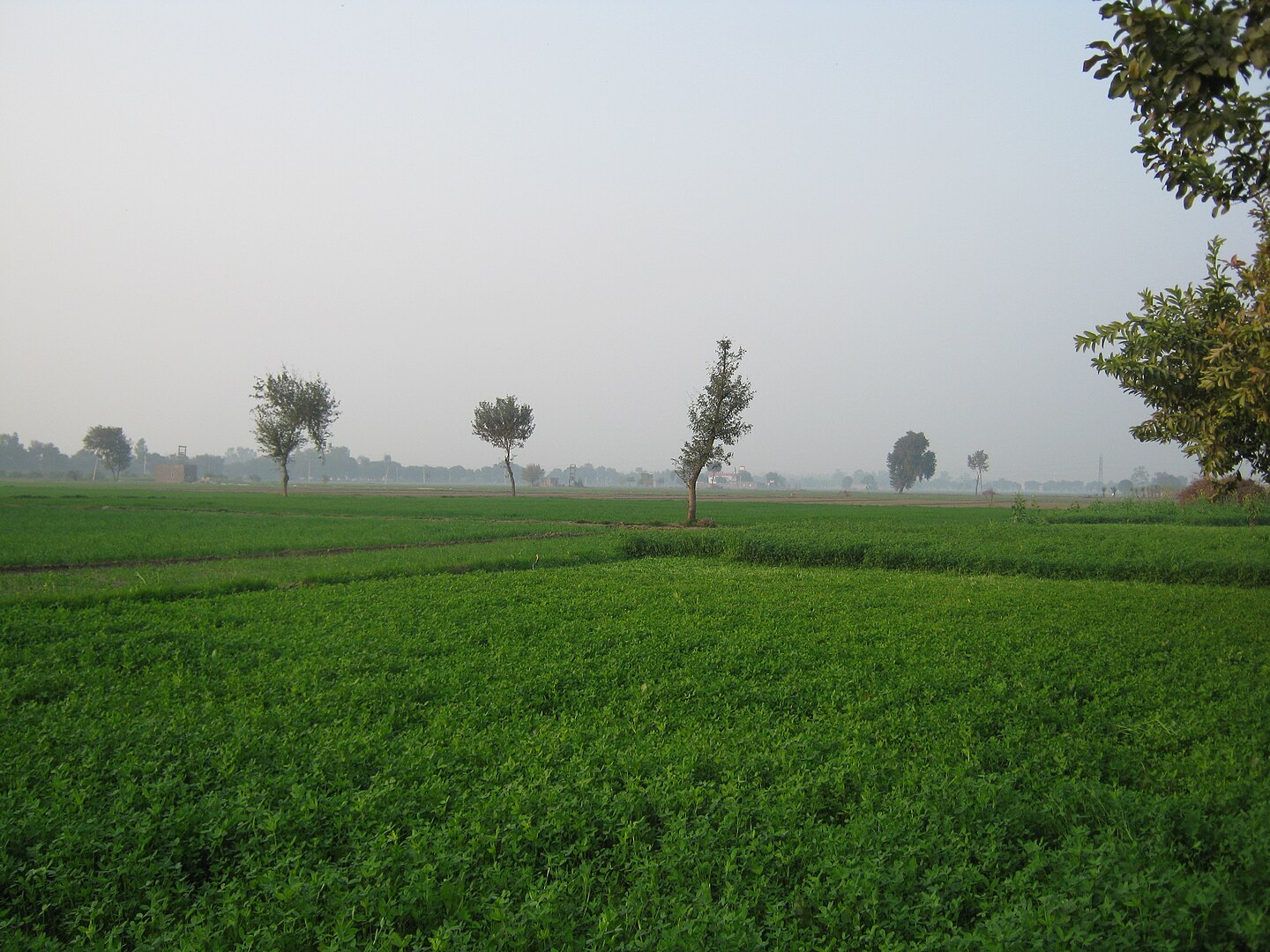
When people think of Haryana, vast stretches of fertile farmland often come to mind. Across the state, farmers cultivate wheat, rice, and other crops that contribute significantly to India’s food production. However, beyond its agricultural landscape, Haryana is also home to some remarkable natural treasures. One such gem is Kalesar National Park, a rich wildlife habitat nestled in the foothills of the Shivalik Range near the borders of Himachal Pradesh and Uttarakhand.
Spread across approximately 53 square kilometers, Kalesar National Park offers a refreshing escape into nature. Dense forests, diverse wildlife, scenic landscapes, and excellent birdwatching opportunities make it one of the most important protected areas in northern India. For wildlife enthusiasts, photographers, and nature lovers, Kalesar provides a peaceful alternative to the more crowded national parks of the region.
Location and Geography
Kalesar National Park is located in the Yamunanagar district of Haryana, close to the state’s northeastern boundary. The park lies along the Yamunanagar–Paonta Sahib Road and forms part of a larger ecological corridor connecting protected forests across three states.
Its strategic location makes it particularly important for wildlife conservation. The park shares ecological boundaries with Rajaji National Park in Uttarakhand and Simbalbara National Park in Himachal Pradesh. The Yamuna River flows nearby, creating a diverse landscape of forests, grasslands, and riverine habitats. Together, these connected forests serve as an important migration route for elephants and other wild animals moving through the Shivalik hills.
Origin of the Name
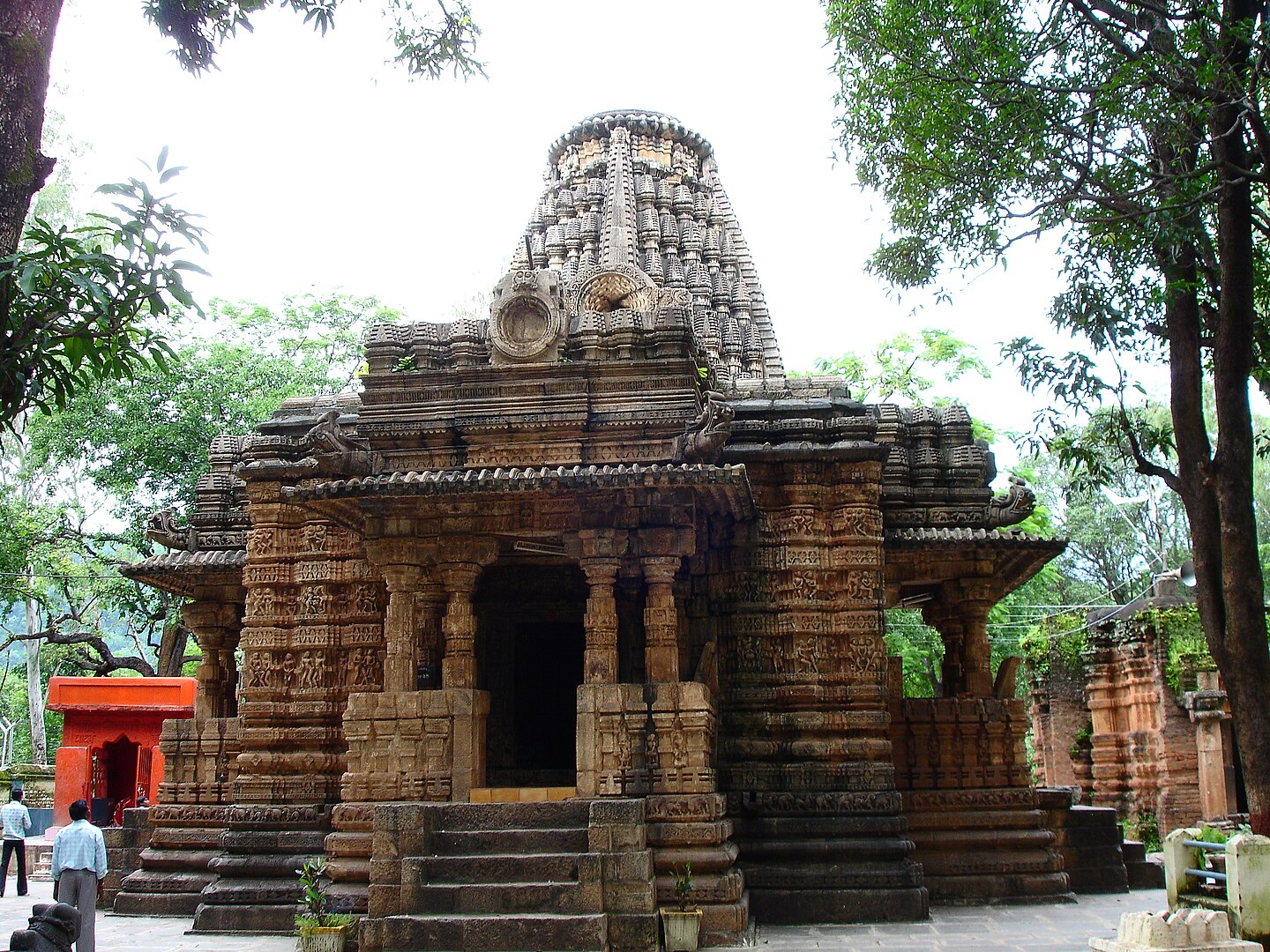
The park derives its name from the ancient Kalesar Mahadev Temple located within the forest area along the Jagadhri–Paonta Sahib route. According to local traditions, the temple is associated with a saint named Kalesar, who devoted his life to the worship of Lord Shiva. Over time, both the temple and the surrounding forest came to be known as Kalesar.
Even today, the temple attracts devotees and travelers who often combine a religious visit with a trip to the national park.
Flora of Kalesar National Park
Kalesar National Park is covered by a rich variety of vegetation that supports a healthy ecosystem. Dense forests account for more than half of the park’s area, while the remaining landscape consists of open forests and scrublands.
The dominant tree species is Sal, which forms extensive forest belts throughout the region. These towering trees create a dense canopy and provide habitat for numerous birds, insects, and mammals. Other commonly found tree species include Shisham, Khair, Bahera, and several medicinal plants native to the Shivalik ecosystem.
During the monsoon season, the forest becomes particularly lush and vibrant, transforming the landscape into a green paradise.
Wildlife and Birdlife
Kalesar National Park is one of Haryana’s most important wildlife habitats. The park supports a wide range of mammals, reptiles, and birds, making it a rewarding destination for wildlife observation.
Forest Department surveys have recorded the presence of leopards, Asian elephants, jackals, nilgai, porcupines, wild boars, barking deer, sambar, and several smaller mammals. The park’s connection with neighboring protected forests allows large animals, especially elephants, to move safely across state boundaries.
Birdwatchers can also enjoy excellent sightings throughout the year. Species such as the Red Junglefowl, peafowl, parakeets, woodpeckers, hornbills, owls, and numerous migratory birds have been recorded in the area. The adjoining Kalesar Bird Sanctuary further enhances the region’s reputation as a birdwatching destination.
Safari Experience
One of the best ways to explore the park is through its guided safari routes. Visitors can travel through designated forest tracks that pass through dense woodland and wildlife-rich zones.
The park currently offers three main safari routes:
- Route 1: Approximately 7 km.
- Route 2: Approximately 6 km.
- Route 3: Approximately 6 km.
Private vehicles are generally not permitted for wildlife safaris. Visitors must use vehicles approved and registered by the Forest Department. Experienced guides accompany many safari trips, helping visitors identify wildlife and understand the park’s ecosystem.
Early morning and late afternoon safaris provide the highest chances of spotting animals and birds.
Conservation Efforts
Although Kalesar National Park was officially declared a national park in 2003, conservation efforts in the region began much earlier. The park plays a crucial role in preserving the biodiversity of the Shivalik landscape and protecting wildlife corridors used by elephants and other species.
One of the major conservation initiatives within the park is the Ch. Surinder Singh Elephant Rehabilitation Centre, which focuses on elephant welfare and conservation. To strengthen wildlife monitoring, camera traps have been installed across multiple locations in the park. These cameras help researchers track the movement of leopards, elephants, and other animals while providing valuable data for conservation planning.
The Haryana Forest Department continues to work towards habitat protection, anti-poaching measures, and ecological restoration within the park.
Best Time to Visit
The ideal time to visit Kalesar National Park is between October and March when the weather remains pleasant and wildlife sightings are relatively frequent.
The monsoon season brings lush greenery and beautiful landscapes, although some forest tracks may become difficult to access during heavy rainfall.
Kalesar National Park Timings
Summer Timings
- Morning: 6:00 AM to 10:00 AM
- Evening: 4:00 PM to 7:00 PM
Winter Timings
- Morning: 7:00 AM to 11:00 AM
- Evening: 3:30 PM to 6:00 PM
Visitors are advised to arrive early for safari bookings and entry formalities.
How to Reach Kalesar National Park
By Road
Kalesar National Park is well connected by road. It is located about 30 km from Yamunanagar and around 15 km from Paonta Sahib. Regular buses and taxis operate from Yamunanagar, Jagadhri, Chandigarh, and Dehradun. The Yamunanagar–Paonta Sahib highway passes directly through the region, making road travel the most convenient option.
By Rail
The nearest railway stations are Yamunanagar-Jagadhri Railway Station and Barara Railway Station. Yamunanagar is well connected with major cities such as Delhi, Chandigarh, Ambala, and Lucknow. From the station, visitors can hire taxis or local transport to reach the park.
By Air
The nearest airport is Chandigarh Airport, located approximately 120 km away. Another convenient option is Jolly Grant Airport in Dehradun, about 95 km from the park. Taxis are readily available from both airports.
Nearby Attractions
Kalesar Mahadev Temple
Located inside the forest area, this ancient Shiva temple is one of the most visited spiritual sites in the region and gives the park its name.
Paonta Sahib
Around 15 km from Kalesar, this important Sikh pilgrimage destination is famous for Gurudwara Paonta Sahib, associated with Guru Gobind Singh Ji.
Hathni Kund Barrage
Built on the Yamuna River, Hathni Kund Barrage is known for its scenic surroundings and serves as the source point of the Western and Eastern Yamuna Canals.
Adi Badri
Located in the foothills of the Shivaliks, Adi Badri is an important archaeological and religious site believed to be connected with the ancient Saraswati River.
Simbalbara National Park
Situated across the Himachal Pradesh border, this wildlife sanctuary offers additional opportunities for nature walks, birdwatching, and wildlife observation.
Maps
FAQs
Is Kalesar National Park worth visiting?
Yes. It is one of the best wildlife destinations in Haryana, offering dense forests, birdwatching opportunities, safari experiences, and peaceful natural surroundings.
Which animals can be seen in Kalesar National Park?
Visitors may spot leopards, elephants, jackals, nilgai, sambar deer, barking deer, wild boars, porcupines, and a variety of bird species.
What is the best time to visit Kalesar National Park?
October to March is considered the best period due to pleasant weather and improved wildlife viewing opportunities.
Are safaris available inside the park?
Yes. Guided safaris operate on designated routes through approved vehicles managed by the Forest Department.
How far is Kalesar National Park from Chandigarh?
The park is approximately 120 km from Chandigarh and can be reached by road in about three to four hours.
Can birdwatchers visit Kalesar?
Absolutely. The park and the adjoining Kalesar Bird Sanctuary are excellent destinations for birdwatching, especially during the winter migration season.