Image Source: Liza
About Brijeshwari Devi Temple
Brijeshwari Devi Temple, also known as the Kangra Devi Temple, is one of the most revered pilgrimage sites in Kangra, Himachal Pradesh. Dedicated to a powerful form of Durga, the temple draws devotees from across India who come seeking blessings, protection, and spiritual healing.
Counted among the sacred 51 Shakti Peethas in Hindu tradition, this temple holds immense religious importance and is deeply woven into the spiritual fabric of the region.
Geographical Setting
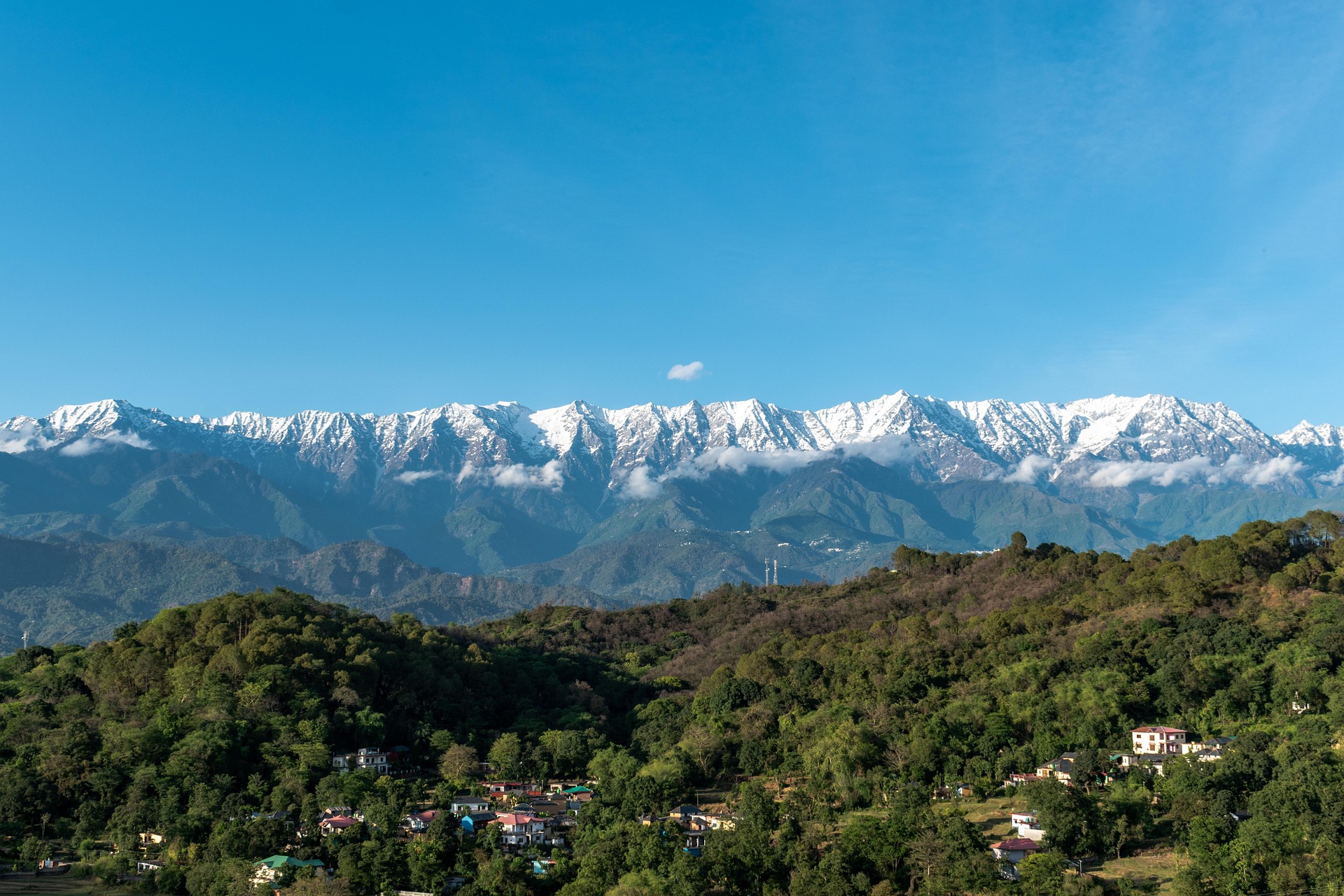
Set against the backdrop of the majestic Dhauladhar Range, the temple sits at an altitude of about 650 meters in the scenic Kangra Valley. The surrounding landscape—rolling hills, fresh mountain air, and a moderate climate—adds to the peaceful and meditative atmosphere.
It’s not just a place of worship; it’s also a serene getaway where spirituality meets natural beauty.
Mythological Significance
According to Hindu mythology, the temple marks the spot where a part of Goddess Sati’s body—her left breast—fell when Lord Shiva carried her across the universe in grief. This makes it one of the sacred Shakti Peethas, where the divine feminine energy is believed to be especially powerful.
Here, the goddess is worshipped as Vajreshwari (or Brijeshwari), a form of the divine mother who symbolizes strength, nourishment, and protection. Devotees believe that praying here can help overcome fear, illness, and negative energies.
Architecture & Temple Layout
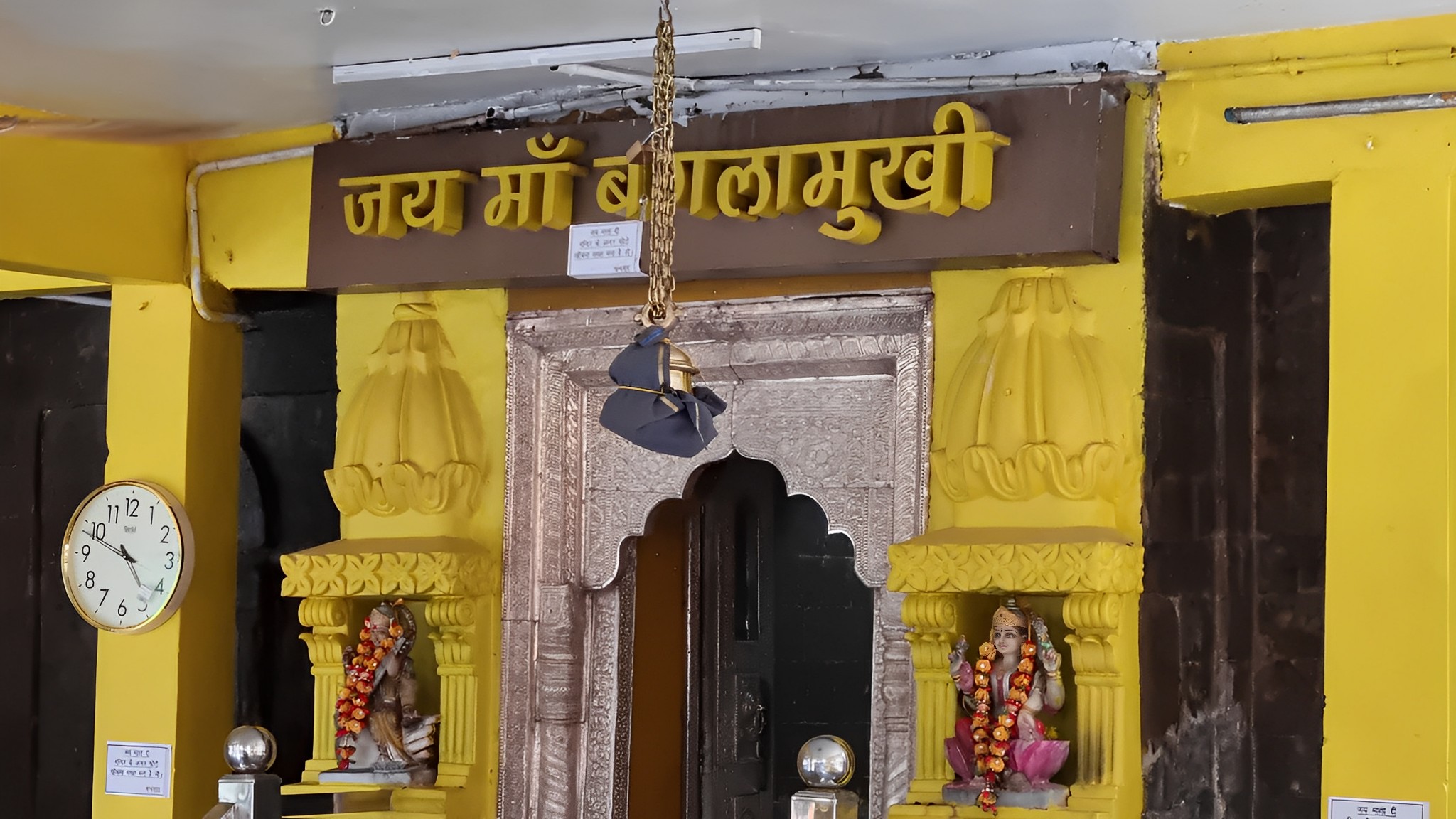
The temple is built in the traditional North Indian Nagara style, characterized by its beehive-shaped towers (shikharas). The structure features beautifully carved stone pillars, arched entrances, and an impressive silver-plated main door.
Inside the sanctum, the deity is represented by a sacred pindi (stone form), adorned with flowers, cloth, and ornaments. The temple complex also includes smaller shrines dedicated to deities like Bhairav and Lakshmi-Narayan.
Interestingly, the temple is also regarded by some Tantric practitioners as a powerful spiritual energy center, sometimes referred to as “Gupt Kamakhya.”
Historical Background
The history of the temple is as dramatic as it is inspiring. In the 11th century, it was looted by Mahmud of Ghazni due to its immense wealth. Over the centuries, it was rebuilt multiple times.
During the reign of Maharaja Ranjit Singh, the temple was further enhanced, including the addition of a golden dome. Later, the Katoch dynasty, especially King Sansar Chand, played a key role in restoring the temple in the 19th century.
The temple suffered severe damage during the 1905 Kangra earthquake but was rebuilt once again—standing today as a symbol of resilience and unwavering faith.
Festivals & Rituals
One of the most unique traditions associated with the temple takes place during Makar Sankranti. During this time, the idol is ceremonially covered with butter for several days.
This ritual is linked to a legend that the goddess was once injured in battle, and butter was applied as a healing balm. The festival attracts large numbers of devotees and adds a vibrant spiritual energy to the temple.
How to Reach
By Road
The temple is well connected by road and can be easily reached from nearby towns:
- Dharamshala – about 20 km.
- Pathankot – about 85 km.
- Chandigarh – about 240 km.
By Train
- Nearest major station: Pathankot Junction.
- You can also take a scenic narrow-gauge train to Kangra Mandir Railway Station.
By Air
- Nearest airport: Gaggal Airport (about 11 km away).
- Connected to cities like Delhi, Chandigarh, and Amritsar.
Best Time to Visit
The temple can be visited throughout the year, but the period from October to March offers pleasant weather. Visiting during Makar Sankranti is especially rewarding if you want to experience the temple’s unique rituals and festive atmosphere.
Nearby Attractions
Located in Kangra town, the sacred Shaktipeeth Shri Bajreshwari Devi Temple, Kangra is surrounded by several historical, spiritual, and natural attractions that can easily be explored during the same trip. The temple itself is one of the most revered Shakti Peethas in India and lies in the heart of the scenic Kangra Valley.
1. Kangra Fort
Situated just a few kilometers from the temple, Kangra Fort is one of the oldest and largest forts in the Himalayas. Built by the Katoch dynasty, the fort offers magnificent views of the Kangra Valley and houses ancient temples, gateways, and historical structures. It is a must-visit for history enthusiasts and photographers.
2. Masroor Rock-Cut Temples
Located about 35–40 km from Kangra, these monolithic rock-cut temples are often referred to as the “Ellora of the Himalayas.” Carved from a single sandstone rock, the temple complex is renowned for its remarkable architecture and stunning backdrop of the Dhauladhar Range.
3. Chamunda Devi Temple
One of the most important pilgrimage sites in Himachal Pradesh, Chamunda Devi Temple is dedicated to Goddess Chamunda, a fierce form of Durga. Surrounded by forests and the Baner River, it offers a peaceful spiritual atmosphere.
4. Jwala Ji Temple
Famous for its eternal natural flames that burn without any visible fuel source, Jwala Ji Temple is another revered Shakti Peeth located within driving distance of Kangra. The temple attracts devotees from across the country throughout the year.
5. Dharamshala
Around 20 km from Kangra, Dharamshala is known for its Tibetan culture, monasteries, mountain scenery, and spiritual atmosphere. It serves as the residence of the Dalai Lama and is among the most popular destinations in Himachal Pradesh.
6. McLeod Ganj
Often called “Little Lhasa,” McLeod Ganj offers Tibetan monasteries, cafes, local markets, and spectacular views of the Dhauladhar mountains. It is an ideal destination for travelers seeking culture, spirituality, and nature.
7. Norbulingka Institute
Dedicated to preserving Tibetan art and culture, Norbulingka Institute showcases traditional crafts, beautiful gardens, temples, and workshops where visitors can observe artisans at work.
8. Bir Billing
Known internationally as one of the best paragliding destinations in the world, Bir Billing also offers monasteries, scenic landscapes, and trekking opportunities.
9. Palampur
Popularly known as the Tea Capital of North India, Palampur is famous for its lush tea gardens, pleasant climate, and panoramic views of the Dhauladhar mountains.
10. Dhauladhar Wildlife Sanctuary
Nature lovers can explore this sanctuary, which is home to Himalayan wildlife, dense forests, and scenic trekking routes through the lower Himalayas.
Maps
FAQs
1. Why is Brijeshwari Devi Temple famous?
It is one of the 51 Shakti Peethas and is dedicated to a powerful form of Goddess Durga.
2. Where is the temple located?
It is located in Kangra town in Himachal Pradesh.
3. What is the significance of the butter ritual?
During Makar Sankranti, the idol is covered with butter, symbolizing healing after a mythological battle.
4. Who destroyed the temple in history?
It was plundered by Mahmud of Ghazni in the 11th century.
5. How far is the temple from Dharamshala?
It is about 20 km from Dharamshala.
6. Is it suitable for tourists as well as pilgrims?
Yes, the temple offers both spiritual significance and scenic beauty, making it ideal for all kinds of visitors.