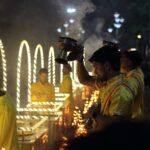
Image Source: Hasmukh Amipara
About Chamunda Devi Temple
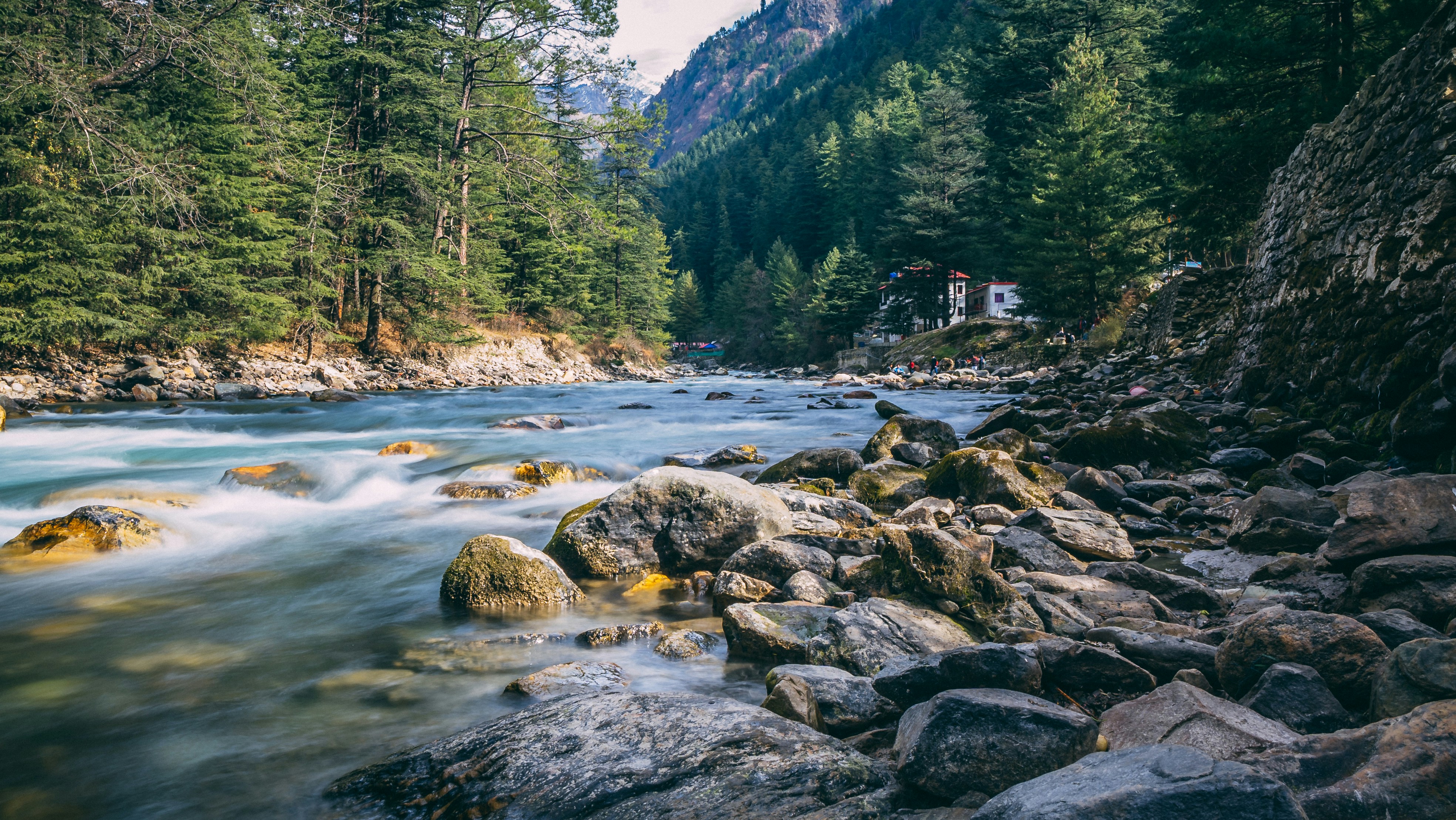
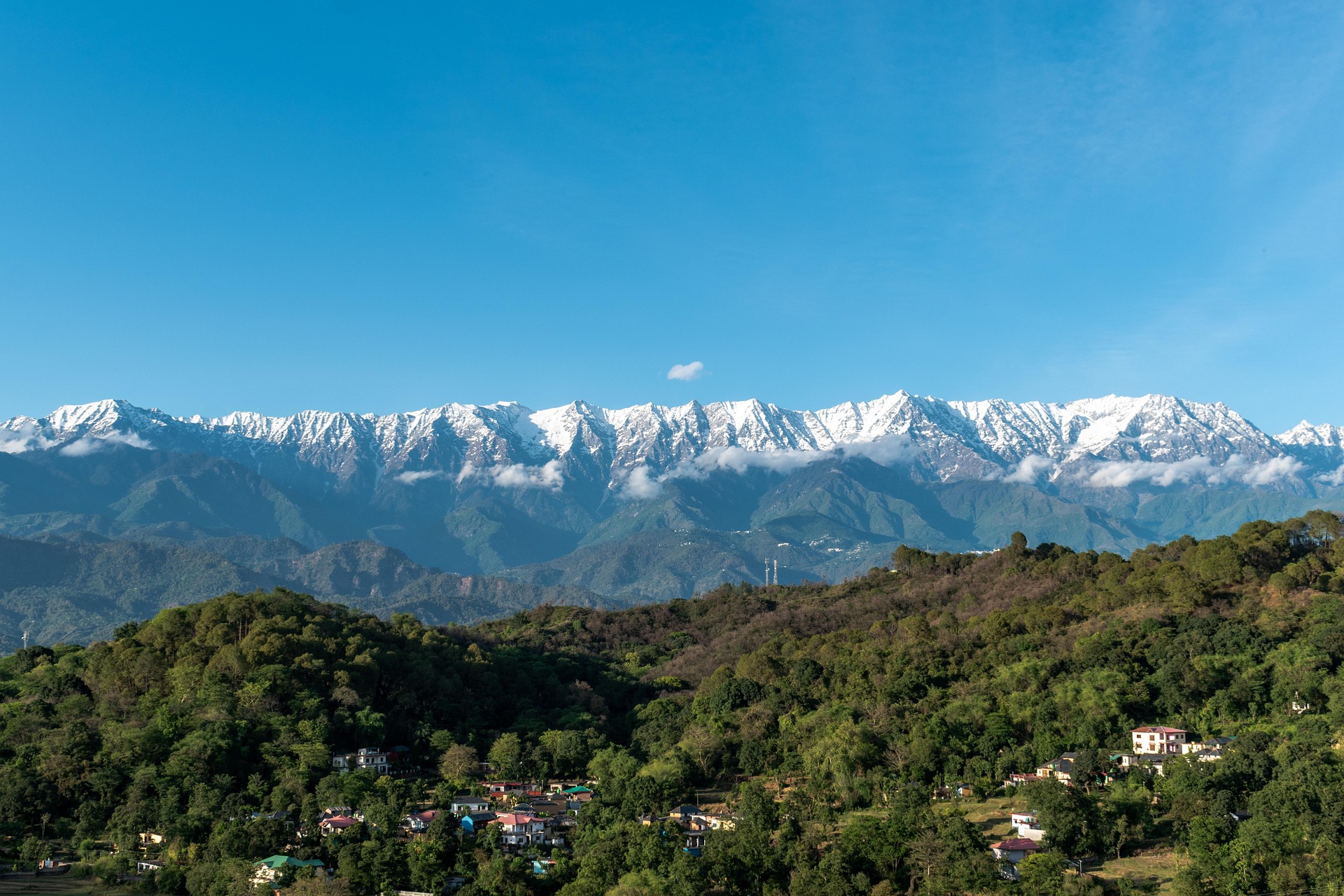
Nestled in the scenic hills of Himachal Pradesh, Chamunda Devi Temple, also known as Chamunda Nandikeshwar Dham, is one of the most revered Hindu pilgrimage sites in North India. Located around 15 kilometers from Dharamshala in the Kangra district, the temple attracts thousands of devotees and travelers throughout the year. Surrounded by the majestic Dhauladhar mountain range, dense forests, and the flowing Ban Ganga River, the temple offers not only spiritual peace but also breathtaking natural beauty.
The temple is dedicated to Goddess Chamunda, a fierce and powerful manifestation of Goddess Durga. It is regarded as one of the sacred Shakti Peethas, where, according to Hindu belief, a part of Goddess Sati’s body—her hair—fell after Lord Shiva carried her lifeless body across the universe. Because of this belief, the shrine holds immense religious importance among devotees of Shakti worship.
Mythology and Spiritual Significance
The story of Chamunda Devi is deeply rooted in Hindu mythology and ancient scriptures such as the Devi Mahatmya. According to legend, during a fierce battle between the gods and demons, Goddess Durga created a terrifying form of herself to defeat two powerful demon commanders named Chanda and Munda. This fierce manifestation came to be known as Chamunda.
Chamunda Devi symbolizes both destruction and protection. While she is depicted as a wrathful goddess who destroys evil, devotees also worship her as a compassionate mother who protects her followers from fear, negativity, and suffering. The temple is therefore considered a place where devotees seek courage, strength, and divine blessings.
Another important aspect of the temple is its connection to Lord Shiva. The site is believed to be the abode of Lord Shiva in his form as Nandikeshwar. Because of this, the temple is considered a sacred Shaiva-Shakta pilgrimage destination, where both Shiva and Shakti are worshipped together.
History
References to Chamunda Devi can be found in ancient Hindu traditions and local legends that date back centuries. The present temple structure, however, was built in the 17th century. According to popular belief, a local king and a Brahmin priest received divine instructions in a dream from the goddess herself. She directed them to a particular location where her sacred pindi—a natural stone representation of the goddess—was buried underground.
Following the divine vision, the sacred stone was discovered, and the temple was constructed at the same spot. Since then, the temple has become one of the most important centers of devotion in Himachal Pradesh.
Architecture and Surroundings
The temple beautifully reflects traditional Himachali temple architecture. Built using wood and stone, the structure blends harmoniously with the surrounding Himalayan landscape. Unlike massive palace-style temples found elsewhere in India, Chamunda Devi Temple has a simple yet spiritually powerful atmosphere that feels deeply connected to nature.
The temple complex overlooks the Ban Ganga River, and pilgrims often take a holy dip in its waters before entering the shrine, as it is considered highly auspicious. The backdrop of snow-covered Dhauladhar peaks adds to the temple’s divine charm, especially during sunrise and sunset.
Inside the complex, the main sanctum houses the sacred pindi of Goddess Chamunda. The temple also includes spacious courtyards, prayer halls, a yajna shala for fire rituals, and resting spaces for pilgrims. Intricate carvings, colorful murals, and mythological paintings depicting scenes from Hindu epics adorn the walls of the temple.
Behind the temple lies a sacred pond or kund, which many devotees believe possesses healing and purifying properties. Daily yajnas and aartis are performed here for peace, prosperity, and the welfare of humanity, creating a spiritually uplifting atmosphere throughout the day.
Festivals and Celebrations
The temple becomes especially vibrant during the festival of Navratri, when thousands of devotees from across India visit to seek the blessings of the goddess. During this period, the temple is decorated with flowers and lights, devotional songs echo through the hills, and special prayers and rituals are organized.
Apart from Navratri, festivals like Durga Ashtami and other important Hindu occasions are celebrated here with great devotion and enthusiasm.
How to Reach
Location
Chamunda village, near Palampur and Dharamshala, Kangra District, Himachal Pradesh, India.
By Road
The temple is well-connected by road to major towns in Himachal Pradesh.
- From Dharamshala – approximately 15 km
- From Palampur – approximately 25 km
- From Kangra – approximately 24 km
Regular buses, taxis, and auto-rickshaws are easily available from nearby towns.
By Train
The nearest railway station is Chamunda Marg Railway Station on the narrow-gauge railway line. The nearest major railhead is Pathankot Junction, located around 90 km away.
By Air
The nearest airport is Kangra Airport, situated approximately 28 km from the temple.
Interesting Facts About Chamunda Devi Temple
- The temple is considered one of the holiest Shakti Peethas in India.
- Devotees believe the Ban Ganga River has spiritually purifying powers.
- The temple uniquely combines both Shakti and Shiva worship traditions.
- The sacred kund behind the temple is believed to possess healing properties.
- Daily yajnas are conducted for world peace and the well-being of humanity.
- The surrounding Himalayan scenery makes the temple both a spiritual and natural retreat.
- Unlike many ancient temples, Chamunda Devi Temple maintains a peaceful and rustic charm instead of grand royal architecture.
Maps
FAQs
1. Why is Chamunda Devi Temple famous?
Chamunda Devi Temple is famous for being one of the sacred Shakti Peethas and for its association with Goddess Chamunda, a fierce form of Goddess Durga. It is also known for its spiritual atmosphere and scenic Himalayan surroundings.
2. Where is Chamunda Devi Temple located?
The temple is located in the Kangra district of Himachal Pradesh, around 15 km from Dharamshala and near Palampur.
3. What is the significance of the Ban Ganga River?
Devotees believe that taking a holy dip in the Ban Ganga River before visiting the temple purifies the soul and brings blessings.
4. Which is the best time to visit Chamunda Devi Temple?
The best time to visit is between March and June or during the Navratri festivals when the temple celebrations are at their peak.
5. Is photography allowed inside the temple?
Photography is usually allowed in the outer complex, but restrictions may apply inside the main sanctum. Visitors should follow temple guidelines.
6. How far is the temple from Dharamshala?
Chamunda Devi Temple is approximately 15 kilometers from Dharamshala and can be reached in about 30 minutes by road.
7. Are accommodation facilities available near the temple?
Yes, several guesthouses, dharamshalas, and hotels are available near the temple for pilgrims and tourists.
8. What are the temple timings?
The temple generally opens early in the morning and remains open until evening, though timings may vary during festivals and special occasions