Image Source: Ritesh Grospa
About Nichar Valley
Nestled in the lower reaches of Kinnaur district in Himachal Pradesh, Nichar Valley is a beautiful and relatively unexplored destination that offers visitors a perfect blend of natural beauty, rich culture, and spiritual heritage. Located on the left bank of the mighty Satluj River at an elevation of around 2,150 meters above sea level, the valley lies between the Wangtu and Taranda regions and is easily accessible via National Highway 5, formerly known as the historic Hindustan-Tibet Road.
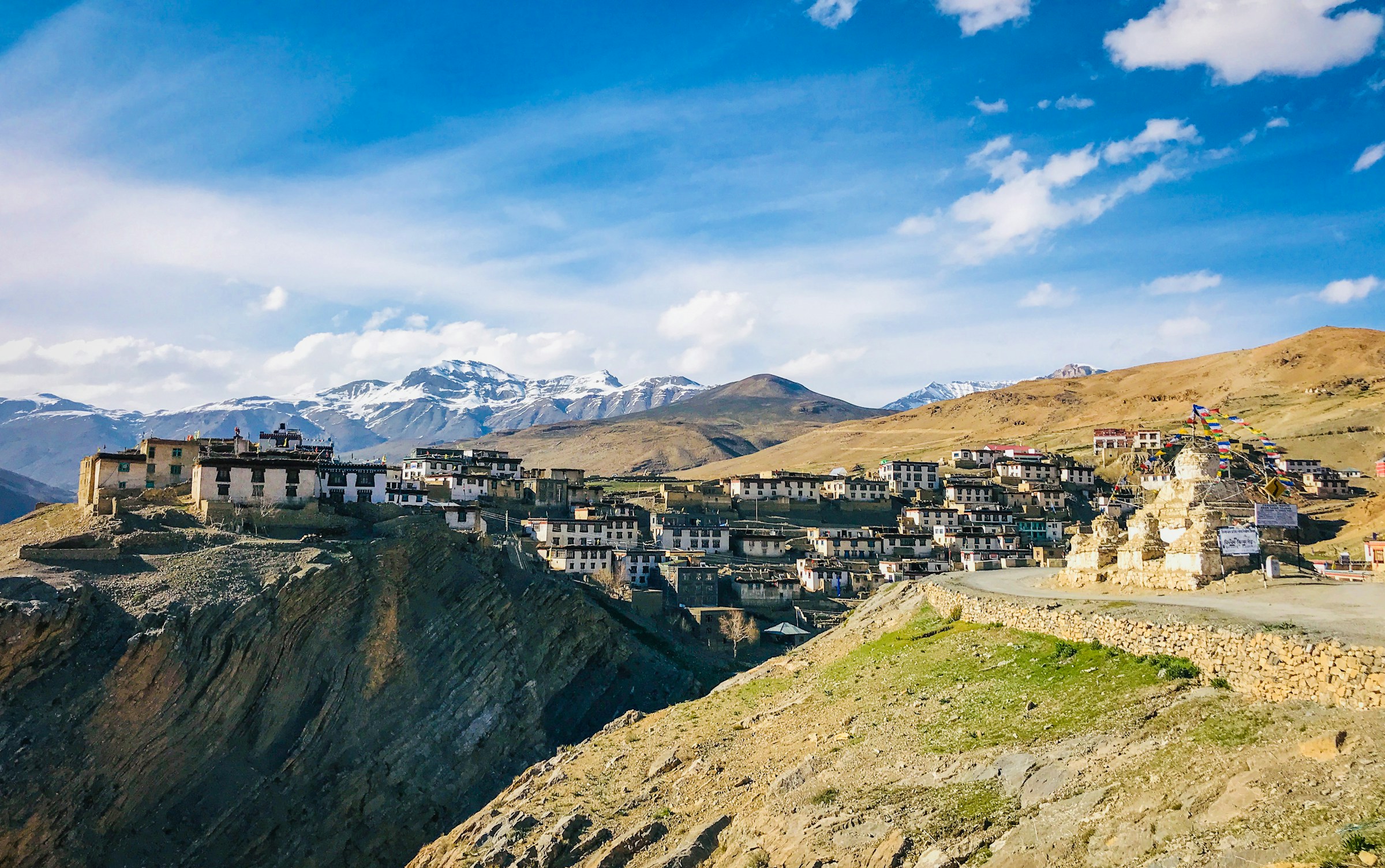
Unlike the more crowded tourist destinations of Himachal Pradesh, Nichar Valley retains its peaceful charm and authentic mountain lifestyle. The valley is surrounded by lush forests, towering mountains, terraced fields, and traditional Kinnauri villages, making it an ideal destination for nature lovers, photographers, and travelers seeking tranquility away from busy tourist circuits.
Natural Beauty and Landscape
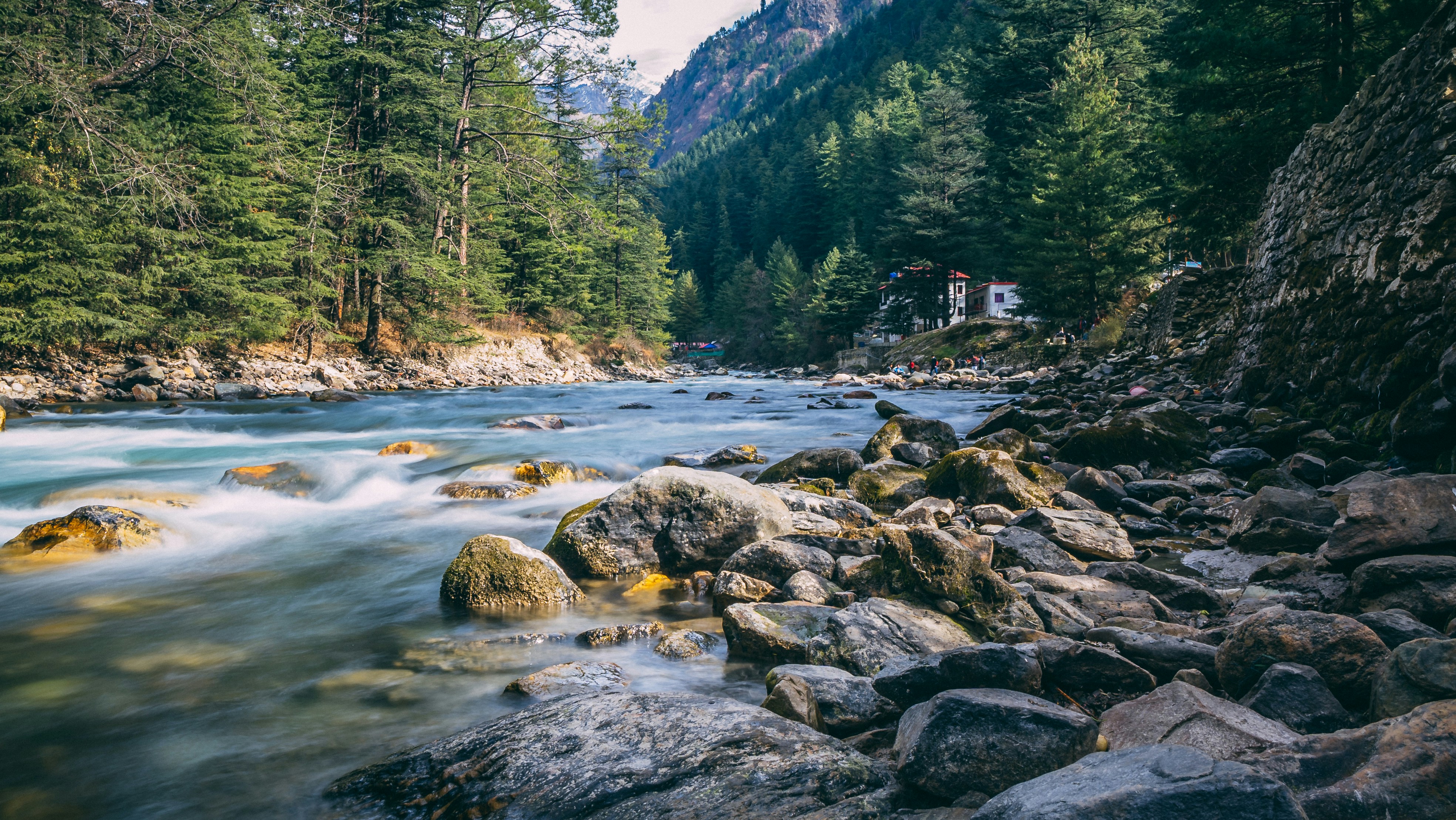
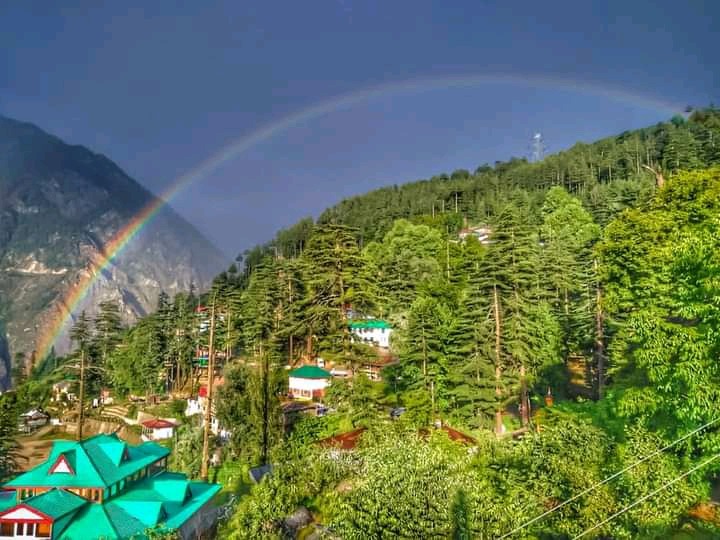
Nichar Valley is often described as one of Kinnaur’s hidden gems. The region is covered with dense alpine forests consisting of pine, deodar, oak, and other Himalayan tree species. During the spring and summer months, the valley comes alive with colorful wildflowers, while the post-monsoon season transforms the landscape into a vibrant green paradise.
The valley is blessed with a rich variety of flora and fauna. Wildlife enthusiasts may spot species such as Himalayan ghorals, antelopes, barking deer, red foxes, and several varieties of birds native to the Western Himalayas. The surrounding forests and mountain slopes provide excellent opportunities for nature walks and wildlife observation.
As visitors venture deeper into the valley, they discover picturesque villages, traditional wooden houses, ancient temples, and breathtaking viewpoints that showcase the untouched beauty of Kinnaur.
History and Cultural Significance
Nichar Valley forms an important part of Kinnaur’s cultural landscape. The region has been influenced by both Hindu and Buddhist traditions for centuries, creating a unique cultural identity. The local Kinnauri people are known for their warm hospitality, distinctive customs, colorful attire, and traditional architecture.
Agriculture and horticulture play a vital role in the local economy. Apple orchards, apricot trees, and other fruit-bearing plantations can be found throughout the valley, especially during the growing season.
Best Time to Visit Nichar Valley
Nichar Valley can be visited throughout much of the year, but the most pleasant period is from September to November. After the monsoon rains, the valley appears exceptionally green and fresh, with clear skies offering spectacular views of the surrounding mountains.
Season-wise Overview
Spring (March to May):
The weather remains pleasant, flowers bloom across the valley, and temperatures are comfortable for sightseeing and outdoor activities.
Summer (June to August):
Temperatures are moderate compared to the plains. While occasional rainfall occurs during the monsoon season, the valley becomes lush and vibrant.
Autumn (September to November):
Considered the best time to visit. The post-monsoon greenery, crisp air, and clear mountain views make this season ideal for photography and exploration.
Winter (December to February):
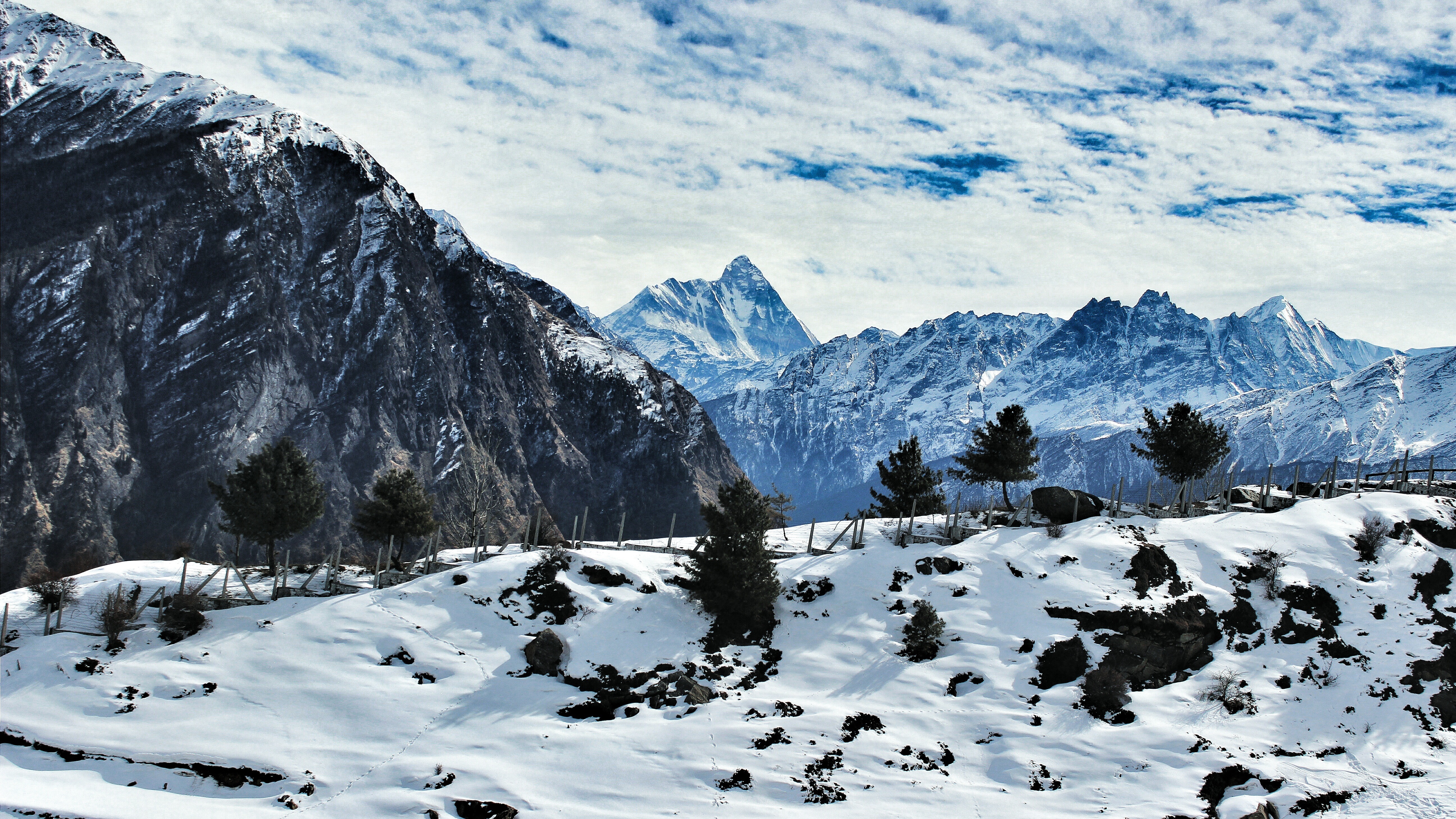
The weather becomes cold, and higher areas may experience snowfall. The valley offers a serene winter atmosphere for travelers who enjoy chilly mountain conditions.
Usha Temple: A Sacred Landmark
One of the most important religious attractions in Nichar Valley is the ancient Usha Temple, dedicated to Goddess Usha Devi. According to local beliefs, Usha Devi is associated with the dawn and is regarded as the consort of Surya Bhagwan, the Sun God.
The temple holds immense religious significance for the local community and attracts devotees from nearby villages throughout the year. The presence of ancient inscriptions written in the historic Takri script on the temple entrance highlights its antiquity and cultural importance. Traditional Kinnauri architecture and the peaceful surroundings further enhance the temple’s spiritual atmosphere.
Festivals of Nichar Valley
Festivals play a significant role in preserving the cultural heritage of Nichar Valley. Among them, the famous Hu Hu Mela is the most celebrated local festival.
This traditional festival reflects the valley’s deep-rooted customs and community spirit. During the event, locals gather to participate in cultural performances, folk music, traditional dances, and religious ceremonies. The festival provides visitors with a unique opportunity to experience authentic Kinnauri traditions, local cuisine, and vibrant cultural expressions that have been passed down through generations.
Things to Do in Nichar Valley
Visitors to Nichar Valley can enjoy a variety of activities, including:
- Exploring traditional Kinnauri villages.
- Visiting the historic Usha Temple.
- Nature walks through alpine forests.
- Wildlife and bird watching.
- Photography of landscapes and local culture.
- Experiencing local festivals and traditions.
- Enjoying scenic drives along the historic Hindustan-Tibet Road.
- Discovering nearby viewpoints overlooking the Satluj River valley.
Why Visit Nichar Valley?
Nichar Valley offers a refreshing alternative to Himachal Pradesh’s more commercialized tourist destinations. Its untouched natural beauty, rich cultural heritage, ancient temples, and peaceful environment make it a perfect destination for travelers seeking authentic Himalayan experiences. Whether you are a nature enthusiast, cultural explorer, photographer, or spiritual traveler, Nichar Valley promises an unforgettable journey into the heart of Kinnaur.
Maps
Numerous buses run from Shimla and then Peo to Bhabha Nagar. Well, Bhabha Nagar is the main center from where you can catch a bus further to Nichar village, which lies in the Nichar valley.
FAQs
1. Where is Nichar Valley located?
Nichar Valley is located in the Kinnaur district of Himachal Pradesh on the left bank of the Satluj River, between the Wangtu and Taranda regions.
2. What is the altitude of Nichar Valley?
The valley is situated at an elevation of approximately 2,150 meters (7,054 feet) above sea level.
3. How can I reach Nichar Valley?
Nichar Valley is accessible by road through National Highway 5 (NH-5), which follows the historic Hindustan-Tibet route. Travelers can reach the valley from Shimla via Rampur and Wangtu.
4. What is the best time to visit Nichar Valley?
The ideal time to visit is from September to November when the valley is lush green after the monsoon and the weather remains pleasant.
5. What is Usha Temple famous for?
Usha Temple is known for its religious significance, ancient Takri inscriptions, and its dedication to Goddess Usha Devi.
6. What is Hu Hu Mela?
Hu Hu Mela is the most important cultural festival in Nichar Valley, celebrated with traditional music, dances, rituals, and community gatherings.
7. Is Nichar Valley suitable for nature lovers?
Yes. The valley is rich in forests, wildlife, scenic landscapes, and hiking opportunities, making it an excellent destination for nature enthusiasts.
8. Are there accommodation facilities in Nichar Valley?
Basic guesthouses, homestays, and accommodations can be found in and around the valley, while additional lodging options are available in nearby towns of Kinnaur.
9. Can wildlife be spotted in Nichar Valley?
Yes. The region is home to species such as ghorals, deer, foxes, and numerous Himalayan bird species.
10. Is Nichar Valley crowded with tourists?
No. Compared to popular destinations like Sangla and Kalpa, Nichar Valley remains relatively less explored and offers a peaceful travel experience