Image Source: vinod kumar
About Kardang Monastery
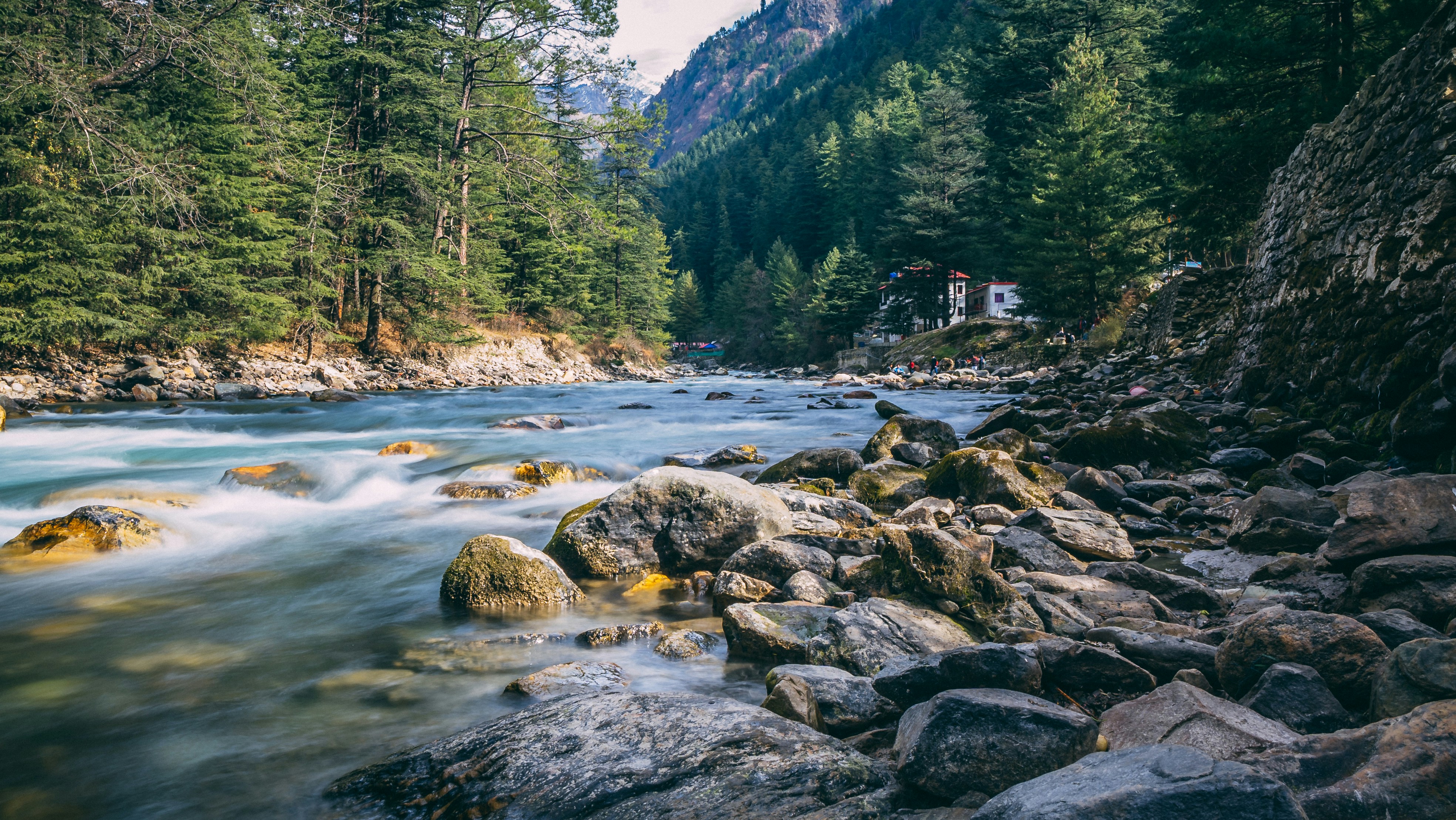
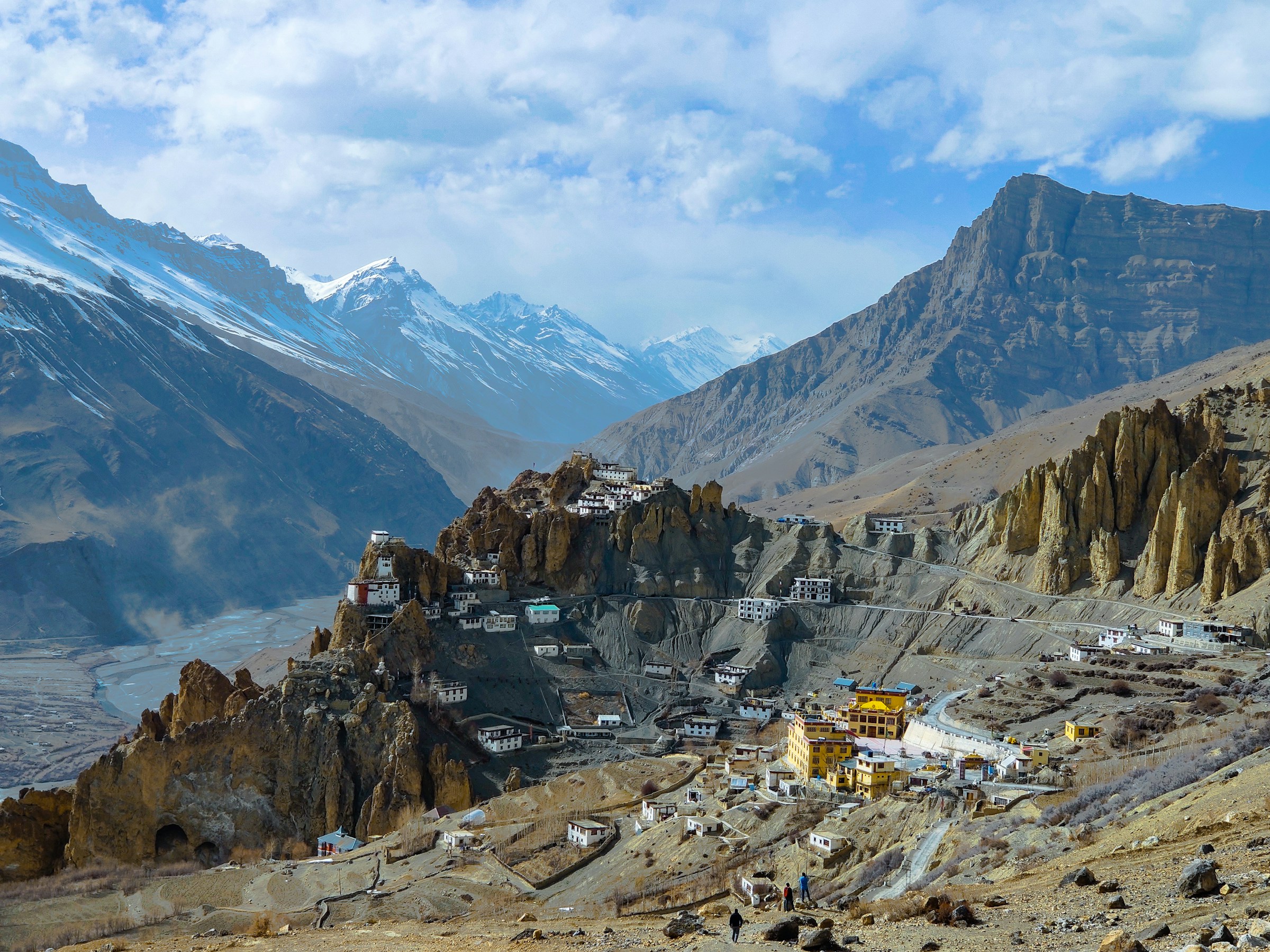
Nestled on a scenic hillside overlooking the Bhaga River, Kardang Monastery is one of the most important Buddhist monasteries in the Lahaul region of Himachal Pradesh. Surrounded by the rugged peaks of the Himalayas and offering breathtaking views of the Keylong valley, the monastery stands as a symbol of the rich Buddhist heritage that has shaped the culture and traditions of Lahaul for centuries.
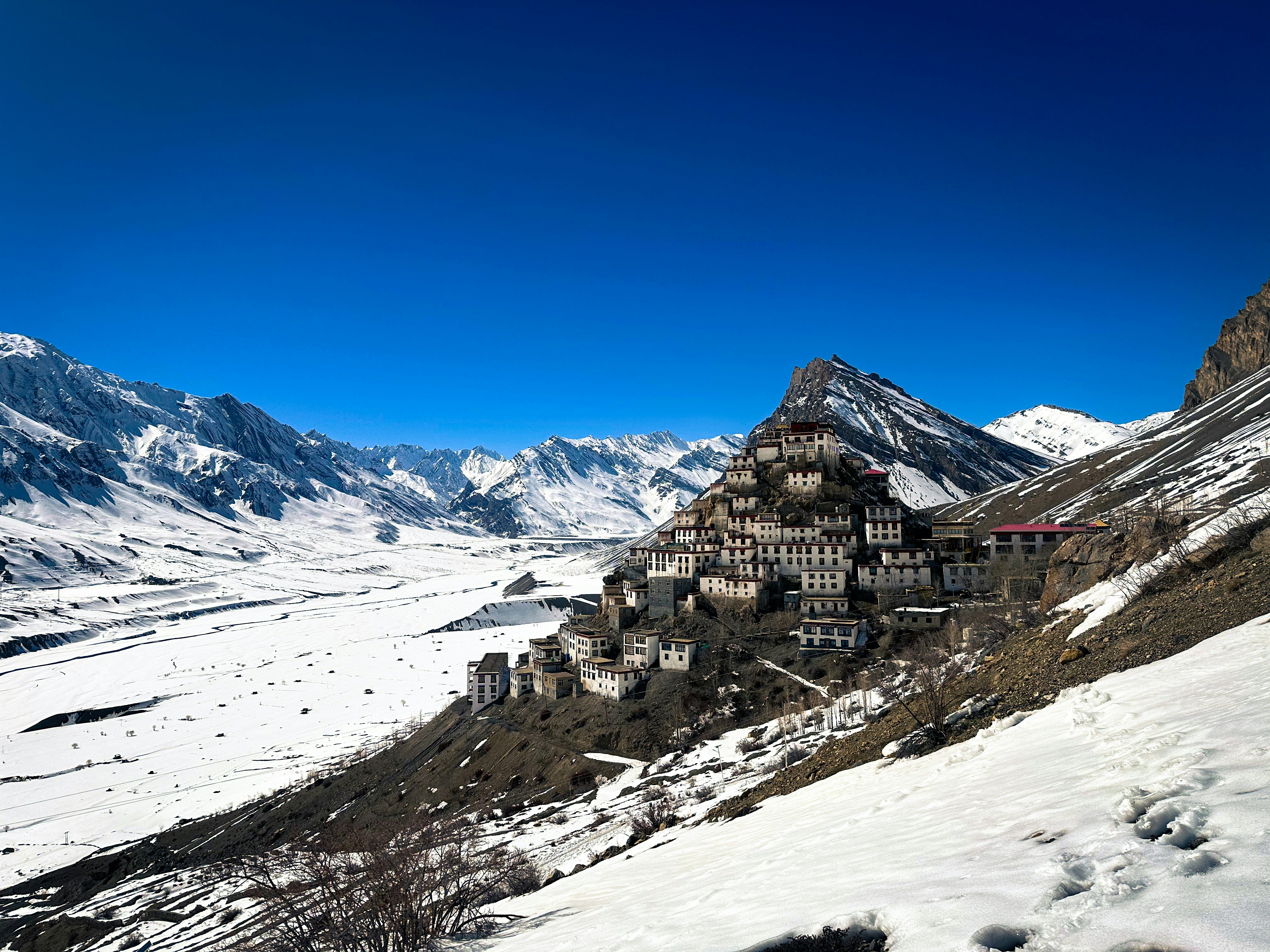
Lahaul and Spiti are often referred to as the land of monasteries. Buddhism has flourished in this remote Himalayan region since ancient times, especially during the period when the area was closely associated with the former Kingdom of Ladakh. Among the many monasteries scattered across the region, Kardang Monastery holds a special place due to its historical significance, spiritual importance, and remarkable collection of Buddhist scriptures and artifacts.
Today, Kardang Monastery attracts pilgrims, monks, scholars, and travelers seeking peace, spiritual insight, and a glimpse into the unique Buddhist culture of the Himalayas.
History of Kardang Monastery
Kardang Monastery was originally established in the 12th century on the left bank of the Bhaga River. Its significance is closely linked to Kardang Village, which was once regarded as the capital of the Lahaul region. Over the centuries, the monastery served as an important center for Buddhist learning and religious activities.
However, like many remote Himalayan monasteries, Kardang eventually fell into a state of neglect and disrepair. Its revival came in 1912 CE under the guidance of the respected Lama Norbu Rinpoche. With the support of Lama Kunga, he restored the monastery and transformed it into a major center for religious education and monastic training.
The restoration helped preserve many valuable Buddhist traditions and teachings that continue to be practiced and passed down to future generations.
Architecture and Sacred Interiors
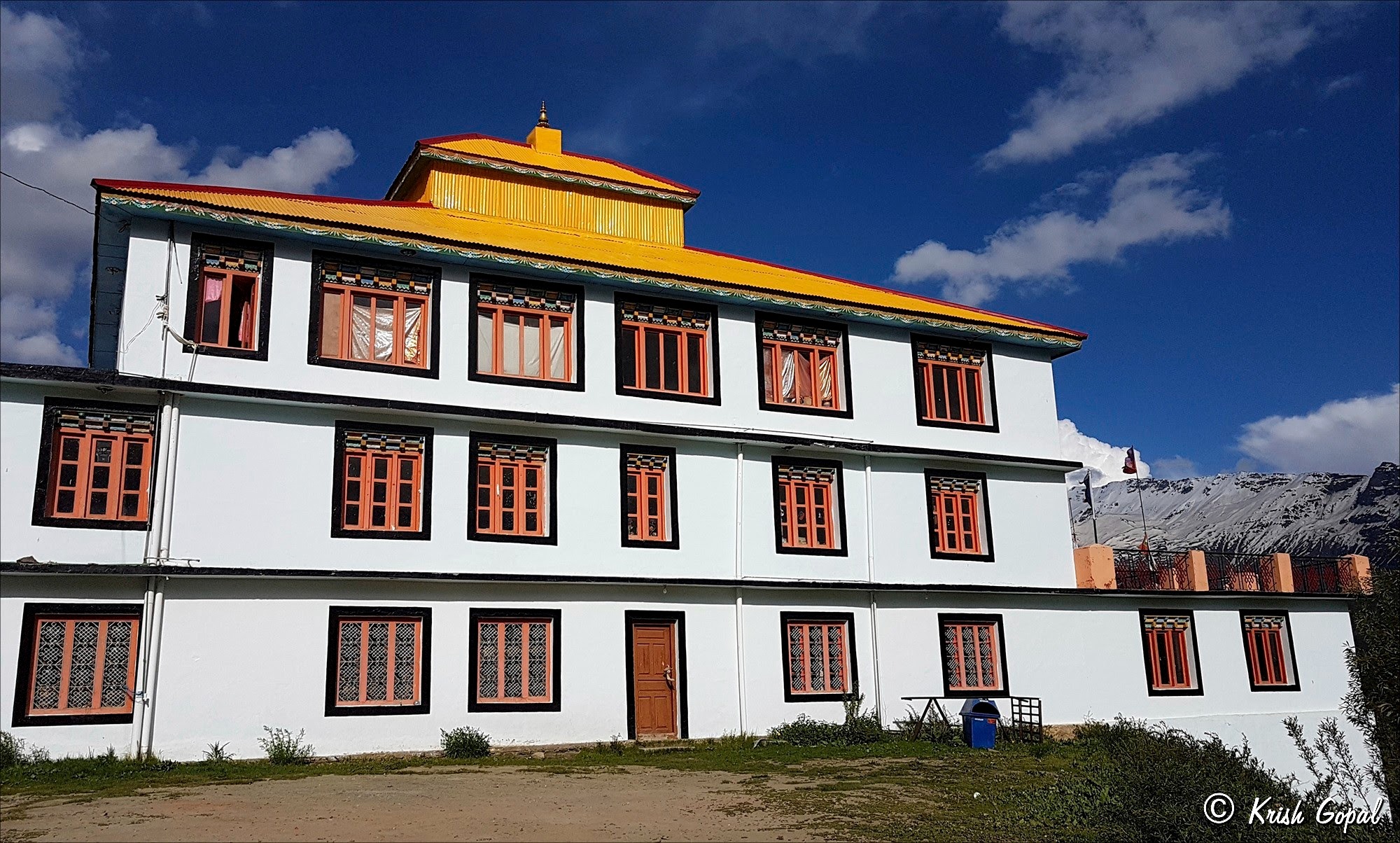
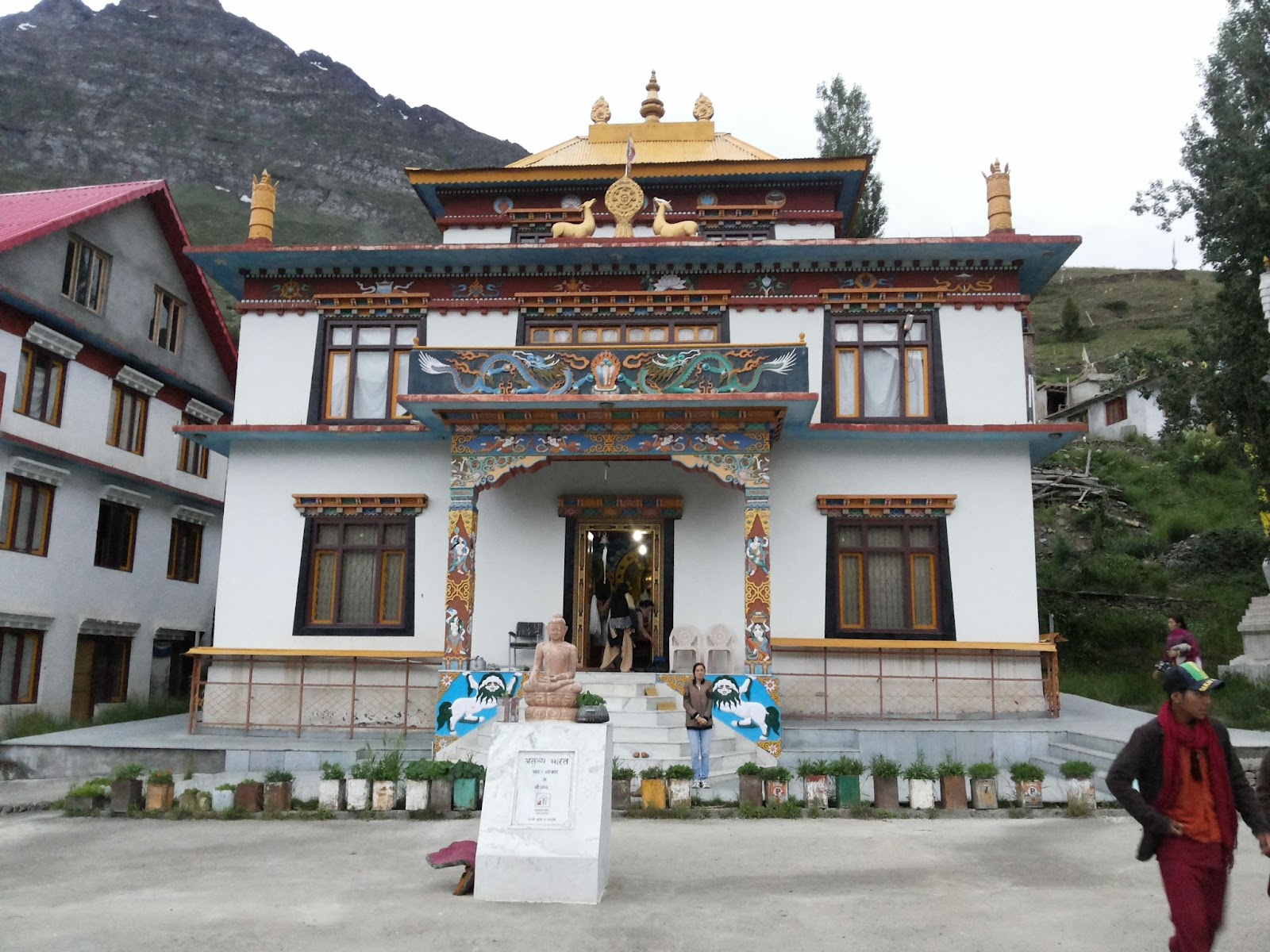
Kardang Monastery is beautifully situated on a ridge below Rangacha Peak, providing spectacular views of the surrounding mountains and valleys. The monastery’s traditional Tibetan-style architecture blends harmoniously with the dramatic Himalayan landscape.
The main temple houses a magnificent statue of Lord Buddha Shakyamuni seated at the center. On either side are revered figures of Padmasambhava (Guru Rinpoche), the great Buddhist master who spread Buddhism throughout the Himalayan region, and Vajradhara, considered the primordial Buddha in Vajrayana Buddhism.
The monastery also contains a large prayer hall where devotees gather for daily prayers, rituals, and religious ceremonies. One of the highlights of the prayer hall is the sacred statue of Avalokiteshvara (Chenrezig), the Bodhisattva of Compassion, who is deeply revered in Tibetan Buddhism.
The walls of the monastery are adorned with colorful murals, thangkas, ancient paintings, and religious symbols that reflect centuries of Buddhist artistic traditions.
A Treasure House of Buddhist Knowledge
Kardang Monastery is renowned for its extensive collection of Buddhist literature and sacred manuscripts. It houses rare copies of the Kangyur and Tangyur, two of the most important collections of Buddhist teachings and commentaries.
These scriptures are preserved in traditional Tibetan, Sherpa, and Bhoti languages, making the monastery an important center for Buddhist scholarship. Scholars and monks from various parts of the Himalayan region visit Kardang to study these ancient texts and deepen their understanding of Buddhist philosophy.
The monastery also preserves ancient ritual objects, masks, paintings, and ceremonial instruments that offer valuable insights into the spiritual and cultural history of Lahaul.
Monastic Life at Kardang
One of the unique aspects of Kardang Monastery is its inclusive monastic tradition. The monastery is home to both monks and chomos (Buddhist nuns), who participate equally in religious activities and community life.
Unlike some monastic traditions where strict celibacy is mandatory, the residents of Kardang Monastery are allowed to maintain family connections. During the summer months, many monks and nuns return to their villages to assist their families with agricultural work. As winter approaches, they return to the monastery to continue their spiritual practices and studies.
This close relationship between monastic life and local communities has helped preserve the cultural identity of the region for generations.
Best Time to Visit Kardang Monastery
The ideal time to visit Kardang Monastery is from May to October when the roads to Lahaul remain open and the weather is pleasant. During these months, visitors can enjoy clear mountain views, explore nearby villages, and experience local festivals.
Winter transforms the region into a snowy wonderland, but heavy snowfall often makes travel difficult. Those visiting in winter should check road conditions before planning their journey.
How to Reach Kardang Monastery
By Road
Kardang Monastery is located approximately 5 kilometers from Keylong, the administrative headquarters of Lahaul. Visitors can reach Keylong via the Manali–Leh Highway.
- Manali to Keylong: Around 115 km
- Keylong to Kardang Village: Around 5 km
A motorable road connects Keylong to Kardang Village, followed by a short uphill walk to the monastery.
By Air
The nearest airport is Bhuntar Airport near Kullu, located about 175 kilometers away. From Bhuntar, taxis and buses are available to Keylong.
By Rail
The nearest major railway station is Joginder Nagar Railway Station. However, most travelers prefer reaching the region by road from Chandigarh, Shimla, or Manali.
Local Transport
Shared taxis and local vehicles operate between Keylong and nearby villages, including Kardang. Private taxis are also available for a more comfortable journey.
Nearby Attractions
Keylong
The administrative center of Lahaul, Keylong offers beautiful mountain views, local markets, and cultural attractions.
Shashur Monastery
Known for its stunning location and annual Cham dance festival, Shashur Monastery is one of the most visited monasteries in Lahaul.
Tayul Monastery
Famous for its giant statue of Guru Padmasambhava and peaceful surroundings.
Deepak Tal
A picturesque high-altitude lake located on the Leh-Manali Highway, ideal for photography and nature lovers.
Suraj Tal
One of the highest lakes in India, situated near Baralacha La Pass and known for its pristine beauty.
Baralacha La Pass
A spectacular mountain pass connecting Lahaul with Ladakh and Zanskar.
Maps
Kardang monastery is accessible through a road that connects to the Tandi Bridge (the confluence of the Chandra and Bhaga river). From the district of Lahul, the monastery is 22 km away.
FAQs
Why is Kardang Monastery famous?
Kardang Monastery is famous for being one of the largest and most important monasteries in Lahaul. It is known for its ancient Buddhist manuscripts, spiritual significance, and beautiful Himalayan setting.
Who built Kardang Monastery?
The monastery was originally established in the 12th century and was later restored and revitalized in 1912 by Lama Norbu Rinpoche.
What can visitors see inside the monastery?
Visitors can explore the main temple, prayer hall, ancient scriptures, murals, thangkas, religious artifacts, and statues of Buddha, Padmasambhava, Vajradhara, and Avalokiteshvara.
How far is Kardang Monastery from Keylong?
The monastery is located approximately 5 kilometers from Keylong and can be reached by road followed by a short walk.
Can tourists visit Kardang Monastery?
Yes, tourists are welcome to visit the monastery. Visitors should dress modestly and respect local customs and religious practices.
What is the best time to visit Kardang Monastery?
The best time to visit is between May and October when weather conditions are favorable and roads remain accessible.
Is photography allowed inside the monastery?
Photography policies may vary in different sections of the monastery. It is advisable to seek permission from monastery authorities before taking photographs inside prayer halls or sacred areas.