Image Source: Prasanjit Shom
Right at the western end of MG Road in Indore, Bada Ganpati Temple stands as one of the city’s most beloved spiritual landmarks. Dedicated to Lord Ganesha—the remover of obstacles and the god of wisdom and prosperity—the temple draws a steady stream of devotees, tourists, and curious visitors throughout the year.
What instantly sets this temple apart is its sheer scale and presence. Even before you step inside, there’s a sense that this is no ordinary shrine—it’s a place where devotion meets grandeur.
History and Origins
Like many old temples in India, Bada Ganpati has more than one story attached to its origins. One popular belief traces its construction back to 1875, when a devotee named Shri Dadhich from Ujjain reportedly had a divine vision of Lord Ganesha in a dream. Inspired by this experience, he decided to build a grand idol to honor the deity.
Another version connects the temple to the legendary Ahilyabai Holkar, the revered Maratha queen known for building and restoring temples across India. Some accounts suggest the temple dates back to around 1775 during her reign.
While the exact origin may vary depending on whom you ask, what remains constant is the temple’s deep-rooted spiritual significance and long-standing place in Indore’s cultural life.
The Iconic Ganesha Idol
The highlight of the temple is undoubtedly its massive 25-foot-tall idol of Lord Ganesha—one of the largest of its kind anywhere in the world. In fact, the name “Bada Ganpati” literally translates to “Big Ganesha,” and the idol lives up to that name in every sense.
But it’s not just the size that makes it special—it’s also how it was made.
The idol is said to be crafted from a unique blend of materials, including limestone, jaggery, bricks, and soil collected from sacred places like Dwarka, Kashi, Mathura, and Ayodhya. It also incorporates elements like the “Pancha Ratna” (five precious gems) and water from holy rivers across India.
All of this gives the idol a deeply symbolic meaning—it represents not just a deity, but a spiritual connection that spans the entire country.
Architecture and Atmosphere
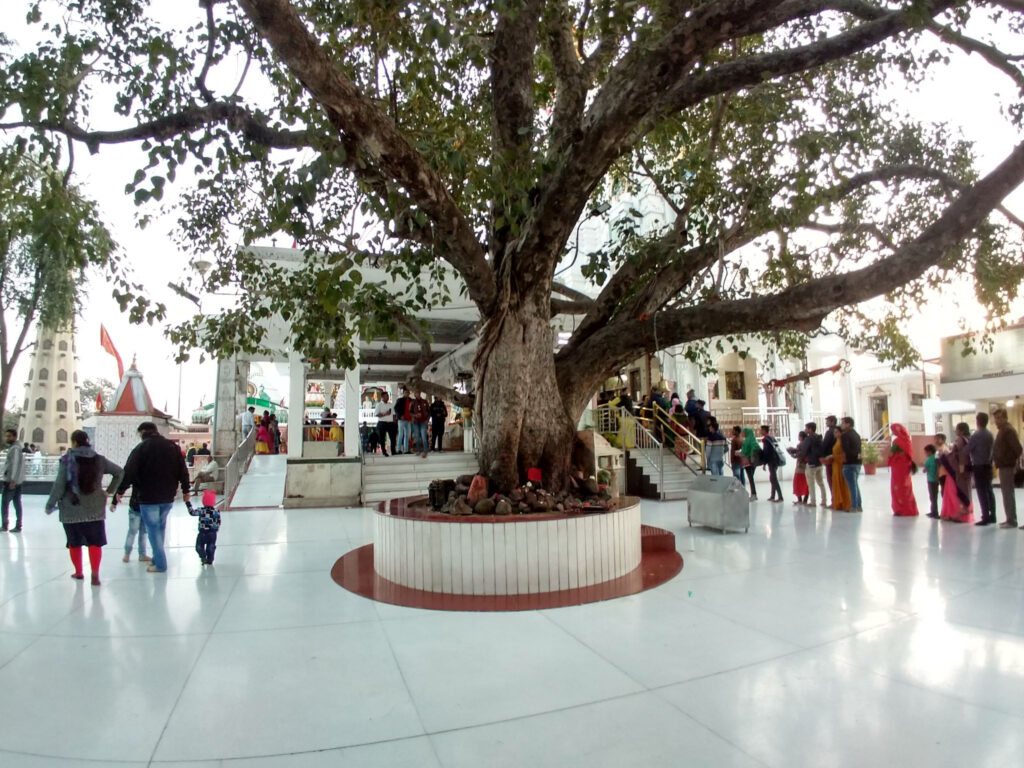
The temple itself is relatively simple in structure, which allows the towering idol to remain the center of attention. Inside, the atmosphere is calm and devotional, often filled with the sound of bells, chants, and prayers.
Despite being located in a busy part of Indore, the temple offers a peaceful space where visitors can pause, reflect, and seek blessings.
Ganesh Chaturthi Celebrations
If you want to see the temple at its most vibrant, visit during Ganesh Chaturthi. This 10-day festival transforms the entire परिसर into a hub of devotion and celebration.
Devotees gather in large numbers to offer modaks (Lord Ganesha’s favorite sweet), perform aartis, and participate in special पूजा rituals. The energy during this time is infectious—colorful decorations, devotional music, and a strong sense of community fill the air.
How to reach Bada Ganpati Temple

By Car: The temple is about 3 km from Indore Junction. Taxis, auto-rickshaws, and app-based cabs are easily available.

By Train: Indore Junction is well connected to major cities like Delhi, Mumbai, and Kolkata.

By Air: The nearest airport is Devi Ahilya Bai Holkar Airport, located around 8 km away. From there, you can hire a taxi to reach the temple.
Nearby Attractions to Bada Ganpati Temple
Rajwada Palace
One of Indore’s most iconic landmarks, this historic palace of the Holkar dynasty showcases a fascinating blend of Maratha, Mughal, and French architectural styles.
Sarafa Bazaar
A famous night food market where visitors can enjoy Indore’s renowned street food, including poha, bhutte ka kees, garadu, and jaleba.
Kanch Mandir
A beautiful Jain temple decorated entirely with glass and mirrors, creating a dazzling and unique spiritual atmosphere.
56 Dukan
Indore’s most popular food street, known for its wide variety of local snacks, sweets, and modern eateries.
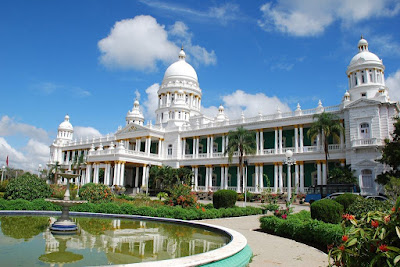
Lal Bagh Palace
A grand royal residence of the Holkar rulers featuring elegant European architecture and impressive historical exhibits.
Central Museum Indore
An archaeological museum displaying rare sculptures, coins, inscriptions, and artifacts from Madhya Pradesh’s rich past.
Khajrana Ganesh Temple
One of the most revered temples in the city, attracting devotees throughout the year seeking blessings from Lord Ganesha.
Gandhi Hall
A striking Indo-Gothic building and historic landmark known for its distinctive architecture and cultural significance in Indore.
Chhatri Bagh
A peaceful heritage site featuring beautifully carved cenotaphs of the Holkar rulers, offering a glimpse into the city’s royal history.
FAQs
1. Why is Bada Ganpati Temple famous?
It is famous for its big 25-foot Ganesha idol, which is among the largest in the world, and for its unique construction materials.
2. What is the best time to visit the temple?
While it’s open year-round, Ganesh Chaturthi is the most vibrant time to visit.
3. Is there any entry fee?
No, entry to the temple is free.
4. How much time does a visit take?
A typical visit takes around 30 minutes to an hour, depending on the crowd.
5. Are there facilities nearby?
Yes, since the temple is in a central area, you’ll find shops, eateries, and transport options nearby.
6. Can tourists visit the temple?
Absolutely. The temple is open to everyone, regardless of religious background.