Image Source: IQRA
About Verinag
Nestled in the serene foothills of the Pir Panjal Range in South Kashmir, Verinag is a place where natural beauty, history, and spirituality come together in perfect harmony. Famous as the origin point of the Jhelum River, Verinag is one of the most peaceful and historically significant destinations in the Kashmir Valley.
Surrounded by lush greenery, towering chinar trees, and majestic mountains, Verinag is known for its crystal-clear spring and stunning Mughal architecture. The tranquil atmosphere and scenic charm make it a favorite destination for travelers seeking both relaxation and cultural exploration.
The name “Verinag” is believed to have originated from the Sanskrit term “Virah Nag,” which roughly translates to “chief spring.” Over centuries, the site has remained an important landmark in Kashmir’s geographical, cultural, and spiritual history.
Geographical Significance
Verinag is widely recognized as the first recorded source of the Jhelum River, locally known as Vyeth. Situated at an altitude of approximately 1,850 meters above sea level, the spring emerges from a deep blue, stone-lined pool that remains remarkably clear throughout the year.
The water originates from underground streams fed by the snow-covered mountains of the Pir Panjal range. Even during summer, the spring water stays cool and transparent, reflecting shades of turquoise and emerald under sunlight.
Although the Jhelum River later gains volume from several tributaries downstream, Verinag continues to be regarded as its symbolic and historical source. The river itself plays a crucial role in the ecology, agriculture, and culture of the Kashmir Valley.
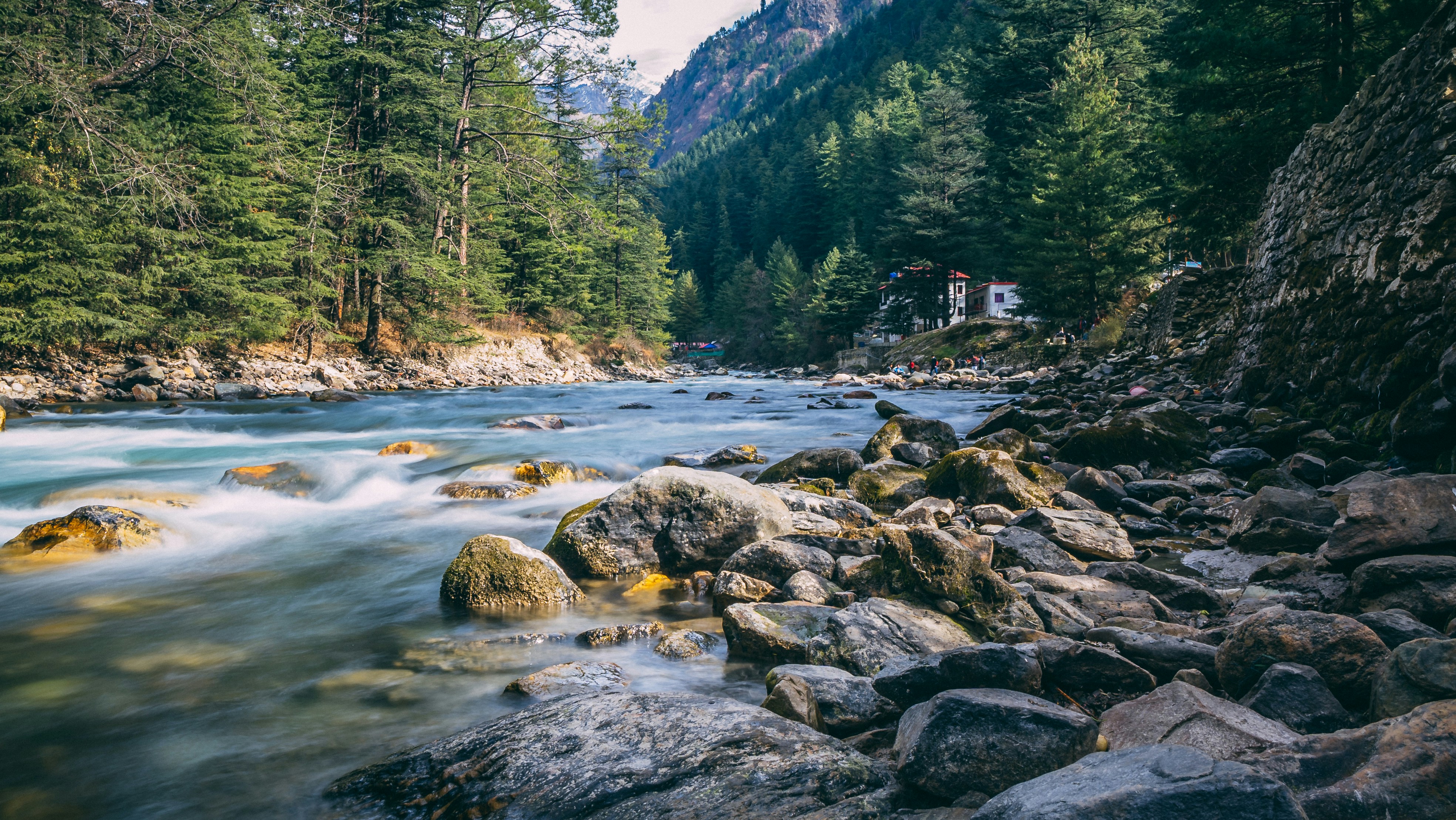
The surroundings of Verinag are equally captivating. Dense pine forests, landscaped Mughal gardens, and fresh mountain air create an atmosphere of complete calmness, making it a refreshing escape from crowded tourist destinations.
Mughal History and Architecture
One of the most remarkable aspects of Verinag is its elegant Mughal-era architecture. During the reign of the Mughal Emperor Jahangir, the spring was renovated and beautified in 1620 CE.
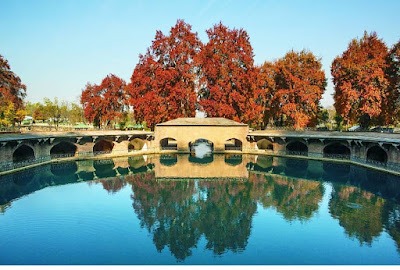
Jahangir ordered the construction of a beautifully designed octagonal stone basin around the spring, along with a surrounding arched colonnade. These historic structures still stand today and continue to impress visitors with their symmetry and craftsmanship.
The emperor was deeply captivated by the beauty of Kashmir, and Verinag held a special place in his heart. It is often believed that his famous words — “If there is a paradise on earth, it is here” — were inspired by the breathtaking beauty of places like Verinag. Persian inscriptions commissioned during his reign can still be seen carved into the stone walls surrounding the spring.
Later, Emperor Shah Jahan further enhanced the site by adding Mughal-style gardens based on the traditional Charbagh layout. Flowing water channels, terraced lawns, and tree-lined pathways transformed Verinag into a royal retreat that reflected the artistic elegance of Mughal landscape design.
Cultural and Spiritual Importance
Beyond its natural beauty and historical charm, Verinag holds deep cultural and spiritual significance in Kashmir.
Long before the Mughal period, the spring was considered sacred by local communities, particularly the Kashmiri Pandits. Ancient Hindu texts such as the Nilamata Purana mention the spring and connect it with religious beliefs and rituals. In Hindu mythology, Verinag is also associated with Lord Vishnu and sacred water traditions.
For centuries, pilgrims and locals visited the spring for spiritual practices and ceremonial purposes. Even today, the site continues to evoke a sense of peace and reverence among visitors.
What makes Verinag truly unique is the harmonious blend of Hindu sacred traditions and Mughal architectural elegance. It stands as a living example of Kashmir’s rich multicultural heritage and historical coexistence.
Natural Beauty and Tourism
Today, Verinag is a popular tourist destination known for its calm environment and scenic landscapes. Travelers visiting Kashmir often stop here while journeying between Jammu and Srinagar.
The beautifully maintained Mughal garden surrounding the spring is ideal for leisurely walks, photography, and relaxation. Chinar trees provide shade during summer, while autumn transforms the area into a vibrant canvas of red, orange, and gold leaves.
The region is especially attractive for nature lovers, history enthusiasts, and travelers interested in Kashmir’s cultural heritage. Early mornings and evenings at Verinag are particularly magical, with mist-covered hills and the soothing sound of flowing water creating an unforgettable atmosphere.
Best Time to Visit
The best time to visit Verinag is between April and October when the weather remains pleasant and the gardens are in full bloom. Spring and autumn are considered especially beautiful seasons due to the colorful flowers and changing chinar leaves.
Winter also has its own charm, as occasional snowfall adds a serene and picturesque quality to the landscape.
How to Reach Verinag
Verinag is well connected by road and lies along the Jammu–Srinagar National Highway.
- The nearest major town is Anantnag, located around 26 kilometers away.
- Srinagar is approximately 80 kilometers from Verinag.
- The nearest airport is Sheikh ul-Alam International Airport.
Taxis and local transport are easily available from nearby towns and cities.
Nearby Attractions to Verinag
Nestled at the foothills of the Pir Panjal Range in the Anantnag district of Jammu and Kashmir, Verinag is one of the most historically and geographically significant destinations in Kashmir. It is famous for the beautiful Verinag Spring, which is widely regarded as the source of the Jhelum River. Surrounded by Mughal-era architecture, lush gardens, towering chinar trees, and scenic mountain landscapes, Verinag attracts nature lovers, history enthusiasts, and pilgrims alike.
The octagonal stone basin built around the spring by Emperor Jahangir and the adjoining Mughal garden make Verinag one of the most picturesque locations in South Kashmir. Its location also provides easy access to several famous tourist attractions in the region.
Verinag Spring
The main attraction itself, Verinag Spring is known for its crystal-clear blue waters and historical significance as the source of the Jhelum River. The beautifully maintained Mughal garden surrounding the spring enhances its charm.
Mughal Garden Verinag
Adjacent to the spring, Mughal Garden Verinag features terraced lawns, water channels, and centuries-old chinar trees, offering a peaceful retreat for visitors.
Achabal Garden
Located about 25 kilometers from Verinag, Achabal Garden is one of the most beautiful Mughal gardens in Kashmir. Built by Empress Noor Jahan, it is famous for its natural springs, fountains, and terraced landscapes.
Kokernag
Approximately 20 kilometers away, Kokernag is known for its freshwater springs, botanical gardens, and trout hatcheries. It is one of the most visited tourist destinations in South Kashmir.
Daksum
Daksum is a scenic mountain destination surrounded by dense deodar forests, rivers, and alpine landscapes. It serves as a gateway to Sinthan Pass and various trekking routes.
Sinthan Pass
Situated at an elevation of over 12,000 feet, Sinthan Top offers spectacular views of snow-clad mountains, deep valleys, and alpine meadows.
Breng Valley
The beautiful Breng Valley is known for its dense forests, crystal-clear streams, meadows, and traditional Kashmiri villages. It remains one of the lesser-explored natural attractions of South Kashmir.
Ahlan Valley
Located near Kokernag, Ahlan Valley is famous for its vast green meadows, pine forests, camping sites, and peaceful atmosphere.
Martand Sun Temple
About 30 kilometers from Verinag, Martand Sun Temple is one of the most important archaeological monuments in Kashmir. Built during the 8th century by King Lalitaditya Muktapida, the temple offers magnificent views of the Kashmir Valley.
Pahalgam
Pahalgam is one of Kashmir’s premier hill stations, known for its rivers, pine forests, meadows, and adventure activities. It is located within a comfortable driving distance from Verinag.
Betaab Valley
Near Pahalgam, Betaab Valley is famous for its lush green landscapes, crystal-clear streams, and stunning mountain scenery.
Chandanwari
Chandanwari serves as the traditional starting point of the Amarnath Yatra and is known for its glaciers and scenic surroundings.
Shikargah
Located near Achabal, Shikargah is a tranquil forest area once used as a royal hunting reserve. It is ideal for nature walks and wildlife observation.
Kounsarnag Lake
For trekking enthusiasts, Kounsarnag Lake is a breathtaking alpine lake surrounded by rugged mountain peaks and pristine wilderness.
Mughal Road
The historic Mughal Road can be accessed from the broader South Kashmir region and offers a scenic journey through forests, meadows, and mountain passes that were once traversed by Mughal emperors.
Google Maps
FAQs
Why is Verinag famous?
Verinag is famous as the origin point of the Jhelum River and for its beautiful Mughal architecture and gardens.
Who built the Mughal structures at Verinag?
The Mughal Emperor Jahangir renovated and beautified the spring in 1620 CE, while Shah Jahan later expanded the gardens.
What does the name Verinag mean?
The name is believed to come from the Sanskrit term “Virah Nag,” meaning “chief spring.”
Is Verinag a religious place?
Yes, Verinag has spiritual importance in Hindu tradition and is mentioned in the ancient Nilamata Purana.
What is the best time to visit Verinag?
The best time to visit is from April to October, especially during spring and autumn.
How far is Verinag from Srinagar?
Verinag is located around 80 kilometers from Srinagar.
Can tourists visit the Verinag spring throughout the year?
Yes, Verinag remains accessible throughout most of the year, although winter weather conditions may occasionally affect travel.