
Image Source: Zulfi Zulfi
About Loran Valley
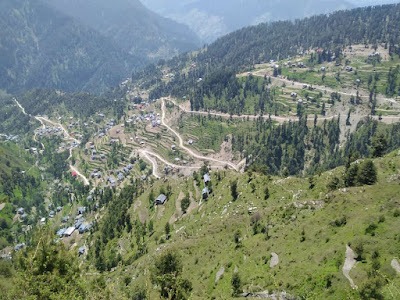
Loran Valley is located in the northwest corner of the Poonch district in Jammu and Kashmir. At an approximate elevation of 6,000 feet, the valley is flanked by high ridges and dense forests, with the Loran Nallah (stream) winding through it.
A picturesque valley sits in the lap of the Pir Panjal range, where alpine meadows, pine forests, and glacial streams come together to create a landscape of breathtaking natural beauty and cultural depth.
Loran is situated about 35 kilometers northeast of Poonch town. The valley opens up towards the higher reaches of the Pir Panjal range and serves as a gateway to many trekking trails and high-altitude passes, making it a favoured destination for adventure seekers and nature lovers alike.
Natural Beauty and Biodiversity
The Loran Valley is abundant with natural beauty. From thick coniferous forests of deodar and pine to rolling meadows and snow-fed streams, the valley has everything. In spring and summer, the slopes are carpeted with wildflowers, and the air is filled with birdsong. During winter, the valley transforms into a snow-laden wonderland.
The surrounding forests are home to Himalayan wildlife, including black bears, leopards, foxes, and numerous species of birds, although sightings are rare due to the remote nature of the terrain.
Trekking and Adventure Base
Loran is an important base for treks into the higher Pir Panjal. The valley serves as a starting point for routes leading toward:
Tatakooti Peak (4,725 m), one of the highest peaks in the region.
Alpine meadows like Jabbi Toti and Gagan Top, which are used seasonally by Gujjar and Bakarwal shepherds.
Mughal Road via Noori Chamb (waterfall), connecting trekkers to historical trails once used by Mughal emperors.
Many local shepherds and guides from Loran accompany trekkers into these remote areas, and their knowledge of the terrain is invaluable.
Cultural Life and Communities
The valley is inhabited primarily by Pahari, Gujjar, and Bakarwal communities, many of whom live semi-nomadic lives. During summer, the upper meadows around Loran come alive with temporary settlements of Bakarwals, who migrate with their herds of sheep and goats.
Loran also has spiritual significance, with local shrines and mosques that serve as places of devotion and community gatherings. The mix of Islam and indigenous tribal traditions lends the valley a unique cultural identity, grounded in both faith and mountain resilience.
Strategic Importance
Due to its proximity to the Line of Control, Loran Valley holds military and strategic importance. It is located in a region that has witnessed skirmishes and heightened military presence during past conflicts, particularly during the 1947–48 Indo-Pak War and during heightened cross-border tensions.
While the valley remains peaceful today, the presence of army checkposts and security installations reflects its sensitive geopolitical location. Civilian movement is generally unrestricted, but travellers are advised to carry identification and respect local regulations.
How to Reach
From Poonch Town: Approximately 1.5–2 hours by road via a scenic drive through dense forests and winding mountain paths.
From Jammu: Around 250 km via Rajouri and Poonch, taking 8–10 hours by car.
Transport options include private vehicles, shared cabs, and occasional government buses. However, due to the remote nature, private travel is recommended.