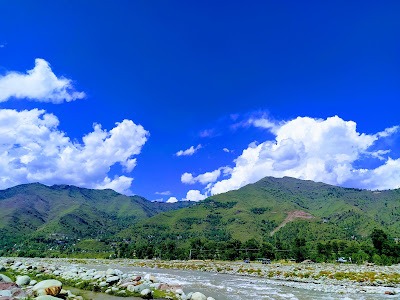
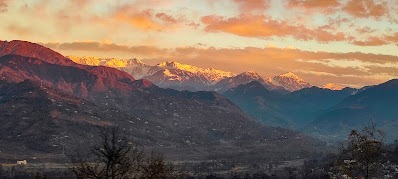
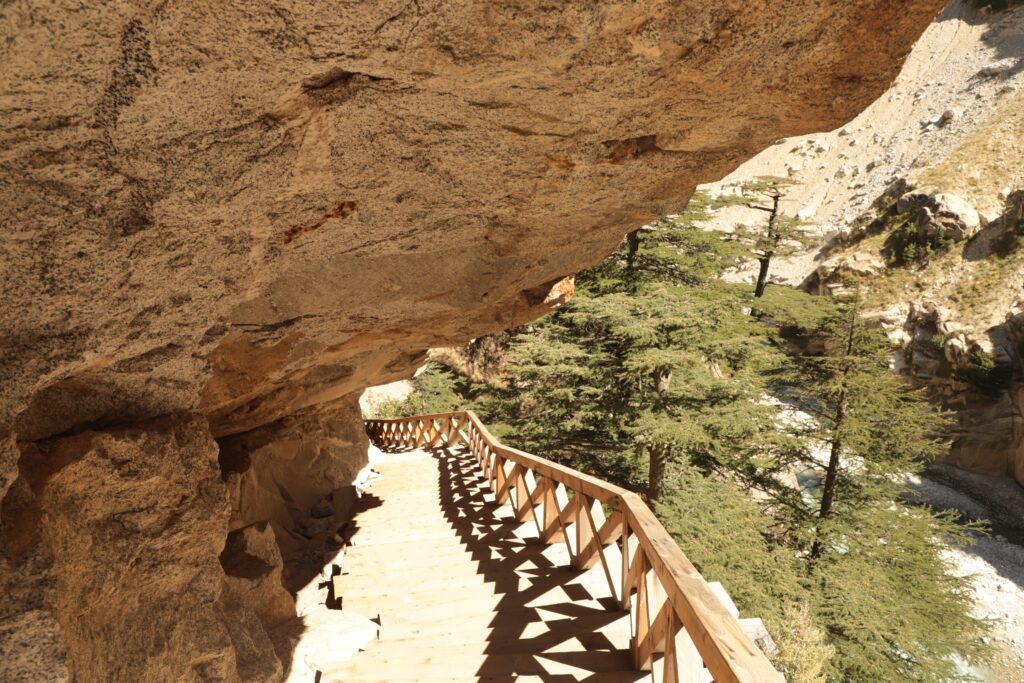
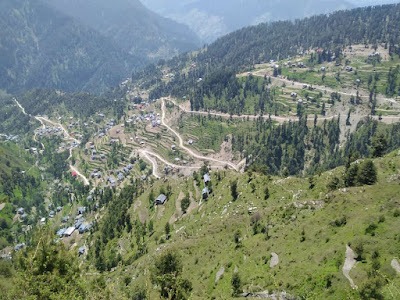
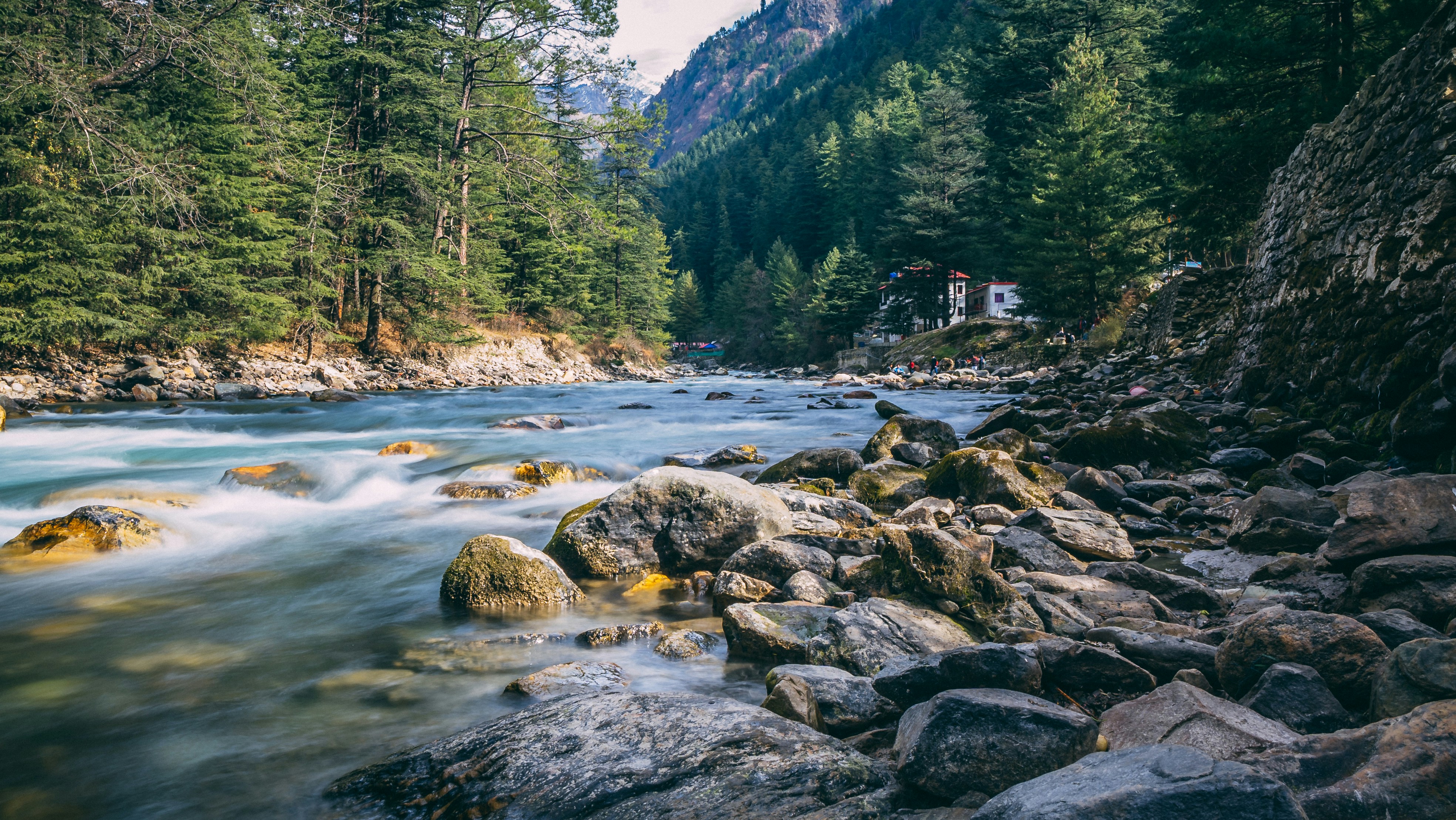
Poonch is a land of breathtaking valleys, lush meadows and snow-capped peaks. Among its many natural treasures, the river system of Poonch plays an important role in defining topography and socio-cultural fabric.
The Poonch river and its tributaries contribute to the mighty Jhelum river basin. These rivers are not only geographical entities but have also been central to the lives and livelihoods of the people of poonch.
Poonch river origin from the southern slopes of the Pir Panjal range near the Neel Kanth Gali and Katori Sar lake area (close to the Mughal Road). The most important river flows westward and eventually enters into the Pakistan-administered Jammu and Kashmir, where it merges with the Jhelum River near Mangla Reservoir.
In its course, the river flows through places like Loran, Mandi, Poonch town, and Rawalakot (in PoK), creating fertile valleys.
Tributaries: Several smaller mountain streams like Betaar Nala, Rangar Nala, and Drungli Nala drain water into the Poonch river.
Importance: Besides irrigation, the Poonch River supports local fisheries and small hydropower projects. The town of Poonch itself sits on the riverbanks, which adds to its geographical significance.
Betaar Nala
This is one of the important right-bank tributaries of the Poonch River. It originates from the Pir Panjal mountains near the Pir Ki Gali area and flows through a narrow and deep valley near Mandi.
Features: Known for its clear water and strong current, Betaar Nala is a major source of water for local communities. During snowmelt season, its volume increases dramatically, contributing significantly to the Poonch River.
Drungli Nala
A relatively smaller stream, Drungli Nala is vital to Poonch town. It flows through the town and eventually joins the main Poonch River.
Seasonal Behavior and Hydrology
The river system in Poonch follows a mountain-fed regime, largely dependent on glacial melt, snowfall, and monsoon rains. As such, the rivers demonstrate strong seasonality:
Spring and Summer (March–July): High discharge due to snowmelt from the Pir Panjal range. This is the best time for agriculture due to abundant irrigation.
Monsoon (July–September): Sudden floods are common, especially in tributaries. These flash floods have occasionally caused damage to bridges and farmlands.
Winter (November–February): Water levels recede considerably, with some minor streams drying up temporarily due to snowfall in higher reaches.