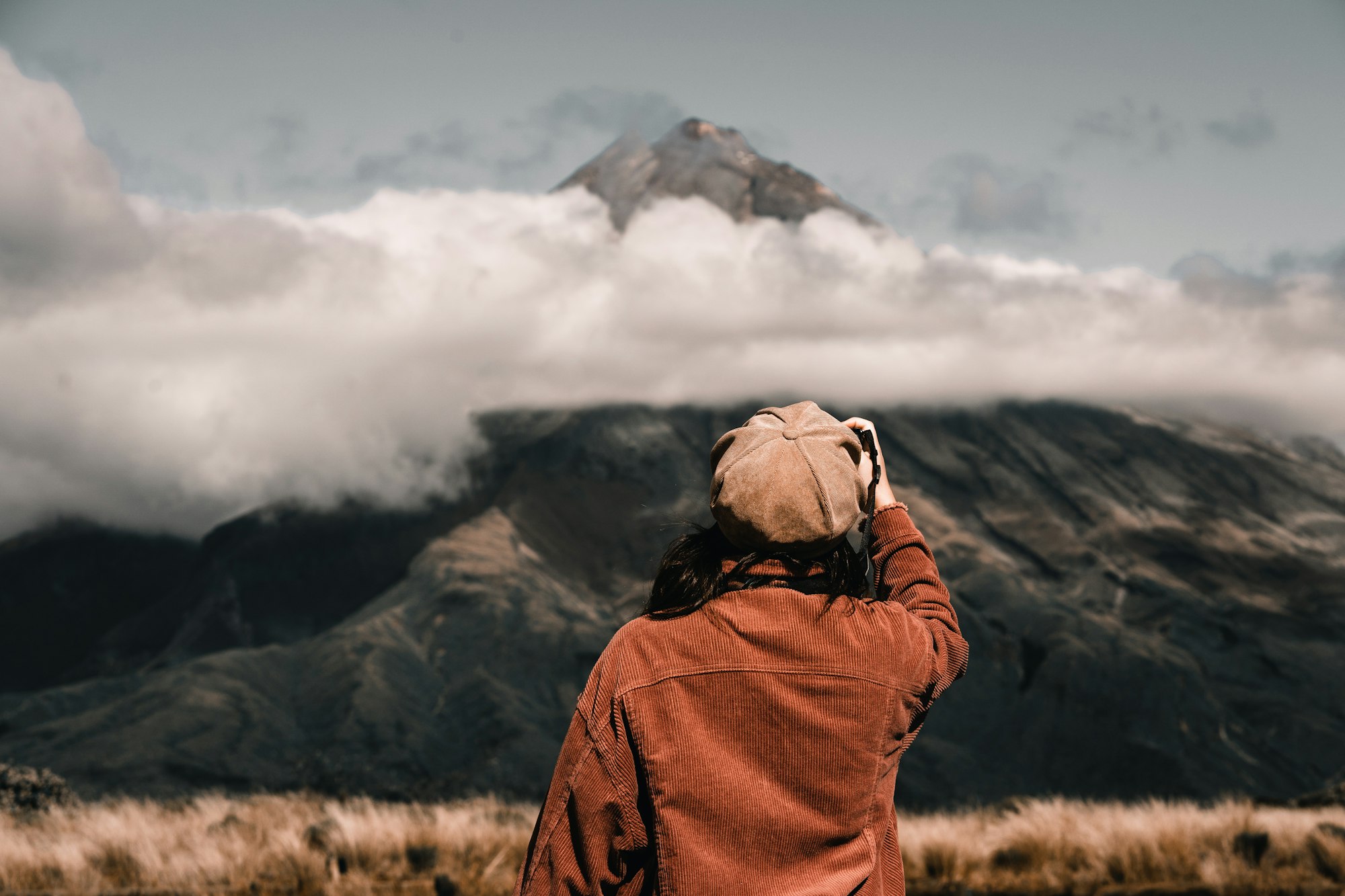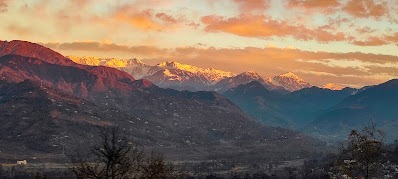
Image Source: LALIT JAIN
About Surankote
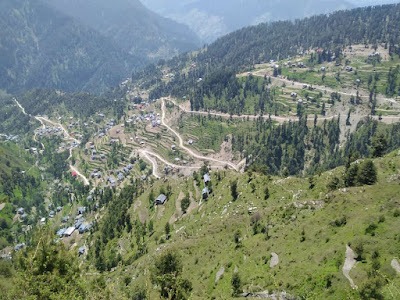
Surankote valley is a lesser-known yet breathtakingly explored destination within the Pir Panjal mountain range in the Poonch district of Jammu & Kashmir. Located at an elevation of 1,580 meters, Surankote lies in a midway between Poonch town and the higher alpine realms that reach toward Kashmir’s great lakes and glacial routes.
Geography and Natural Beauty
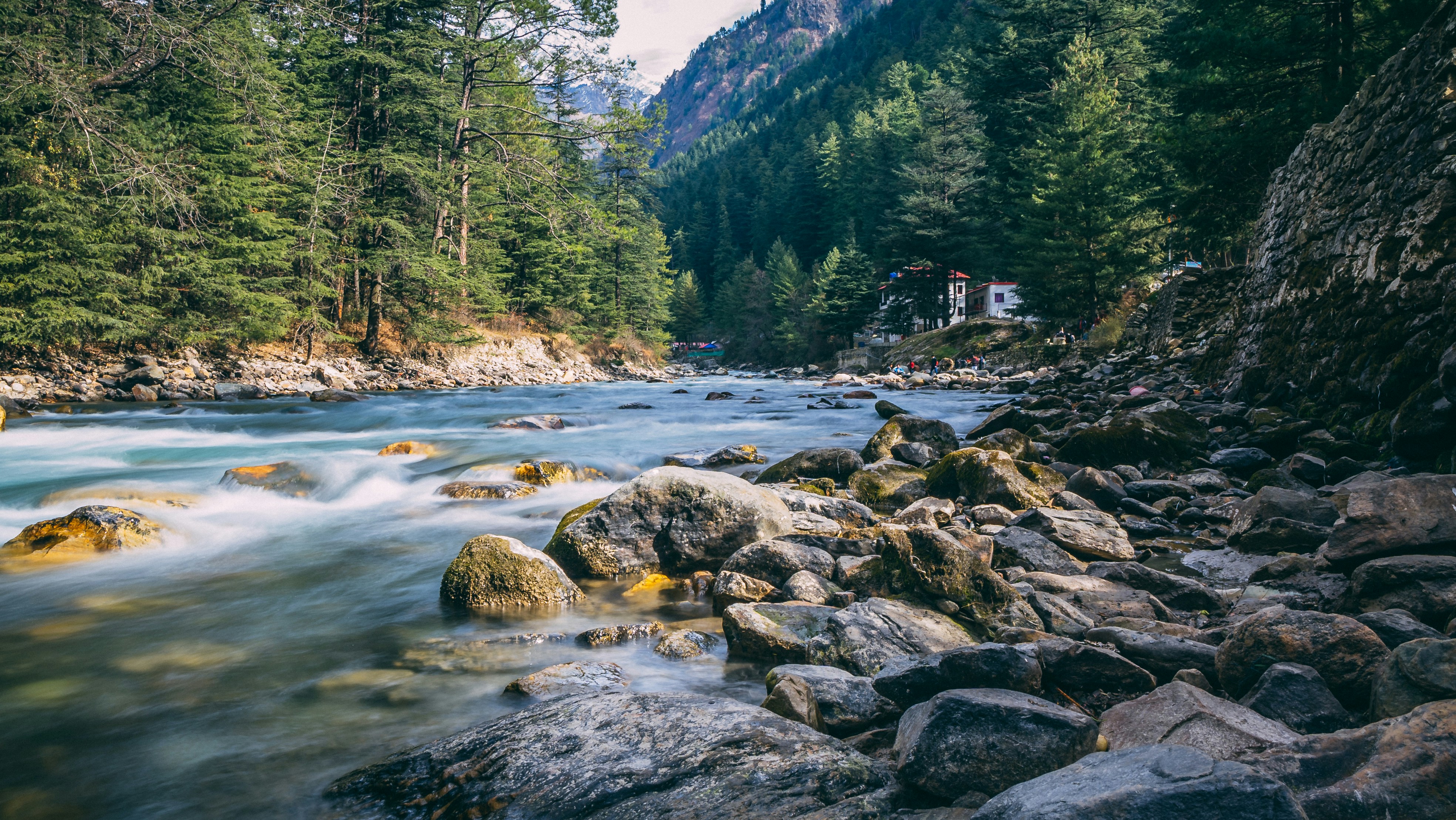
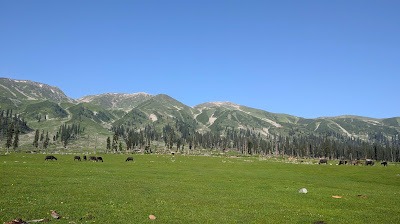
Surankote is situated along the banks of the Suran river which is a tributary of the Poonch river. With steep peaks, the valley is flanked by famous peaks like Tatakooti and Rattan pir. Deodar-lined slopes and green pastures form a picturesque backdrop.
The Surankote valley is famous for its alpine trekking routes, many of which lead to hidden jewels such as Nandan Sar Lake , Chandansar , and Katora Sar. These high-altitude lakes, frozen for much of the year, lie along some of the most remote and pristine trails in the region.
Gateway to Treks and Meadows
Surankote acts as the base camp for multiple Himalayan treks, attracting seasoned trekkers and nature photographers. Some of the most popular routes include
* Nandan Sar Trek: A striking oval-shaped lake located at over 3,500 meters, famous for its cobalt-blue waters.
* Katora Sar and Neel Sar Treks: Tucked higher in the Pir Panjal, these trails traverse through open meadows, herder settlements, and forest belts.
During summer, Bakarwal and Gujjar tribes set up camps across the valley and highland meadows, and their nomadic lifestyle adds a unique cultural element to the experience.
Cultural Landscape
Surankote isn’t just about natural beauty—it is also a place of ethnic diversity and religious The population primarily consists of Gujjars, Bakarwals, Paharis, and Kashmiris, many of whom speak Gojri or Pahari.
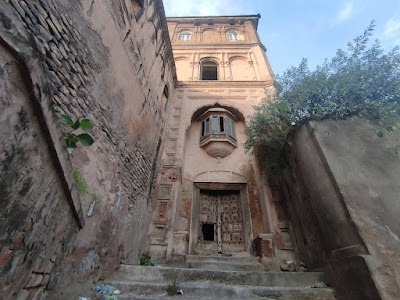
One of the revered sites in the valley is Ziarat Chhote Shah Sahib, a shrine visited by locals of all faiths. Traditional wooden houses, local folk music, and the hospitality of the mountain people offer an enriching cultural dimension for travellers.
Off-the-Beaten-Path Appeal
Surankote remains untouched by mass tourism. It’s a paradise for those looking for solitude, untouched nature, and authentic Himalayan living. The valleys around Surankote are filled with wildflowers during spring, and in autumn, the forests glow in golden and russet hues.
Wildlife such as Himalayan black bears, musk deer, and various species of pheasants are also known to inhabit the surrounding forests, though sightings are rare due to the dense cover and remoteness.
How to Reach Surankote
* By Road: Surankote is well-connected via road from Poonch (about 25 km) and Rajouri (around 90 km).
* By Air: The nearest airport is at Jammu, followed by a long but scenic drive through Rajouri and Poonch.
* Local Transport: Shared taxis and buses connect Surankote with neighbouring towns and villages.
Nearby Attractions to Surankote
Nestled amidst the scenic Pir Panjal Mountains in the Poonch district of Jammu and Kashmir, Surankote is a charming town known for its picturesque landscapes, rich cultural heritage, and strategic location along routes leading to some of the region’s most beautiful valleys and mountain passes. Surrounded by lush forests, rolling hills, and traditional Gujjar and Pahari settlements, Surankote serves as an excellent base for exploring the lesser-known treasures of the Pir Panjal region.
Loran Valley
Located a short drive from Surankote, Loran Valley is famous for its dense forests, alpine meadows, crystal-clear streams, and breathtaking mountain scenery. The valley is a popular destination for nature lovers, trekkers, and photographers seeking an offbeat Himalayan experience.
Mughal Road
One of the most scenic highways in Jammu and Kashmir, the historic Mughal Road connects Poonch with Shopian in Kashmir Valley. The route follows the path once used by Mughal emperors and passes through spectacular mountain landscapes, meadows, and forests.
Pir Ki Gali
Situated at an altitude of over 11,000 feet on the Mughal Road, Pir Ki Gali is among the most visited viewpoints in the Pir Panjal Range. Snow-covered slopes, panoramic mountain views, and cool weather make it a favorite stop for travelers.
Noori Chamb Waterfall
Located near Poonch, Noori Chamb is a beautiful waterfall associated with local legends of Empress Noor Jahan. Surrounded by greenery and rocky cliffs, it is an ideal spot for sightseeing and photography.
Poonch Fort
The historic Poonch Fort reflects a blend of Mughal, Rajput, and Dogra architectural influences. The fort offers valuable insights into the history of the Poonch region and remains one of its most significant landmarks.
Shri Buddha Amarnath Temple
Situated at Rajpura Mandi near Poonch, Shri Buddha Amarnath Temple is one of the most important pilgrimage sites in Jammu and Kashmir. Thousands of devotees visit the temple annually during the Buddha Amarnath Yatra.
Bufliaz
Bufliaz is a scenic mountain town located along the Mughal Road. It serves as a gateway to several trekking routes and valleys in the Pir Panjal region and is known for its pleasant climate and beautiful surroundings.
Seven Lakes Trek
Adventure enthusiasts visiting Surankote often undertake the famous Seven Lakes Trek. The route traverses alpine meadows, glacial lakes, and high mountain ridges, offering some of the most spectacular scenery in the Pir Panjal range.
Nandan Sar Lake
One of the most beautiful high-altitude lakes in the region, Nandan Sar is known for its pristine waters and serene environment. It is typically visited as part of multi-day trekking expeditions.
Girgan Dhok
A vast alpine meadow above Loran Valley, Girgan Dhok offers breathtaking views of the surrounding mountains and serves as a popular camping destination for trekkers.
Poonch City
The district headquarters of Poonch is known for its rich cultural traditions, historical monuments, bustling markets, and diverse cuisine. Visitors can explore local handicrafts and experience the unique culture of the Pir Panjal region.
Arai Valley
Situated near the Mughal Road, Arai Valley is famous for its lush meadows, forests, and scenic beauty. The valley becomes particularly vibrant during the summer months.
Google Maps
FAQs
1. Where is Surankote located?
Surankote is located in the Poonch district of Jammu and Kashmir, in the foothills of the Pir Panjal Mountains.
2. Why is Surankote famous?
Surankote is known for its scenic landscapes, cultural diversity, proximity to Mughal Road, and access to several valleys and trekking destinations.
3. What is the best time to visit Surankote?
The best time to visit is from April to October when the weather is pleasant and roads remain accessible.
4. How far is Surankote from Jammu?
Surankote is approximately 190–200 kilometers from Jammu, depending on the route taken.
5. Is Surankote suitable for family trips?
Yes. The town offers beautiful scenery, cultural experiences, and nearby attractions suitable for families.
6. Can tourists visit Mughal Road from Surankote?
Yes. Surankote serves as one of the primary gateways to the historic Mughal Road.
7. Are there trekking opportunities near Surankote?
Yes. Several trekking routes, including those leading to Loran Valley, Seven Lakes, and alpine meadows of the Pir Panjal range, are accessible from the area.
8. Does Surankote receive snowfall?
Yes. The town and surrounding higher-altitude areas receive snowfall during winter, particularly between December and February.
9. Are accommodation facilities available in Surankote?
Yes. Basic hotels, guesthouses, and lodges are available in Surankote, while additional accommodation options can be found in Poonch.
10. What languages are commonly spoken in Surankote?
Pahari, Gojri, Urdu, Hindi, and Kashmiri are commonly spoken in and around Surankote.