About Dodda Alada Mara
Nestled in the quiet village of Kethohalli near Bengaluru, Dodda Alada Mara, popularly known as the Big Banyan Tree, is one of Karnataka’s most fascinating natural attractions. Believed to be over 400 years old, this massive banyan tree has become a favorite weekend getaway for nature lovers, photographers, families, and travelers looking for a peaceful escape from city life. Spread across nearly 3 acres, the tree creates an enchanting green canopy that feels more like a miniature forest than a single tree.
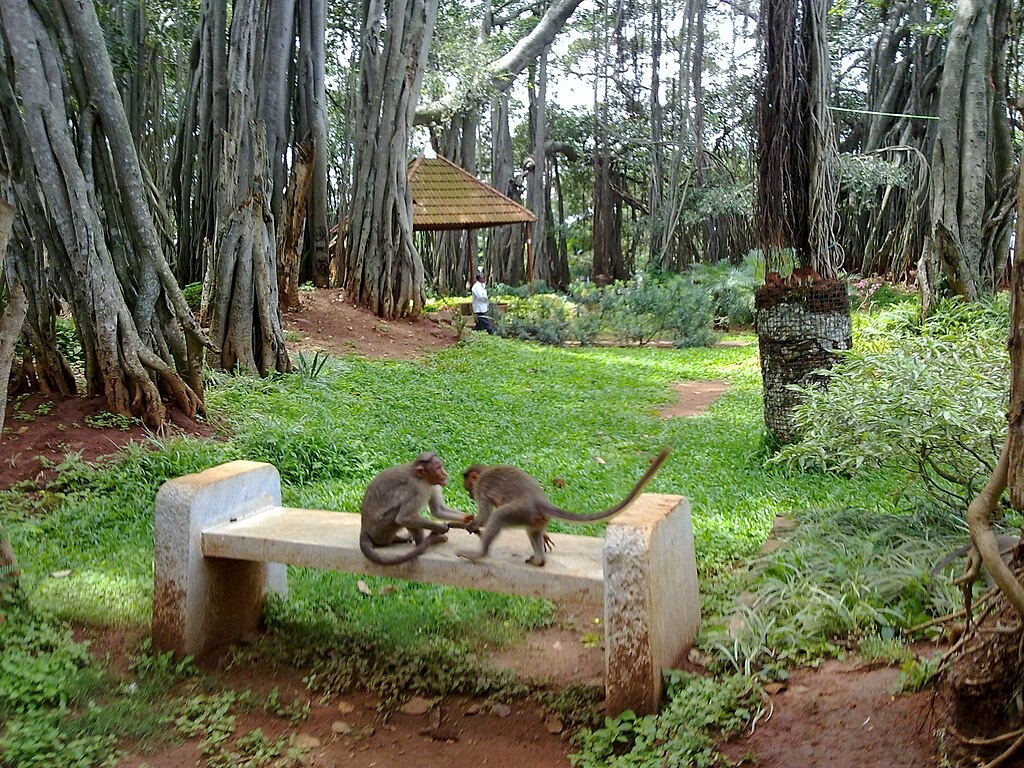
What makes Dodda Alada Mara truly remarkable is its enormous network of aerial roots. Over the centuries, these roots have grown downward into the soil and developed into thick trunks, making the tree appear like several interconnected trees standing together. The giant canopy provides cool shade throughout the year and creates a calm atmosphere that attracts visitors of all ages.
The site is well maintained and visitor-friendly. Pathways around the tree allow people to walk comfortably beneath the sprawling branches, while cement benches offer relaxing spots to sit and enjoy the surroundings. Dustbins and maintained grounds further enhance the experience, making it a pleasant location for picnics and short outings. Because of its scenic beauty and unique appearance, Dodda Alada Mara has also served as a popular filming location for Kannada and South Indian movies over the years.
The Historical and Natural Significance
Dodda Alada Mara is considered the second-largest banyan tree in India and the largest in Karnataka. The tree reportedly has a circumference of more than 250 meters, showcasing the incredible scale of this natural wonder. Although part of the original main trunk was affected by disease many years ago, the surviving aerial roots continued to grow and flourish, preserving the grandeur of the tree.
Walking beneath the canopy feels like entering a maze of wooden pillars and hanging roots. Sunlight filters softly through the dense leaves, creating a beautiful play of light and shadow on the ground. During mornings and evenings, the atmosphere becomes especially refreshing, making it an ideal place for photography and leisurely walks.
The tree also supports a small ecosystem. Birds, squirrels, insects, and other small creatures thrive within the vast branches, adding to the charm of the place. Nature enthusiasts often visit to observe the biodiversity and enjoy the peaceful environment away from urban noise.
Mythology and Spiritual Connection
Like many ancient banyan trees in India, Dodda Alada Mara carries deep spiritual symbolism. According to local beliefs and Hindu traditions, the banyan tree represents the holy trinity of Hindu gods. The roots symbolize Lord Brahma, the creator; the trunk represents Lord Vishnu, the preserver; and the branches stand for Lord Shiva, the destroyer and transformer.
Adding to the spiritual ambiance is a small temple dedicated to Lord Muneshwara, a form associated with Lord Shiva. Many visitors stop at the shrine to offer prayers before exploring the area. The temple, though simple, adds a sacred touch to the natural surroundings and reflects the close connection between nature and spirituality in Indian culture.
Scenic Ambiance and Visitor Experience
One of the main reasons Dodda Alada Mara remains popular is its peaceful and scenic atmosphere. The huge canopy offers relief from the heat, and the open space beneath the tree creates a naturally cool environment even during warmer months. Families often spread mats beneath the shade for picnics, while children enjoy exploring the maze-like arrangement of roots and trunks.
Photography enthusiasts are drawn to the dramatic visual patterns created by the hanging roots and thick branches. The location becomes especially photogenic during the monsoon and post-monsoon seasons when the foliage turns lush green. Early mornings are ideal for visitors who want to experience the place in silence with fewer crowds.
The calm surroundings also make it a suitable destination for meditation, reading, or simply spending quiet time in nature. Unlike crowded tourist spots, Dodda Alada Mara offers a slow and relaxing experience that allows visitors to reconnect with the outdoors.
Nearby Attractions
Mukti Naga Temple
Located around 3 kilometers from Dodda Alada Mara, the Mukti Naga Temple is another interesting attraction in the region. The temple is famous for housing one of the world’s largest monolithic statues of Lord Naga. The giant serpent statue stands approximately 16 feet tall and weighs nearly 36 tons. Devotees and tourists visit the temple for both its religious importance and impressive sculpture.
Manchanabele Dam
About 8 kilometers away lies the scenic Manchanabele Dam, a beautiful reservoir surrounded by hills and greenery. The area is popular for nature walks, photography, birdwatching, and adventure activities. During the monsoon season, the landscape around the dam becomes especially picturesque. Many travelers combine a visit to Dodda Alada Mara with a trip to Manchanabele for a full-day outing.
Best Time to Visit
The ideal time to visit Dodda Alada Mara is between October and February, when the weather remains pleasant and comfortable for outdoor exploration. Monsoon months also bring vibrant greenery to the area, though pathways may occasionally become muddy after heavy rain.
Morning and evening hours are the best times to explore the site, especially for photography and peaceful walks. Weekdays are generally less crowded compared to weekends and holidays.
How to Reach Dodda Alada Mara
Dodda Alada Mara is located near Kumbalagodu on Mysore Road, roughly 28 kilometers from Bengaluru city center. Reaching the destination is fairly convenient by both private and public transport.
By road, visitors can travel via Mysore Road and take the narrow road near Kumbalagodu junction that leads directly to the tree. The drive itself is scenic and pleasant.
For those using public transportation, buses are available from Majestic and KR Market toward Kengeri and Dodda Alada Mara. Some direct buses stop conveniently near the entrance, making it an accessible destination for budget travelers as well.
Things to Keep in Mind
- Avoid littering and help preserve the natural beauty of the area.
- Carry water bottles and snacks, especially if planning a picnic.
- Wear comfortable footwear, as visitors usually spend time walking around the roots and pathways.
- Early visits are recommended during weekends to avoid crowds.
- Be respectful around the temple and surrounding sacred spaces.
Maps and Location of Dodda Alada Mara
Situated 25 km from Bangalore City Junction
FAQs
Why is Dodda Alada Mara famous?
Dodda Alada Mara is famous for being one of the largest banyan trees in India. Its massive canopy, thousands of aerial roots, and peaceful natural surroundings make it a popular tourist attraction near Bengaluru.
How old is Dodda Alada Mara?
The banyan tree is believed to be more than 400 years old.
Where is Dodda Alada Mara located?
It is located in Kethohalli village near Kumbalagodu on Mysore Road, close to Bengaluru in Karnataka.
Is there an entry fee for Dodda Alada Mara?
Entry policies may change over time, but the location generally has either a minimal fee or free access for visitors.
What is the best time to visit Dodda Alada Mara?
The best time to visit is during the cooler months from October to February. Early mornings and evenings offer the most pleasant experience.
Are food and restroom facilities available nearby?
Basic facilities and small local shops may be available near the site, but carrying your own water and snacks is recommended.
Can families and children visit the place?
Yes, Dodda Alada Mara is suitable for families, children, nature lovers, and photographers. The shaded environment makes it comfortable for all age groups.
Which attractions can be visited along with Dodda Alada Mara?
Popular nearby attractions include Mukti Naga Temple and Manchanabele Dam, both of which are located within a short driving distance.