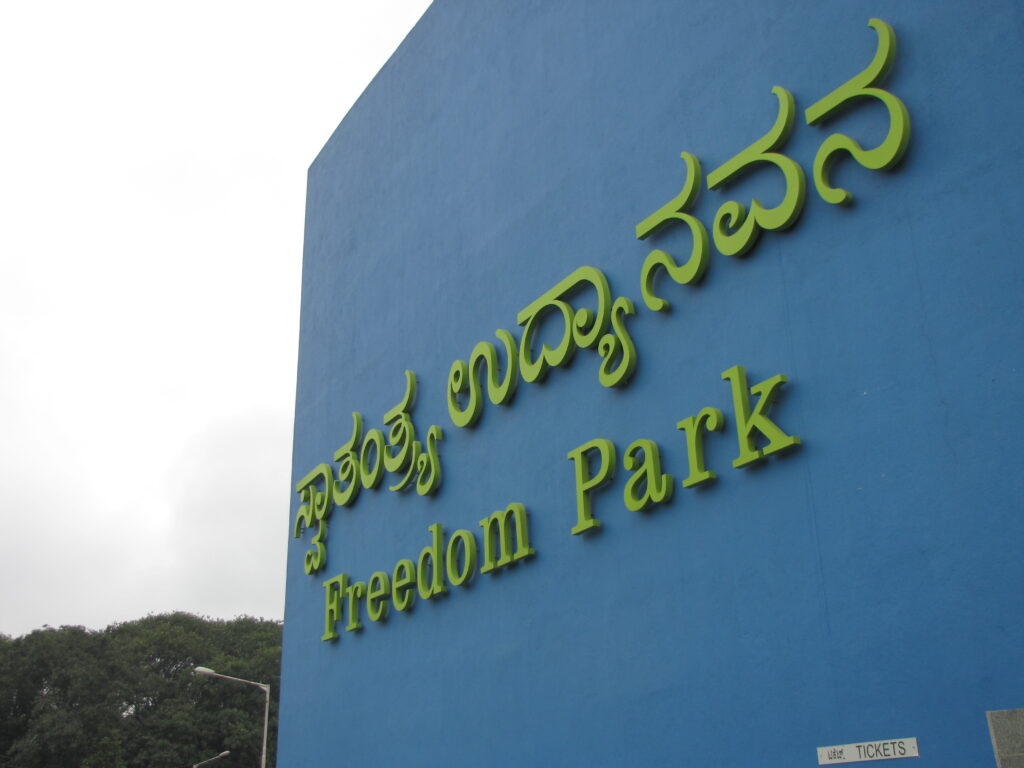
Image Source: Diham
About Freedom Park
In the middle of Bengaluru’s fast-moving urban landscape lies a place that quietly tells stories of resistance, democracy, and transformation—Freedom Park. More than just a recreational space, this historic park represents an important chapter in India’s political and social history. While Bengaluru is famous for green spaces like Lalbagh Botanical Garden and Cubbon Park, Freedom Park offers something very different. It combines open lawns and peaceful walkways with the preserved remains of a former prison, creating a space where history and public life exist side by side.
Located near Seshadri Road in central Bengaluru, Freedom Park once served as the city’s Central Jail. For decades, the prison housed freedom fighters, political activists, and prisoners involved in various social and political movements. During the Emergency period in India between 1975 and 1977, several political leaders and dissenters were imprisoned here, making the site deeply connected to the country’s democratic struggles. What was once a place associated with confinement and control has now become a symbol of openness, expression, and civic freedom.
History of Freedom Park
The original prison complex was constructed during the British colonial period and functioned as Bengaluru’s main jail for many years. Built with tall walls, guarded watchtowers, and tightly secured barracks, the structure reflected the rigid architecture typical of colonial prisons. After the prison was officially decommissioned in 2006, the Karnataka government decided not to demolish the site entirely. Instead, the area was transformed into a public park while preserving key sections of the old jail to protect its historical significance.
This thoughtful conversion gave Bengaluru a unique civic space unlike any other in the city. Rather than erasing the past, the redesign embraced it. The preserved prison structures now stand as reminders of the people who once occupied the cells and the political events connected to the site. Today, visitors walking through the park can still see traces of the old jail woven into the landscape.
Architecture and Layout
One of the most striking aspects of Freedom Park is how the old prison architecture has been integrated into a modern public park. The watchtowers still overlook the grounds, while sections of the barracks and prison walls remain intact. These structures create an atmosphere that feels both reflective and educational.
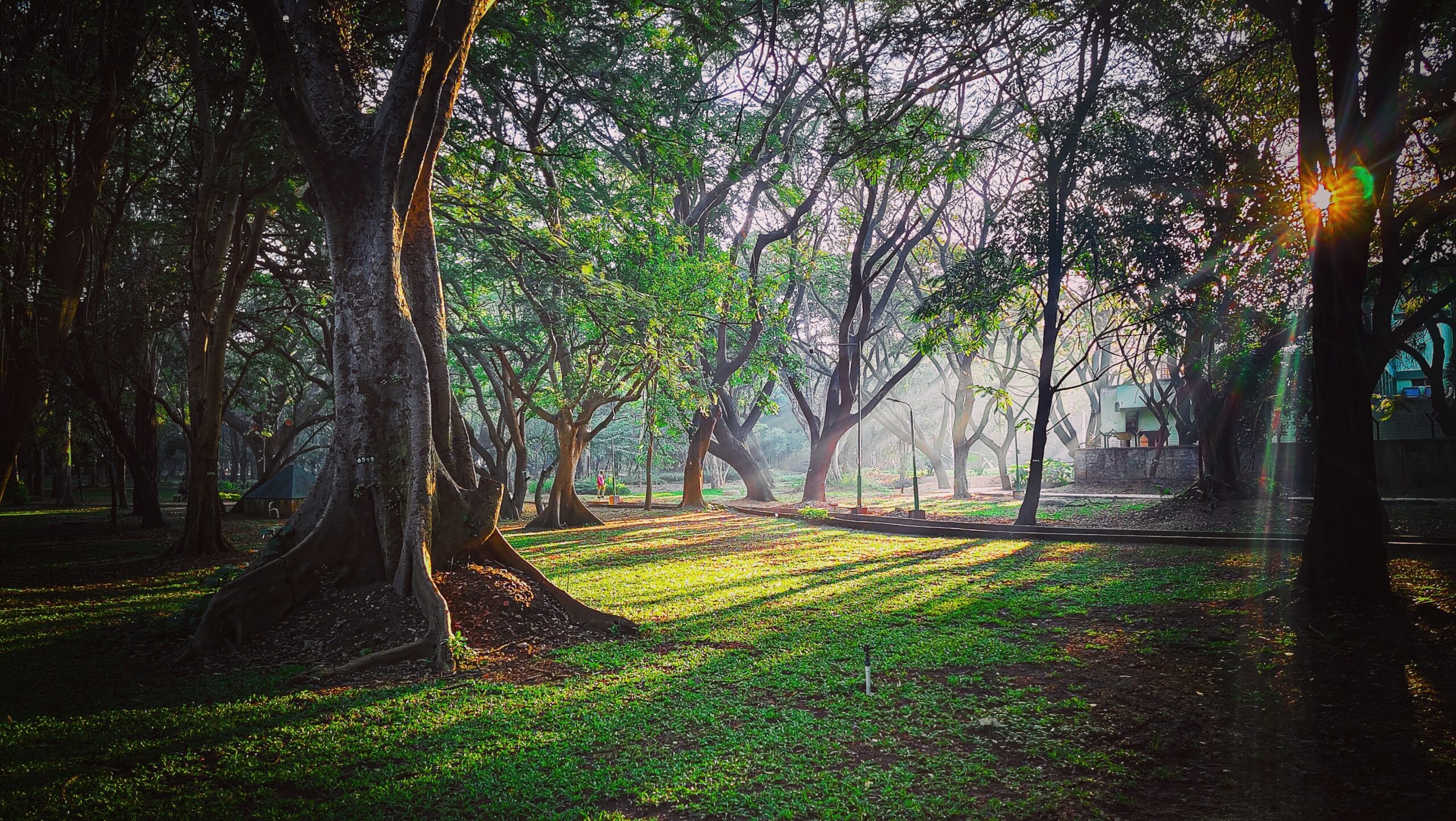
The park itself is spread across spacious landscaped grounds filled with lawns, shaded pathways, gardens, and open gathering spaces. The design allows visitors to experience both relaxation and history at the same time. Morning walkers, students, photographers, and families often visit the park to enjoy its peaceful environment away from Bengaluru’s traffic and noise.
Major Attractions Inside the Park
Freedom Park is known for several attractions that make it more than just a green space.
Prison Museum
One of the most important sections of the park is the prison museum. It offers insight into the lives of former inmates and explains the political and historical importance of the jail. Photographs, preserved cells, and historical displays help visitors understand the role the prison played during India’s freedom movement and later political events.
Amphitheatre and Open Spaces
The park also includes an amphitheatre used for cultural performances, discussions, public events, and social gatherings. Throughout the year, various cultural programs and awareness campaigns are hosted here, making the park an active civic and cultural venue.
Walking Tracks and Gardens
The walking paths and open lawns attract joggers, yoga enthusiasts, and people looking for a quiet place to relax. Despite being located in the city center, the park maintains a calm atmosphere with greenery and shaded seating areas.
Protest and Demonstration Area
Perhaps the most unique feature of Freedom Park is its officially designated protest zone. Bengaluru authorities identified the park as a lawful space for peaceful demonstrations and public gatherings. Over the years, students, activists, workers’ unions, farmers, and social organizations have gathered here to voice concerns and demand change. In this way, the park continues to uphold the spirit of democracy and freedom of expression.
Symbolism and Importance
Freedom Park stands as a powerful symbol of transformation. A site that once represented imprisonment and restriction has been turned into a place of openness, dialogue, and public participation. This transformation reflects the broader journey of India as a democratic nation.
Unlike many urban parks that focus only on recreation, Freedom Park carries emotional and historical depth. It reminds visitors that freedom, democracy, and civil rights were achieved through struggle and sacrifice. The preserved prison walls silently tell stories of resistance, courage, and political change.
For many Bengaluru residents, the park is not only a leisure destination but also a civic landmark. It represents the city’s commitment to preserving history while creating inclusive public spaces for future generations.
Best Time to Visit
The best time to visit Freedom Park is during the early morning or evening when the weather is pleasant. Bengaluru’s mild climate makes the park enjoyable for most of the year, although the post-monsoon months from October to February are especially comfortable for walking and sightseeing.
Nearby Attractions from Freedom Park
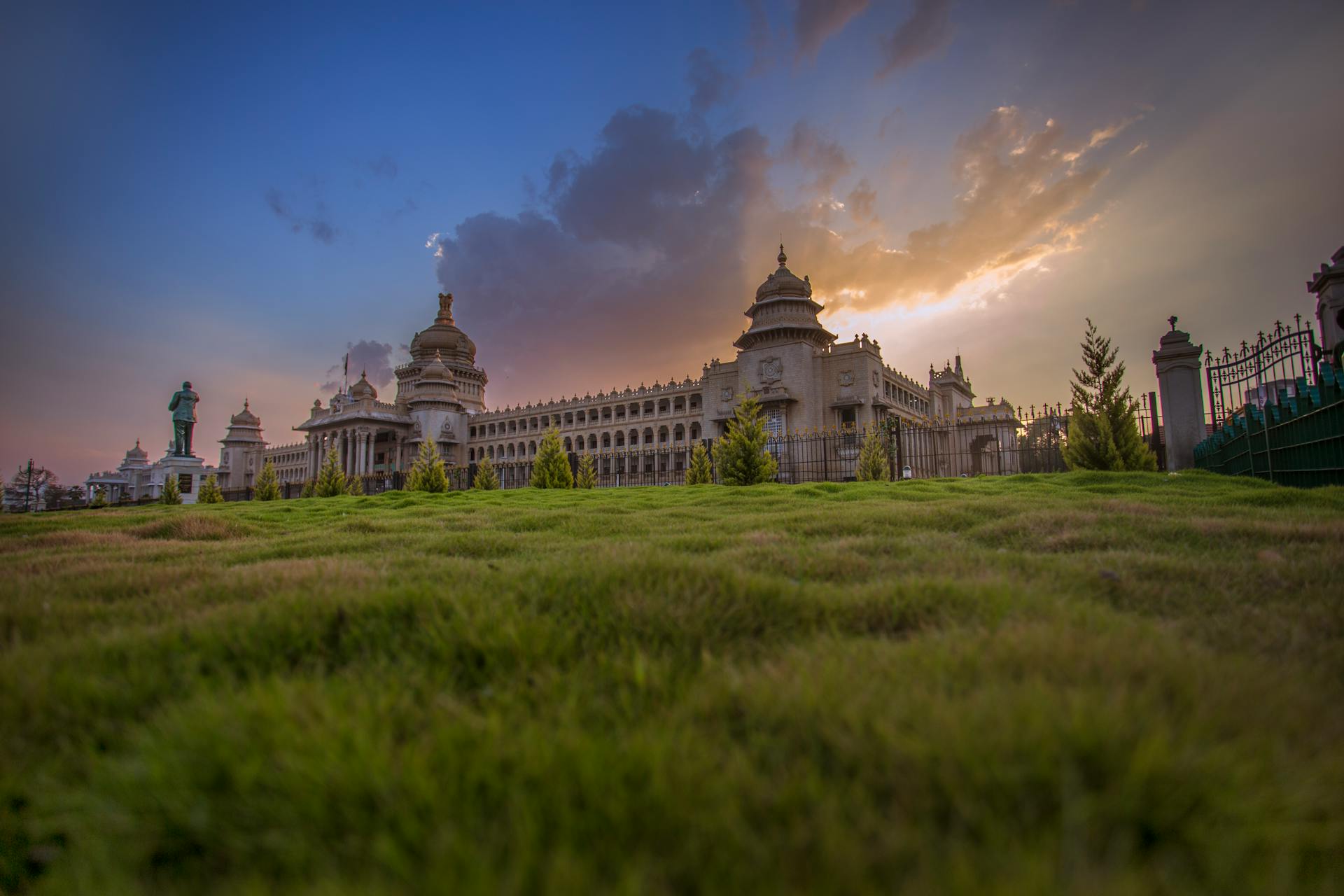
Vidhana Soudha
Located just a short distance from Freedom Park, Vidhana Soudha is one of Bengaluru’s most iconic landmarks. This magnificent granite building houses the Karnataka State Legislature and is admired for its grand Neo-Dravidian architecture. The illuminated structure in the evening is particularly impressive and attracts many visitors.
Cubbon Park
About 2 km from Freedom Park, Cubbon Park is a sprawling green oasis in the heart of the city. Spread across nearly 300 acres, it features tree-lined avenues, gardens, heritage structures, and walking trails, making it a favorite destination for nature lovers and families.
Jawaharlal Nehru Planetarium
Situated close to Freedom Park, the Jawaharlal Nehru Planetarium offers fascinating astronomy shows, interactive exhibits, and educational programs. It is a great place for children, students, and anyone interested in space science.
Visvesvaraya Industrial and Technological Museum
Located near Cubbon Park, this popular science museum features interactive exhibits on engineering, technology, space, and innovation. Named after the renowned engineer Sir M. Visvesvaraya, it provides an engaging learning experience for visitors of all ages.
Bangalore Palace
Around 4 km from Freedom Park, Bangalore Palace is known for its stunning Tudor-style architecture, elegant interiors, and royal heritage. Visitors can explore the palace grounds, grand halls, and historical artifacts associated with the Wadiyar dynasty.
Karnataka Government Museum
One of the oldest museums in South India, the Karnataka Government Museum houses a rich collection of archaeological artifacts, sculptures, coins, inscriptions, and paintings that showcase the region’s cultural and historical heritage.
National Gallery of Modern Art
Set within a beautifully restored colonial-era mansion, the National Gallery of Modern Art features works by some of India’s most celebrated artists. The peaceful gardens and thoughtfully curated exhibitions make it a rewarding cultural stop.
St. Mary’s Basilica
Located in the Shivajinagar area, St. Mary’s Basilica is one of Bengaluru’s oldest and most revered churches. Its Gothic-style architecture and spiritual significance attract both pilgrims and architecture enthusiasts.
Indira Gandhi Musical Fountain Park
Adjacent to Freedom Park, this family-friendly attraction is famous for its synchronized water, music, and light shows. Evening performances draw large crowds and provide an entertaining experience for visitors.
Kempegowda Tower
A short drive away, the historic Kempegowda Tower is one of the watchtowers built by Bengaluru’s founder, Nadaprabhu Kempegowda. It offers insight into the city’s early history and development.
How to Reach Freedom Park
Freedom Park is centrally located in Bengaluru and is easily accessible by road and metro. It lies close to major transport hubs such as Majestic Bus Station and Kempegowda Metro Station. Auto-rickshaws, taxis, and BMTC buses regularly connect the area with other parts of the city.
Google Maps
FAQs
Where is Freedom Park located?
Freedom Park is located near Seshadri Road in central Bengaluru, Karnataka.
What was Freedom Park before it became a public park?
Before becoming a park, the site functioned as Bengaluru Central Jail during the colonial and post-independence periods.
Why is Freedom Park historically important?
The park is historically significant because it once housed political prisoners, activists, and leaders, especially during the Emergency period in India.
Is Freedom Park only a historical site?
No, it is both a historical landmark and a recreational public park with walking tracks, gardens, cultural spaces, and protest zones.
Can protests be held at Freedom Park?
Yes, Freedom Park has an officially designated area for peaceful protests and public demonstrations.
Is there an entry fee for Freedom Park?
Entry policies may change occasionally, but the park is generally accessible to the public at minimal or no cost.
What can visitors see inside the park?
Visitors can explore preserved prison structures, a prison museum, gardens, open lawns, walking paths, and an amphitheatre.
What is the best time to visit Freedom Park?
Early mornings and evenings are ideal, especially during the cooler months between October and February.