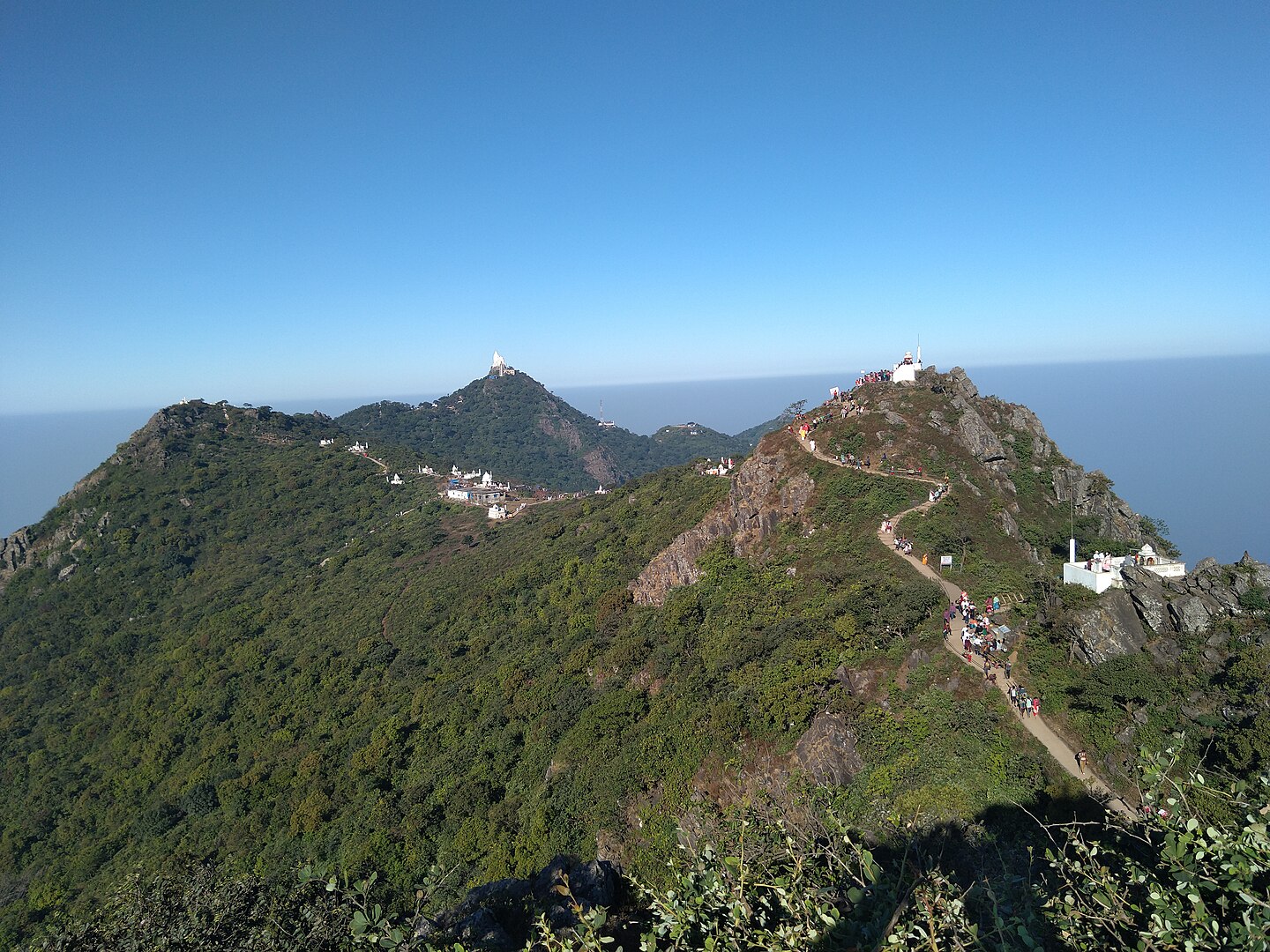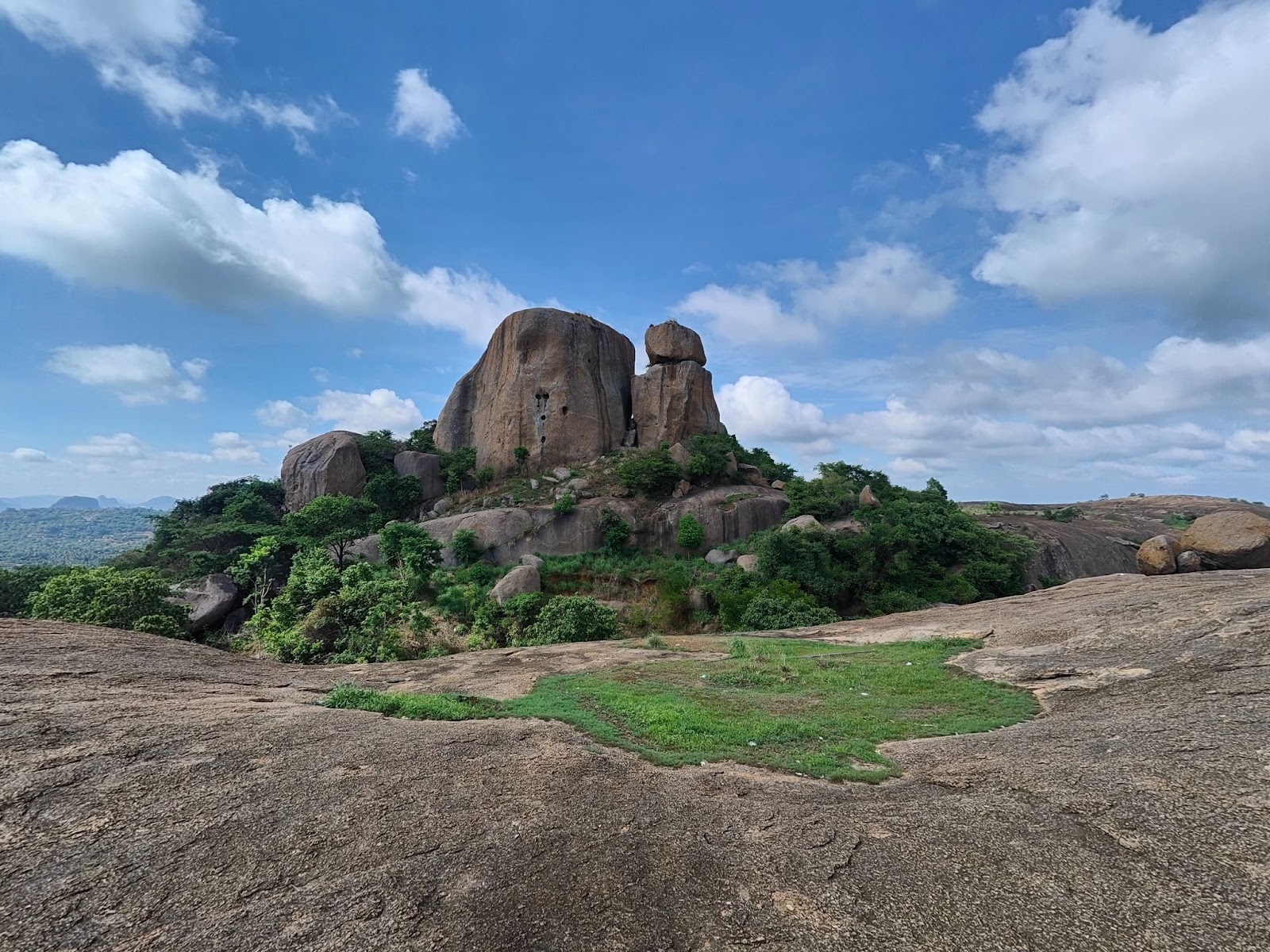
Image Source: saurabh araiyer
About Thimmappa Beeta
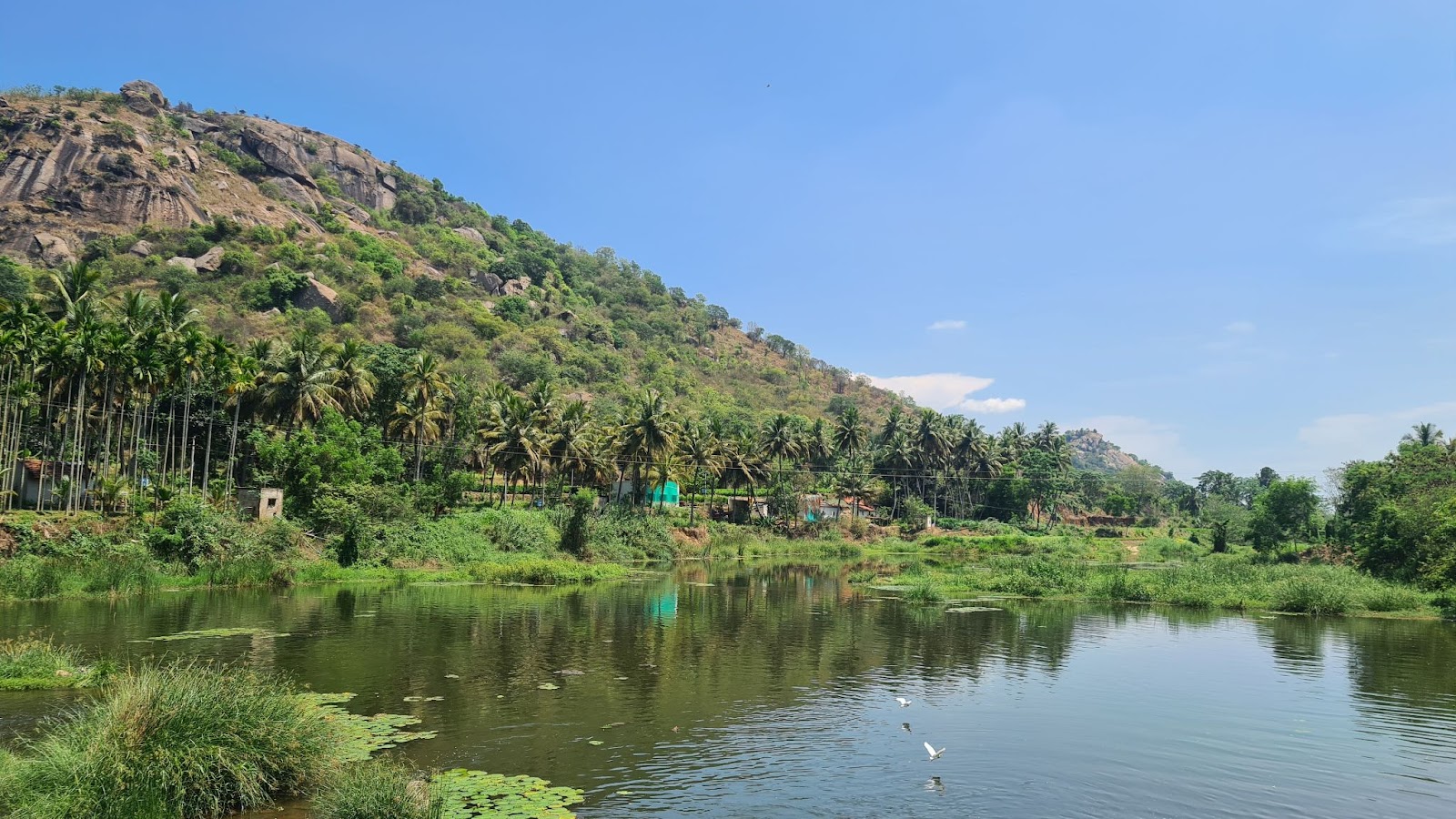
Renowned for its twin rocks and pristine surroundings, Thimmappa Beeta is a serene hill located in the Ramanagara district of Karnataka. An ideal spot for a peaceful retreat, the tranquil escape beckons nature and trekkers alike. The place is located just 63 km from Bangalore.
Location and Regional Context
Thimappana Betta lies in the rural hinterland of south-central Karnataka, surrounded by agricultural villages, grazing lands, rocky hillocks, and scrub forests typical of the Deccan plateau transitioning into the southern maidan region. The hill forms part of a chain of low granite outcrops that punctuate the landscape between Bengaluru Rural, Ramanagara, and Tumakuru cultural zones, areas historically shaped by pastoralism and dryland farming.
Thimappana as a Folk Form of Shiva
The deity worshipped here—Thimappana or Thimmappa—is a localized form of Lord Shiva, closer to the Virabhadra–Mallikarjuna–Someshwara folk continuum than to classical Agamic Shiva. In local belief, Thimappana is a raksha-devata, invoked for protection against drought, disease, livestock loss, and natural calamities. He is seen as stern yet compassionate, deeply responsive to village prayers.
Sacred Hill (Betta) in Kannada Folk Religion
In Kannada folk cosmology, bettas (hills) are natural abodes of divine power. Thimappana Betta follows this tradition, where elevation itself signifies closeness to the divine. The act of climbing the hill is considered a ritual of devotion, symbolizing effort, humility, and surrender before the deity. Such hill shrines often predate structured temple worship and are among the oldest religious sites in rural Karnataka.
Temple Structure and Vernacular Architecture
The shrine at the summit or mid-slope of Thimappana Betta is typically small and austere, built with locally available stone and minimal ornamentation. The sanctum houses a Shiva linga, or aniconic stone representation, emphasizing presence rather than iconography. The simplicity reflects folk Shaiva values, where ritual sincerity outweighs architectural grandeur.
Ritual Practices and Local Offerings
Worship at Thimappana Betta follows non-Brahmanical, community-driven rituals. Common offerings include coconuts, lemons, incense, oil lamps, and seasonal produce. Special prayers are offered during Amavasya, Mondays (Somavara), Shivaratri, and village festivals. Animal symbolism, sacred stones, and neem branches may be present, reflecting older ritual systems.
Role in Agrarian and Pastoral Life
Thimappana Betta holds particular importance for farmers, shepherds, and cattle-rearing communities. Before sowing seasons or during prolonged dry spells, villagers collectively seek the deity’s blessings. Such practices underline the temple’s role as a climatic and ecological guardian, deeply embedded in agrarian consciousness.
Oral Traditions and Local Legends
Local oral narratives describe Thimappana as a wandering ascetic who chose the hill as his abode or as a divine force that manifested to protect villages from hardship. These stories are transmitted through generations, especially during festivals and communal gatherings, preserving intangible heritage that rarely enters written history.
Connection with Regional Shaiva Landscape
Thimappana Betta forms part of a wider folk Shaiva network that includes hill shrines like SRS Betta, Revana Siddeshwara Betta, Huliyurdurga, and other gramadevata sites. Together, they reflect a sacred geography where hills, rocks, and forests are spiritually activated spaces.
Thimmappana Betta Ticket Price
The tickets to Thimmappana Betta are available from the Thimmappana Swamy Temple, which is located at the base of the temple. If you have a four-wheeler, then the charge is Rs 50, and for a bike, it’s Rs 20. In the past the bikes were allowed to go on top but due to mishaps, sometimes it’s allowed. You have to take permission from the authority.
Thimmappana Betta Trek
The trek to Thimmappana Betta is easy and takes around less than half an hour to cover the distance of 1 km . Once you reach the top, the sunset or sunrise view in the background of Twin Rocks looks amazing to the eyes .
Viewpoint
At the viewpoint of Thimappna betta, there are two temples. One is situated in close proximity, while the other requires a brief 15-minute walk. From the view, you can further trek to two rock boulders called twin rocks. Once you reach, the view of Savandurga Hills and Manchenbelle Dam is amazing.
Scenic roads
Easy accessibility from Bangalore makes Thimappana beeta a preferred location among the visitors. A journey from a well-maintained road leads up to the hill.
Less Crowded
Thimmappa Betta is not as popular as other tourist places. Being less crowded, you can enjoy the tranquillity and natural beauty without the hustle and bustle. As a lesser-known gem, Thimappana Betta remains less crowded, allowing visitors to enjoy the tranquillity.
Caution for Trekking
Due to steep rocks, there are limited options available for trekking in Thimappana betta.
During the monsoon, caution is advised due to slippery conditions.
Photography gear
Bring your camera or smartphone to capture the breathtaking views and the unique formation of Thimappana Betta. The twin rocks and the scenic surroundings make Thimappana Betta a favoured location for photography enthusiasts.
Footwear
Do carry comfortable shoes to explore the surroundings or embark on short walks to the viewpoints.
Best Time to Visit
The best time to visit is during sunrise or sunset and the best months are from November to February, when the weather is pleasant.
Timings
The best time to explore the fort is from 6 AM to 5 PM.
Maps and Location of Thimappana Betta
Parking facilities are available for Rs. 50 for a car and Rs. 20 for a bike.
10 km from Ramanagara Bus Stand, 63 km from Bangalore.
FAQS
- Q: What is Thimappana Betta?
A hill shrine dedicated to a folk form of Lord Shiva.
- Q: Where is it located?
In the rural South Karnataka region, within the Bengaluru–Ramanagara–Tumakuru cultural belt.
- Q: Who worships here?
Primarily local villagers, farmers, and pastoral communities.
- Q: What makes it different from major temples?
Its folk rituals, hill-based worship, and community-centered devotion.
- Q: Is it suitable for tourists?
Yes, for culturally sensitive visitors interested in living folk traditions.