Image Source: Sreeraj T
About Turahalli forest
Turahalli is raw and unmanicured, preserving the character of a true forest ecosystem within the expanding urban limits of Bengaluru. Located in the southern part of the city, near Uttarahalli, Kanakapura Road, and NICE Road, the forest is a rare remnant of the original Deccan plateau vegetation. For decades, Turahalli has quietly functioned as the city’s ecological buffer—moderating climate and supporting biodiversity.
Geographical Setting and Terrain
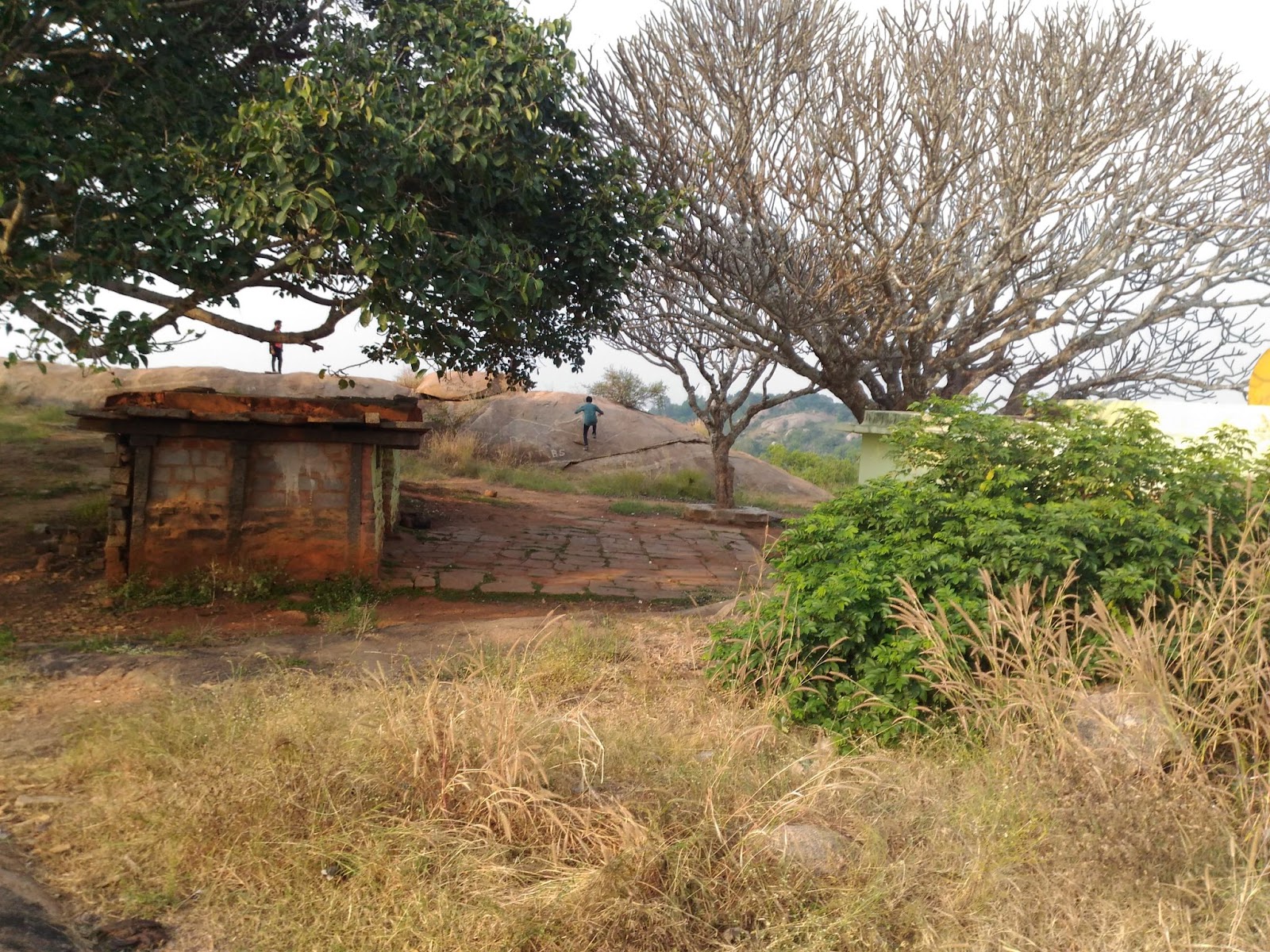
The Turahalli forest is spread over granite terrain typical of the Bengaluru plateau with rocky hillocks, shallow soil layers, and natural slopes. The forest sits at an elevation of roughly 850 to 900 meters above sea level, which contributes to cooler microclimatic conditions in surrounding neighborhoods such as Subramanyapura, JP Nagar Phase 8, and Uttarahalli. During monsoons, rainwater flows slowly through the forest floor, allowing groundwater recharge rather than rapid runoff, a function that is increasingly rare in urban Bengaluru.
Historical Background and Forest Status
Historically, Turahalli Forest was notified as a Reserved Forest in the early twentieth century, during the British colonial period, to regulate wood extraction and prevent land degradation. Before formal notification, local agrarian communities relied on the forest for seasonal grazing, firewood, and medicinal plants. Over time, government-led afforestation introduced non-native species, particularly eucalyptus, altering the forest’s original composition. Despite these changes, Turahalli has retained its status as a legally protected forest, even as urban infrastructure has encroached on its boundaries.
Vegetation and Plant Life
The vegetation of Turahalli Forest reflects a dry deciduous and scrub forest ecosystem adapted to low rainfall and rocky soil. Native species such as neem, tamarind, acacia, albizia, and cassia coexist with large stretches of eucalyptus plantations introduced during earlier forestry programs. The forest floor supports hardy grasses, shrubs, and seasonal herbs that bloom briefly after rains. Though altered, this vegetation still plays a crucial role in soil stabilization, carbon absorption, and maintaining local ecological balance.
Wildlife and Urban Biodiversity
Despite its urban surroundings, Turahalli Forest supports a surprising range of wildlife. Peafowl, monitor lizards, porcupines, and jackals have been reported, along with several species of snakes and small mammals. The forest is particularly important for birds, serving as nesting and foraging habitat for both resident and migratory species. Butterflies, bees, and other pollinators thrive here, making Turahalli an essential biodiversity pocket in a city where natural habitats are rapidly disappearing.
Social and Cultural Relationship with the Forest
For nearby residents, Turahalli Forest is woven into everyday life rather than viewed as a tourist destination. Morning walkers, trail runners, cyclists, and yoga practitioners regularly use its natural paths. Older residents recall a time when the forest was treated with quiet reverence, guided by unwritten rules that discouraged noise, littering, and nighttime disturbance. Certain rocky clearings and old trees are still regarded with respect, reflecting lingering folk beliefs about nature spirits and sacred spaces.
Recreation and Nature-Based Activities
In recent years, Turahalli has become popular among fitness enthusiasts due to its steep trails and rugged terrain. Mountain bikers and endurance runners consider it one of the few places in Bengaluru offering natural elevation training. Unlike manicured parks, there are no paved paths, benches, or lighting, which has helped preserve the forest’s wilderness character.
Environmental Threats and Urban Pressure
Turahalli Forest faces continuous pressure from Bengaluru’s expanding infrastructure, including road-widening projects and connectivity proposals. Fragmentation of forest land threatens wildlife movement, groundwater systems, and overall ecological health. Illegal dumping and edge-zone encroachments further degrade sensitive areas. Over the years, citizen groups and environmental activists have played a crucial role in opposing destructive development and advocating for the forest’s protection.
Ecological Importance for Bengaluru
As one of the few remaining forest tracts in South Bengaluru, Turahalli plays a vital role in regulating temperature, improving air quality, and reducing the urban heat island effect. The forest acts as a carbon sink and helps recharge groundwater aquifers that support surrounding localities. Its loss would intensify flooding, heat stress, and ecological imbalance in an already strained city environment.
Responsible Visitation and Conservation Ethics
Turahalli Forest survives not through heavy fencing or commercialization, but through restraint and public responsibility. Visitors are expected to carry back waste, avoid loud disturbances, and stay on existing trails. The forest’s continued existence depends on collective awareness that it is not recreational real estate but a living ecosystem that requires protection.
Cycling Trails
Turahalli Forest is renowned for its cycling trails. Many cycling enthusiasts are attracted to the region. The absence of vehicle traffic also helps in the rise of cycling.
Nearby Attractions
Banashankari Temple : Ancient temple on Kanakapura Road.
ISKCON South (Vasanthapura): Peaceful spiritual centre.
NICE Road Flyover Viewpoint : Great for sunset drives.
Thattekere Lake: (a bit farther, for birdwatching lovers).
Itinerary
Half Day Trip Plan (Morning):
5:30 AM – Leave Bangalore
6:00 AM – Reach Turahalli
6:30 AM – Trek to Sunrise Point
7:00 AM – Photography + Chill
8:00 AM – Nature walk + Rock Climbing
9:30 AM – Head back and stop for breakfast nearby
11:00 AM – Back home or explore nearby attractions
Shani Temple
Adding a spiritual ambiance to the Turahalli forest, there is a Shani temple situated on the rocky hill.The place offers both spiritual and panoramic views of the surrounding area.
Things to keep in mind
Vehicle Ban
Vehicles are banned in the forest; only driving up to the entrance is allowed.
Carry Food
Do carry your own food and water because there are eateries or food stalls with in the forest
Timings
The best time to explore the forest is from 6 a.m. to 6 p.m.
Entry to the forest is free.
Best Time to Visit
The forest is open all year round
Early mornings (6–9 AM) are ideal for cool weather, wildlife sightings, and stunning sunrises.
Post monsoon (August–December) brings lush greenery and clean air.
Avoid afternoons in summer, as it can get dry and hot.
Maps
FAQS
- Q: Where is Turahalli Forest located?
Turahalli Forest is located in South Bengaluru, near Uttarahalli, Kanakapura Road, and NICE Road.
- Q: Is Turahalli Forest a protected area?
Yes, it is a legally notified Reserved Forest.
- Q: What type of ecosystem does Turahalli represent?
It is primarily a dry deciduous and scrub forest typical of the Deccan plateau.
- Q: Can the public visit Turahalli Forest?
Yes, it is open to the public and commonly used for walking, cycling, and nature activities.
- Q: Why is Turahalli Forest important to Bengaluru?
It supports biodiversity, regulates climate, improves air quality, and aids groundwater recharge.