Image Source: Venkatakrishnan Swaminathan
About Shri Mauli Devi temple
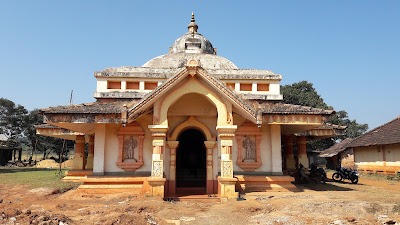
Nestled in the serene forests of Kankumbi village in Belagavi district, Karnataka, the Shri Mauli Devi temple is one of the most sacred Shakti shrines in the Western Ghats. Worshipped as a mother goddess, protector, and presiding deity of the region, Mauli Devi continues to inspire faith not only in Karnataka but also in neighboring Goa and Maharashtra. The temple is a powerful blend of mythology, history, and natural sanctity, drawing pilgrims and nature lovers alike.
Who is Shri Mauli Devi?
Shri Mauli Devi is revered as Parvati-Ambadevi, a manifestation of Shakti. She was originally worshipped at Maulichi Rai in the Vagheri hills of Sattari, Goa, before her presence became established in Kankumbi. Locals believe that the goddess, like a vigilant mother, would travel at night to protect her people.
One night, while visiting Kankumbi, she could not return to her original abode before dawn and thus remained in the village. Recognizing her divine decision, the villagers built a shrine in her honor, which became the present-day Mauli Devi Gudi of Kankumbi. Since then, she has been regarded as the guardian deity of the region.
Her Relations and the 12-Year Zatra
One of the most remarkable traditions associated with Mauli Devi is the grand Zatra (festival) held once every 12 years, when devotees from Karnataka, Goa, and Maharashtra gather in Kankumbi. The festival coincides with the rare astronomical event of Jupiter (Guru) entering the Capricorn constellation that adds to the cosmic significance to the ritual.
Two Foundations of the Zatra
Promise to Nandi:
According to folklore, Nandi—the devoted bull of Lord Shiva—was fatally wounded by a tiger. Before his death, he sought blessings from Jagdamba Devi and associated deities. In response, the deities promised to remember him every 12 years by gathering at this sacred spot. The Zatra thus honors this divine promise.
Family Reunion of Goddesses:
The Zatra also symbolizes a cosmic family gathering. Sister goddesses from villages in Maharashtra (Kodali, Gulamb, Kalasgade), Karnataka (Chigule, Gunji, Kapoli), and Goa (Parye, Zarme) visit Kankumbi to reunite with their younger sister Shree Mauli Devi. They are accompanied by Shree Ravalnath, who is revered as Mauli Devi’s brother and also resides in Kankumbi. This reunion is believed to occur when the sacred waters of Ganga and Bhagirathi make a mystical appearance at the Tirtha Sthan.
This spectacular convergence of goddesses, devotees, and sacred waters turns the Zatra into one of the most spiritually charged festivals of the region.
Sacred Geography: Connection to Shiva and Rivers
The landscape around Kankumbi is not only scenic but also deeply sacred. Local lore connects it to Lord Shiva and his disciples:
A sage named Kulak, a disciple of Lord Shiva, once lived in this region and established a Gurukul.
Pleased with his devotion, Lord Shankar (Shiva) gifted him a Shivling, which is today enshrined at the nearby Shree Rameshwar Temple.
The rivers Malaprabha and Kalsa (a tributary of the Mhadei/Mandovi) both originate in this divine setting. These rivers flow through the Rameshwar Temple pool, then pass into the Mauli Devi temple’s bathing pool, and finally reach the Tirtha Sthan, cementing the spiritual and ecological bond between the goddess, the land, and its waters.
Festivals, Rituals, and Worship
Daily Worship: Devotees offer flowers, coconuts, and prayers to seek blessings for health, prosperity, and family harmony.
Navaratri: The nine days of Navaratri are celebrated with great fervor, with lamps, hymns, and cultural performances.
The 12-Year Zatra: The grandest celebration, attracting tens of thousands, blending pilgrimage, fair, and cultural heritage into a single event.
The temple also emphasizes community unity, with rituals performed collectively by families who have preserved traditions for generations.
Tourism and Nearby Attractions
Shri Mauli Devi Gudi is not only a pilgrimage site but also a cultural and ecological treasure. Visitors often combine their temple visit with exploring the natural beauty and heritage of the region:
Shree Rameshwar Temple – An ancient Shiva temple connected to Mauli Devi through lore and sacred rivers.
Origin of Malaprabha River – A must-see for nature lovers and pilgrims alike.
Bhimgad Wildlife Sanctuary – Rich in biodiversity and caves, offering trekking opportunities.
Goa-Karnataka Border Forests – Scenic drives through lush greenery.
How to Reach Shri Mauli Devi Gudi
By Road: Kankumbi is about 60 km from Belagavi city. KSRTC buses, private vehicles, and taxis are available. It is also accessible from Goa via Chorla Ghat.
By Rail: The nearest station is Belagavi Railway Station, well connected to Bengaluru, Mumbai, and Hubli. From there, taxis or buses reach Kankumbi.
By Air: The nearest airport is Belagavi Airport (70 km), with regular flights to major cities.
Best Time to Visit: The temple is vibrant year-round, but Navaratri and the rare 12-year Zatra are the most spiritually charged times. The monsoon months also bring lush greenery, enhancing the experience.
Google Maps
FAQs
1. Where is Shri Mauli Devi Temple located?
Shri Mauli Devi Temple is situated near Kankumbi in Belagavi (Belgaum) district, Karnataka, amidst the lush forests of the Western Ghats close to the Goa-Karnataka border.
2. Which deity is worshipped at Shri Mauli Devi Temple?
The temple is dedicated to Goddess Mauli Devi, who is revered as a form of Parvati or Ambadevi and is considered the presiding deity of the region.
3. Why is Shri Mauli Devi Temple famous?
The temple is renowned for its spiritual significance, serene natural surroundings, and the deep devotion of pilgrims from Karnataka, Goa, and Maharashtra who visit to seek the blessings of Mauli Devi.
4. What is the best time to visit Shri Mauli Devi Temple?
The ideal time to visit is between October and February when the weather is pleasant. The monsoon season also offers beautiful greenery, though heavy rainfall may affect travel plans.
5. Is there an entry fee to visit the temple?
No, there is generally no entry fee for devotees and visitors wishing to visit the temple and offer prayers.
6. How can I reach Shri Mauli Devi Temple?
The temple can be reached by road from Belagavi, Khanapur, and Panaji (Goa). The nearest railway station is Khanapur, while the nearest major airport is Belagavi Airport.
7. Are any major festivals celebrated at the temple?
Yes. The temple attracts large gatherings during annual religious festivals and special fairs (jatras). One of the most significant celebrations draws devotees from neighboring states.
8. Are accommodation facilities available near the temple?
Basic accommodation and lodging options are available in nearby towns such as Khanapur, Kankumbi, and Belagavi. Visitors can also find hotels and guesthouses in Goa, which is relatively close to the temple.
9. Is photography allowed inside the temple premises?
Photography is usually permitted in the outer premises, but restrictions may apply inside the sanctum sanctorum. Visitors should follow the temple authorities’ guidelines during their visit.
10. What other attractions can be visited near Shri Mauli Devi Temple?
Visitors often combine their temple visit with trips to the forests of the Western Ghats, Bhimgad Wildlife Sanctuary, Khanapur, Dudhsagar region, and nearby attractions in Goa, making it a rewarding spiritual and nature-filled excursion.