
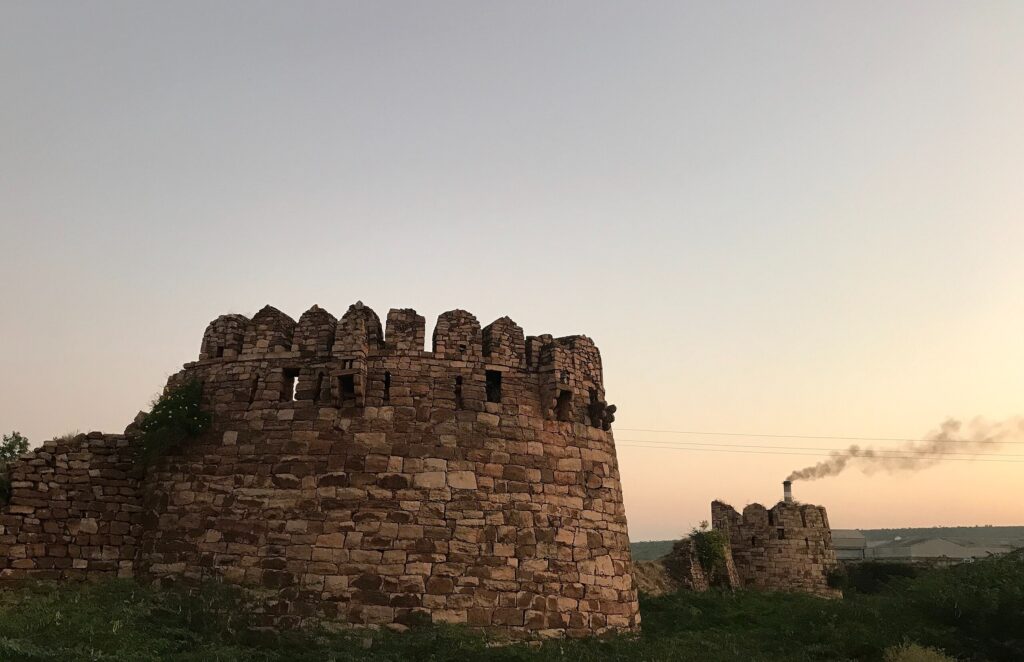
About Torgal Fort
In the northern reaches of Karnataka, amidst the historic landscapes of Belagavi district, lies the Torgal Fort, a lesser-known but culturally and historically significant site. Once a seat of local power, this fort played a crucial role in the regional politics of the Adil Shahi period and later came under the Marathas and the Peshwas. Today, although parts of it lie in ruins, Torgal Fort continues to stand as a reminder of Karnataka’s turbulent medieval history and its blend of military, architectural, and religious heritage.
History
Torgal Fort traces its prominence back to the Adil Shahi dynasty of Bijapur (15th–17th centuries). The region of Torgal was granted as a jagir (feudal estate) to local chieftains who administered the area under the suzerainty of the Bijapur Sultans. The fort served both as a defensive bastion and administrative center.
When the Marathas rose to power in the 17th century, Torgal Fort became part of their expanding territory. During the times of the Peshwas, it emerged as an important frontier post controlling trade and movement between Karnataka and Maharashtra. Historical records also suggest that British forces engaged with Maratha troops in and around Torgal during the 18th century as part of the Anglo-Maratha struggles.
Architecture
The Torgal Fort is built primarily of stone masonry and follows the Deccan fort architectural style with Islamic and Maratha influences. Key features include:
Fort Walls and Bastions: Strong ramparts with rounded bastions built for watchtowers and artillery.
Gateways: The fort’s gateways reflect Islamic-style arches with defensive designs.
Inside Structures: Within the fort precincts are remnants of palaces, administrative buildings, and temples.
Water Tanks: Like many forts in the region, Torgal Fort has stepwells and tanks, highlighting the planning for sustainability during sieges.
The architectural blend suggests continuous occupation and renovation across different ruling powers.
Cultural and Religious Significance
Apart from its military history, Torgal is also known for its ancient temples and dargahs that coexist within and around the fort area. Temples dedicated to Shiva, Hanuman, and local deities are still places of worship for the community. The presence of Islamic structures from the Adil Shahi period highlights the syncretic cultural fabric of the fort town.
Present Condition
Today, Torgal Fort is partially ruined but still retains much of its grandeur. Overgrown vegetation covers parts of the bastions, yet the imposing gateways and stone structures remind visitors of its once strategic role. Some restoration efforts have been undertaken by the Archaeology Department of Karnataka, though much of the fort still awaits preservation. For history enthusiasts and heritage explorers, it offers a raw, authentic experience of medieval Karnataka.
Tourist Importance
Torgal Fort is an offbeat heritage site. Visitors often combine it with nearby attractions such as:
Saundatti Fort and Renuka Sagar Dam
Temples in Munvalli and Ramdurg region
Local religious fairs and village festivals that highlight North Karnataka’s culture
The fort also appeals to travelers interested in architecture, photography, and history trails across Belagavi district.
How to Reach
By Road: Torgal is about 12 km from Ramdurg, 35 km from Saundatti, and 90 km from Belagavi. KSRTC buses and private vehicles connect it well to nearby towns.
By Rail: The nearest railway stations are Dharwad (70 km) and Belagavi (90 km).
By Air: The closest airports are Hubli Airport (75 km) and Belagavi Airport (90 km).