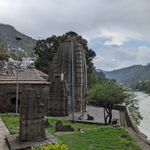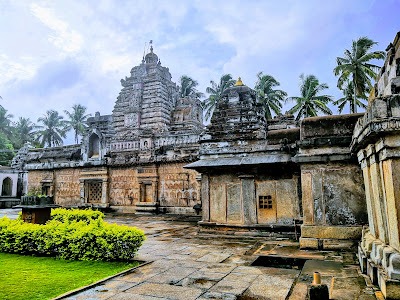
Image Source: Arunachala Yalagach
About Madhukeshwara Temple
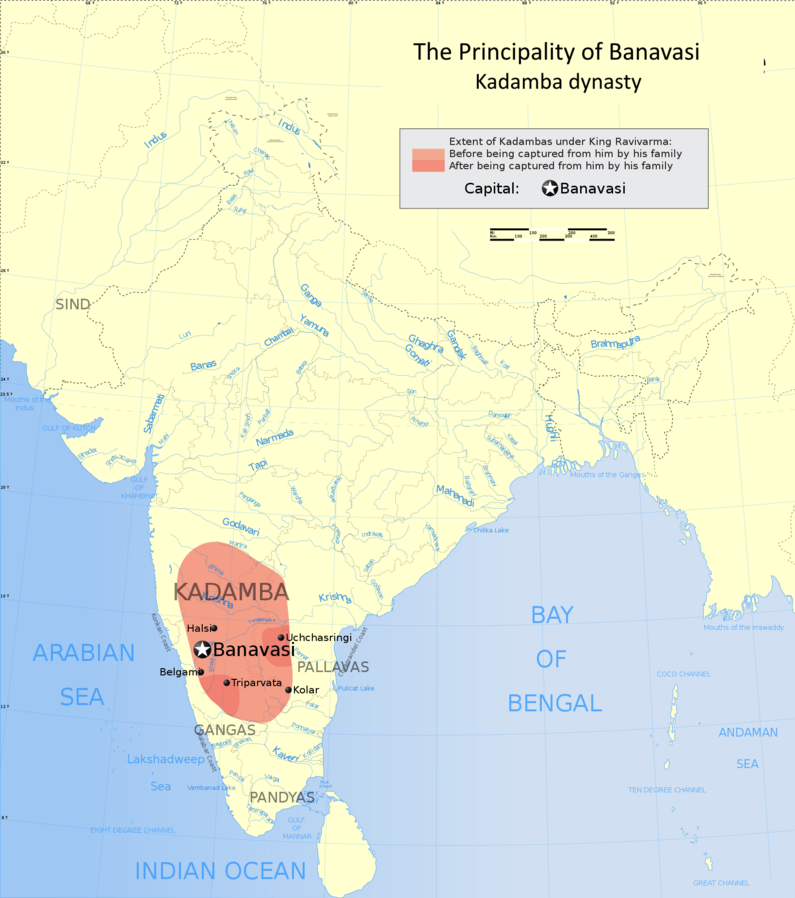
Nestled in the historic town of Banavasi, the ancient Madhukeshwara Temple stands as one of Karnataka’s oldest and most revered Shiva temples. Dedicated to Lord Shiva, this sacred shrine reflects the rich cultural and architectural legacy of the Kadamba dynasty, one of the earliest native ruling dynasties of Karnataka. Banavasi itself was once the flourishing capital of the Kadambas, making the temple not only a place of worship but also an important historical landmark.
Surrounded by lush greenery and the tranquil atmosphere of the Western Ghats region, the temple attracts devotees, history enthusiasts, and architecture lovers alike. Its timeless stone structures, intricate carvings, and spiritual ambiance offer visitors a glimpse into Karnataka’s ancient heritage and religious traditions.
History
The origins of Madhukeshwara Temple date back many centuries, with historians tracing its foundation to the Kadamba period around the 9th century. Over time, the temple received additions and renovations from several ruling dynasties, including the Chalukyas and Hoysalas, each contributing distinct architectural elements to the complex.
The name “Madhukeshwara” is believed to have originated from the honey-colored Shiva Lingam enshrined inside the sanctum. According to local legends, the lingam has a unique golden-brown appearance resembling honey, which makes it especially sacred among devotees.
Banavasi is also mentioned in ancient Sanskrit literature and inscriptions, further highlighting the temple’s historical importance. Even today, the temple remains a living center of worship where centuries-old rituals continue uninterrupted.
Architecture of Madhukeshwara Temple
Madhukeshwara Temple is regarded as one of the architectural gems of ancient Karnataka. Constructed primarily from granite stone, the temple showcases a simple yet elegant style that reflects early South Indian temple architecture. Unlike heavily ornamented temples of later periods, Madhukeshwara Temple carries a restrained beauty, with minimal yet graceful carvings on its walls and pillars.
Inside the garbhagriha, or sanctum sanctorum, resides the temple’s main deity — the famous honey-colored Shiva Lingam. This sacred lingam is the spiritual heart of the temple and draws countless devotees throughout the year. Facing the sanctum is a beautifully sculpted Nandi statue, symbolizing devotion and serving as the divine vehicle and protector of Lord Shiva.
As different dynasties ruled the region, new sections were gradually added to the temple complex. The Chalukyas constructed the Sankalpa Mantapa, while the Hoysalas later added the Triloka Mantapa. These halls are especially admired for their finely carved stone pillars and detailed craftsmanship. The blend of Kadamba simplicity with Chalukya and Hoysala artistic influences gives the temple a unique architectural identity.
Another fascinating feature of the temple is its peaceful courtyard, ancient inscriptions, and weathered stone surfaces that silently narrate stories from centuries past.
Spiritual Atmosphere and Cultural Importance
The temple is not merely a historical monument; it continues to be an active spiritual center for devotees of Lord Shiva. Daily rituals, prayers, and traditional ceremonies are performed with deep devotion. During major Hindu festivals such as Maha Shivaratri, the temple becomes especially vibrant, attracting pilgrims from across Karnataka and neighboring states.
The calm surroundings of Banavasi enhance the spiritual experience. The sound of temple bells, the fragrance of incense, and the sight of ancient stone architecture together create an atmosphere of serenity and devotion.
Kadambotsava Festival
One of the most exciting times to visit Madhukeshwara Temple is during Kadambotsava, a grand annual cultural festival organized by the Karnataka government in December. The festival celebrates the glorious heritage of the Kadamba dynasty and the cultural richness of the region.
During Kadambotsava, Banavasi comes alive with colorful cultural performances, folk dances, Yakshagana shows, classical music concerts, art exhibitions, and traditional processions. Visitors get an opportunity to witness Karnataka’s vibrant folk traditions while also exploring the temple’s historical beauty.
The festive atmosphere, pleasant winter weather, and cultural celebrations make December the ideal time to visit the temple.
Best Time to Visit Madhukeshwara Temple
The best time to visit Madhukeshwara Temple is between November and February, when the weather remains cool and comfortable. December is particularly special because of the Kadambotsava festival, which adds a lively cultural dimension to the temple experience.
Monsoon season also gives Banavasi a beautiful green landscape, although heavy rains may affect travel plans in some areas.
How to Reach Madhukeshwara Temple
Banavasi is located in the Uttara Kannada district of Karnataka and is well connected by road.
- The nearest major city is Sirsi, located around 20 km away.
- The closest railway station is at Talaguppa and Hubballi.
- The nearest airport is Hubballi Airport.
Visitors often combine a trip to Banavasi with nearby waterfalls, forests, and Western Ghats destinations.
Nearby Attractions
Pampavana
Located a short distance from the temple, Pampavana is a serene garden associated with the poet Kalidasa. The garden contains medicinal plants and is believed to have inspired parts of his literary works. It is an ideal spot for a peaceful walk amidst greenery.
Varada River
The river flows around Banavasi on three sides and contributes greatly to the town’s picturesque setting. Visitors can enjoy the tranquil riverside atmosphere and rural landscapes surrounding the ancient settlement.
Banavasi Kadamba Heritage Sites
The town itself is a living heritage destination. Ancient inscriptions, remnants of Kadamba architecture, and traditional streets offer insights into Karnataka’s earliest native kingdom. Walking through Banavasi feels like stepping back into history.
Sahasralinga
About 30 km from Banavasi, Sahasralinga is a unique pilgrimage site where hundreds of Shiva lingas are carved into rocks along the Shalmala River. It is especially beautiful during and after the monsoon season.
Unchalli Falls
One of Karnataka’s most spectacular waterfalls, Unchalli Falls plunges dramatically through dense forested valleys. Nature lovers and photographers often combine a visit to Banavasi with a trip to this scenic waterfall.
Sirsi Marikamba Temple
This famous temple dedicated to Goddess Marikamba attracts thousands of devotees and is known for its grand biennial jatra festival.
Yana Rocks
Around 50 km away, Yana is renowned for its towering black limestone rock formations and caves, making it one of the most unusual natural attractions in Karnataka.
Maps
FAQs
1. Where is Madhukeshwara Temple located?
Madhukeshwara Temple is located in Banavasi, in the Uttara Kannada district of Karnataka.
2. Which deity is worshipped in Madhukeshwara Temple?
The temple is dedicated to Lord Shiva and is famous for its honey-colored Shiva Lingam.
3. Who built Madhukeshwara Temple?
The temple was originally built during the reign of the Kadamba dynasty, one of Karnataka’s earliest ruling dynasties.
4. What is special about the temple architecture?
The temple features ancient granite construction, elegant stone pillars, and architectural additions from the Kadamba, Chalukya, and Hoysala periods.
5. What is Kadambotsava?
Kadambotsava is an annual cultural festival celebrated in Banavasi during December, featuring folk dances, Yakshagana performances, music programs, and cultural events.
6. When is the best time to visit Madhukeshwara Temple?
The ideal time to visit is from November to February, especially during the Kadambotsava festival in December.
7. Is Madhukeshwara Temple historically important?
Yes, the temple is one of Karnataka’s oldest Shiva temples and holds great historical significance due to its association with the ancient Kadamba dynasty.