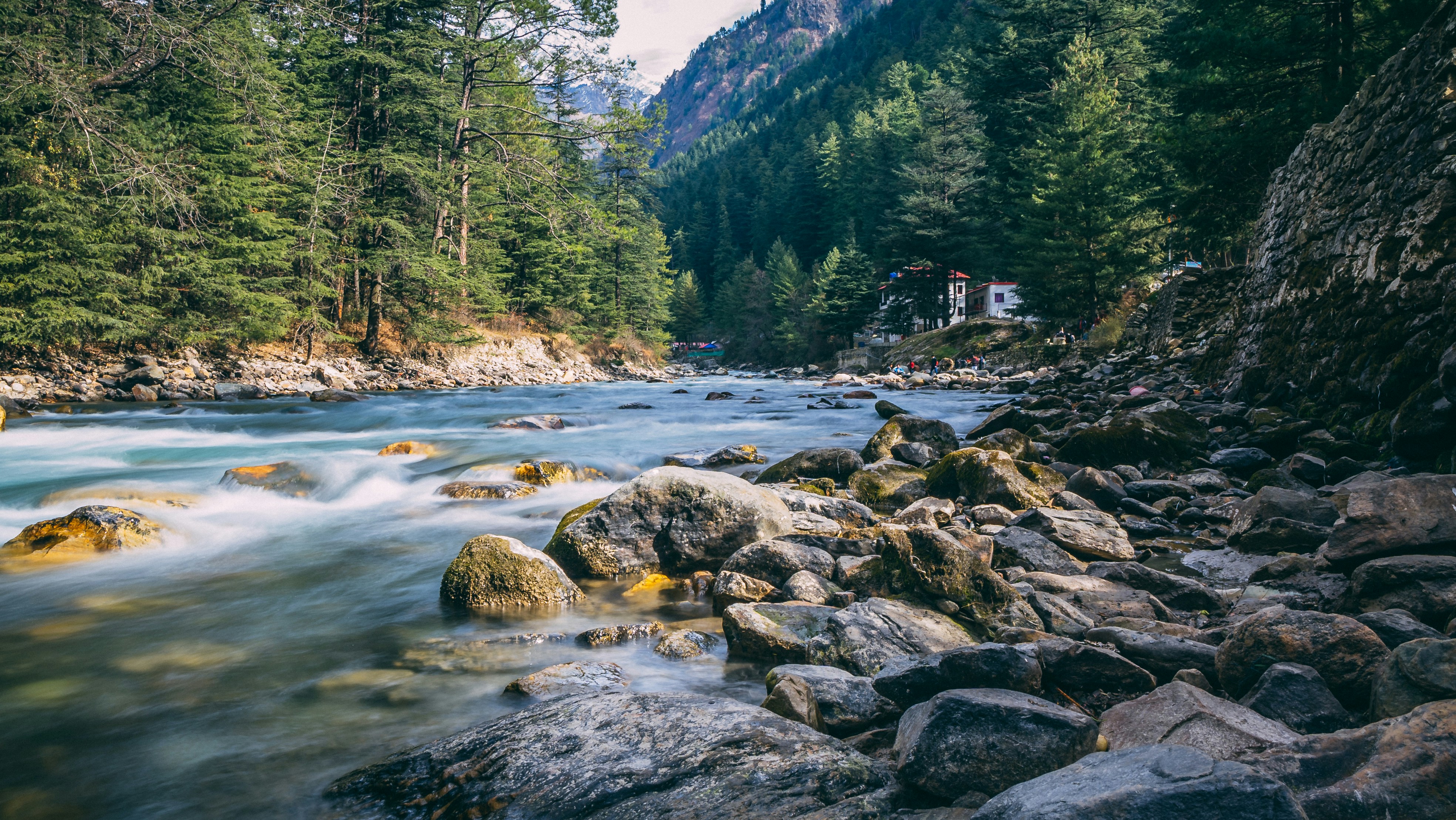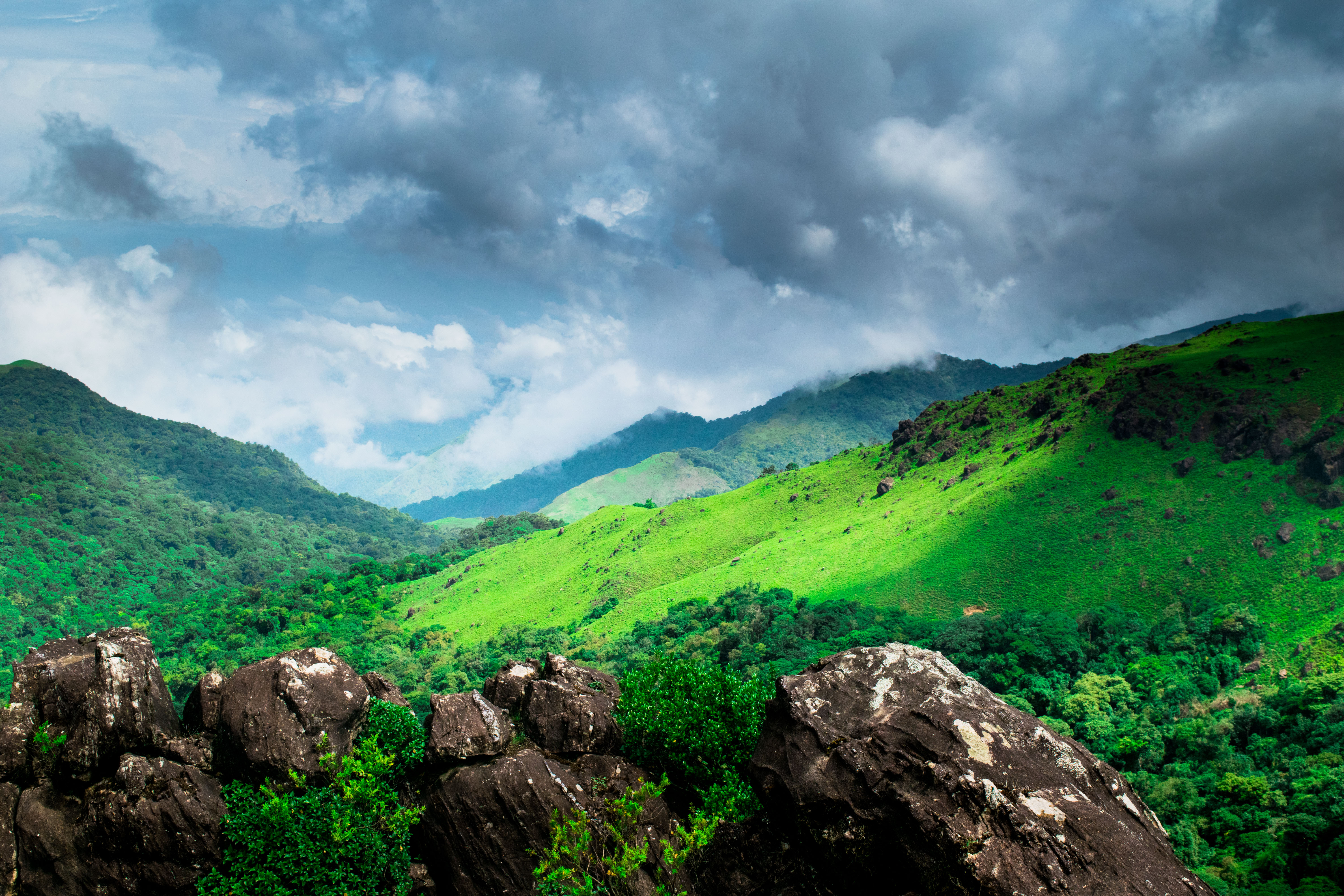
Image Source: VASANTH S.N.
About Madikeri
Tucked away in the lush hills of the Western Ghats, Madikeri is the heart and soul of the Kodagu region, popularly known as Coorg. Surrounded by mist-covered mountains, dense forests, coffee estates, and winding roads, the town is far more than just a scenic hill station. Madikeri has been the political, cultural, and historical center of Kodagu for centuries, witnessing the rise and fall of dynasties, colonial influence, and the transformation of the region into one of Karnataka’s most beloved travel destinations.
Kodagu’s story is unique in South Indian history. Over the centuries, the region evolved from a small hill kingdom into a princely state, later becoming a British-administered province, then an independent Part C state after Indian independence, and eventually a district of Karnataka following the States Reorganization Act of 1956. Through all these transitions, Madikeri remained the administrative and cultural capital, preserving the identity and traditions of Kodagu.
Early History of Kodagu and the Emergence of Madikeri
The history of Kodagu stretches back many centuries, with several South Indian dynasties exerting influence over the region. The Kadambas, Gangas, Cholas, and Hoysalas ruled parts of the area at different times, leaving behind traces of their political and cultural presence. However, due to the rugged terrain and thick forests of the Western Ghats, Kodagu often retained a distinct identity separate from the larger kingdoms surrounding it.
The turning point came during the 16th century when the Haleri dynasty rose to prominence. The Haleri rulers were descendants of the Ikkeri Nayakas and gradually consolidated power over the Kodagu hills. Initially based in Haleri village, they later shifted their capital to Madikeri, then known as Mercara. Its central location, elevated terrain, and defensive advantages made it an ideal administrative and military center.
As the town developed, Madikeri became the nucleus of political authority in Kodagu. Markets, temples, administrative buildings, and royal residences emerged around the growing settlement, laying the foundation for the town’s future importance.
Madikeri Fort and the Rule of the Haleri Kings
One of the most significant landmarks associated with Madikeri’s history is the famous Madikeri Fort. Originally constructed in the 17th century by Mudduraja, the fort symbolized the growing strength of the Haleri rulers. Built on elevated ground, the fort served as both a defensive structure and a royal administrative complex.
Over time, the Haleri kings expanded and strengthened the fort. Inside its walls were palaces, temples, granaries, prisons, and courtrooms. The fort became the center of governance and military operations for the kingdom. Several rulers of the dynasty, including Dodda Veerarajendra and Chikka Veerarajendra, resisted invasions and external domination from neighboring powers such as Mysore.
The rugged geography of Kodagu, combined with the military skills of its rulers and people, helped preserve the region’s autonomy for long periods. Madikeri emerged not only as a seat of political authority but also as a symbol of Kodava pride and identity.
Conflict with Mysore and British Annexation
During the 18th century, Kodagu faced increasing pressure from the expanding Mysore Kingdom under rulers like Hyder Ali and Tipu Sultan. The strategic location of Kodagu in the Western Ghats made it an important region for military control and trade routes. Although Mysore attempted to dominate Kodagu, resistance from local rulers and people remained strong.
Eventually, political instability within the Haleri kingdom created opportunities for British intervention. In 1834, after the deposition of Chikka Veerarajendra, the British East India Company annexed Coorg. Despite the change in power, the British retained Madikeri as the administrative headquarters because of its strategic importance and established infrastructure.
British rule transformed the town significantly. Parts of Madikeri Fort were modified, and a Gothic-style Anglican church was built within the fort premises. Roads and administrative institutions were introduced, connecting the region more closely with the rest of South India.
Coffee Plantations and Colonial Influence
One of the most lasting impacts of British rule in Kodagu was the expansion of coffee cultivation. The cool climate, fertile soil, and abundant rainfall around Madikeri proved ideal for coffee plantations. British planters established large estates across the hills surrounding the town, turning Kodagu into one of India’s major coffee-producing regions.
The coffee economy transformed local society and attracted traders, laborers, and settlers from different communities. Tamil workers were brought in to work on plantations, while traders and administrators from neighboring regions settled in the area. This period gave Madikeri a distinctive blend of indigenous Kodava traditions and colonial-era influences.
Even today, coffee estates remain an essential part of Kodagu’s identity. The aroma of freshly grown coffee, sprawling plantations, and colonial-era bungalows continue to define the landscape around Madikeri.
Madikeri After Indian Independence
Following India’s independence in 1947, Coorg became a Part C state with its own elected government. Madikeri served as the capital of this small but historically important state. C. M. Poonacha became the only Chief Minister of Coorg and administered the region from Madikeri.
However, administrative restructuring soon changed the political status of the state. Under the States Reorganization Act of 1956, Coorg was merged with Mysore State, which later became Karnataka. Coorg then became Kodagu district, with Madikeri continuing as its district headquarters.
Despite losing its status as an independent state capital, Madikeri retained its cultural and administrative significance. Government institutions, educational centers, and district offices continued to function from the town, ensuring its role as the center of Kodagu life.
People and Culture of Kodagu
The cultural identity of Kodagu is deeply tied to the Kodava community, known for its unique customs, martial traditions, and strong connection to the land. Kodavas have historically served in large numbers in the Indian armed forces and are respected for their discipline and warrior heritage.
Festivals play an important role in Kodava life. Kailpodh celebrates weapons and martial traditions, Puthari marks the rice harvest season, and Kaveri Sankramana honors the sacred River Cauvery, believed to originate in Kodagu. Traditional Kodava attire, folk dances, ancestral homes known as Ainmanes, and distinctive cuisine all contribute to the region’s cultural richness.
At the same time, Kodagu is home to several other communities, including Yeravas, Kurubas, Gowdas, Moplahs, and descendants of plantation workers who settled during the colonial period. Madikeri acts as the meeting point for these diverse communities, serving as a center for trade, education, administration, and festivals.
Tourist Attractions in Madikeri
Today, Madikeri is one of Karnataka’s most popular hill destinations, attracting travelers with its cool climate, scenic beauty, and historical landmarks.
Among the town’s best-known attractions is Raja’s Seat, a beautiful garden and viewpoint where the Haleri kings are believed to have spent their evenings watching sunsets over the valleys. The panoramic views of rolling hills and misty landscapes make it one of the most visited spots in Kodagu.
Another important landmark is the Omkareshwara Temple, built in the 19th century by King Lingarajendra II. The temple is architecturally unique because it combines Islamic, Gothic, and traditional Hindu styles, reflecting the diverse influences that shaped Kodagu’s history.
Nature lovers are also drawn to Abbey Falls, located amidst coffee plantations and lush greenery near Madikeri. During the monsoon season, the waterfall becomes especially spectacular, attracting photographers and tourists from across the country.
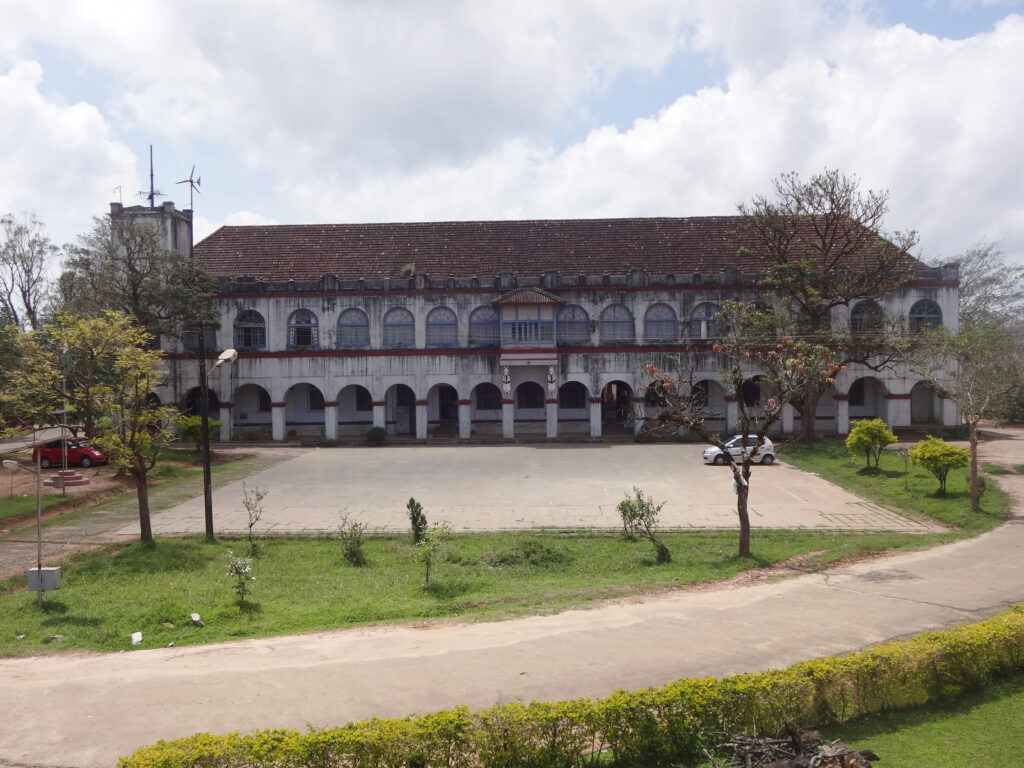
The fort itself remains one of the most historically important attractions in the town. Today, parts of the fort house government offices and a museum that displays artifacts, weapons, and historical objects related to Kodagu’s past.
How to Reach Madikeri
Madikeri, the headquarters of Kodagu district in Karnataka, is the cultural and administrative heart of Coorg. Surrounded by rolling hills, coffee plantations, and lush forests, the town serves as the main gateway to the region’s many attractions.
By Air
The nearest airport to Madikeri is Mysore Airport, located approximately 120 km away. However, it has limited flight connectivity. Most travelers prefer to fly into Kempegowda International Airport, about 270 km from Madikeri, or Mangalore International Airport, around 140 km away. From these airports, taxis and bus services are readily available.
By Train
Madikeri does not have a railway station. The nearest major railway stations are:
- Mysuru Junction – approximately 120 km away.
- Mangalore Central – approximately 140 km away.
- Hassan Railway Station – approximately 115 km away.
After reaching these stations, visitors can hire taxis or board regular buses to Madikeri.
By Road
Madikeri is well connected by road to major cities across South India.
From Bengaluru
- Distance: Approximately 260–270 km
- Travel Time: 5–6 hours
- Route: Bengaluru → Ramanagara → Mandya → Mysuru → Hunsur → Kushalnagar → Madikeri
From Mysuru
- Distance: Approximately 120 km
- Travel Time: 2.5–3 hours
From Mangaluru
- Distance: Approximately 140 km
- Travel Time: 3–4 hours
Regular Karnataka State Road Transport Corporation (KSRTC) and private buses operate from Bengaluru, Mysuru, Mangaluru, Hassan, and nearby cities. Both day and overnight services are available.
Self-Drive Experience
Many travelers prefer driving to Madikeri because of the scenic roads lined with coffee estates, spice plantations, forests, and misty hills. The stretch between Kushalnagar and Madikeri is particularly beautiful, offering stunning views of the Western Ghats.
Local Transportation
Once in Madikeri, visitors can use taxis, rental cars, motorcycles, and local buses to explore nearby attractions such as Abbey Falls, Raja’s Seat, Talakaveri, and Mandalpatti.
Madikeri in Modern Times
Modern-day Madikeri balances tradition and tourism remarkably well. While it has developed into a busy district headquarters with hotels, cafes, schools, and markets, it still retains the charm of an old hill town. Misty mornings, colonial buildings, traditional Kodava homes, and coffee estates continue to shape the town’s atmosphere.
Tourism has become one of the town’s major economic drivers, with travelers visiting throughout the year to experience the beauty of the Western Ghats, Kodava culture, trekking trails, waterfalls, and plantation stays. Yet, despite modernization, Madikeri continues to preserve its historical identity and cultural roots.
The town stands today as a living reflection of Kodagu’s journey through centuries of political change, cultural evolution, and natural beauty. Whether viewed as a historical capital, a cultural center, or a scenic mountain retreat, Madikeri remains one of the most fascinating destinations in southern India.
FAQs
1. Why is Madikeri famous?
Madikeri is famous for its scenic landscapes, coffee plantations, pleasant climate, historical sites, and rich Kodava culture. It is also known as the headquarters of Kodagu district and serves as the gateway to Coorg tourism.
2. What is the best time to visit Madikeri?
The best time to visit Madikeri is between October and March when the weather remains cool and pleasant. Monsoon season from June to September is also beautiful for nature lovers, though heavy rainfall is common.
3. What are the main tourist attractions in Madikeri?
Some of the top attractions include Raja’s Seat, Madikeri Fort, Omkareshwara Temple, Abbey Falls, coffee plantations, and nearby trekking destinations in Kodagu.
4. Is Madikeri the same as Coorg?
Madikeri is the headquarters town of Kodagu district, which is popularly called Coorg. While Coorg refers to the entire region, Madikeri is its main town and administrative center.
5. What language is spoken in Madikeri?
Kannada is widely spoken in Madikeri, along with Kodava Takk, the traditional language of the Kodava community. Other languages such as Malayalam, Tamil, Tulu, and Hindi are also commonly understood.
6. How did coffee cultivation become important in Madikeri?
Coffee cultivation expanded during British rule in the 19th century when British planters established estates in Kodagu. The region’s climate and soil conditions proved ideal for coffee farming, making it one of India’s major coffee-producing areas.
7. What is unique about Kodava culture?
Kodava culture is known for its martial traditions, unique festivals, traditional dress, ancestral homes, and distinctive cuisine. The Kodavas also have a long history of military service in India.
8. Is Madikeri suitable for family trips?
Yes, Madikeri is an excellent destination for families because of its natural beauty, peaceful atmosphere, cultural attractions, and comfortable weather throughout much of the year.