Image Source: Matthieu Aubry
About Chinnar Wildlife Sanctuary
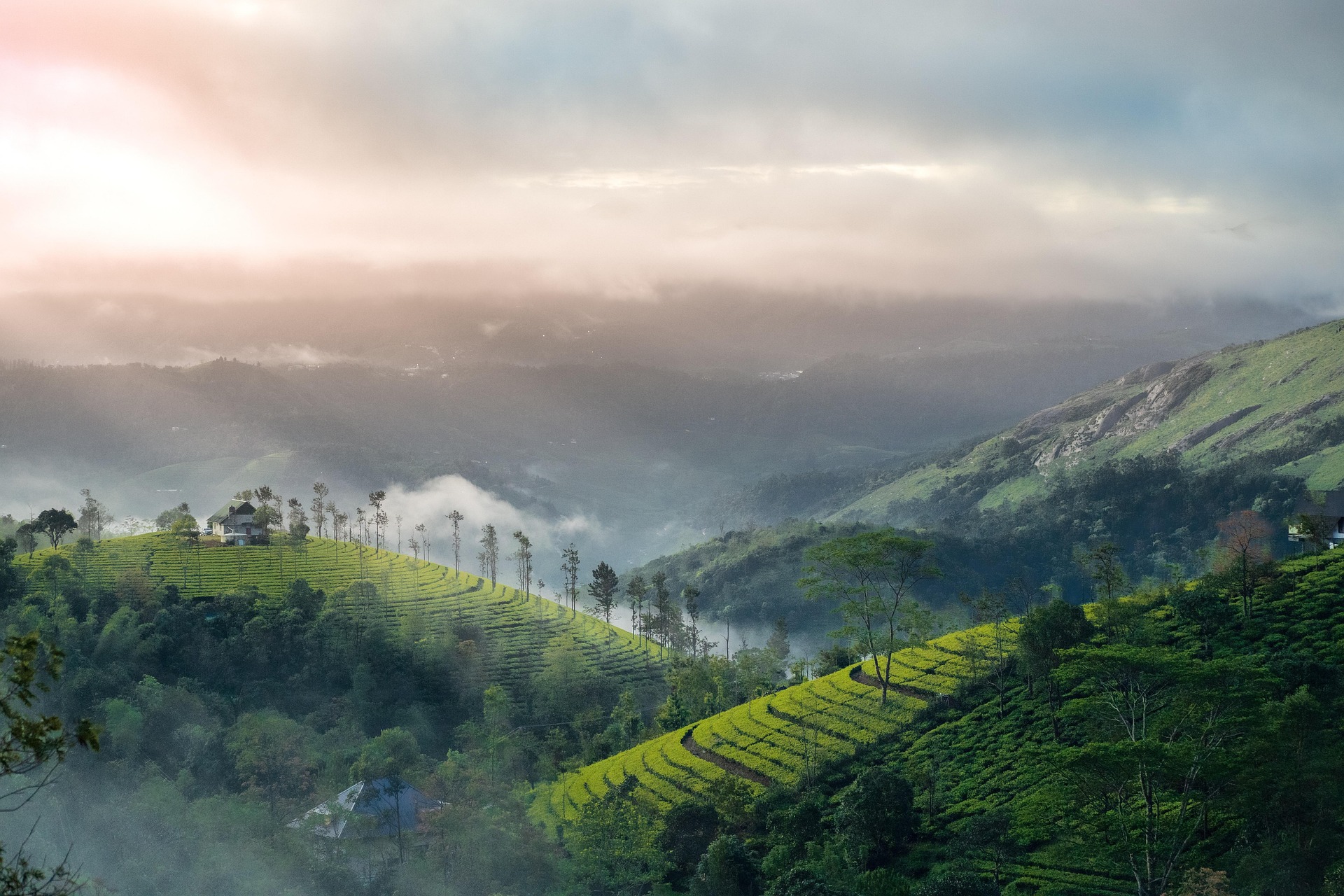
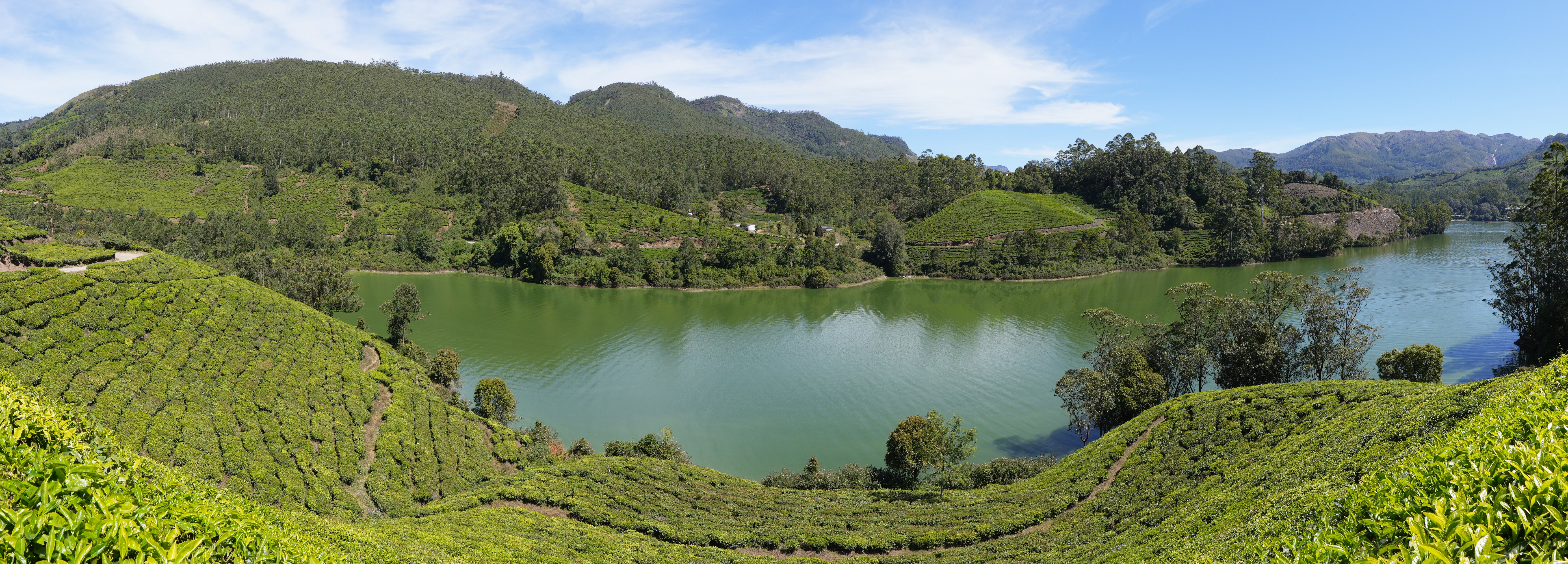
Nestled in the eastern part of Kerala’s Idukki district, Chinnar Wildlife Sanctuary is one of the most distinctive wildlife destinations in the Western Ghats. Located near the hill station of Munnar and bordering Tamil Nadu, the sanctuary covers an area of about 90 square kilometers and forms an important part of the larger Western Ghats conservation landscape. It shares its boundaries with the renowned Indira Gandhi Wildlife Sanctuary in Tamil Nadu, creating a continuous habitat for a wide variety of wildlife.
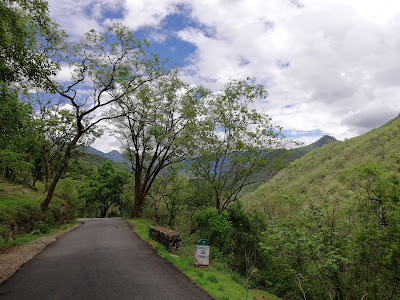
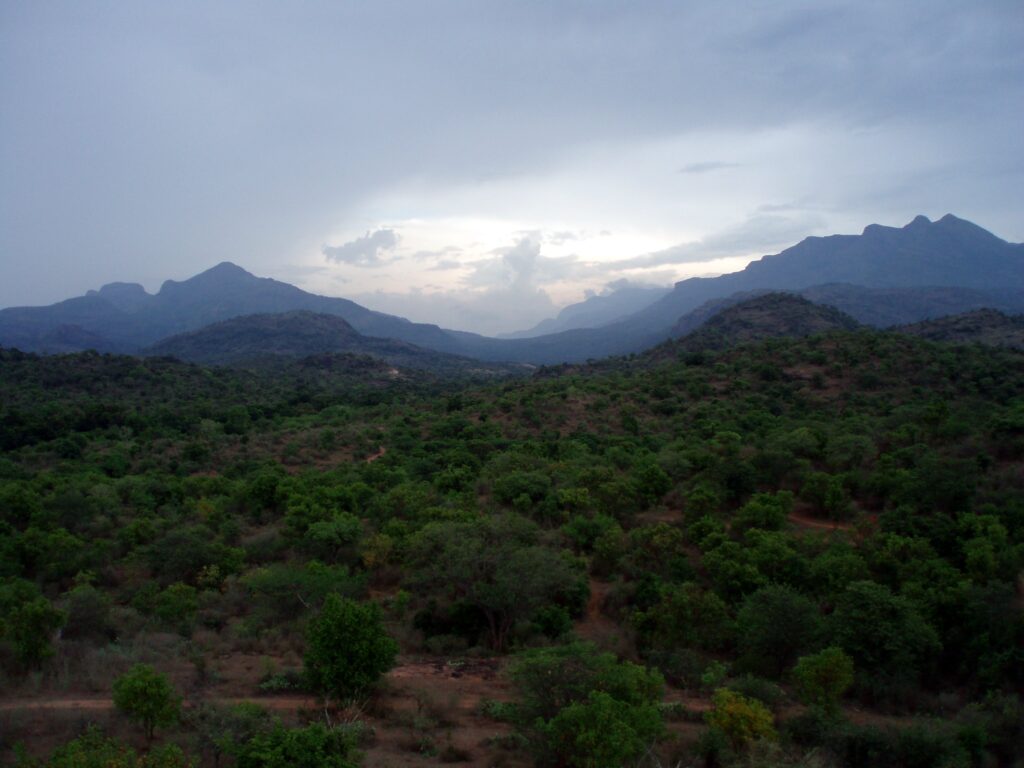
What makes Chinnar truly special is its landscape. Unlike the dense evergreen forests commonly associated with Kerala, Chinnar features dry deciduous forests, thorny scrublands, rocky terrain, and open grasslands. This unusual ecosystem gives the sanctuary a character that is remarkably different from most other protected areas in the state.
Landscape and Natural Environment
Chinnar lies in the rain-shadow region of the Western Ghats, which means it receives significantly less rainfall compared to nearby areas such as Munnar. This dry climate has shaped a unique semi-arid ecosystem that supports many rare plant and animal species.
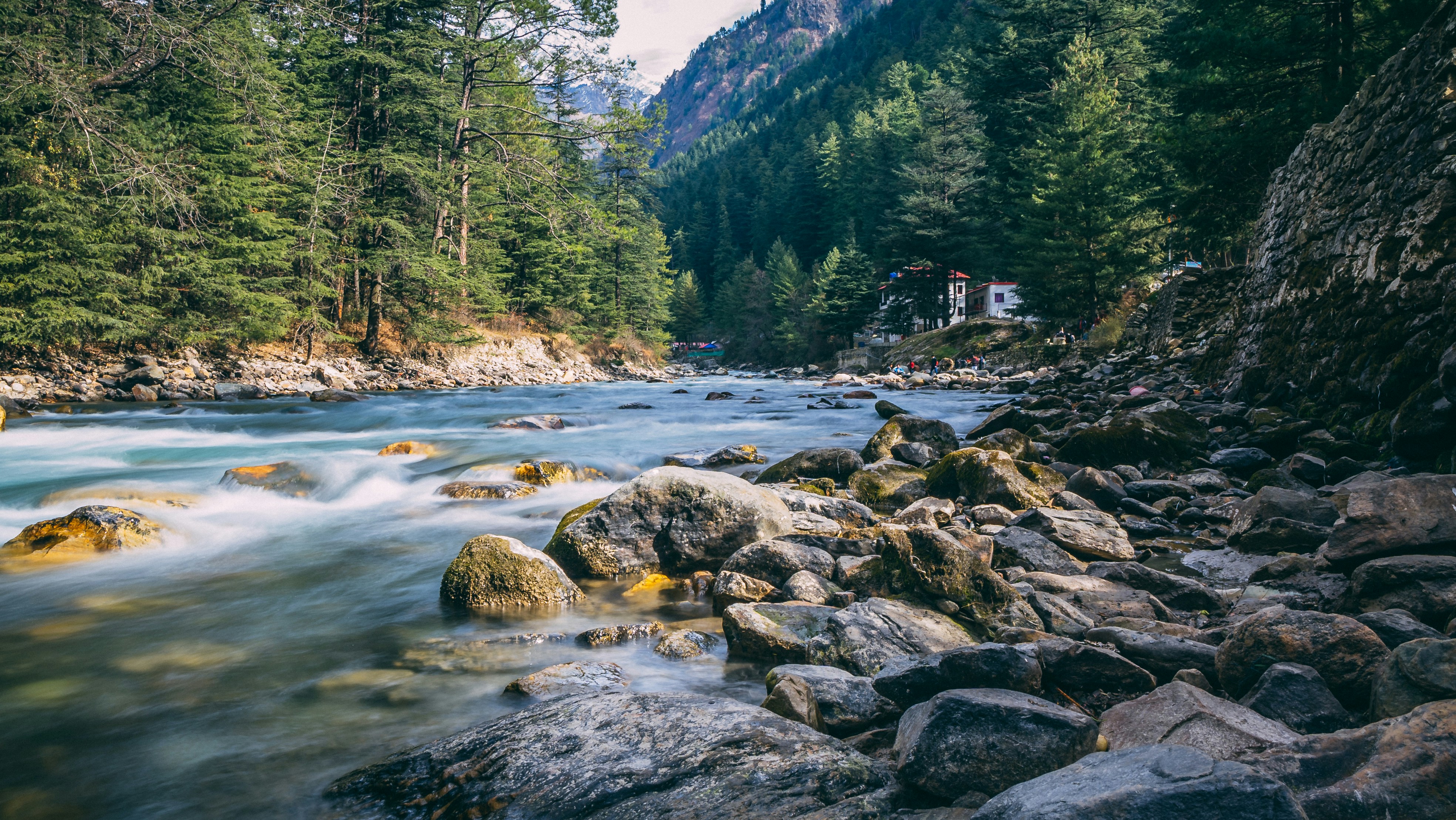
The sanctuary is nourished by the Chinnar and Pambar rivers, both of which play a vital role in sustaining wildlife and local tribal communities. Flowing through rugged valleys and rocky landscapes, these rivers create pockets of greenery amidst the dry forests.
One of the sanctuary’s most beautiful natural attractions is the Thoovanam Waterfalls. Hidden deep within the forest along the Pambar River, this picturesque waterfall can be reached through a guided trek that takes visitors through scenic forest trails. The combination of dry forests, riverine habitats, rolling hills, and waterfalls makes Chinnar one of Kerala’s most ecologically diverse wildlife destinations.
Flora and Fauna
Chinnar Wildlife Sanctuary is internationally known for its population of the endangered Grizzled Giant Squirrel, one of India’s rarest squirrel species. Wildlife enthusiasts often visit the sanctuary specifically for a chance to spot this remarkable animal.
The sanctuary is also home to several other mammals, including elephants, gaur, spotted deer, sambar deer, wild dogs (dholes), langurs, and leopards. Although rarely seen, tigers also inhabit the forested regions of the sanctuary.
Reptile diversity is equally impressive. Species such as the Indian star tortoise, king cobra, rock python, and various lizards thrive in the dry habitat. Birdwatchers can look forward to spotting species like the yellow-throated bulbul, grey junglefowl, crested serpent eagle, and the melodious Malabar whistling thrush.
The vegetation consists mainly of dry deciduous trees such as Acacia, Albizia, Cassia, sandalwood, and bamboo, creating a landscape that differs significantly from Kerala’s rainforest ecosystems.
Tribal Heritage and Local Culture
Chinnar is not only rich in biodiversity but also in cultural heritage. Indigenous communities such as the Muthuva and Hill Pulaya tribes have lived in and around these forests for generations. Their lives remain closely connected to nature, and they possess extensive knowledge of medicinal plants, traditional farming methods, and sustainable living practices.
The sanctuary promotes community-based ecotourism programs that allow visitors to learn about tribal traditions and lifestyles. Guided nature walks and visits to tribal settlements offer valuable insights into how these communities have coexisted with the forest ecosystem for centuries.
Ecotourism and Activities
Chinnar Wildlife Sanctuary is a popular destination for nature lovers, wildlife photographers, and trekkers. The Kerala Forest Department operates several ecotourism programs designed to provide meaningful experiences while protecting the fragile ecosystem.
Visitors can participate in activities such as:
- Thoovanam Waterfalls Trek.
- River trekking along the Pambar River.
- Guided wildlife observation walks.
- Birdwatching tours.
- Nature camps.
- Trekking through dry forest trails.
- Overnight stays in tree houses and forest cottages.
The Thoovanam Trek remains one of the most sought-after experiences, offering an opportunity to explore the sanctuary’s rugged wilderness while enjoying stunning views of the waterfall and surrounding hills.
Best Time to Visit
The ideal time to visit Chinnar Wildlife Sanctuary is from October to March. During these months, the weather remains pleasant, making wildlife viewing and trekking more comfortable.
The sanctuary remains relatively dry throughout much of the year, unlike many other parts of Kerala that experience heavy monsoon rainfall. This makes Chinnar accessible for visitors even during seasons when other forest destinations may face restrictions. Early mornings and evenings are generally the best times for wildlife sightings.
How to Reach Chinnar Wildlife Sanctuary
Chinnar Wildlife Sanctuary is located approximately 60 kilometers from Munnar on the Munnar–Udumalpet Road (SH 17).
By Air
The nearest airport is Cochin International Airport, located about 190 kilometers away. From the airport, visitors can hire taxis or take buses to Munnar and then continue to Chinnar.
By Rail
The nearest major railway stations are Aluva, Ernakulam Junction, and Pollachi Junction. From these stations, road transport is available to Munnar and Chinnar.
By Road
The sanctuary is well connected by road from Munnar, Marayoor, Udumalpet, and other nearby towns. Regular buses and private taxis operate along the Munnar–Udumalpet route. The journey itself is scenic, passing through tea estates, sandalwood forests, and mountain landscapes.
Nearby Attractions
Marayoor
Located close to Chinnar, Marayoor is famous for its natural sandalwood forests, sugarcane farms, ancient dolmens, and scenic mountain views.
Thoovanam Waterfalls
One of the sanctuary’s main attractions, this beautiful waterfall can be reached through a forest trek and offers spectacular views during and after the monsoon season.
Eravikulam National Park
Situated near Munnar, this national park is known for the endangered Nilgiri Tahr, rolling grasslands, and breathtaking hill scenery.
Anamudi Peak
The highest mountain peak in South India, Anamudi attracts trekkers and nature enthusiasts visiting the Munnar region.
Lakkam Waterfalls
A picturesque waterfall located between Munnar and Marayoor, ideal for short visits and photography.
Muniyara Dolmens
These prehistoric stone burial structures near Marayoor provide a fascinating glimpse into the region’s ancient history and archaeological heritage.
Google Maps
FAQs
Is Chinnar Wildlife Sanctuary worth visiting?
Yes. Chinnar offers a unique wildlife experience with its dry forest ecosystem, rare species, tribal culture, and excellent trekking opportunities.
What is Chinnar Wildlife Sanctuary famous for?
The sanctuary is best known for the endangered Grizzled Giant Squirrel, dry deciduous forests, Thoovanam Waterfalls, and tribal ecotourism programs.
Are safari facilities available in Chinnar?
The sanctuary mainly offers guided trekking and ecotourism activities rather than conventional jeep safaris.
How much time is needed to explore Chinnar?
A full day is sufficient for major attractions and trekking activities, although nature enthusiasts may prefer spending one or two days in the area.
Can families visit Chinnar Wildlife Sanctuary?
Yes. Families, wildlife lovers, photographers, and trekkers can all enjoy the sanctuary, though some trekking routes may require moderate physical fitness.
Is permission required to enter the sanctuary?
Yes. Visitors need entry permits issued by the Forest Department, and certain trekking activities must be undertaken with authorized guides.
What should visitors carry?
Comfortable walking shoes, drinking water, binoculars, sunscreen, hats, and light outdoor clothing are recommended, especially during trekking activities.