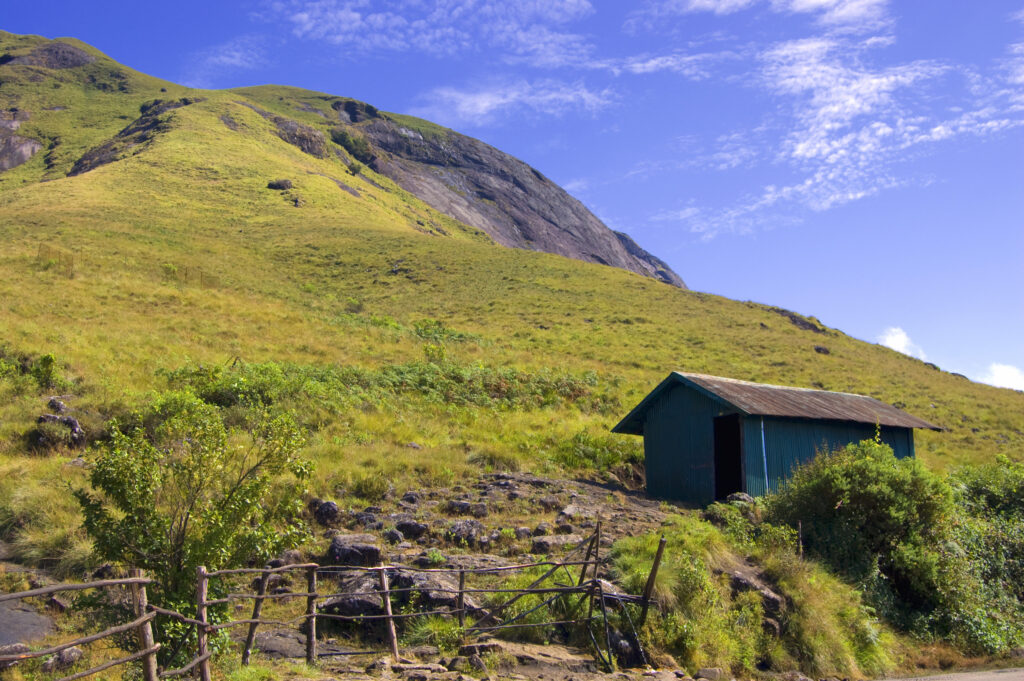
Image Source: Arun Suresh
Overview and Location
Nestled in the mist-covered hills near Munnar, Eravikulam National Park is one of the most celebrated wildlife destinations in Kerala. Located in the Idukki district within the majestic Western Ghats, the park spreads across nearly 97 square kilometers of high-altitude wilderness. Established in 1978, the protected area was created primarily to conserve the endangered Nilgiri Tahr, a rare mountain goat species found only in the Western Ghats.
Today, the park is recognized not only for its wildlife but also for its breathtaking mountain scenery, rolling grasslands, misty valleys, and unique shola forests. As part of the UNESCO World Heritage-listed Western Ghats, Eravikulam is considered one of the richest biodiversity hotspots in India. The cool climate, scenic beauty, and ecological importance make it a must-visit destination for nature lovers, trekkers, photographers, and wildlife enthusiasts.
Landscape and Geography
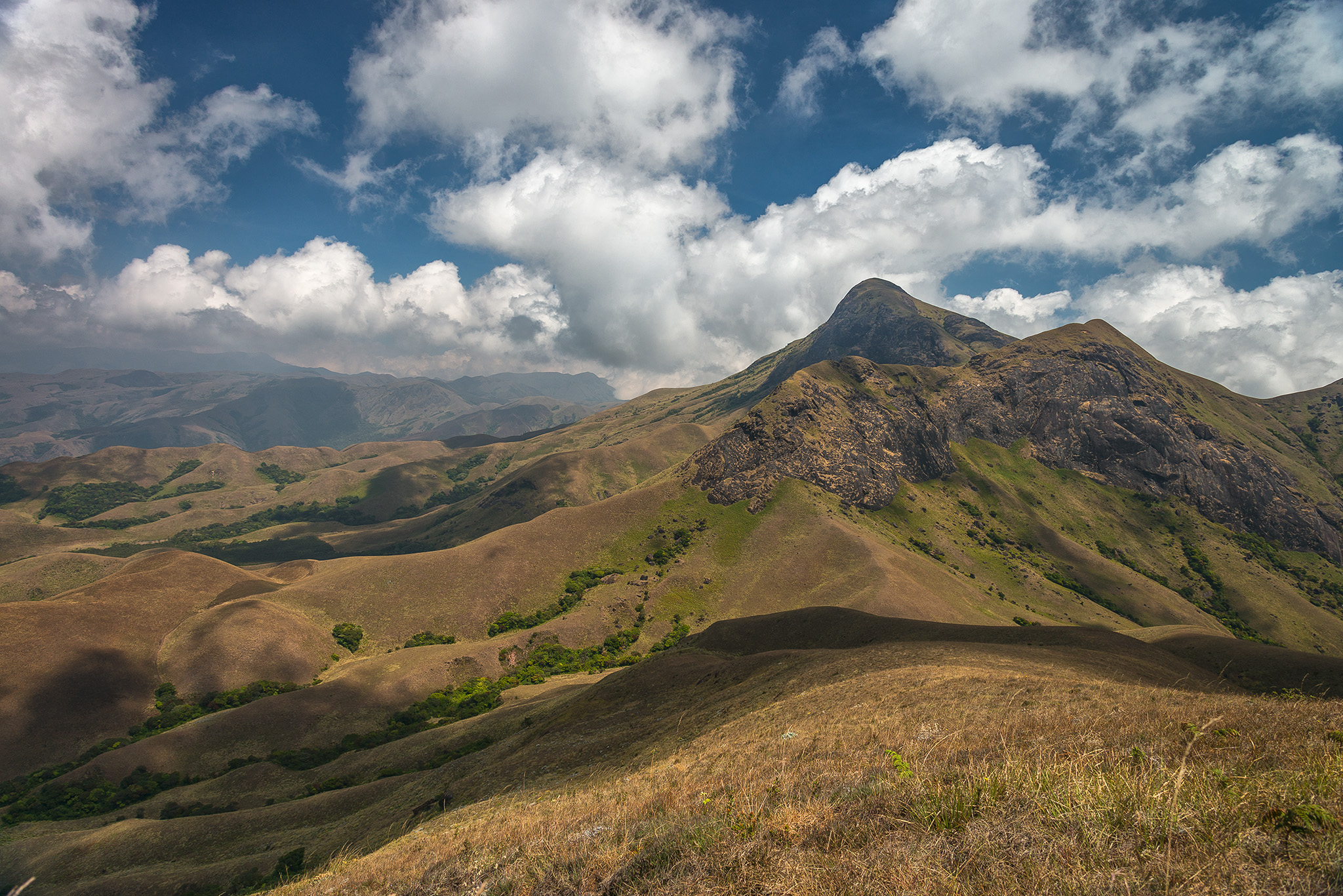
One of the most striking features of Eravikulam National Park is its dramatic mountain landscape. The park lies at elevations ranging from about 1,520 meters to 2,695 meters above sea level. It is home to Anamudi Peak, the tallest peak in South India, rising to an impressive 2,695 meters. The mountain dominates the skyline and adds to the park’s rugged beauty.
The terrain consists mainly of rolling montane grasslands interspersed with patches of dense shola forests. These shola forests are unique high-altitude evergreen forests found only in the southern Western Ghats. Together, the grasslands and forests form a delicate ecosystem that supports a wide range of endemic plants and animals.
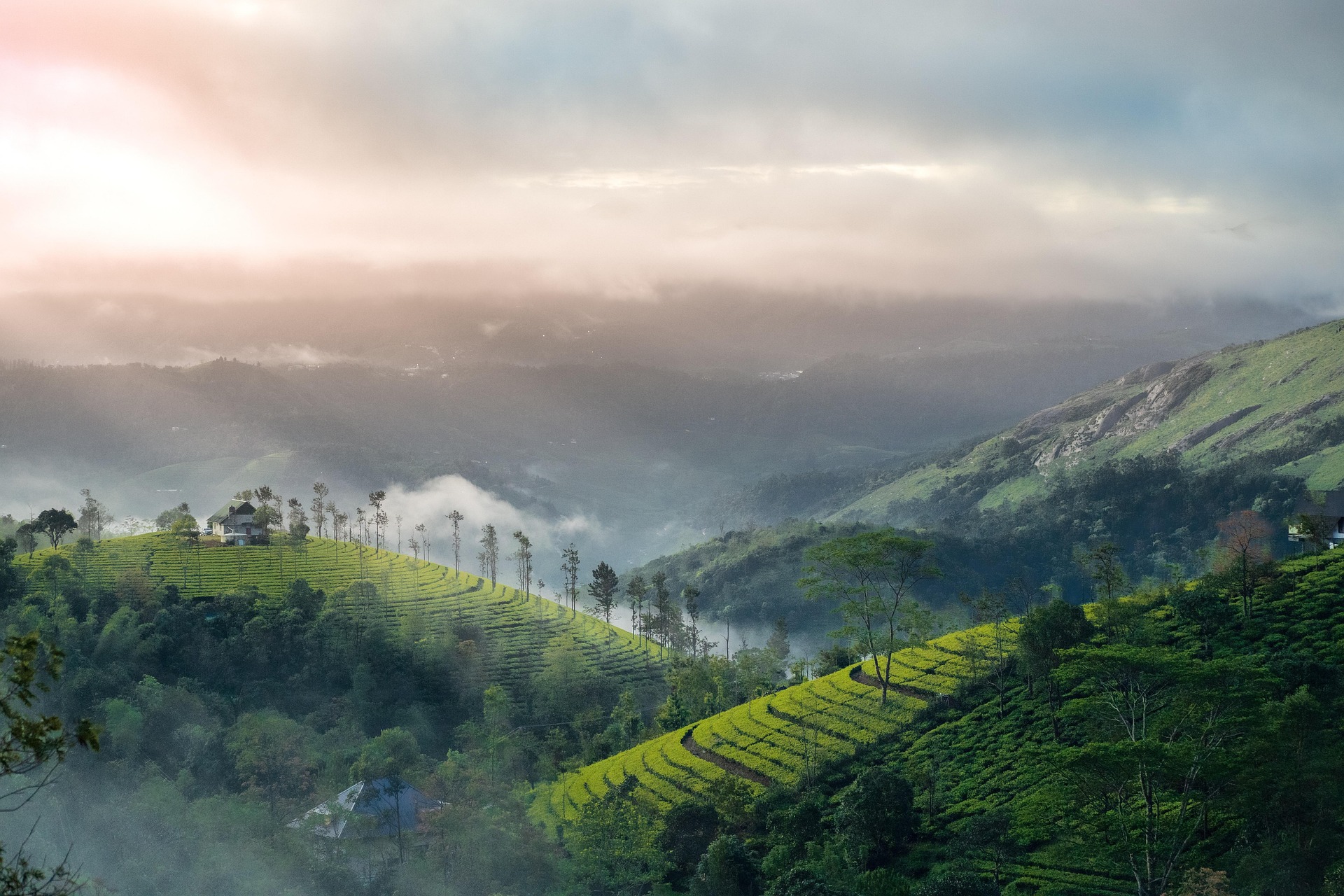
Numerous streams originate from these hills and eventually feed important river systems such as the Periyar and Muthirapuzha rivers. These rivers play a significant role in supporting agriculture, drinking water supply, and hydroelectric projects in Kerala. During the monsoon season, the hills turn lush green, while winter often brings cool temperatures and mist-covered valleys that create spectacular views.
Flora and Vegetation
Eravikulam National Park is famous for its rich and unique vegetation. The landscape is dominated by the shola-grassland ecosystem, which is considered one of the rarest ecological systems in India. The grasslands are covered with high-altitude grasses, shrubs, and flowering plants, while the shola forests shelter rare tree species and moisture-loving vegetation.
One of the park’s greatest botanical wonders is the blooming of the Neelakurinji flower (Strobilanthes kunthiana). This rare flower blossoms only once every 12 years, transforming the hillsides into vast carpets of blue and purple. The blooming season attracts visitors from across the world and creates one of the most spectacular natural events in India. The last major bloom occurred in 2018, and the next mass flowering is expected around 2030.
Apart from Neelakurinji, the park contains a wide variety of orchids, balsams, ferns, lichens, mosses, and medicinal plants. Many of these species are endemic to the Western Ghats and cannot be found anywhere else on Earth. Because of this extraordinary plant diversity, Eravikulam serves as an important genetic reservoir for high-altitude flora.
Wildlife and Biodiversity
Eravikulam National Park is best known as the stronghold of the endangered Nilgiri Tahr. The park protects one of the largest surviving populations of this rare mountain ungulate, with more than a thousand individuals roaming the steep grass-covered slopes. Visitors can often spot these animals grazing calmly near tourist areas, especially during the early morning hours.
Apart from the Nilgiri Tahr, the park supports a rich variety of wildlife. Mammals found here include elephants, Indian gaur, sambar deer, wild dogs (dholes), leopards, jungle cats, and bonnet macaques. Though some of these animals are elusive, the park’s undisturbed habitats provide ideal conditions for their survival.
Birdlife in Eravikulam is equally impressive. Birdwatchers can spot species such as the Nilgiri flycatcher, black-and-orange flycatcher, Malabar whistling thrush, Kerala laughingthrush, and the great hornbill. The forests and streams also support several amphibians, reptiles, and butterflies adapted to the cool mountain environment.
The park’s biodiversity is especially important because many species found here are endemic to the Western Ghats, making conservation efforts highly significant on a global level.
Tourism and Visitor Experience
Eravikulam National Park is among the most visited eco-tourism destinations in South India. Tourists come here to experience the cool mountain climate, scenic landscapes, wildlife sightings, and peaceful atmosphere away from crowded cities.
Entry into the park is carefully regulated to minimize disturbance to wildlife and fragile ecosystems. Visitors usually enter through the Rajamalai region, which serves as the tourism zone of the park. Electric buses transport tourists through designated areas, helping reduce pollution and environmental impact.
Trekking and guided nature walks are among the most popular activities. The rolling hills offer spectacular panoramic views, especially during sunrise and sunset. Wildlife photography, birdwatching, and observing Nilgiri Tahrs in their natural habitat are major highlights for visitors.
During the Neelakurinji flowering season, tourism reaches its peak as thousands of travelers arrive to witness the hills covered in blue blossoms. Because of the large crowds during bloom years, advance planning and early bookings are highly recommended.
Conservation Importance
Eravikulam National Park plays a crucial role in preserving the fragile high-altitude ecosystems of the Western Ghats. The park forms part of the Nilgiri Biosphere Reserve, one of India’s most important conservation landscapes. Its protected status helps safeguard numerous endemic and endangered species that depend on these mountain habitats.
Strict regulations on tourism, grazing, deforestation, and poaching have significantly contributed to the recovery of the Nilgiri Tahr population. Conservation authorities continuously monitor wildlife populations, habitat health, and ecological changes within the park.
The park also serves as an important center for ecological research and environmental education. Scientists study climate-sensitive mountain ecosystems, endemic flora, wildlife behavior, and conservation strategies here. As climate change increasingly threatens fragile ecosystems, Eravikulam has become an important site for long-term environmental studies.
Climate and Best Time to Visit
The weather in Eravikulam National Park remains cool and pleasant for most of the year due to its high elevation. Temperatures generally range between 10°C and 25°C, depending on the season.
The best time to visit is from October to June, when the skies are clearer and outdoor activities are more enjoyable. Winter months between November and February are especially popular because of the misty landscapes and comfortable temperatures.
The monsoon season, from July to September, brings heavy rainfall that makes the hills lush and beautiful, though landslides and slippery trails can occasionally disrupt travel plans. Some tourist areas may also remain temporarily closed during intense rains.
Visitors planning to witness the famous Neelakurinji bloom should keep track of flowering years, as this extraordinary event occurs only once every 12 years and attracts massive tourist interest.
Nearby Attractions
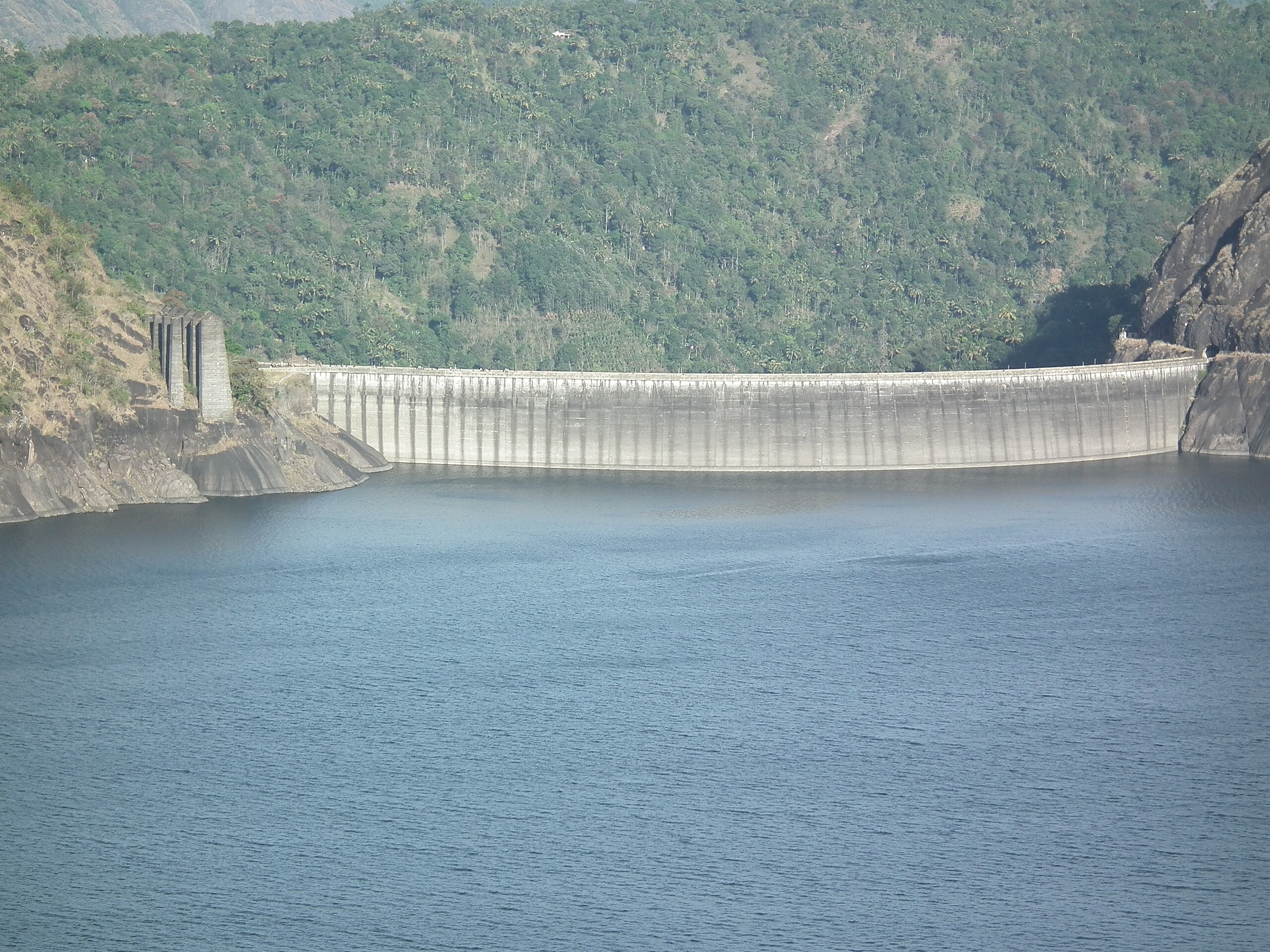
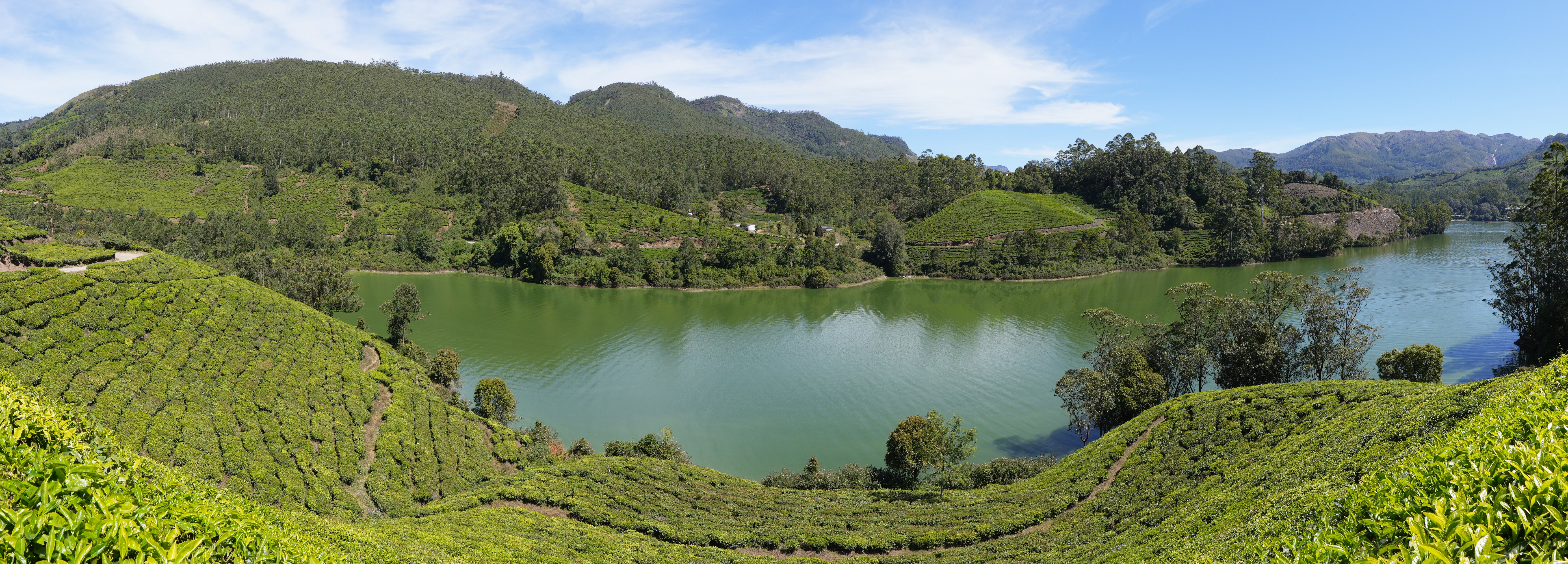
Travelers visiting Eravikulam National Park often combine their trip with other attractions around Munnar. Popular nearby places include tea plantations, Mattupetty Dam, Echo Point, Kundala Lake, Top Station, and the Tea Museum. These destinations together create a memorable hill-station experience filled with nature, adventure, and cultural charm.
How to Reach Eravikulam National Park
Eravikulam National Park is one of Kerala’s most famous wildlife destinations, located about 13 km from Munnar in the Idukki district. Renowned for its rolling grasslands, shola forests, and the endangered Nilgiri Tahr, the park is easily accessible from major cities in Kerala and Tamil Nadu.
By Air
The nearest airport is Cochin International Airport (Nedumbassery), situated approximately 130 km from Eravikulam National Park. The airport is well connected to major Indian cities and international destinations. From the airport, visitors can hire a taxi or take a bus to Munnar and then continue to the park.
By Train
The closest major railway stations are Aluva Railway Station (around 120 km away), Ernakulam Junction (about 130 km away), and Kottayam Railway Station (around 145 km away). These stations have regular train services from major cities across India. From the railway station, taxis and buses are available to Munnar.
By Road
Eravikulam National Park enjoys good road connectivity with Munnar, Kochi, Aluva, Madurai, Coimbatore, and Kottayam. The park’s visitor entry point, known as Rajamalai, is located approximately 13 km from Munnar town. Kerala State Road Transport Corporation (KSRTC) buses and private buses frequently operate to Munnar from major cities. From Munnar, visitors can hire taxis, auto-rickshaws, or use local transport to reach the park entrance.
From Munnar
The easiest way to reach Eravikulam National Park is from Munnar. The journey takes around 20–30 minutes by road and passes through scenic tea plantations and mountain landscapes. During the tourist season, shuttle buses operated by the park authorities transport visitors from the ticket counter to designated viewing areas inside the park.
Google Maps
FAQs
Why is Eravikulam National Park famous?
The park is most famous for protecting the endangered Nilgiri Tahr and for the rare Neelakurinji flower bloom that occurs once every 12 years.
Where is Eravikulam National Park located?
It is located near Munnar in the Idukki district of Kerala within the Western Ghats.
What is the best time to visit Eravikulam National Park?
The ideal time to visit is between October and June when the weather remains pleasant and sightseeing conditions are favorable.
Can visitors see Nilgiri Tahrs easily?
Yes, Nilgiri Tahrs are often visible in the Rajamalai tourism zone, especially during the morning hours.
Is trekking allowed inside the park?
Certain designated trekking and guided walking routes are available for visitors, though access is controlled to protect wildlife habitats.
What is special about the Neelakurinji flower?
The Neelakurinji flower blooms only once every 12 years, covering the hills in stunning shades of blue and purple.
How far is the park from Munnar?
Eravikulam National Park is located approximately 13 kilometers from the main town of Munnar.
Is Eravikulam National Park suitable for family trips?
Yes, the park is ideal for families, nature enthusiasts, photographers, and wildlife lovers looking for a peaceful mountain experience.