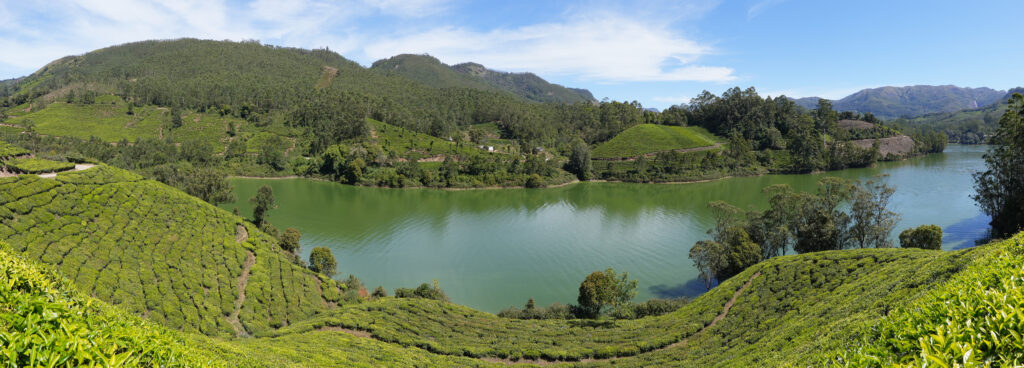
Image Source: Ingo Mehling
Munnar is one of Kerala’s most beloved hill stations, tucked away in the scenic folds of the Western Ghats in the Idukki district. Sitting at a comfortable altitude and wrapped in endless stretches of green, it’s the kind of place where mist drifts through tea gardens in the morning and the air stays cool and refreshing throughout the year.
Often referred to as the “Kashmir of South India,” Munnar is known for its peaceful atmosphere, rolling tea plantations, rich wildlife, and breathtaking viewpoints. Whether you’re into slow travel, trekking, photography, or just escaping city chaos, Munnar has a way of slowing everything down in the best possible way.
Geography and Climate
Munnar is located at an elevation of around 1,532 meters (5,026 feet) above sea level and is surrounded by valleys, winding streams, and layered hills. It lies within the ecologically sensitive Western Ghats, a UNESCO World Heritage Site known for its exceptional biodiversity.
The climate here is one of its biggest attractions:
- Cool year-round weather: Temperatures usually stay between 10°C and 25°C
- Monsoon season (June–September): Heavy rainfall transforms the region into a lush green paradise with flowing waterfalls and misty hills
- Winter season (November–February): Crisp, cool air makes it the best time for sightseeing and outdoor activities
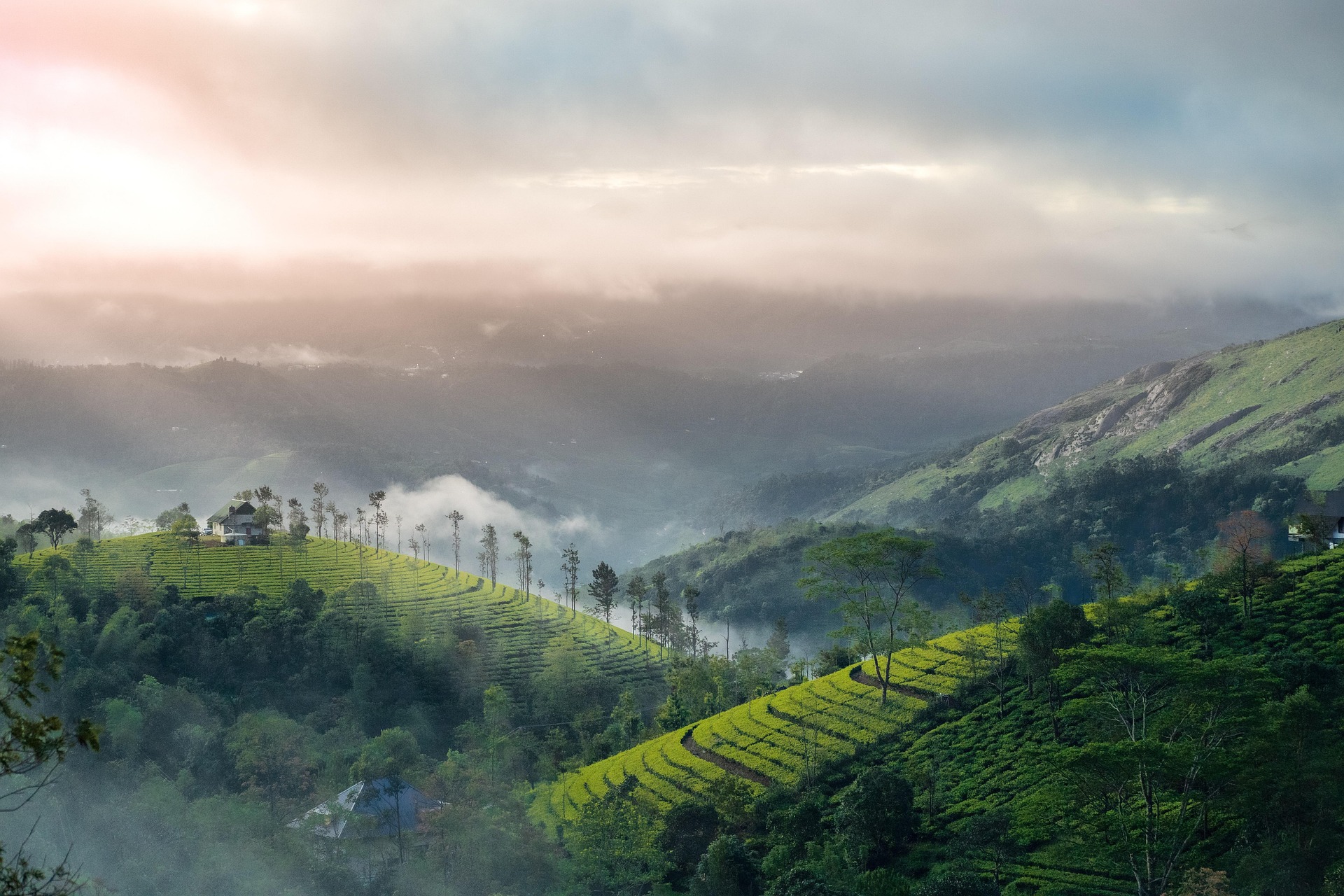
The combination of altitude, rainfall, and fertile soil creates ideal conditions for tea gardens and unique mountain flora.
Tea Plantations and Agriculture
Munnar is almost inseparable from tea culture. Vast plantations blanket the hills like a green carpet, shaping both its landscape and identity. These estates were originally developed during the British colonial period and have now become central to Munnar’s tourism experience.
Some popular plantation experiences include:
- Visits to estates such as Kolukkumalai Tea Estate and Lockhart Tea Estate
- Guided tours showing tea plucking, drying, and processing
- Fresh tea tasting sessions with panoramic plantation views
Beyond tea, Munnar is also known for spice cultivation. Cardamom, pepper, cinnamon, and clove grow abundantly in nearby forested slopes, adding to Kerala’s identity as a spice-rich region.
Ecological Importance and Wildlife
Munnar sits in one of the most ecologically significant zones in India. It is part of the Western Ghats biodiversity hotspot, home to rare and endangered species.
Wildlife and nature highlights include:
- Nilgiri tahr found in rocky high-altitude regions.
- Elephants, leopards, and several species of deer.
- Unique birdlife such as hornbills and the Malabar whistling thrush.
- Shola forests, grasslands, eucalyptus groves, and tea-covered slopes forming a layered ecosystem.
Protected areas like Eravikulam National Park and Chinnar Wildlife Sanctuary play a major role in conserving this fragile environment.
Top Attractions in Munnar
Munnar offers a mix of natural beauty, soft adventure, and cultural experiences.
- Eravikulam National Park: Famous for the Nilgiri tahr and stunning views of Anamudi, the highest peak in South India.
- Tea Museum: Showcases the history and evolution of tea production in the region.
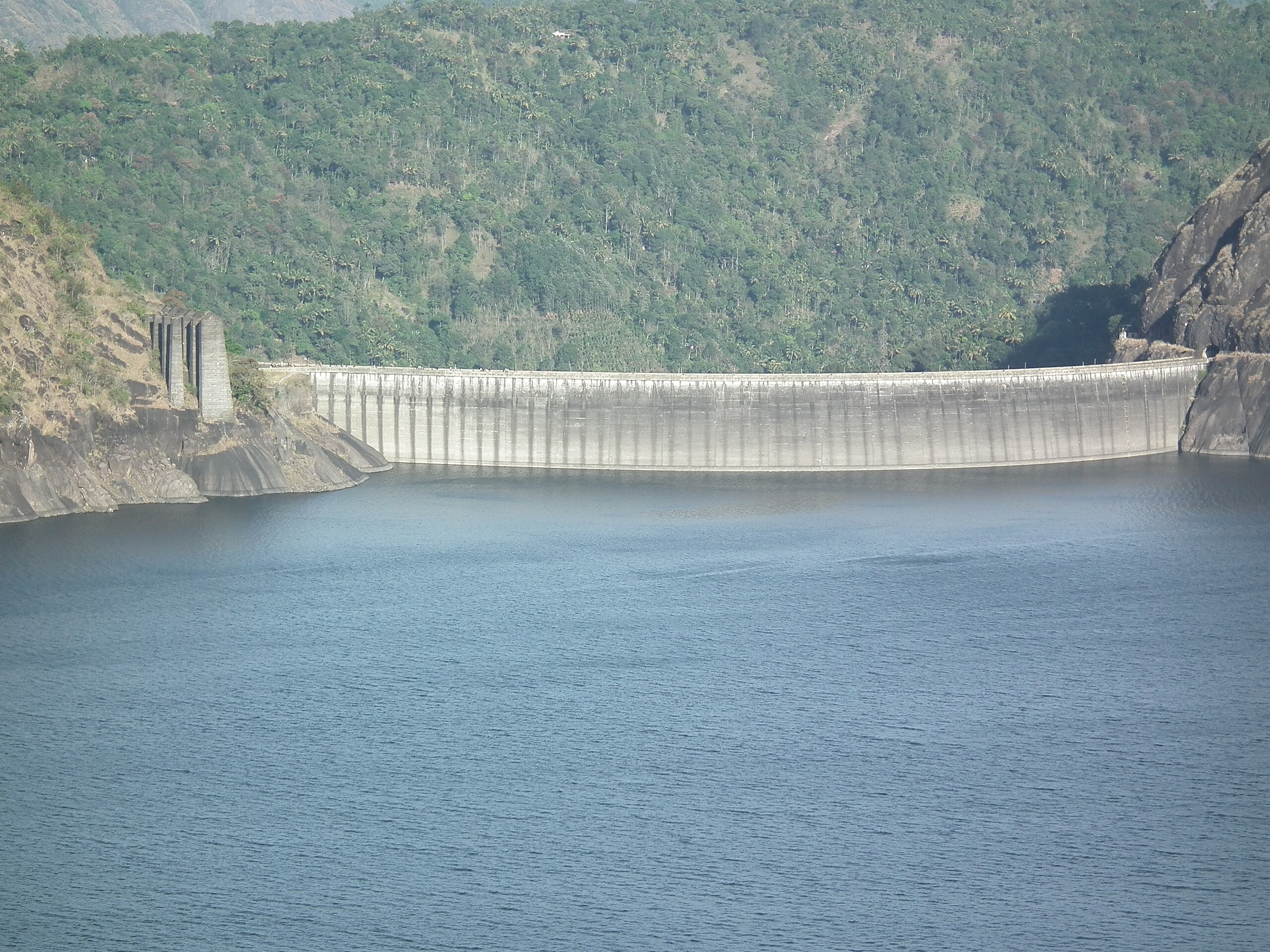
- Mattupetty Dam: A scenic reservoir surrounded by hills and forests.
- Waterfalls: Attukal, Lakkam, and Chinnakanal waterfalls are popular picnic and photography spots.
- Echo Point: Known for its natural echo phenomenon and lake views.
- Top Station: One of the highest viewpoints offering panoramic valley views and mist-filled horizons.
Each of these places highlights a different side of Munnar—from wildlife to engineering marvels to raw natural beauty.
Culture and Local Life
Munnar’s culture is shaped by a blend of traditions. The local population includes native Malayali communities along with workers from neighboring Tamil Nadu who have lived in the tea estates for generations.
This cultural mix is reflected in:
- Simple but flavorful Kerala cuisine rich in spices.
- Traditional festivals and temple celebrations.
- Tea estate settlements and colonial-era bungalows.
- Local markets selling handmade crafts, spices, and fresh tea products.
The everyday life here is closely tied to the land, especially tea cultivation, which remains the backbone of the region.
Best Time to Visit Munnar
- September to March: Best overall season for sightseeing, trekking, and outdoor exploration.
- June to August (Monsoon): Extremely lush landscapes, waterfalls at full flow, but some travel routes may be slippery.
- Early mornings and evenings: Ideal for viewpoints like Top Station and Echo Point, when mist and sunlight create magical scenery.
How to Reach Munnar
Nestled at an altitude of around 1,600 meters in the Western Ghats, Munnar is one of Kerala’s most popular hill stations, famous for its sprawling tea gardens, misty mountains, waterfalls, and pleasant climate. Although Munnar does not have its own airport or railway station, it is well connected by road to major cities in Kerala and neighboring Tamil Nadu.
By Air
The nearest airport is Cochin International Airport (Nedumbassery), located about 110 km from Munnar. The airport has regular domestic and international flights, making it the most convenient gateway for travelers. From the airport, taxis and private cabs are readily available, and the drive to Munnar takes approximately 3 to 4 hours through scenic mountain roads.
By Train
The nearest major railway stations are:
- Aluva Railway Station – approximately 110 km away
- Ernakulam Junction – approximately 130 km away
- Kottayam Railway Station – approximately 140 km away
These stations are well connected to major cities across India. Visitors can hire taxis or take buses from the railway stations to reach Munnar.
By Road
Munnar enjoys excellent road connectivity with Kochi, Kottayam, Madurai, Coimbatore, Thekkady, and other towns in South India. Kerala State Road Transport Corporation (KSRTC) and private buses operate regular services to Munnar.
Approximate distances:
- Kochi to Munnar – 130 km
- Aluva to Munnar – 110 km
- Thekkady to Munnar – 90 km
- Coimbatore to Munnar – 160 km
- Madurai to Munnar – 160 km
The journey itself is a memorable experience, passing through lush tea estates, spice plantations, waterfalls, and winding mountain roads.
Nearby Attractions
Eravikulam National Park
Located about 13 km from Munnar, Eravikulam National Park is famous for the endangered Nilgiri Tahr and breathtaking grass-covered hills. The park also becomes a major attraction during the rare blooming of the Neelakurinji flowers, which occurs once every twelve years.
Mattupetty Dam
Approximately 13 km from Munnar, Mattupetty Dam is surrounded by green hills and tea plantations. Visitors can enjoy boating while taking in stunning views of the reservoir and surrounding landscape.
Echo Point
Situated around 15 km from Munnar, Echo Point is known for its natural echo phenomenon. The picturesque setting of hills, forests, and a tranquil lake makes it a favorite among tourists.
Kundala Lake
Located about 20 km from Munnar, Kundala Lake is one of the most scenic spots in the region. Visitors can enjoy pedal boating, shikara rides, and beautiful views of cherry blossom trees and rolling hills.
Top Station
Around 32 km from Munnar, Top Station offers spectacular panoramic views of the Western Ghats and the neighboring state of Tamil Nadu. It is one of the highest points in the area and is particularly popular during sunrise.
Tea Museum
The Tea Museum in Munnar provides fascinating insights into the history and evolution of tea cultivation in the region. Visitors can learn about tea processing and sample freshly brewed tea.
Attukad Waterfalls
Located about 9 km from Munnar, Attukad Waterfalls is surrounded by dense forests and rolling hills. The waterfall is especially impressive during and immediately after the monsoon season.
Pothamedu View Point
This scenic viewpoint offers sweeping views of tea, coffee, and cardamom plantations. It is one of the best places in Munnar to witness sunrise and sunset.
Chinnar Wildlife Sanctuary
Situated about 60 km from Munnar, Chinnar Wildlife Sanctuary is known for its dry deciduous forests, rare Grizzled Giant Squirrel, and the beautiful Thoovanam Waterfalls.
Marayoor
Located around 40 km from Munnar, Marayoor is famous for its natural sandalwood forests, ancient dolmens, sugarcane farms, and unique cultural heritage.
Travel Tips
- Carry light woolens even in summer due to cool evenings.
- Book accommodations in advance during peak season.
- Start sightseeing early to avoid fog blocking mountain views.
- Try local tea varieties directly from plantations.
- Respect wildlife zones and avoid littering in protected areas.
Google Maps
FAQs
1. Why is Munnar famous?
Munnar is famous for its tea plantations, misty hills, pleasant climate, and biodiversity-rich landscapes.
2. What is the best time to visit Munnar?
The best time is from September to March when the weather is cool and ideal for sightseeing.
3. How many days are enough for Munnar?
A 2 to 4-day trip is usually enough to explore major attractions and tea estates.
4. Is Munnar good for trekking?
Yes, Munnar offers several trekking routes through hills, forests, and wildlife zones.
5. What are the must-visit places in Munnar?
Eravikulam National Park, Tea Museum, Mattupetty Dam, Echo Point, and Top Station are top attractions.