Image Source: നിരക്ഷരൻ
Introduction
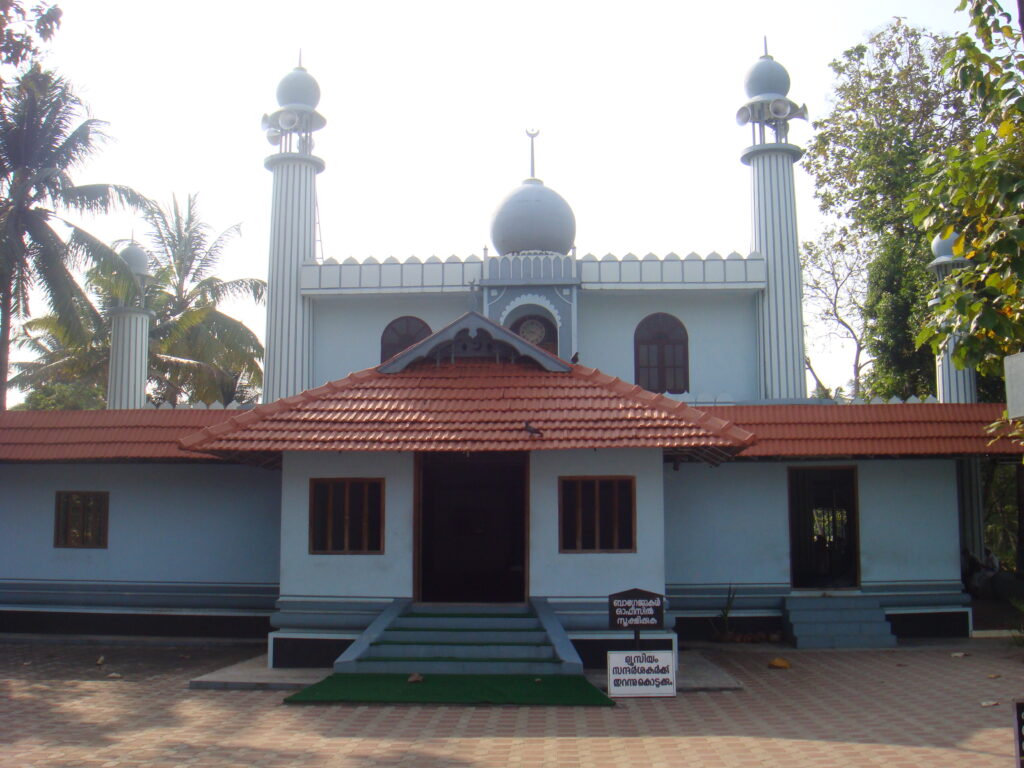
Nestled in the historic town of Kodungallur in Kerala’s Thrissur district, the Cheraman Juma Masjid holds a remarkable place in India’s religious and cultural history. Widely believed to be the first mosque in India, it was built in 629 CE and stands as a lasting symbol of the early spread of Islam to the Indian subcontinent. Its history dates back to a period very close to the lifetime of Prophet Muhammad, making it one of the oldest surviving Islamic centers in South Asia.
More than just an ancient mosque, Cheraman Juma Masjid represents centuries of cultural interaction, trade, and peaceful coexistence. Its story is closely tied to Kerala’s long-standing maritime links with Arab traders who frequented the Malabar Coast long before Islam arrived.
History
The origins of Cheraman Juma Masjid are surrounded by history as well as local legend. According to traditional accounts, Cheraman Perumal, a ruler of the Chera dynasty, witnessed an unusual celestial event—often described as the splitting of the moon. Curious about its significance, he is said to have traveled to Arabia, where he met Prophet Muhammad and embraced Islam.
Before his return journey, the king reportedly encouraged the spread of Islam in Kerala. Following his wishes, Malik Bin Dinar and his companions, who were early Muslim missionaries and traders, are believed to have established the mosque at Kodungallur.
While historians continue to debate parts of this legend, there is broad agreement that Kerala enjoyed early and active trade relations with the Arab world. These commercial connections played a crucial role in introducing Islam to the region in a peaceful and gradual manner.
Architecture and Distinctive Features
One of the most fascinating aspects of Cheraman Juma Masjid is its architecture. Unlike the large domes and towering minarets commonly associated with mosques, this structure reflects the traditional building style of Kerala.
The original mosque featured sloping tiled roofs, carved wooden interiors, and hanging oil lamps—elements more commonly seen in Kerala temples and heritage homes. This architectural blend illustrates how Islamic worship spaces adapted to local customs and construction methods rather than replacing them.
Even today, the mosque preserves several traditions that reflect Kerala’s shared cultural heritage. Oil lamps continue to be lit inside the premises, and certain offerings, such as jaggery and rice, resemble practices observed in nearby Hindu temples. These customs are viewed not as religious overlap but as examples of the region’s long history of social and cultural harmony.
Although the mosque has undergone renovations over the centuries to maintain its structure, careful efforts have been made to preserve its original character. The wooden craftsmanship and simple design still convey the atmosphere of an ancient place of worship rooted in humility and tradition.
Cultural and Religious Significance
Cheraman Juma Masjid is far more than a historic monument. It remains an active place of worship and a powerful symbol of religious coexistence in Kerala.
The mosque welcomes visitors from different faiths and backgrounds who come to experience its historical importance and peaceful surroundings. For many, it serves as a reminder that Kerala’s cultural identity was shaped through dialogue, trade, and mutual respect among diverse communities.
Its significance also extends to tourism and heritage studies. Historians, researchers, and travelers often visit the mosque to better understand the early connections between India and the Arab world. These centuries-old maritime exchanges influenced not only religion but also language, cuisine, commerce, and cultural life along the Malabar Coast.
Visiting Experience
A visit to Cheraman Juma Masjid offers more than sightseeing. The calm atmosphere, traditional architecture, and historical setting provide a glimpse into Kerala’s layered past.
Visitors are encouraged to dress modestly and maintain respectful behavior, as the mosque continues to function as a religious space. Exploring the surrounding Kodungallur region can further enrich the experience, as the town itself has long been associated with trade, heritage, and multicultural history.
How to Reach
Reaching Cheraman Juma Masjid is convenient due to its good connectivity with major cities in Kerala.
By Air:
The nearest airport is Cochin International Airport, located approximately 40 kilometers away. The airport is well connected to major Indian cities and several international destinations.
By Train:
Irinjalakuda Railway Station, about 20 kilometers from the mosque, is the nearest railhead. For broader connectivity, Thrissur Railway Station, around 38 kilometers away, serves as a major railway junction.
By Road:
Kodungallur is well connected through Kerala’s road network. Regular KSRTC buses and private transport services operate from nearby cities such as Thrissur, Kochi, and Ernakulam, making road travel a convenient option.
Nearby Attractions of Cheraman Juma Masjid
Cheraman Juma Masjid is one of the oldest mosques in India and an important historical landmark in Kerala. Located in Kodungallur, the mosque is closely associated with the ancient port city of Muziris, a thriving center of maritime trade and cultural exchange. The surrounding region is rich in historical, religious, and heritage attractions that reflect Kerala’s diverse past.
1. Kodungallur Bhagavathy Temple
One of Kerala’s most revered temples, Kodungallur Bhagavathy Temple is dedicated to Goddess Bhadrakali. The temple is famous for its ancient history, unique rituals, and the annual Bharani festival that attracts thousands of devotees.
2. Thiruvanchikulam Mahadeva Temple
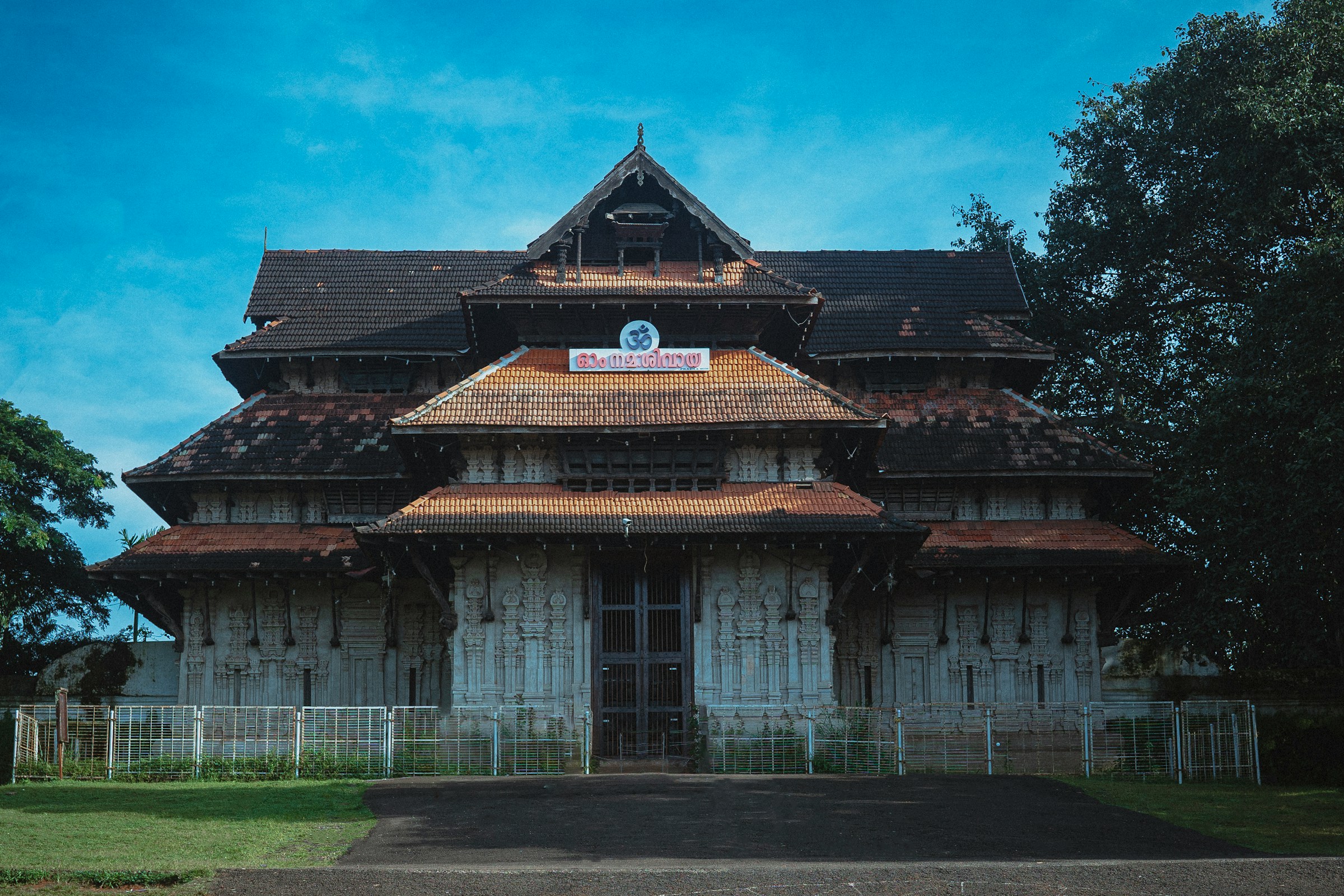
Dedicated to Lord Shiva, this ancient temple is believed to be one of the oldest Shiva temples in Kerala. It is closely linked to the history of the Chera dynasty and attracts pilgrims throughout the year.
3. Muziris Heritage Project Sites
The Muziris Heritage region preserves the legacy of the ancient port of Muziris, which was once a major trading hub connecting India with Rome, Arabia, and China. Visitors can explore archaeological sites, museums, and restored heritage structures.
4. Paliam Palace
Part of the Muziris Heritage Project, Paliam Palace showcases traditional Kerala architecture and provides insights into the lifestyle of the former Paliath Achans, the hereditary prime ministers of the Kingdom of Cochin.
5. Paliam Nalukettu
This beautifully restored traditional Kerala mansion offers visitors a glimpse into aristocratic life in old Kerala and displays historical artifacts and architectural features.
6. Kottappuram Fort
Built by the Portuguese and later renovated by the Dutch, Kottappuram Fort stands along the Periyar River and reflects the colonial history of the Malabar Coast.
7. Marthoma Pontifical Shrine
This Christian pilgrimage center commemorates the arrival and missionary work of St. Thomas the Apostle in Kerala. The shrine attracts pilgrims from across India.
8. Chendamangalam Synagogue
A significant heritage monument, the synagogue highlights the history of Kerala’s Jewish community and forms an important part of the Muziris Heritage Circuit.
9. Paravur Synagogue
Another important Jewish heritage site, the synagogue features fascinating exhibits on the Jewish settlements that once flourished along Kerala’s coast.
10. Azhikode Munakkal Beach
A serene beach near Kodungallur, Azhikode Munakkal Beach offers beautiful sunset views, clean sands, and a peaceful atmosphere away from crowded tourist destinations.
Conclusion
Cheraman Juma Masjid stands as a rare monument where history, faith, and cultural harmony come together. Its story reflects not only the early arrival of Islam in India but also Kerala’s long tradition of openness and peaceful coexistence. Whether visited for spiritual reasons, historical curiosity, or architectural interest, the mosque leaves visitors with a deeper appreciation of India’s diverse and interconnected heritage.
Google Maps
FAQs
1. Why is Cheraman Juma Masjid famous?
Cheraman Juma Masjid is widely recognized as the first mosque in India and one of the oldest mosques in South Asia, dating back to 629 CE.
2. Where is Cheraman Juma Masjid located?
The mosque is located in Kodungallur, in Kerala’s Thrissur district.
3. Who built Cheraman Juma Masjid?
According to tradition, the mosque was built by Malik Bin Dinar and his companions under the guidance associated with Cheraman Perumal, the Chera ruler linked to its origin story.
4. What makes the mosque’s architecture unique?
Its architecture combines Islamic religious features with traditional Kerala design elements such as sloping roofs, wooden interiors, and oil lamps.
5. Can non-Muslims visit Cheraman Juma Masjid?
Yes, people of different faiths visit the mosque to appreciate its historical and cultural significance, though visitors should respect local customs and religious practices.
6. Has the mosque been renovated?
Yes, the mosque has undergone several renovations over time, but efforts have been made to preserve its original style and historical character.
7. What is the best time to visit?
The cooler months between October and March are generally considered ideal for visiting Kerala and exploring heritage sites like Cheraman Juma Masjid comfortably.