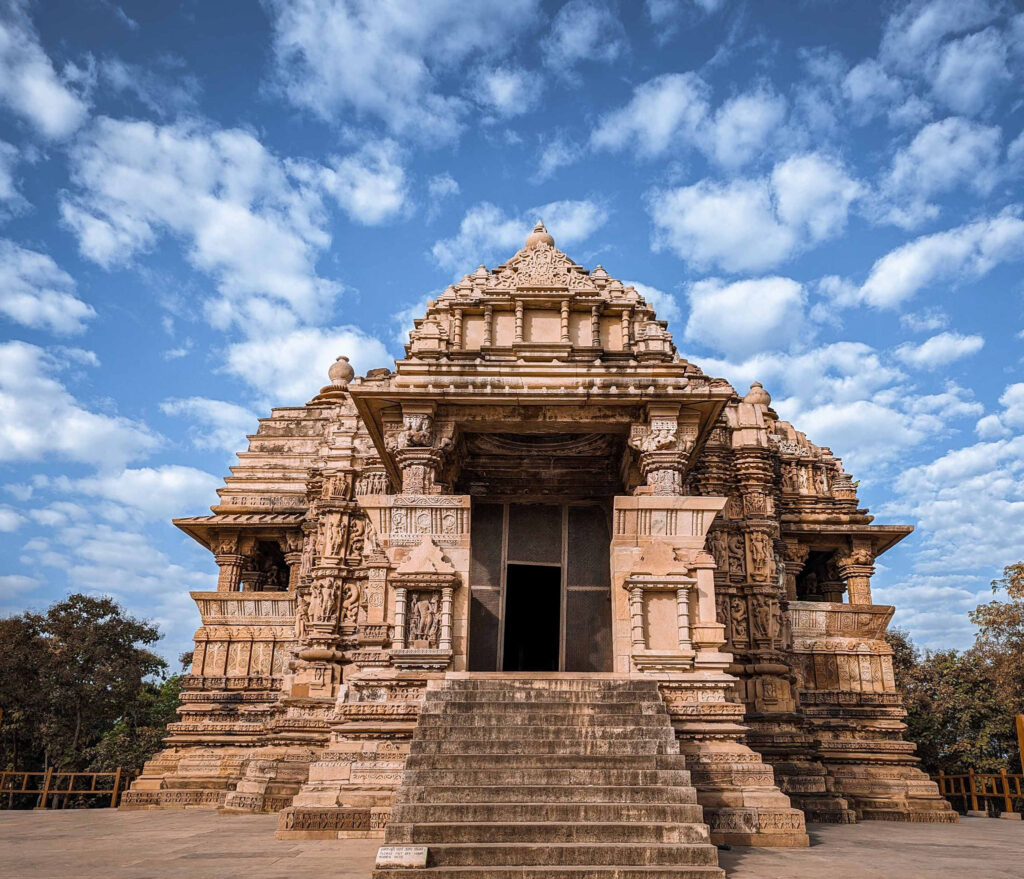
Image Source: Beparwah Parinda
Introduction
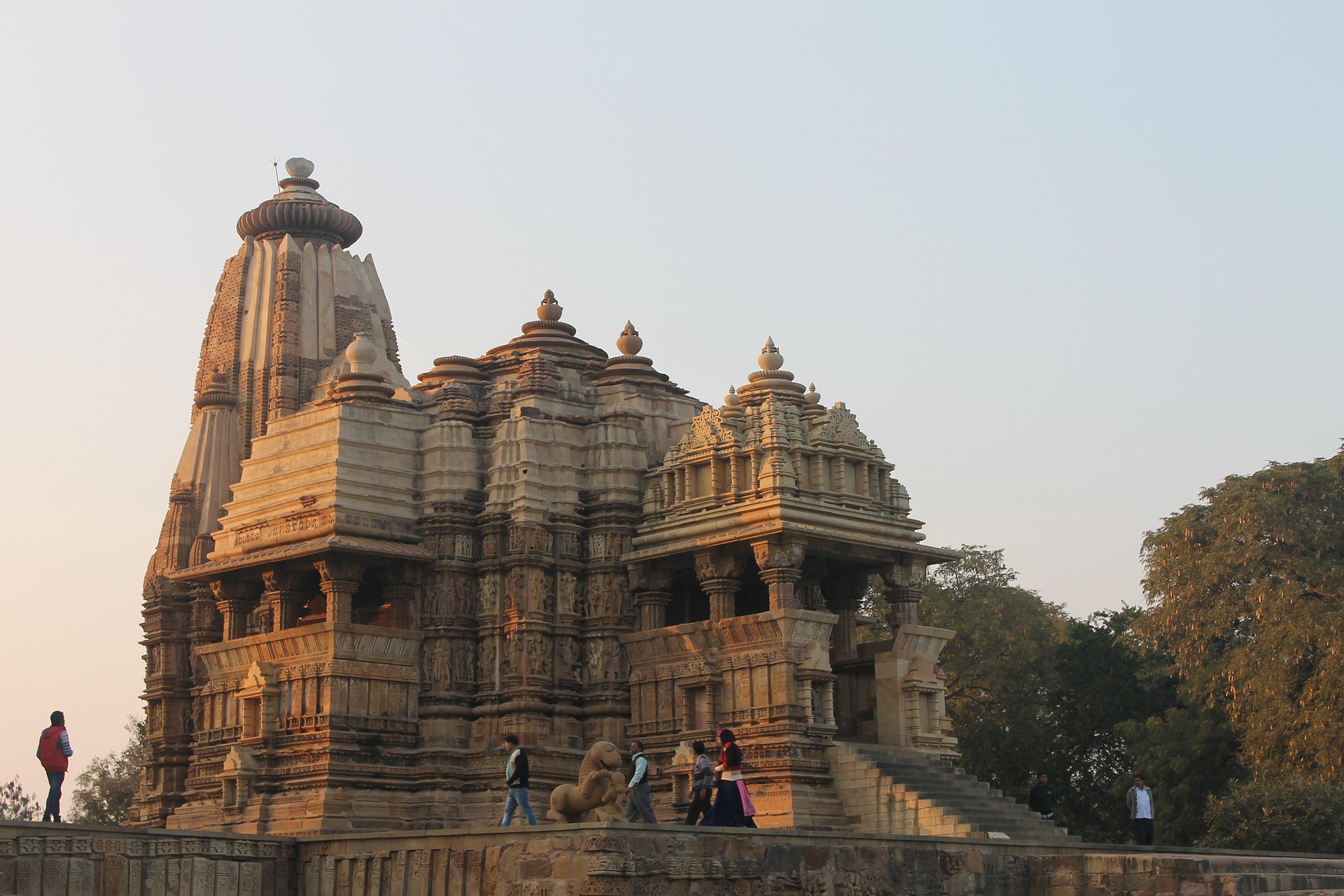
Nestled within the famous Western Group of Temples in Khajuraho, the Devi Jagadambi Temple is one of the most captivating monuments in the region. Known for its refined architecture and expressive sculptures, this temple reflects the artistic brilliance of the Chandela period. While it may not be as massive as some of its neighbors, its intricate detailing and historical evolution make it a must-visit for anyone exploring Khajuraho’s UNESCO-listed heritage complex.
History of Devi Jagadambi Temple
The temple was built between 1000 AD and 1025 AD by the Chandela rulers, who were great patrons of art and temple architecture. Interestingly, the temple was originally dedicated to Lord Vishnu, which is evident from the sculptural panels depicting his various avatars.
Over time, the temple’s religious identity evolved. Worship gradually shifted first to Goddess Parvati and later to Goddess Kali. Today, the sanctum houses an image of Devi Jagadambi (a form of the Divine Mother), which is how the temple derives its present name.
Architectural Highlights
At first glance, the Devi Jagadambi Temple resembles several other temples in Khajuraho, especially the grand Kandariya Mahadeva Temple. It stands on a raised platform and follows the classic Nagara-style architecture that defines this region.
The structure includes:
- Garbhagriha (Sanctum): Houses the idol of Devi Jagadambi
- Maha Mandapa (Main Hall): A beautifully adorned space used for gatherings and rituals
- Entrance Porch: Elegantly carved with detailed ornamentation
In terms of layout and proportions, it shares similarities with the Chitragupta Temple, showcasing the consistency and sophistication of Chandela architecture.
Sculptures and Artistic Brilliance
One of the temple’s most striking features is its elaborate sculptural work. The outer walls are decorated with three horizontal bands of carvings:
- Lower Two Bands: Primarily depict forms and avatars of Lord Vishnu
- Upper Band: Features the iconic Khajuraho-style sculptures, including celestial beings, dancers, and expressive human forms
Among the many fascinating carvings, a standout is the depiction of a warrior battling a lion with his bare hands. This dramatic scene symbolizes courage, strength, and the valor associated with the Chandela dynasty.
The sculptures here are not just decorative—they offer a glimpse into the social, cultural, and spiritual life of the time, blending devotion with artistic freedom.
Cultural Significance
As part of the UNESCO World Heritage Site Khajuraho Group of Monuments, the Devi Jagadambi Temple holds immense historical and cultural value. It represents the peak of temple architecture in medieval India and continues to attract historians, architects, and travelers from around the world.
Timings and Entry Fee
- Timings: 6:00 AM to 5:00 PM
- Entry Fee:
- Indian Visitors: ₹30
- Foreign Visitors: ₹500
(Note: Entry is usually combined with access to the Western Group of Temples.)
Nearby Attractions to Devi Jagadambi Temple
Kandariya Mahadeva Temple
Located adjacent to the Devi Jagadambi Temple, Kandariya Mahadeva Temple is the largest and most impressive temple in Khajuraho. Dedicated to Lord Shiva, it is famous for its towering shikhara, intricate carvings, and exquisite sculptures that represent the pinnacle of Chandela architecture.
Lakshmana Temple
One of the oldest and best-preserved temples in Khajuraho, Lakshmana Temple is dedicated to Lord Vishnu. Its detailed carvings, grand platform, and beautifully sculpted panels make it a major attraction within the temple complex.
Chausath Yogini Temple
Considered the oldest surviving temple in Khajuraho, this unique open-air shrine was dedicated to the 64 Yoginis. Built from granite, it offers a fascinating glimpse into the early religious traditions of the Chandela period.
Vishwanath Temple
Dedicated to Lord Shiva, Vishwanath Temple is admired for its elegant architecture, detailed sculptures, and impressive Nandi shrine. It is one of the most significant monuments in the Western Group of Temples.
Matangeshwar Temple
A functioning Hindu temple located near the Western Group, Matangeshwar Temple houses a massive Shiva Lingam and continues to attract devotees throughout the year, especially during Mahashivaratri.
Khajuraho Archaeological Museum
This museum showcases a rich collection of sculptures, artifacts, and architectural fragments recovered from the Khajuraho temples. It is an excellent place to learn more about the region’s history and artistic heritage.
Light and Sound Show, Khajuraho
Held in the evening near the Western Group of Temples, this popular show narrates the history of the Chandela dynasty and the creation of the Khajuraho temples through captivating lights and sound effects.
Location of Devi Jagadambi temple
FAQs
1. Why is the Devi Jagadambi Temple famous?
The temple is renowned for its intricate sculptures, especially the expressive and detailed carvings that reflect the artistic excellence of the Chandela era.
2. Was the temple always dedicated to Goddess Jagadambi?
No, it was originally dedicated to Lord Vishnu. Over time, the worship shifted to Goddess Parvati and later to Goddess Kali, leading to its present identity.
3. What is unique about the temple’s architecture?
It follows the Nagara style and features a balanced structure with a sanctum, mandapa, and porch—all richly decorated with carvings and sculptures.
4. Are the sculptures similar to other Khajuraho temples?
Yes, the temple shares stylistic similarities with nearby temples, but it stands out for its refined detailing and proportion.
5. What is the best time to visit?
The best time to visit Khajuraho is between October and March when the weather is pleasant for sightseeing.