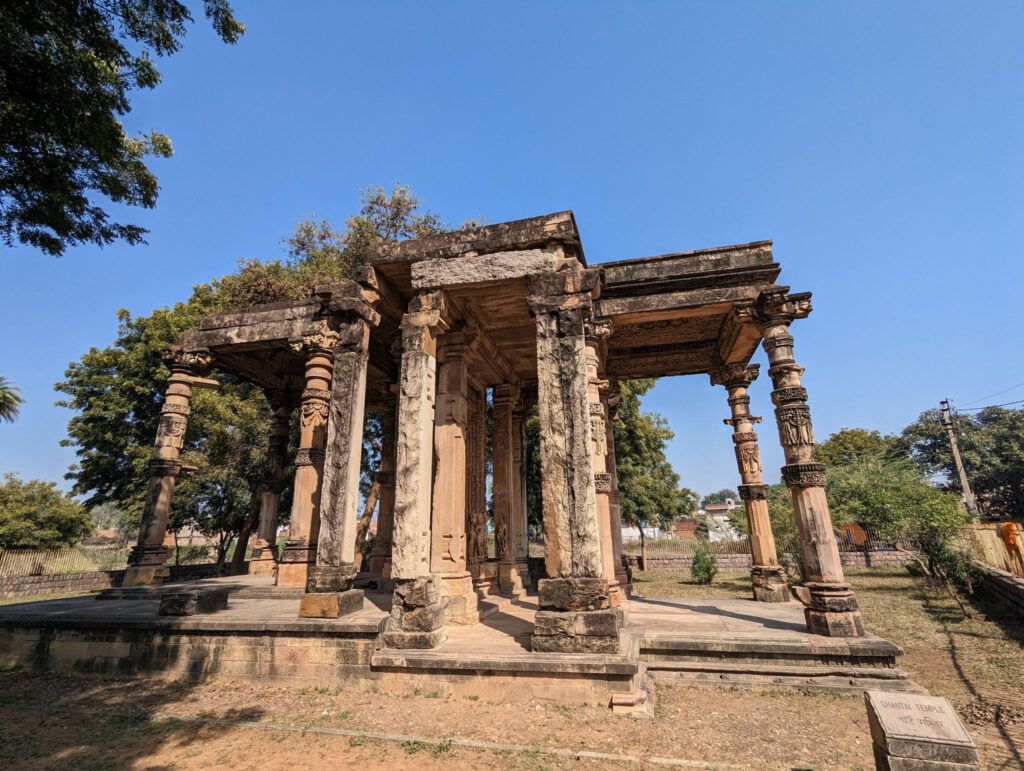
Image Source: Johny Thomas Kariath
About Ghantai Temple
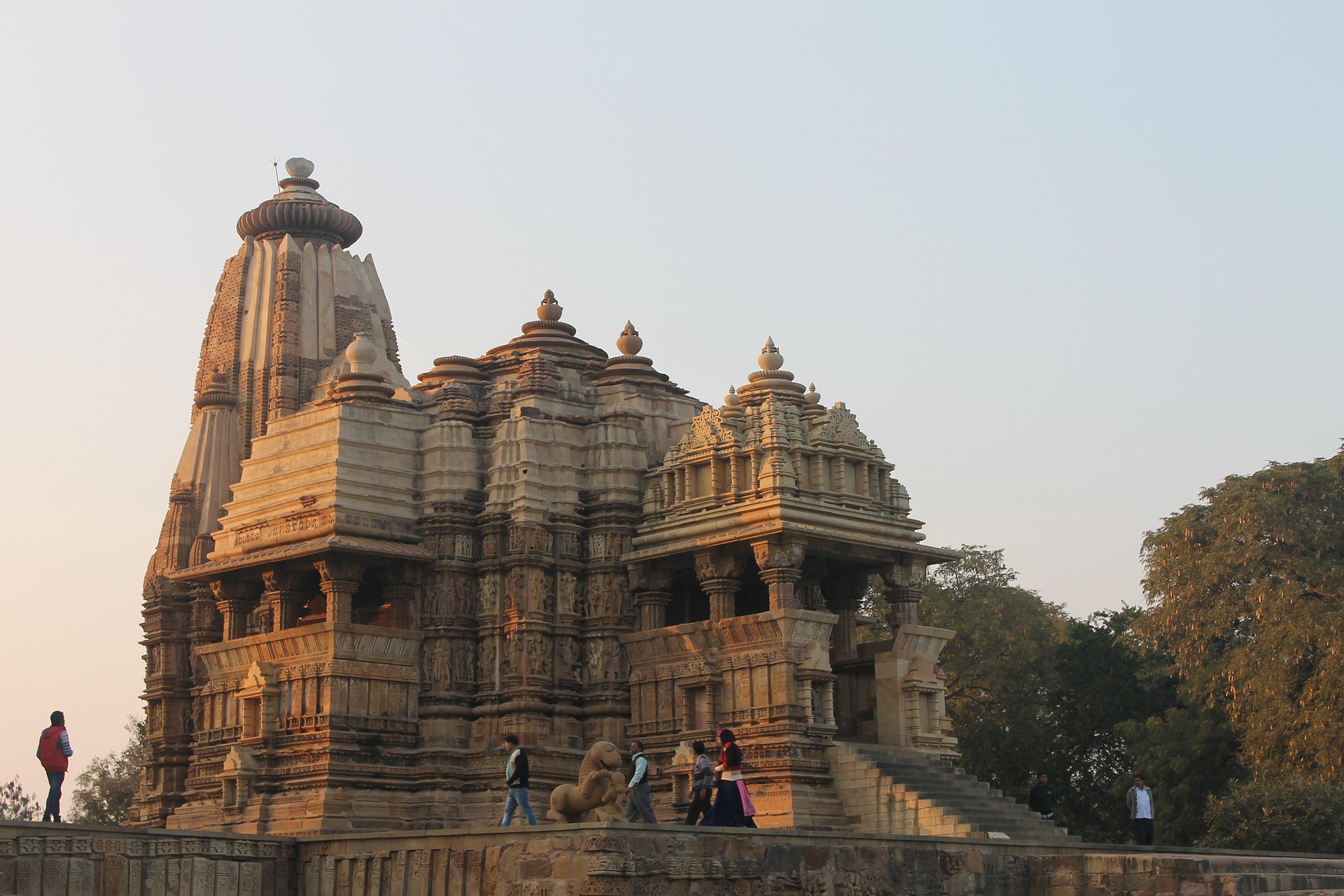
Nestled in the historic town of Khajuraho, the Ghantai Temple stands as one of the finest examples of Jain architecture created during the rule of the powerful Chandela dynasty. Though partially ruined today, the temple still reflects the artistic brilliance, spiritual symbolism, and exceptional craftsmanship that once defined the temple complexes of Khajuraho. Quiet, less crowded, and deeply atmospheric, Ghantai Temple offers visitors a fascinating glimpse into the Jain heritage of the region.
History of Ghantai Temple
Ghantai Temple was built around 995 CE during the reign of the Chandela kings, who were renowned patrons of art, architecture, and religion. The temple is dedicated to Rishabhanatha, also known as Adinatha, the first Tirthankara in Jain tradition. It belongs to the Eastern Group of Khajuraho temples, which mainly consists of Jain shrines and monuments.
The temple derives its name from the beautiful “ghanta” or bell-and-chain carvings sculpted onto its pillars. These decorative motifs are among the temple’s most recognizable features and showcase the remarkable skill of the artisans of that era. Even though much of the original structure has been damaged over time, the surviving pillars and sculptures still speak volumes about the grandeur the temple once possessed.
Today, the temple is protected and maintained by the Archaeological Survey of India, which has declared it a monument of national importance.
Architectural Beauty and Design
The architecture of Ghantai Temple reflects the classic Nagara style seen across many temples of Khajuraho, but with distinct Jain artistic elements. The temple was once among the largest Jain temples in the region and is often compared to the famous Parshvanath Temple because of its similar architectural layout and intricate carvings. However, Ghantai Temple was even larger in scale and grandeur.
The temple originally consisted of a sanctum, vestibule, mandapa, and a large entrance hall supported by richly carved pillars. Although several sections are now in ruins, the towering pillars and fragments of the structure continue to impress visitors with their elegance and scale.
One of the most striking features of the temple is the elaborate carving on the doorway walls. Intricate oblong patterns decorate the entrance, while sculptures depicting the eight-armed Yakshi Chakreswari seated on Garuda add spiritual significance to the structure. These carvings are not merely decorative; they reflect important beliefs and symbols associated with Jain philosophy.
Another fascinating artistic detail found within the temple is the depiction of the auspicious dreams of Mahavira’s mother. The carvings portray sacred symbols associated with Jain traditions and beliefs, adding a deeply spiritual dimension to the temple’s artistic beauty.
Spiritual and Cultural Importance
Ghantai Temple is more than just an architectural monument; it represents the flourishing Jain culture that once thrived in central India under the Chandela rulers. The temple reflects the harmony between religion and art during medieval India, where spiritual devotion inspired extraordinary architectural achievements.
Unlike some of the more crowded temples in Khajuraho, Ghantai Temple offers a quieter and more peaceful atmosphere. Visitors often appreciate the calm surroundings, which allow them to admire the details of the carvings and the historical ambiance without distractions.
The temple also highlights the religious diversity of Khajuraho. While the site is globally famous for its Hindu temples, the Jain temples of the Eastern Group demonstrate that Khajuraho was an important center for multiple faiths and traditions.
Best Time to Visit Ghantai Temple
The ideal time to visit Ghantai Temple is between October and March, when the weather in Khajuraho remains pleasant and comfortable for sightseeing. Early mornings and late afternoons are particularly beautiful, as the soft sunlight enhances the texture and detail of the stone carvings.
Visitors exploring the Eastern Group of temples often combine a visit to Ghantai Temple with nearby Jain temples, making it an enriching cultural and historical experience.
Why Visit Ghantai Temple?
Ghantai Temple is perfect for travelers who appreciate history, architecture, spirituality, and ancient art. Despite its ruined condition, the temple possesses a timeless charm that continues to captivate visitors. The intricate bell-and-chain carvings, massive pillars, and spiritual symbolism make it one of the hidden architectural treasures of Khajuraho.
For anyone interested in Jain heritage or medieval Indian craftsmanship, this temple offers an unforgettable experience and a deeper understanding of the artistic excellence achieved during the Chandela period.
How to Reach

By Car:
Ghantai Temple is located in the city of Khajuraho, Madhya Pradesh, India.
If you are traveling from a nearby city, you can drive to Khajuraho via well-connected roads.

By Train:
Khajuraho has its own railway station called Khajuraho Railway Station (station code: KURJ).

By Air:
The nearest airport to Khajuraho is Khajuraho Airport (IATA code: HJR).
Nearby Attractions to Ghantai Temple, Khajuraho
Located within the Eastern Group of Temples in Khajuraho, the Ghantai Temple is known for its elegant pillars and intricate carvings that reflect the rich Jain heritage of the region. While visiting this historic monument, travelers can explore several fascinating attractions located nearby, making it easy to spend a full day discovering the cultural and architectural treasures of Khajuraho.
Parsvanath Temple
Just a short walk from Ghantai Temple, the Parsvanath Temple is the largest and best-preserved Jain temple in Khajuraho. Dedicated to the 23rd Jain Tirthankara, Lord Parsvanath, the temple is admired for its exquisite carvings depicting everyday life, celestial beings, and intricate decorative motifs. It is considered one of the finest examples of Chandela-era craftsmanship.
Adinath Temple
Located within the Jain temple complex, the Adinath Temple is dedicated to Lord Adinath, the first Jain Tirthankara. The temple combines Jain religious traditions with architectural elements commonly found in Khajuraho’s Hindu temples, making it an interesting stop for history and architecture enthusiasts.
Shantinath Temple
Part of the active Jain pilgrimage complex, Shantinath Temple houses a large idol of Lord Shantinath and continues to serve as an important place of worship. Visitors can experience both the spiritual atmosphere and the architectural beauty of the site.
Brahma Temple
Situated a short distance from the Jain temple complex, the Brahma Temple is one of the oldest surviving temples in Khajuraho. Built from sandstone and granite, it is notable for its simple yet impressive architectural style and historical significance.
Vamana Temple
Dedicated to the Vamana incarnation of Lord Vishnu, this temple is renowned for its finely sculpted walls and beautifully proportioned structure. The detailed carvings showcase the artistic excellence of the Chandela dynasty.
Javari Temple
Located nearby, the Javari Temple is a charming Hindu temple dedicated to Lord Vishnu. Though smaller than many of Khajuraho’s famous monuments, it features elegant carvings and a peaceful setting that appeals to visitors seeking a quieter experience.
Khajuraho Archaeological Museum
Operated by the Archaeological Survey of India, this museum displays a rich collection of sculptures and artifacts recovered from the temples and surrounding areas. It provides valuable context about the history, religion, and art of the Chandela period.
Lakshmana Temple
One of the most celebrated monuments in Khajuraho’s Western Group of Temples, the Lakshmana Temple is famous for its grand architecture and detailed sculptures. It is approximately 3–4 km from the Ghantai Temple complex and is a must-visit for anyone exploring Khajuraho.
Kandariya Mahadeva Temple
The largest and most ornate temple in Khajuraho, Kandariya Mahadeva Temple is renowned for its towering spire and extraordinary stone carvings. It represents the pinnacle of Chandela temple architecture and is among the most visited attractions in the region.
Light and Sound Show
Held every evening near the Western Group of Temples, the Light and Sound Show narrates the history of the Chandela rulers and the temples of Khajuraho. It is an excellent way to conclude a day of sightseeing.
Raneh Falls
Located about 20 km from Khajuraho, Raneh Falls is a spectacular natural attraction known for its colorful granite canyon and seasonal waterfalls. The site is especially beautiful during and after the monsoon season.
Panna National Park
Around 25 km from Khajuraho, Panna National Park offers wildlife safaris where visitors may spot tigers, leopards, deer, crocodiles, and a variety of bird species. It is a great destination for nature lovers looking to complement their cultural tour with an outdoor adventure.
Exploring these attractions alongside Ghantai Temple provides a deeper appreciation of Khajuraho’s unique blend of history, spirituality, architecture, and natural beauty.
FAQs
1. Where is Ghantai Temple located?
Ghantai Temple is located in Khajuraho in the state of Madhya Pradesh, India. It belongs to the Eastern Group of Khajuraho temples.
2. Which deity is worshipped in Ghantai Temple?
The temple is dedicated to Rishabhanatha, the first Tirthankara of Jainism, also known as Adinatha.
3. Why is it called Ghantai Temple?
The temple gets its name from the distinctive bell-and-chain (“ghanta”) carvings sculpted on its pillars and architectural elements.
4. Who built Ghantai Temple?
Ghantai Temple was constructed by the rulers of the Chandela dynasty around the 10th century CE.
5. Is Ghantai Temple protected by the government?
Yes, the temple is protected and maintained by the Archaeological Survey of India as a monument of national importance.
6. What is special about the architecture of Ghantai Temple?
The temple is known for its massive pillars, intricate carvings, Jain symbolism, and elegant bell-and-chain motifs that display the exceptional craftsmanship of medieval Indian artisans.