Image Source: vikasshivtare
About Lakshmana Temple
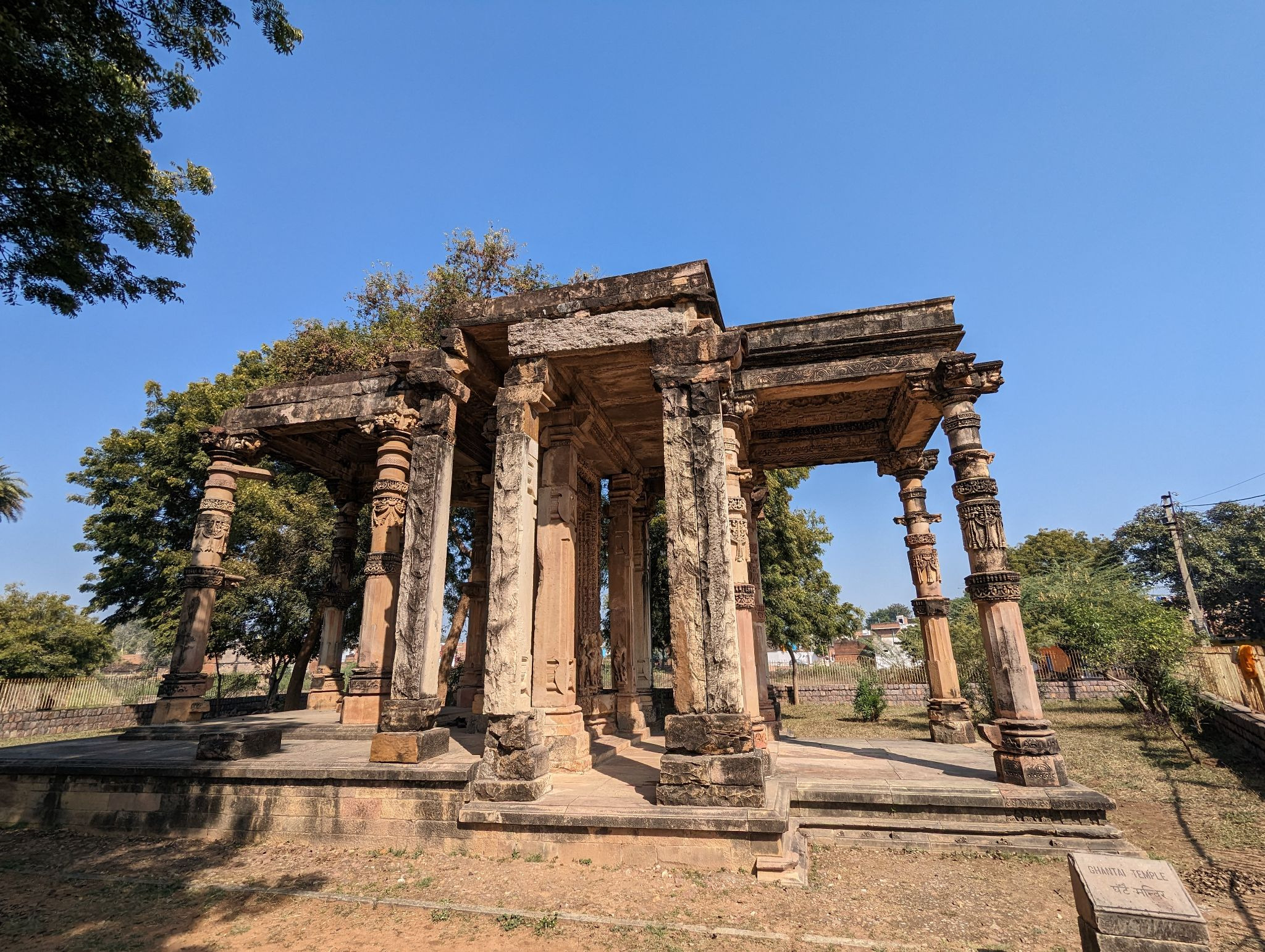
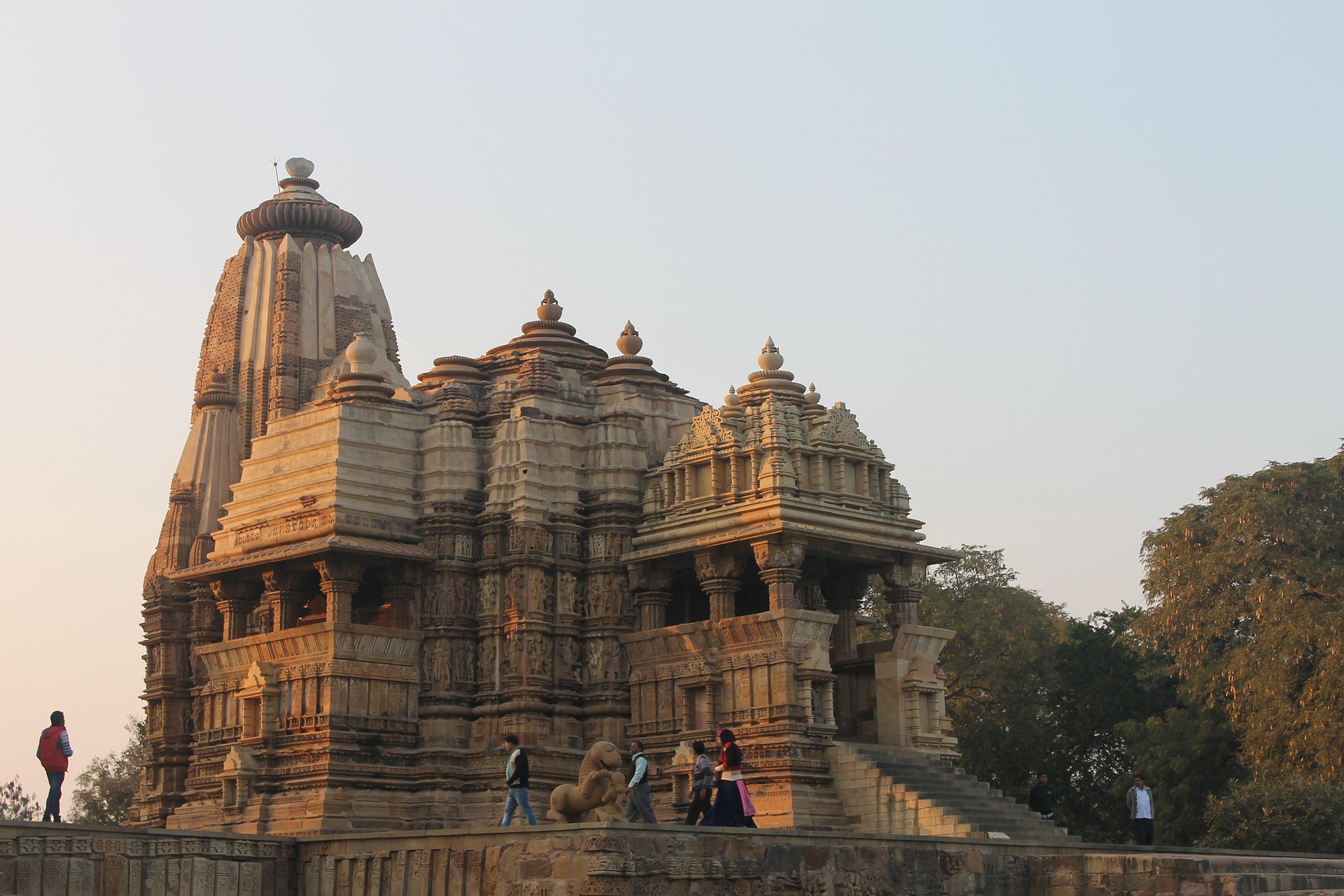
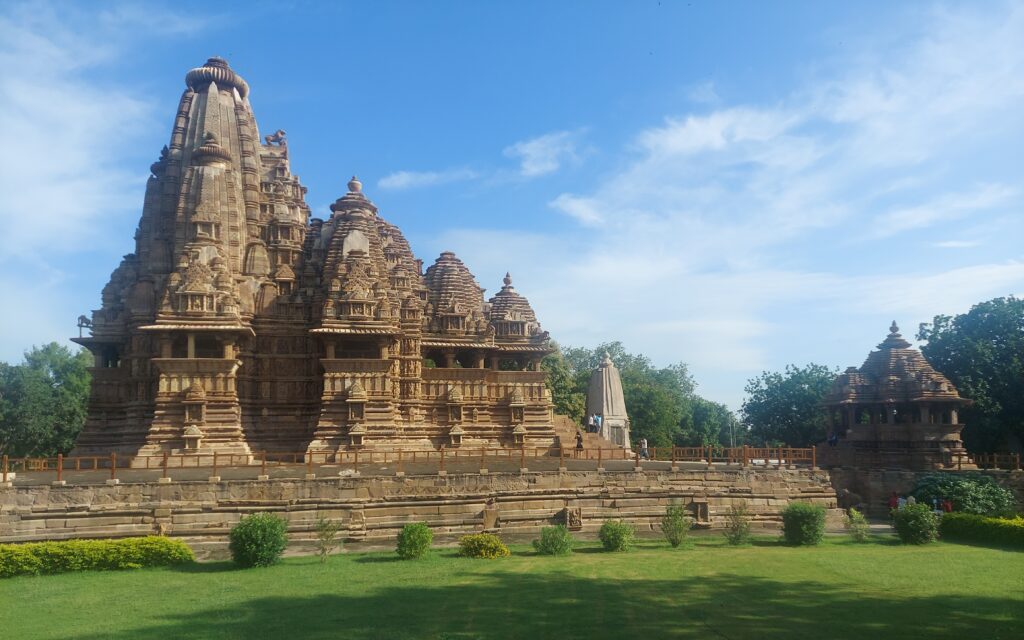
Located within the famous Western Group of Temples in Khajuraho, Lakshmana Temple is one of the oldest and most significant structures in this UNESCO World Heritage complex. Just about 1 km from the Khajuraho bus stand, the temple is easily accessible and often among the first stops for visitors exploring the region’s rich heritage.
What makes Lakshmana Temple truly special is its blend of history, architectural brilliance, and intricate sculptures that reflect the artistic excellence of ancient India.
History & Cultural Significance
Lakshmana Temple was built around 954 CE by Yashovarman, one of the prominent rulers of the Chandela dynasty. Dedicated to Vishnu, the temple is believed to have taken nearly two decades to complete—an indication of the craftsmanship and dedication involved in its construction.
The temple is particularly known for housing an idol of Vaikuntha Vishnu, a rare form of the deity with three heads and four arms. Interestingly, this idol is said to have been brought from Tibet, adding a unique historical dimension to the temple.
Architectural Brilliance
Built in the classic Nagara style of North Indian temple architecture, Lakshmana Temple follows the Panchayatana layout, where the main shrine is surrounded by four smaller subsidiary shrines at each corner of the platform.
The temple stands on a high rectangular platform, which not only enhances its grandeur but also provides a clear view of its detailed carvings. The structure includes several key components:
- Ardha Mandapa (entrance porch).
- Mandapa (assembly hall).
- Maha Mandapa (main hall).
- Antarala (vestibule).
- Garbhagriha (sanctum).
The entire layout is designed in the Sandhara style, meaning the sanctum is encircled by a passage for circumambulation.
Sculptures & Artistic Detailing
One of the most striking features of Lakshmana Temple is its intricate carvings. The temple walls are adorned with hundreds of sculptures depicting gods, goddesses, celestial beings, dancers, musicians, warriors, and scenes from everyday life.
Like many temples in Khajuraho, it also features famous erotic sculptures, which are often interpreted as symbolic representations of life, spirituality, and human emotions rather than mere physical expressions.
At the entrance, beautifully carved toranas (arched gateways) and decorative motifs welcome visitors. The doorway to the sanctum is especially impressive, featuring seven vertical panels depicting various incarnations of Vishnu.
Inside, the idol of Vaikuntha Vishnu stands as the centerpiece—its three heads representing a human form, Varaha (boar incarnation), and Narasimha (lion incarnation).
Varaha Mandapa & Additional Structures
In front of the temple lies the Varaha Mandapa, an open pavilion that houses a massive sculpture of Varaha, the boar incarnation of Vishnu. This monolithic figure is intricately carved with numerous miniature deities across its surface, showcasing exceptional artistry.
Overall, the temple complex is said to feature more than 600 finely detailed sculptures, each telling its own story.
Visitor Information
- Timings: 6:00 AM to 5:00 PM
- Entry Fee:
- Indian visitors: ₹30
- Foreign visitors: ₹500
Best Time to Visit
The ideal time to visit Khajuraho and Lakshmana Temple is between October and March, when the weather is pleasant and suitable for exploring the temple complex. Early mornings and late afternoons are especially beautiful, offering soft lighting that enhances the carvings.
How to Reach
By Air:
The nearest airport is Khajuraho Airport, located approximately 5 km from Lakshmana Temple. Taxis and auto-rickshaws are easily available from the airport and can reach the temple within 10–15 minutes.
By Train:
Khajuraho Railway Station is about 7 km away from the temple complex. Visitors can hire taxis, auto-rickshaws, or local cabs to reach the site comfortably.
By Road:
Khajuraho is well connected by road to major cities such as Chhatarpur, Satna, Jhansi, Panna, and Bhopal. Regular buses and private vehicles provide convenient access to the town.
Local Transport:
Lakshmana Temple is situated within the Western Group of Temples, the most visited section of the Khajuraho monument complex. It can be easily reached by auto-rickshaw, bicycle, taxi, or even on foot from many hotels in Khajuraho.
Nearby Attractions
Kandariya Mahadeva Temple
Located just a short walk away, this is the largest and most ornate temple in Khajuraho, renowned for its soaring shikhara and exquisite sculptures.
Devi Jagadambi Temple
A beautiful temple known for its elegant carvings and the idol of Goddess Jagadambi, attracting both devotees and architecture enthusiasts.
Chitragupta Temple
Dedicated to Surya, the Sun God, this temple features impressive sculptures and a striking image of the deity riding a chariot.
Vishwanath Temple
One of the finest temples in Khajuraho, dedicated to Lord Shiva and famous for its detailed carvings and magnificent Nandi shrine.
Varaha Temple
A small but significant shrine housing a massive monolithic sculpture of Varaha, the boar incarnation of Lord Vishnu.
Matangeshwar Temple
An active place of worship located adjacent to the Western Group of Temples, known for its enormous Shiva Lingam and spiritual atmosphere.
Archaeological Museum, Khajuraho
The museum displays a rich collection of sculptures, artifacts, and architectural fragments recovered from the Khajuraho temples.
Light and Sound Show
Held in the evening near the Western Group of Temples, the show narrates the history of the Chandela dynasty and the cultural significance of Khajuraho.
Raneh Falls
Situated about 20 km from Khajuraho, this spectacular natural attraction is famous for its colorful granite canyon and scenic waterfalls.
Panna National Park
Located around 25 km away, the park is a popular wildlife destination known for tigers, leopards, deer, and diverse birdlife.
Travel Tips
- Hire a local guide to better understand the history and symbolism of the sculptures.
- Wear comfortable footwear, as you’ll be walking around the complex.
- Carry water, especially during warmer months.
- Respect the heritage site—avoid touching or damaging the carvings.
Location of Lakshmana temple
FAQs
1. Why is Lakshmana Temple famous?
It is one of the oldest temples in Khajuraho, known for its intricate carvings, Panchayatana layout, and the rare idol of Vaikuntha Vishnu.
2. Who built the Lakshmana Temple?
It was built by Yashovarman, a ruler of the Chandela dynasty, around 954 CE.
3. What is unique about the idol inside the temple?
The idol represents Vaikuntha Vishnu with three heads and four arms, symbolizing different forms of the deity.
4. Are the erotic sculptures significant?
Yes, they are considered symbolic and artistic representations of life, spirituality, and human emotions in ancient Indian culture.
5. How much time is needed to explore the temple?
You can comfortably explore the temple in 1–2 hours, depending on your interest in architecture and history.