Image Source: anunay batham
Introduction
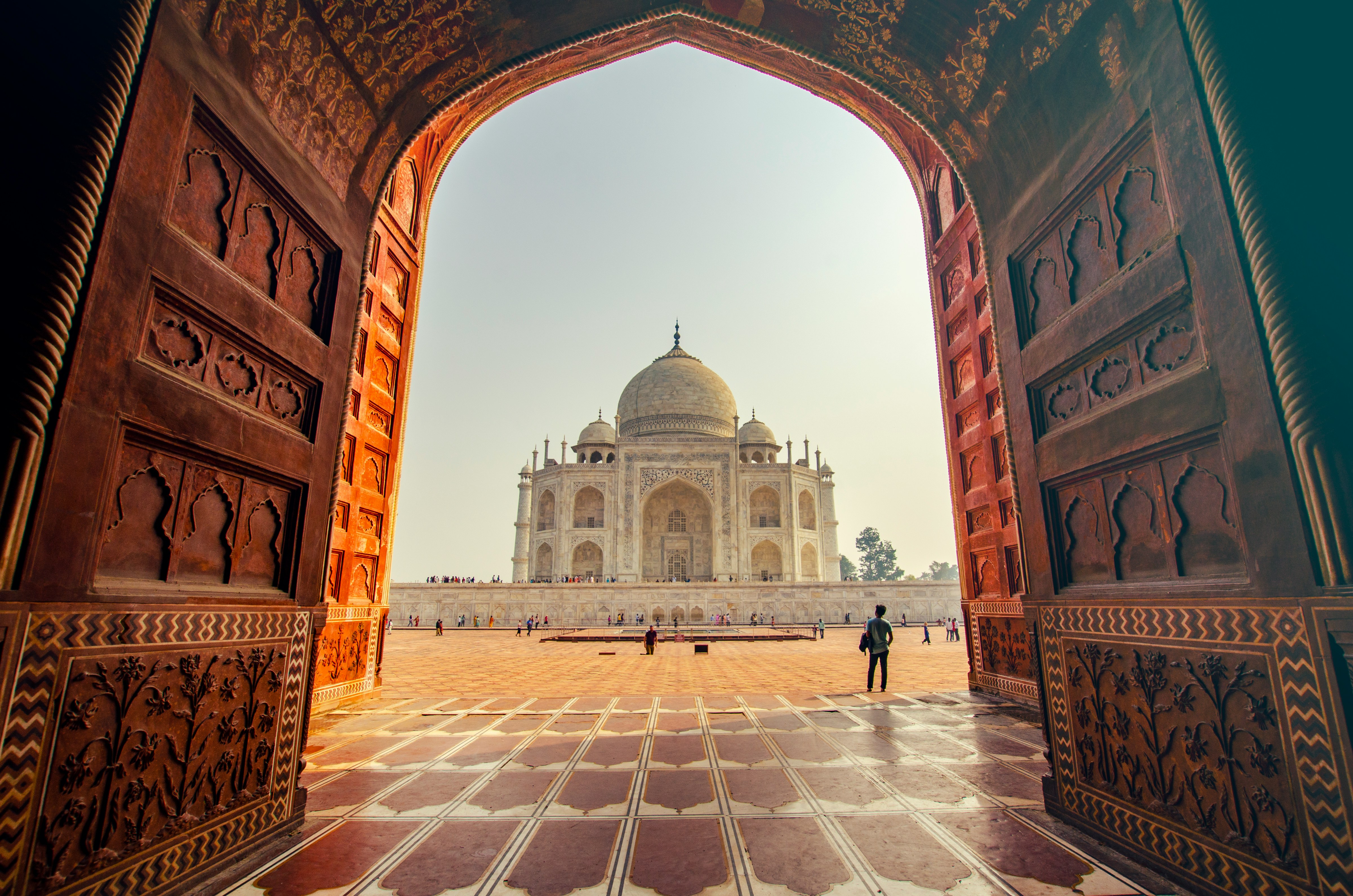
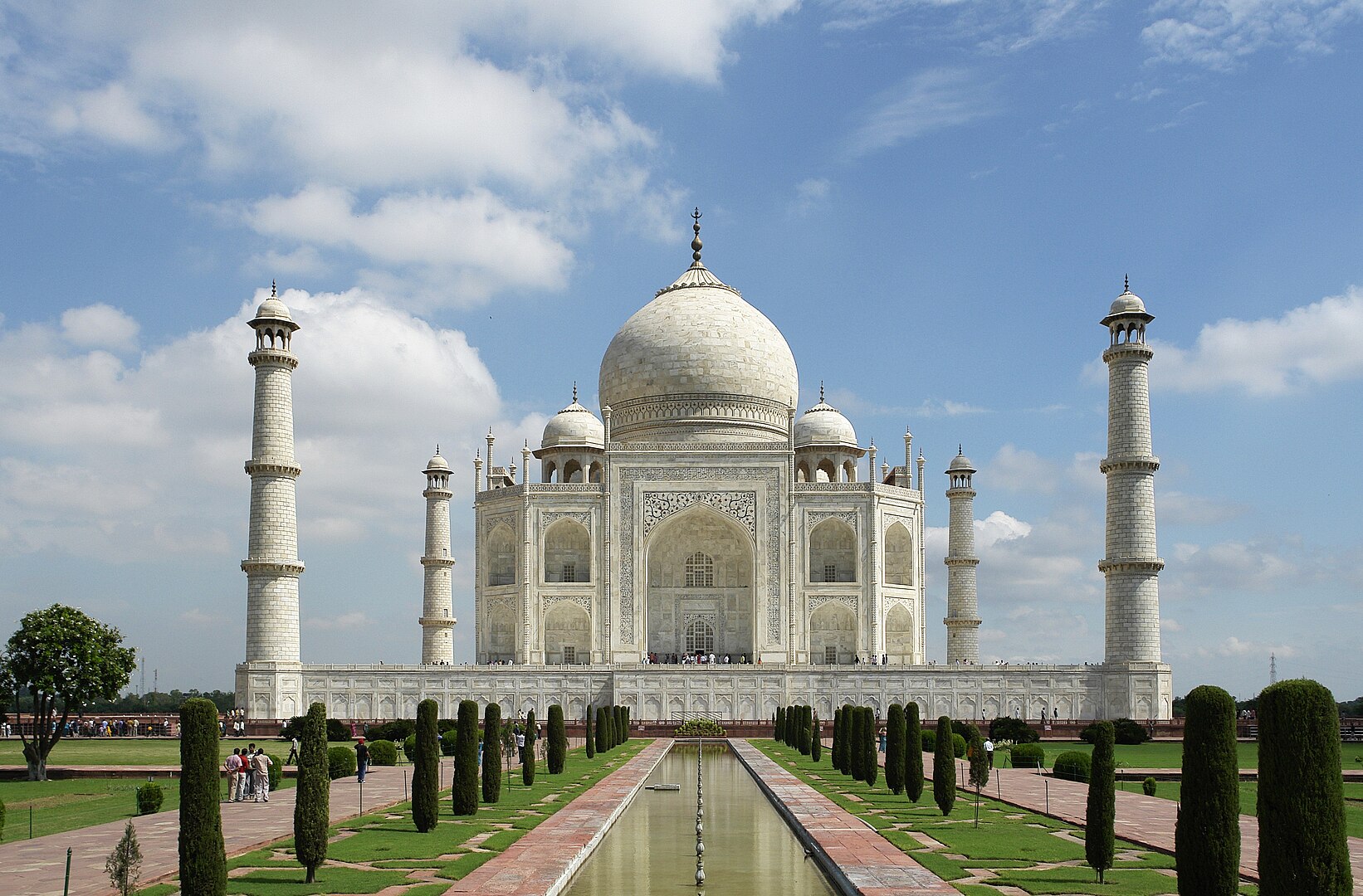
Nestled within the historic landscape of Mandu, the elegant Hoshang Shah’s Tomb stands as one of India’s most remarkable early marble structures. With its gleaming white façade, symmetrical design, and serene surroundings, the tomb is not just a resting place of a ruler—it’s a masterpiece that quietly shaped the future of Mughal architecture. Many historians even believe it influenced the design of the iconic Taj Mahal.
Historical Background
Hoshang Shah’s Tomb is part of Mandu’s central (or village) group of monuments and was built in honor of Hoshang Shah, the first formally appointed Sultan of the Malwa Sultanate. Construction of the mausoleum began during his lifetime and was completed in 1440 under the rule of Mahmud Khilji.
Located just to the west of the grand Jami Masjid, the tomb holds special significance as India’s first structure built entirely of white marble. Its refined craftsmanship and architectural elegance later inspired Mughal builders, particularly during the construction of the Taj Mahal centuries later.
Architectural Highlights
At first glance, the tomb impresses with its clean lines, perfect symmetry, and striking marble finish. The structure is built on a raised platform and features a large central dome surrounded by smaller domed pavilions, creating a balanced and harmonious design.
The entrance porch is beautifully designed, with arched openings on three sides. Interestingly, although the porch faces north, the actual entry into the tomb is through the southern doorway, which is adorned with delicate carvings and well-proportioned ornamentation.
Interior Design & Detailing
Step inside, and the tomb reveals a world of subtle artistry. The interior walls are decorated with delicate moldings and miniature arch designs that run along the dome’s base. Traces of blue enamel work can still be seen, adding a touch of color to the otherwise white marble setting.
At the center lies the main cenotaph of Hoshang Shah, crafted in the shape of a casket with ornamental bands and a mihrab-like design at the head. Surrounding it are several other marble graves, each equally refined.
One of the most unique features is the crescent-shaped finial atop the domes, a design element believed to have been influenced by regions like Mesopotamia and Russia, showcasing the wide cultural exchanges of that era.
Timings & Entry Fee
- Timings: 8:00 AM – 6:00 PM
- Entry Fee:
- Indian visitors: ₹25.
- Foreign tourists: ₹300.
Best Time to Visit
The best time to visit Hoshang Shah’s Tomb is during the monsoon season (July to September). During this time, Mandu transforms into a lush green paradise, and the white marble of the tomb looks even more striking against the misty, rain-washed surroundings.
Why You Should Visit
Hoshang Shah’s Tomb is more than just a historical site—it’s a milestone in India’s architectural journey. Its simplicity, elegance, and influence on later Mughal monuments make it a must-visit for history lovers, architecture enthusiasts, and curious travelers alike.
How to Reach
Hoshang Shah’s Tomb is located in the Central Group of Monuments in Mandu, right beside Jami Masjid and approximately 500 meters from the main Mandu road. As one of Mandu’s most famous attractions, it is easily accessible from all parts of the historic town.
By Air
The nearest airport is Devi Ahilya Bai Holkar Airport, Indore, situated about 95–100 km from Mandu. Regular flights connect Indore with major Indian cities. From the airport, visitors can hire a taxi or cab to reach Mandu.
By Rail
The nearest major railway stations are Indore Junction and Ratlam Junction. Both stations are well connected to major cities across India. From there, taxis and buses are available for Mandu.
By Road
Mandu is well connected by road to Indore, Dhar, Ujjain, and Ratlam. Regular state transport and private buses operate to Mandu. Once in Mandu, Hoshang Shah’s Tomb can be easily reached by taxi, auto-rickshaw, or on foot while exploring the Central Group of Monuments.
Nearby Attractions
Jami Masjid
Located adjacent to the tomb, Jami Masjid is one of the grandest mosques in central India. Its massive domes, spacious courtyard, and Afghan-inspired architecture make it one of Mandu’s most impressive monuments.
Ashrafi Mahal
Situated opposite Jami Masjid, Ashrafi Mahal was originally built as a madrasa and later transformed into a victory monument. Today, its ruins offer fascinating insights into Mandu’s medieval history.
Hindola Mahal
Known as the “Swinging Palace,” Hindola Mahal is famous for its sloping walls and magnificent audience hall. It is one of the finest examples of Malwa Sultanate architecture.
Jahaz Mahal
One of Mandu’s most iconic landmarks, Jahaz Mahal appears like a ship floating between two lakes. The palace is renowned for its elegant design and scenic surroundings.
Dilawar Khan Mosque
Built in 1405 AD, this mosque is among the earliest Islamic monuments in Mandu and showcases a remarkable blend of Hindu and Islamic architectural styles.
Taveli Mahal
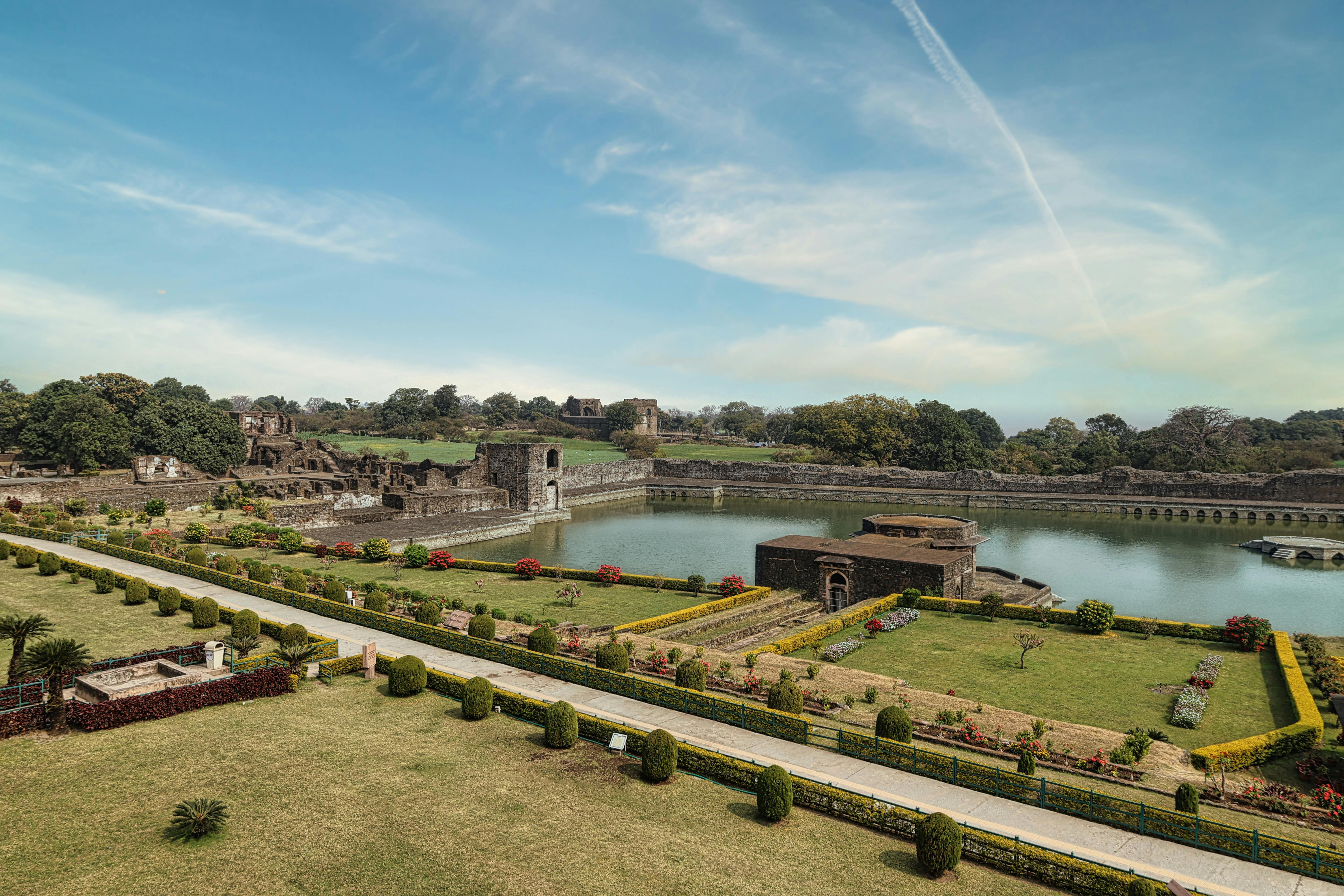
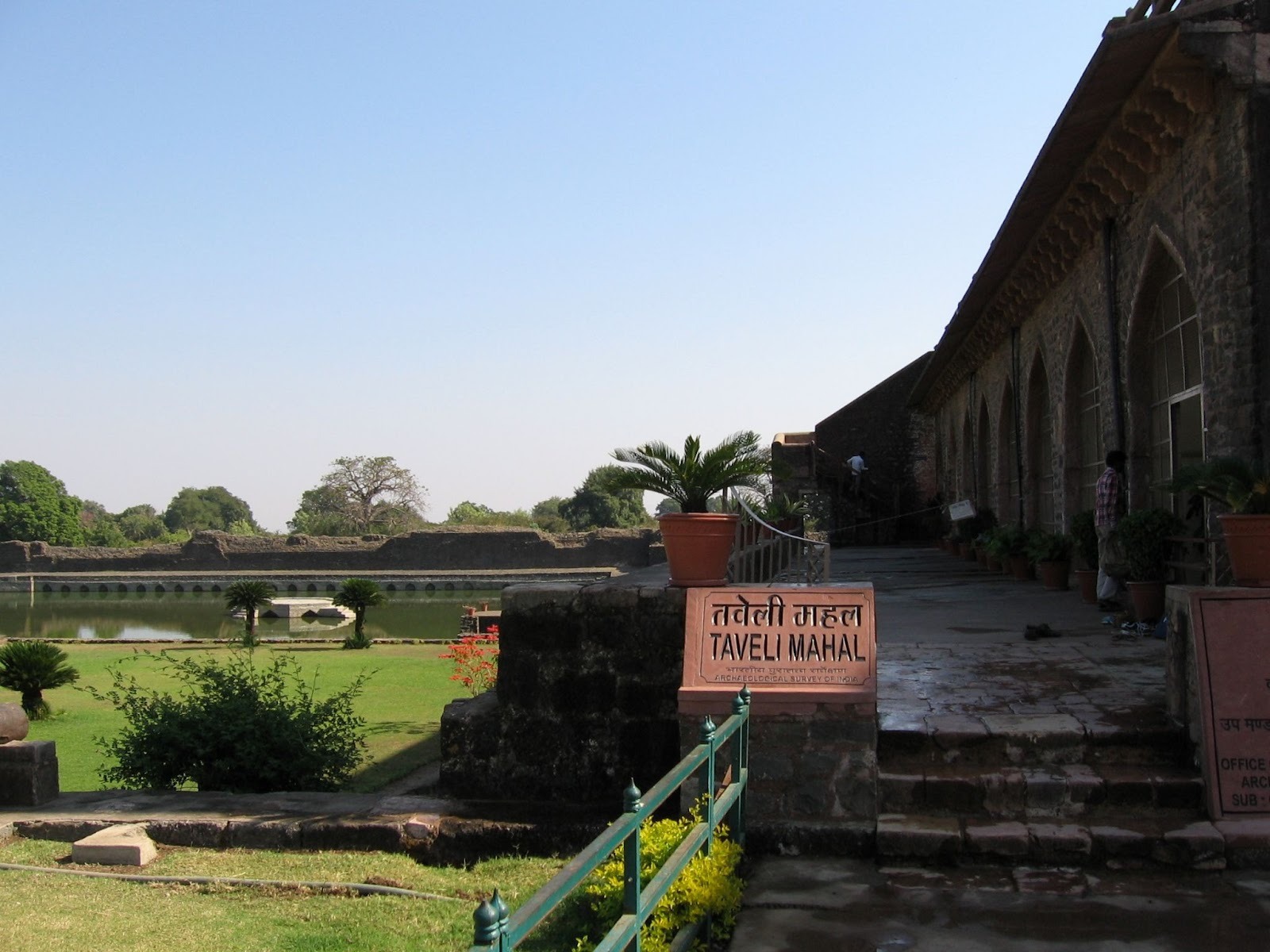
Located near Jahaz Mahal, Taveli Mahal now houses an archaeological museum displaying sculptures, inscriptions, and artifacts discovered across the Mandu region.
Baz Bahadur’s Palace
Built by Mandu’s last independent ruler, the palace is known for its spacious courtyards, beautiful architecture, and picturesque surroundings.
Rani Roopmati Pavilion
Perched on a hilltop overlooking the Narmada Valley, this pavilion is closely associated with the legendary romance of Baz Bahadur and Rani Roopmati and offers breathtaking sunset views.
Rewa Kund
A historic reservoir constructed to supply water to Rani Roopmati’s residence, Rewa Kund remains a serene and scenic attraction for visitors.
Nilkanth Mahadev Temple
Nestled amidst lush greenery, this ancient Shiva temple is a popular pilgrimage site and offers beautiful views of the surrounding landscape.
A visit to Hoshang Shah’s Tomb is best combined with the nearby Jami Masjid and Ashrafi Mahal, as all three monuments are located within the same heritage complex. Widely regarded as India’s first marble mausoleum, the tomb is celebrated for its Afghan-style architecture and is believed to have influenced the design of the Taj Mahal.
Map
FAQs
1. Why is Hoshang Shah’s Tomb famous?
It is known as India’s first all-marble mausoleum and is believed to have inspired the design of the Taj Mahal.
2. Who built Hoshang Shah’s Tomb?
The tomb was initiated by Hoshang Shah himself and completed in 1440 by Mahmud Khilji.
3. Where is the tomb located?
It is located in Mandu, Madhya Pradesh, within the central group of monuments, near Jami Masjid.
4. What is unique about its architecture?
The tomb features pure white marble construction, symmetrical design, domes, intricate carvings, and subtle decorative elements like blue enamel work.
5. How much time is needed to explore the tomb?
You can explore the monument comfortably in about 30–45 minutes.
6. Is it worth visiting during monsoon?
Yes, monsoon is considered the best time as the surrounding greenery enhances the beauty of the white marble structure.