Image Source: flickr
About the Ashoka Pillar at Sanchi
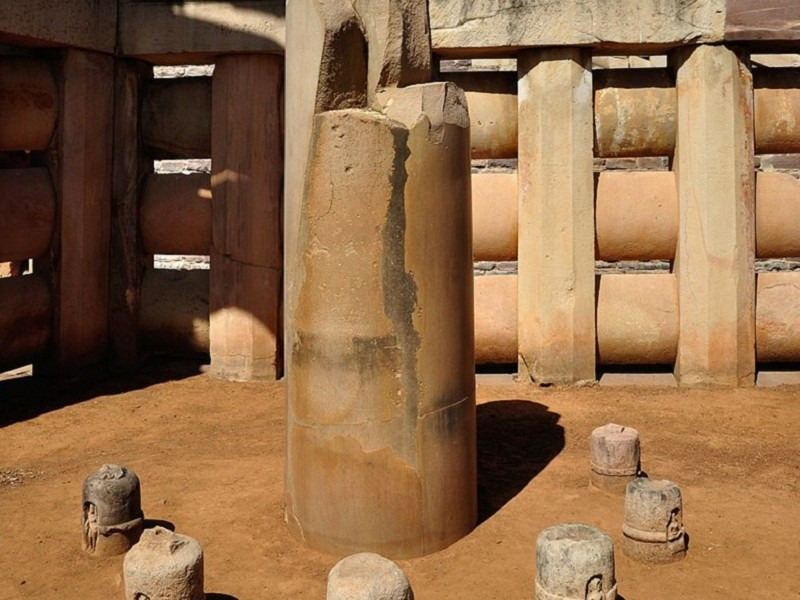
The Ashoka Pillar Sanchi is one of the most remarkable relics from ancient India, standing proudly within the historic complex of Sanchi Stupa. Built during the reign of Ashoka in the 3rd century BCE, this pillar reflects both architectural brilliance and deep spiritual symbolism.
Located just about 1.5 km from Sanchi railway station, it’s an easy and essential stop for anyone exploring the site. Even in its partially preserved form, the pillar continues to capture the imagination of visitors with its elegance and historical significance.
A Glimpse into History
The Ashoka Pillars were erected across the Indian subcontinent as symbols of Emperor Ashoka’s commitment to dharma (righteousness) after his conversion to Buddhism. The Sanchi pillar is one of the finest examples of these structures.
While the main shaft of the pillar still stands at the site, the original lion capital—its crowning glory—is now preserved in the nearby Sanchi Archaeological Museum for protection. This capital, featuring four majestic lions, later inspired India’s national emblem.
Architecture & Design
Crafted from fine sandstone sourced from Chunar, the pillar showcases the incredible craftsmanship of the Mauryan period.
- Height: Approximately 42 feet
- Structure: A single, polished monolithic shaft that slightly tapers upward
- Finish: Smooth, mirror-like polish typical of Mauryan art
The capital (now in the museum) consists of:
- A bell-shaped base
- A decorated abacus featuring intricate carvings
- Four lions seated back-to-back, facing the four cardinal directions
The design reflects influences of the Greco-Buddhist art, blending Indian and Hellenistic artistic traditions.
Symbolism & Meaning
Every element of the Ashoka Pillar carries symbolic meaning:
- Four Lions: Represent power, courage, pride, and confidence; also seen as guardians of the four directions
- Abacus Designs: Often include motifs like geese, symbolizing purity and spiritual progress
- Overall Structure: Represents the spread of Buddha’s teachings across the world
The pillar also bears inscriptions attributed to Ashoka, promoting moral values, non-violence, and ethical governance.
Experience at Sanchi
Visiting the Ashoka Pillar is not just about seeing a monument—it’s about stepping into a significant chapter of India’s past. Surrounded by stupas, monasteries, and ancient gateways, the pillar forms part of a larger UNESCO World Heritage Site.
The peaceful hilltop setting, combined with centuries-old structures, creates a calm and reflective atmosphere that appeals to history lovers, photographers, and spiritual seekers alike.
Timings & Entry Fee
- Timings: 6:30 AM to 6:30 PM.
- Entry Fee:
- ₹30 for Indian and SAARC visitors.
- ₹500 for foreign tourists.
Best Time to Visit
The ideal time to visit Sanchi is between October and March, when the weather is pleasant for exploring the open परिसर. Early mornings or late afternoons are especially enjoyable for photography and a quieter experience.
How to Reach
By Rail
The nearest station is Sanchi Railway Station, just 1.5 km away.
By Road
Sanchi is well connected by road to nearby cities like Bhopal (about 50 km) and Vidisha.
By Air
The nearest airport is Raja Bhoj Airport, around 55 km away.
Nearby Attractions
The Ashoka Pillar at Sanchi is one of the most significant monuments from the Mauryan period and a symbol of India’s rich Buddhist heritage. While visiting this historic pillar, travelers can explore several remarkable attractions nearby that showcase the cultural, religious, and architectural legacy of the Sanchi region.
1. Great Stupa (Stupa No. 1)
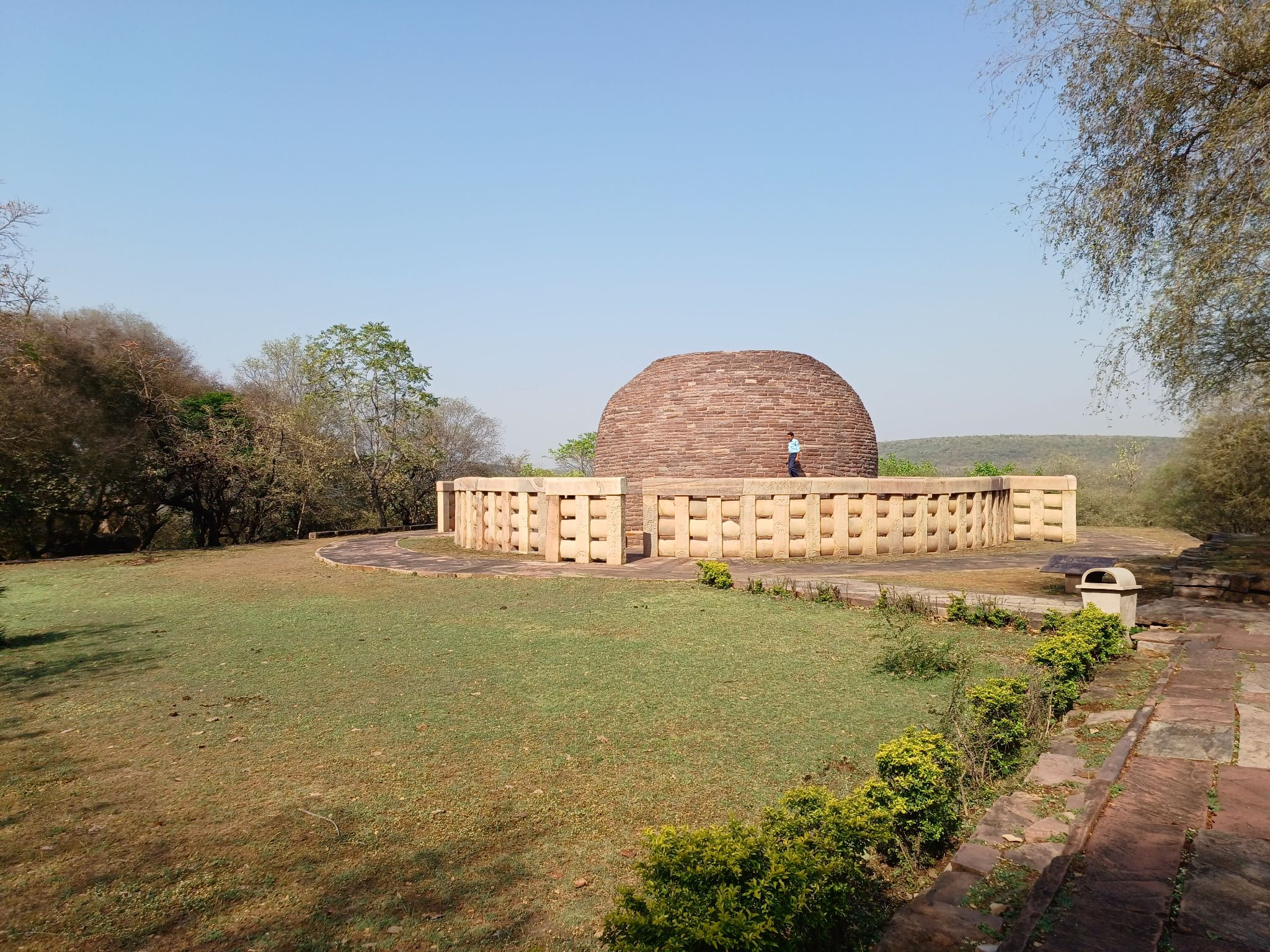
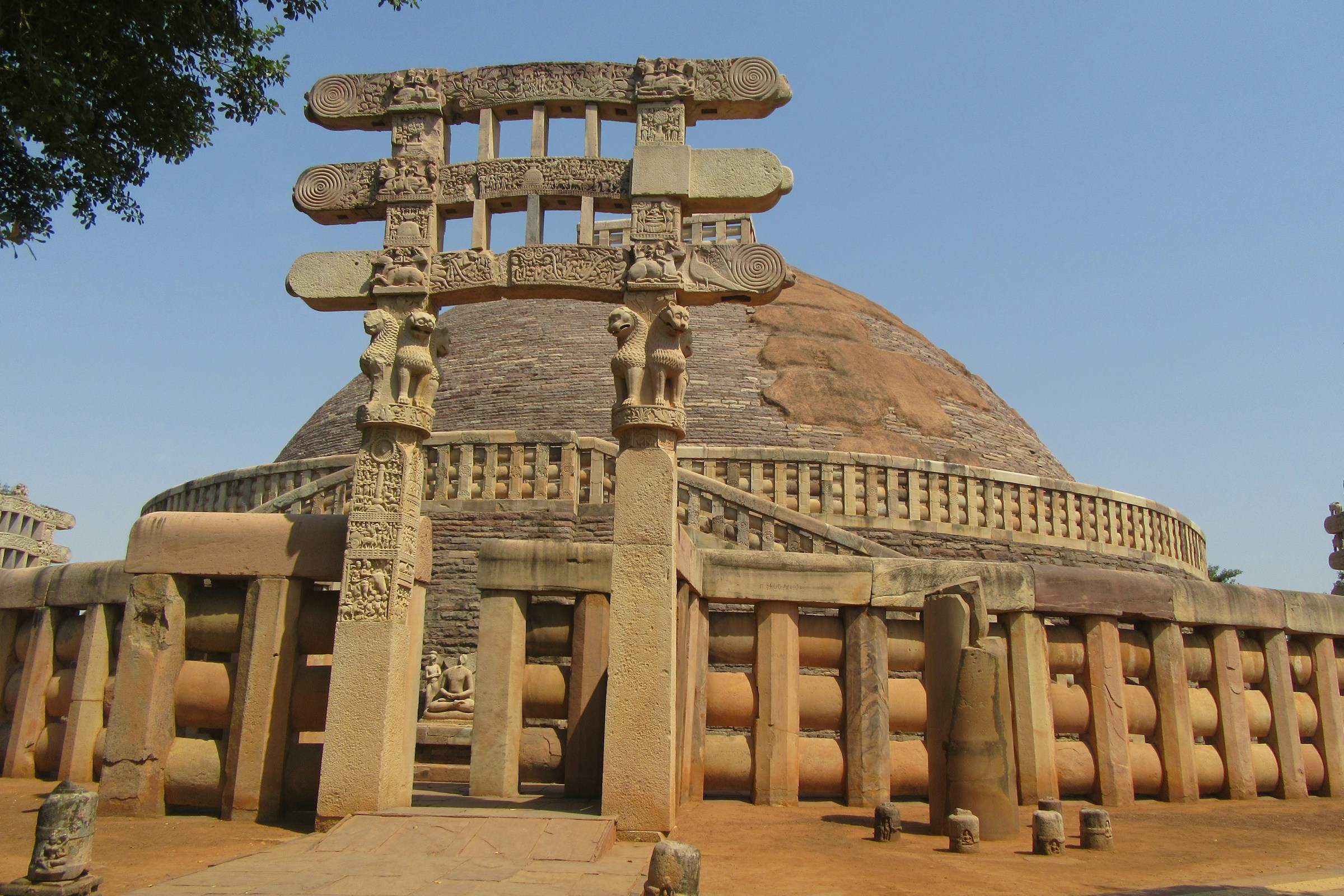
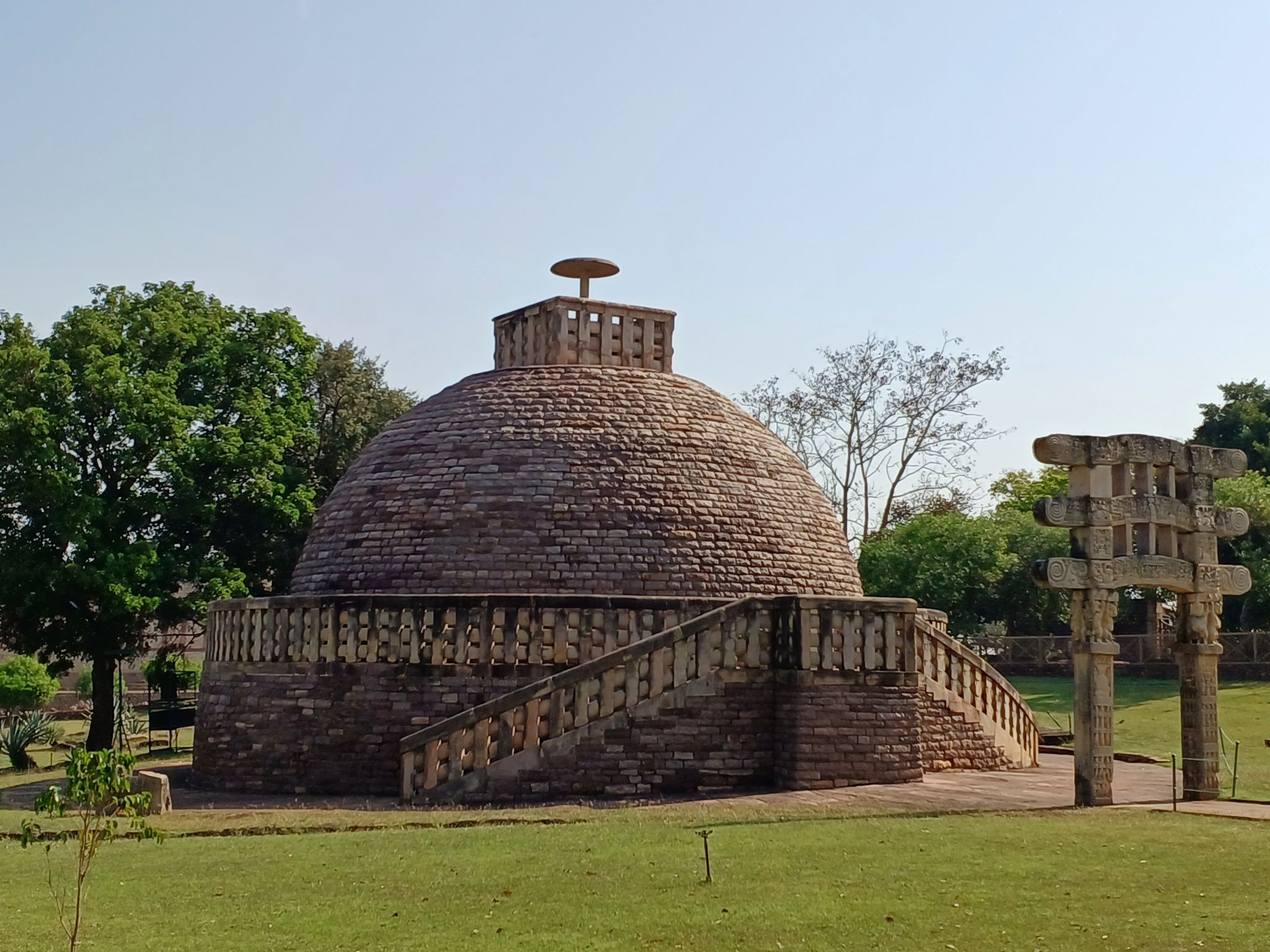
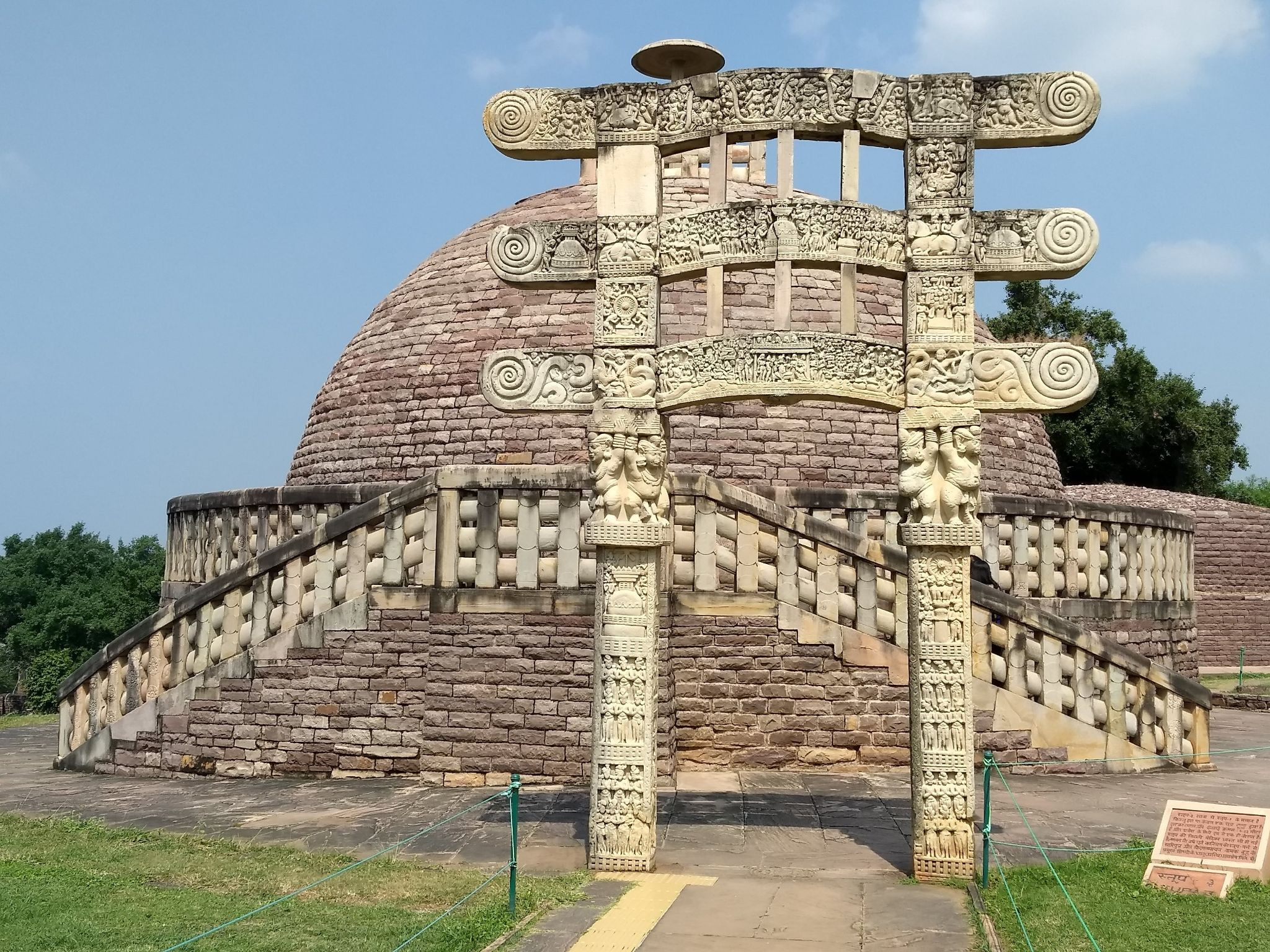
Located within the Sanchi complex, the Great Stupa is the most famous monument in the area. Commissioned by Emperor Ashoka in the 3rd century BCE, it is renowned for its beautifully carved toranas (gateways), intricate sculptures, and immense historical significance. It is also a UNESCO World Heritage Site and a must-visit attraction.
2. Sanchi Archaeological Museum
Just a short walk from the main monument complex, the Sanchi Archaeological Museum houses a rich collection of sculptures, inscriptions, relics, and architectural fragments discovered at Sanchi. The original Lion Capital from the Ashoka Pillar is one of the museum’s most prized exhibits.
3. Temple 17
One of the earliest surviving free-standing temples in India, Temple 17 dates back to the Gupta period. Its simple yet elegant architecture makes it an important landmark for understanding the evolution of Indian temple design.
4. Temple 45
This later-period Buddhist temple stands near the main stupa complex and reflects architectural developments from the 8th and 9th centuries. Its remains offer valuable insights into the continued importance of Sanchi as a religious center.
5. Monastery Complexes of Sanchi
Scattered across the hill are several ancient monasteries where Buddhist monks once lived and studied. These structures provide a fascinating glimpse into monastic life during ancient times.
6. Udayagiri Caves
Located approximately 13 kilometers from Sanchi, the Udayagiri Caves are famous for their Gupta-era rock-cut sculptures. The magnificent Varaha carving of Lord Vishnu is considered one of the finest examples of ancient Indian art.
7. Vidisha
About 10 kilometers from Sanchi, Vidisha is an ancient town with a history stretching back over two millennia. Once an important trade and cultural center, it offers several historical sites and archaeological remains worth exploring.
8. Heliodorus Pillar
Situated near Vidisha, this ancient stone pillar was erected by Heliodorus, a Greek ambassador to the court of King Bhagabhadra. Dating to the 2nd century BCE, it is one of the earliest known monuments associated with the worship of Lord Vishnu.
9. Andher Stupas
Located around 9 kilometers from Sanchi, the Andher Stupas form an important Buddhist archaeological site. These lesser-known stupas offer a peaceful atmosphere and valuable insight into the spread of Buddhism in central India.
10. Satdhara Stupas
Approximately 11 kilometers from Sanchi, Satdhara features a group of ancient Buddhist stupas situated on a hill. The site is known for its relics and panoramic views of the surrounding countryside.
Map
FAQs
1. Who built the Ashoka Pillar at Sanchi?
It was built by Emperor Ashoka in the 3rd century BCE.
2. What is special about the pillar?
It is known for its polished sandstone structure and the iconic lion capital, which inspired India’s national emblem.
3. Where is the lion capital now?
The original lion capital is preserved in the Sanchi Archaeological Museum.
4. What material is the pillar made of?
It is made from sandstone sourced from Chunar.
5. Is the entire pillar still standing?
No, only the shaft remains at the site; the capital has been moved to the museum.
6. How much time is needed to visit?
Around 1–2 hours is enough to explore the pillar along with the Sanchi complex.