Image Source: Tâm Bình An
Overview
As the Buddhist community around Sanchi Stupa grew, nearby regions also began evolving into important centres of worship. These settlements were closely connected to Sanchi in both spirit and culture, yet they developed their own monasteries and stupas over time. Within a 20 km radius, several such clusters emerged—like Bhojpur Stupas and Andher Stupas to the southeast, Sonari Stupas to the southwest, and Satdhara Stupas to the west. A bit farther south, about 100 km away, lies Saru Maru, another site tied to early Buddhist history.
Historical Significance
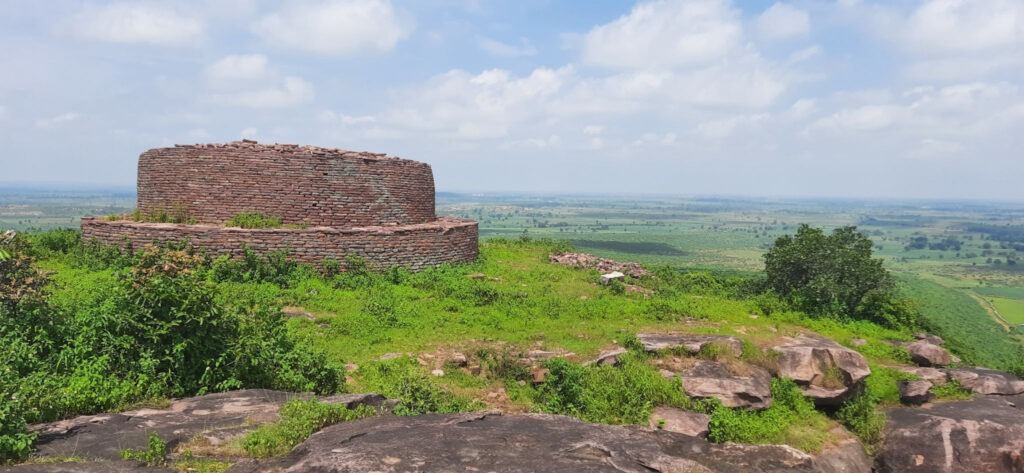
Among these sites, Satdhara stands out for its scale and importance. Spread across 28 acres on the banks of the Halali River, it houses eight stupas, making it one of the larger Buddhist complexes in the region. The main stupa is nearly as large as the Great Stupa at Sanchi and is believed to have been built during the reign of Emperor Ashoka, reflecting the architectural and spiritual influence of that era.
Architecture and Excavations
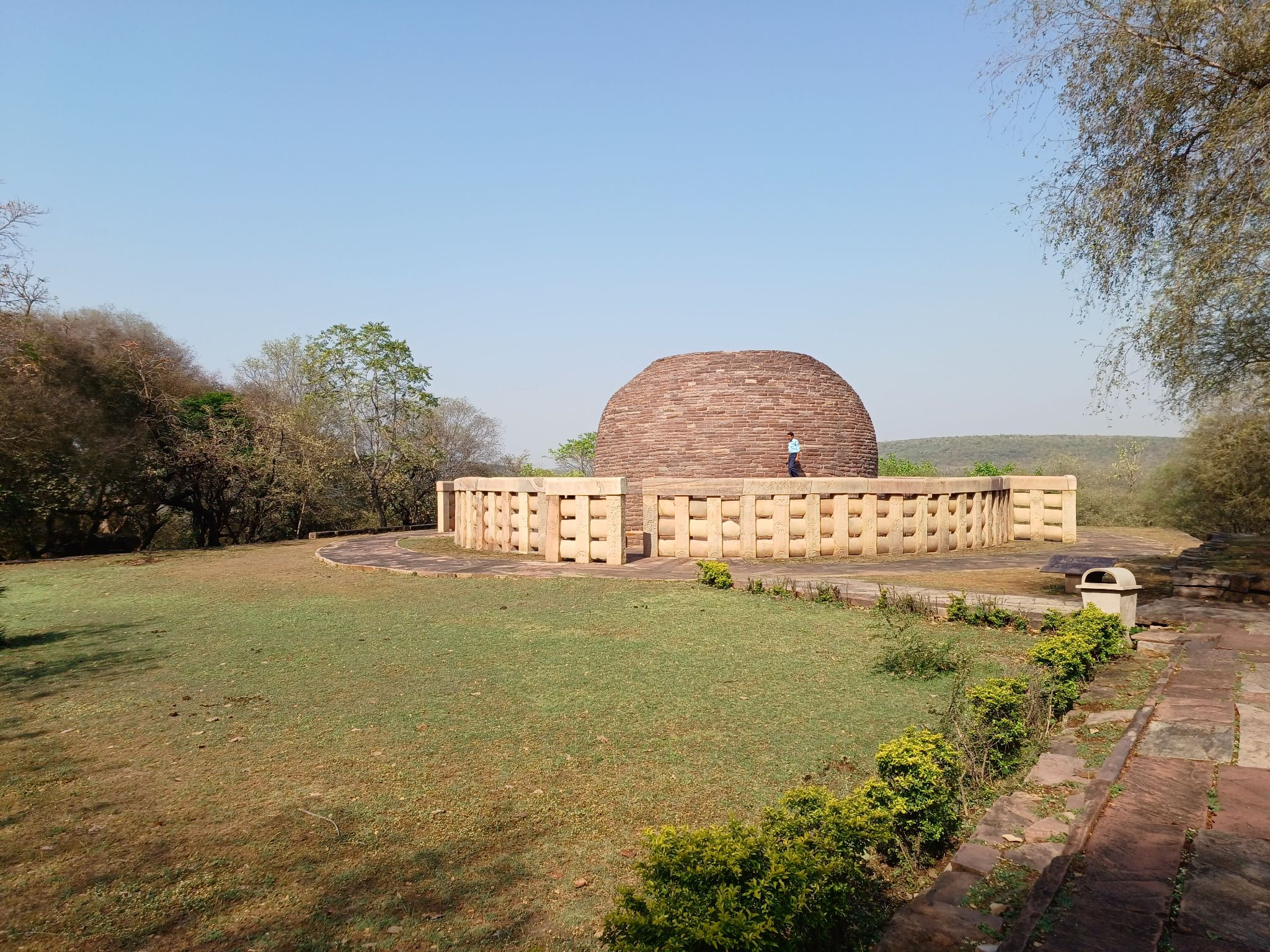
The main stupa at Satdhara rises to about 13.65 meters in height (excluding its platform) and spans roughly 32.80 meters in diameter. Its design closely resembles that of Sanchi, including the remains of stone railings that once encircled it. Recent excavations have revealed more details about its structure, including a brick pradakshinapatha (circumambulatory path) and a staircase, offering a glimpse into how devotees once moved around the stupa during rituals.
Monastic Life
Near the main stupa are the remains of a monastery and temple complex, locally known as Siddhi ka Makaan. These ruins suggest that the site was once home to highly learned and spiritually advanced monks. It adds another layer of meaning to Satdhara—not just as an architectural marvel, but as a place where Buddhist teachings were lived and practiced.
How to Reach Satdhara Buddhist Stupas
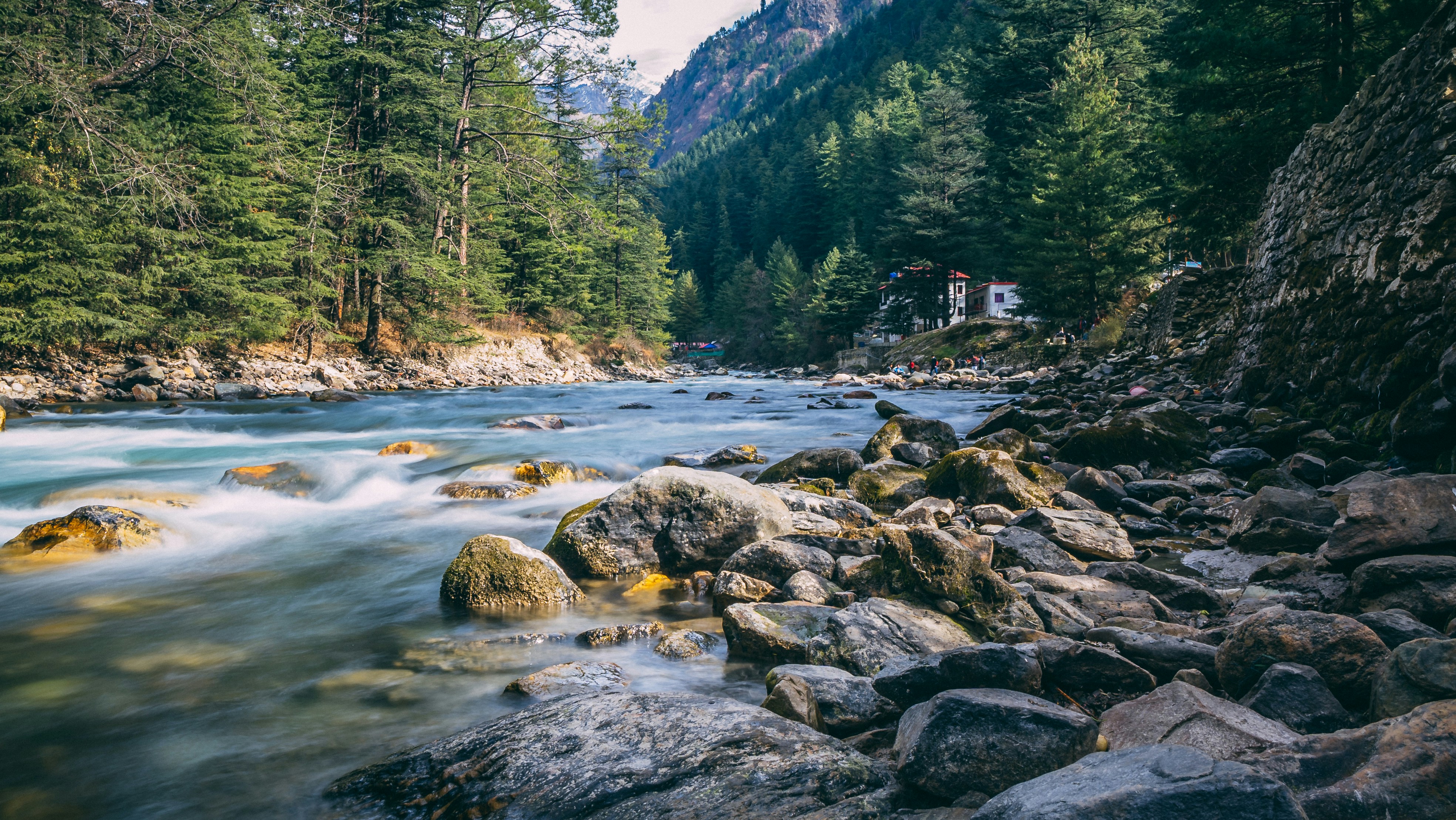
Satdhara Buddhist Stupas are located near Murli Khedi village in the Raisen district of Madhya Pradesh, about 14 km from Sanchi and roughly 50 km from Bhopal. The site sits on a hill overlooking the scenic Halali River and is one of the lesser-known Buddhist heritage destinations in Central India. The easiest way to reach Satdhara is by road from Sanchi or Bhopal. Private taxis and local vehicles are available from Sanchi, while Bhopal serves as the nearest major transport hub. The nearest railway station is at Sanchi, and the closest airport is Raja Bhoj Airport in Bhopal. From the main road, visitors may need to walk a short distance to explore the stupa complex. The peaceful surroundings and relatively low tourist footfall make it an ideal destination for history enthusiasts and spiritual travelers.
Nearby Attractions
1. Sanchi Stupa
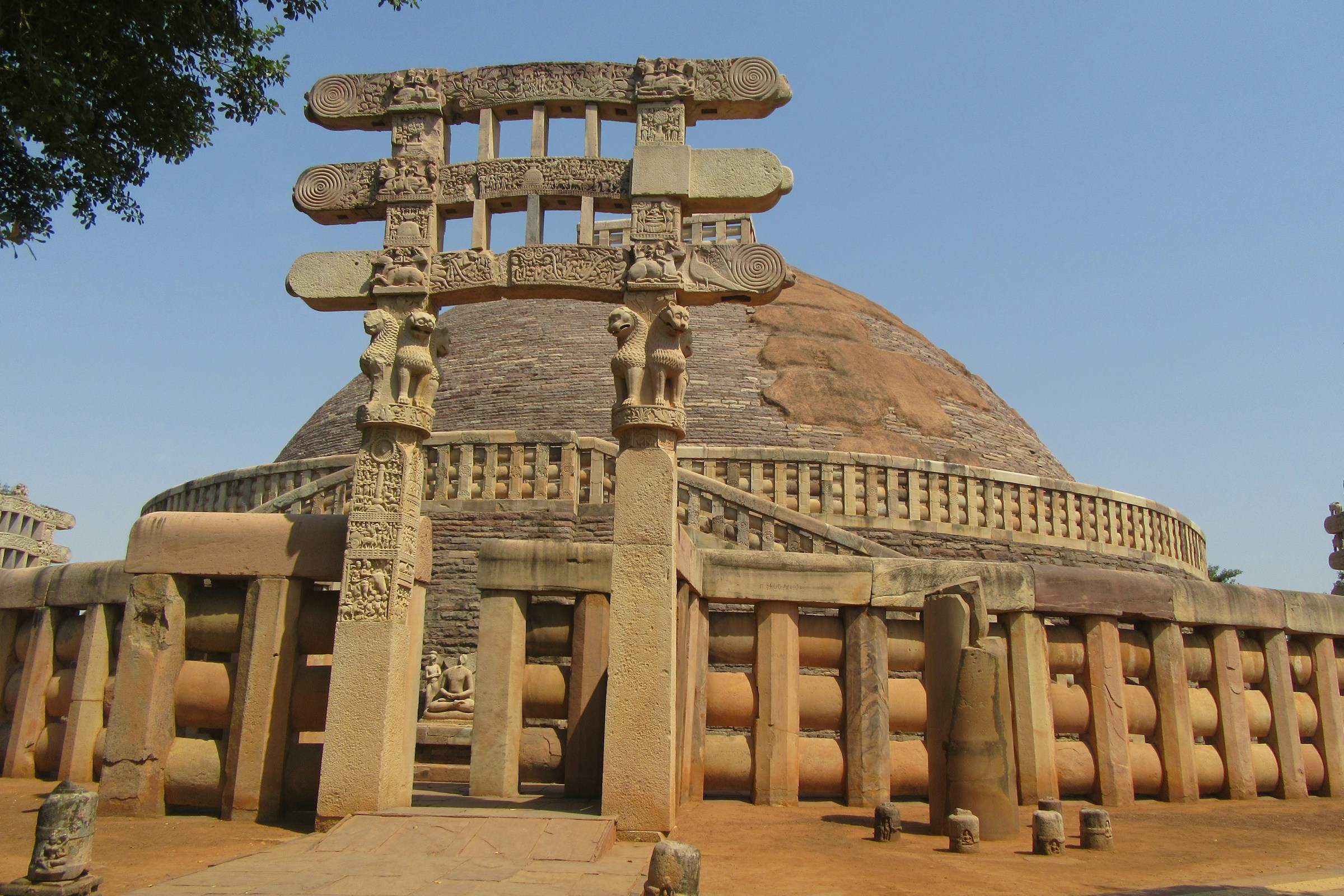
A UNESCO World Heritage Site and one of India’s most important Buddhist monuments, famous for its Great Stupa, intricately carved gateways, and ancient monasteries.
2. Ashoka Pillar
An iconic pillar erected by Emperor Ashoka that symbolizes the spread of Buddhism across India.
3. Sanchi Archaeological Museum
A fascinating museum displaying sculptures, relics, inscriptions, and artifacts excavated from the Sanchi region.
4. Udayagiri Caves
Ancient rock-cut caves renowned for their Gupta-era sculptures and inscriptions.
5. Sonari Stupas
Another important Buddhist stupa complex associated with the Buddhist settlements around Sanchi.
6. Andher Stupas
A lesser-known archaeological site featuring ancient stupas and monastic remains connected to the Sanchi Buddhist network.
7. Raisen Fort
A historic hilltop fort known for its massive sandstone walls, temples, and panoramic views.
8. Vidisha
An ancient town rich in historical monuments, temples, and archaeological remains.
Maps
FAQs
1. Where is Satdhara located?
Satdhara is located in Madhya Pradesh, about 20 km from Sanchi, near the Halali River.
2. How many stupas are there in Satdhara?
There are eight stupas spread across the site.
3. Who built the main stupa at Satdhara?
The main stupa is believed to have been built during the reign of Emperor Ashoka.
4. What is the size of the main stupa?
It stands around 13.65 meters high (excluding the platform) and has a diameter of 32.80 meters.
5. What is Siddhi ka Makaan?
It refers to the ruins of a monastery and temple complex near the stupas, believed to have been home to enlightened monks.
6. How is Satdhara connected to Sanchi?
Satdhara was part of a network of Buddhist settlements that developed around Sanchi, sharing cultural and spiritual ties.
7. What can visitors see at the site today?
Visitors can explore the stupas, remnants of railings, monastery ruins, and newly excavated features like the pradakshinapatha and staircase.