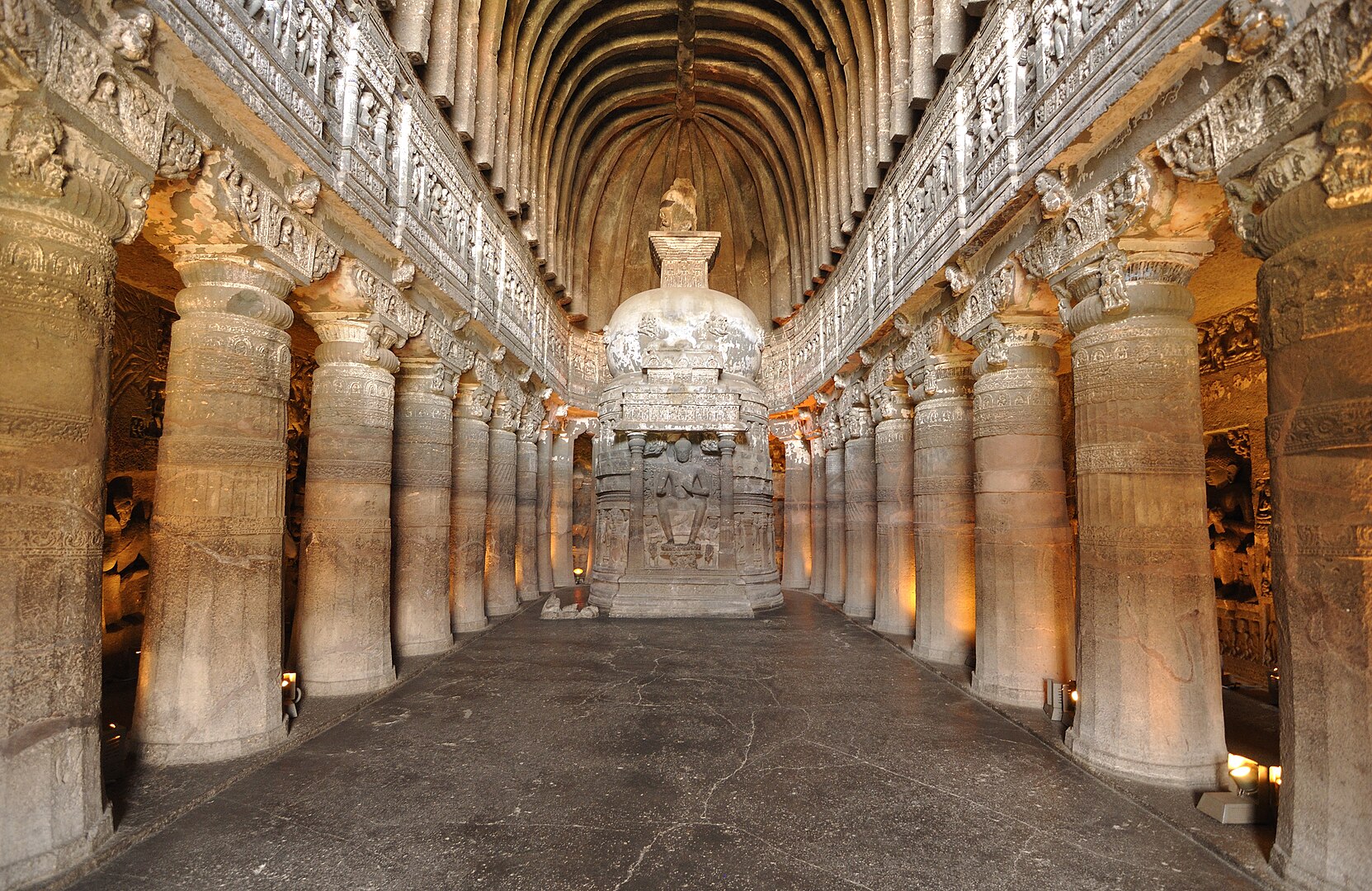
Image Source: Aanup Bhansali
About Sri Vaijnath Temple
Nestled in the town of Parli Vaijnath in Maharashtra’s Beed district, Sri Vaijnath Temple is one of the most sacred Hindu pilgrimage sites dedicated to Lord Shiva. Revered as one of the twelve Jyotirlingas of India, the temple holds immense spiritual importance and attracts thousands of devotees every year. The peaceful atmosphere, ancient legends, and remarkable stone architecture make it not only a place of worship but also a destination rich in history and culture.
Surrounded by the natural beauty of Maharashtra’s landscape, the temple carries a timeless charm that draws pilgrims, spiritual seekers, and travelers from across the country. Devotees believe that visiting this holy shrine and offering prayers to Lord Shiva brings peace, healing, and spiritual liberation.
Spiritual Significance of the Temple
Sri Vaijnath Temple is considered one of the twelve sacred Jyotirlingas, which are believed to be self-manifested forms of Lord Shiva. In Hindu tradition, Jyotirlingas symbolize Shiva’s infinite divine energy and are among the holiest shrines dedicated to him.
The temple is deeply connected with ancient Hindu epics like the Mahabharata and Ramayana, adding to its religious importance. Many devotees visit the temple seeking blessings for good health, prosperity, and protection from negative energies. The spiritual aura of the temple becomes especially powerful during major Hindu festivals when chants, prayers, and rituals fill the air with devotion.
History of Sri Vaijnath Temple
The exact origin of the temple remains uncertain, but historians believe it dates back to the 12th or 13th century during the rule of the Yadava dynasty. The temple reflects the architectural brilliance and craftsmanship of medieval India.
Over the centuries, the temple underwent several restorations to preserve its grandeur. One of the most significant renovations took place in 1706 under the patronage of the legendary queen Ahilyadevi Holkar, who was known for restoring many important Hindu temples across India.
The temple has survived the test of time and continues to stand as a symbol of faith, resilience, and devotion.
Legends and Mythological Stories
Like many ancient Shiva temples, Sri Vaijnath Temple is surrounded by fascinating legends and myths.
One popular story connects the temple to the legendary couple Satyavan and Savitri, symbols of love and devotion in Hindu mythology.
Another famous legend is linked to the demon king Ravana. According to folklore, Ravana was carrying a sacred Shivling to Lanka after intense penance to please Lord Shiva. During his journey, he stopped at Parli and requested a local herdsman to hold the Shivling temporarily. However, the Shivling became too heavy, and the herdsman placed it on the ground. Since the Shivling could not be lifted again, it remained at that very spot, where the temple was eventually established.
These stories continue to inspire devotion among pilgrims and form an important part of the temple’s spiritual identity.
Architecture of Sri Vaijnath Temple
Perched on a small hill, the temple showcases impressive stone architecture and ancient craftsmanship. It is constructed using Shaligram stone, a sacred material often associated with Lord Vishnu and considered highly auspicious in Hindu traditions.
The temple faces east, symbolizing harmony with the rising sun and cosmic energies. Its entrances in the north and south directions represent openness and the welcoming of devotees from all directions.
Inside the temple complex, visitors can admire beautifully carved pillars, traditional sculptures, and a peaceful sanctum where the sacred Jyotirlinga is enshrined. The simplicity and spiritual ambiance of the temple create a deeply calming experience for devotees.
Festivals and Celebrations
Sri Vaijnath Temple becomes especially vibrant during major Hindu festivals. Thousands of devotees gather here to participate in prayers, rituals, and special ceremonies.
Some of the most important festivals celebrated at the temple include:
- Maha Shivaratri.
- Vijayadashami.
- Ekadashi.
- Shravan Month Celebrations.
During Maha Shivaratri, the temple witnesses massive crowds, devotional singing, night-long prayers, and elaborate rituals dedicated to Lord Shiva. The festive atmosphere transforms the temple into a spiritually uplifting destination.
Temple Timings
The temple remains open daily for devotees and visitors.
Opening Hours:
- Morning: 5:00 AM to 3:30 PM.
- Evening: 6:00 PM to 9:00 PM.
Early morning is considered one of the best times to visit, as the atmosphere is peaceful and ideal for prayers and meditation.
Best Time to Visit
The ideal time to visit Sri Vaijnath Temple is between October and March when the weather remains pleasant and comfortable for sightseeing and temple visits. Devotees also prefer visiting during Maha Shivaratri and the holy month of Shravan for a more spiritually immersive experience.
How to Reach Sri Vaijnath Temple
The temple is well-connected by road and rail.
- By Road: Regular buses and taxis are available from major cities in Maharashtra.
- By Rail: Parli Vaijnath Railway Station is the nearest railway station.
- By Air: The nearest airports are in Aurangabad and Nanded.
Visitors can easily combine their pilgrimage with other spiritual and historical destinations in Maharashtra.
Nearby Attractions from Sri Vaijnath Temple
Yogeshwari Temple, Ambajogai
Located about 25 km from Parli Vaijnath, the ancient Yogeshwari Temple is one of Maharashtra’s most revered Shakti shrines. Dedicated to Goddess Yogeshwari, the temple attracts thousands of devotees and is known for its spiritual significance and historic architecture.
Ambajogai Heritage Town
Ambajogai is famous for its medieval temples, ancient caves, and cultural heritage. Visitors can explore centuries-old monuments and experience the town’s rich religious traditions.
Narayan Gad
A historic hill fort near Beed, Narayan Gad offers scenic views of the surrounding countryside and is a popular destination for history enthusiasts and trekkers.
Kankaleshwar Temple
Situated in Beed city, this ancient temple dedicated to Lord Shiva is built in the Hemadpanti style of architecture. The temple stands in the middle of a large water tank and is known for its unique design.
Hazur Sahib Nanded
Located around 120 km from Parli, Hazur Sahib is one of the five most sacred Sikh Takhts. The magnificent gurdwara attracts pilgrims from across India and abroad.
Dnyaneshwar Udyan
A beautifully landscaped garden near Paithan, Dnyaneshwar Udyan is often compared to the Brindavan Gardens of Mysuru. It features musical fountains, lush greenery, and family-friendly recreational spaces.
Jayakwadi Dam
One of Maharashtra’s largest irrigation projects, Jayakwadi Dam offers picturesque views, birdwatching opportunities, and a peaceful environment for nature lovers.
Aundha Nagnath Temple
Located about 70 km away, Aundha Nagnath is another revered Jyotirlinga shrine dedicated to Lord Shiva. The temple is renowned for its spiritual importance and impressive medieval architecture.
Map
FAQs
1. Why is Sri Vaijnath Temple famous?
Sri Vaijnath Temple is famous for being one of the twelve sacred Jyotirlingas dedicated to Lord Shiva.
2. Where is Sri Vaijnath Temple located?
The temple is located in Parli Vaijnath town in the Beed district of Maharashtra, India.
3. Who built Sri Vaijnath Temple?
The temple is believed to have been built during the Yadava period and was later renovated by Ahilyadevi Holkar in 1706.
4. What is the significance of a Jyotirlinga?
A Jyotirlinga represents the infinite and divine form of Lord Shiva and is considered one of the holiest forms of worship in Hinduism.
5. What are the temple timings?
The temple is open from 5:00 AM to 3:30 PM and again from 6:00 PM to 9:00 PM.
6. Which festival is celebrated grandly at the temple?
Maha Shivaratri is celebrated with great devotion and attracts thousands of pilgrims.
7. What is the best time to visit the temple?
The winter season from October to March is considered the best time to visit due to pleasant weather.
8. Is photography allowed inside the temple?
Photography rules may vary inside the sanctum area, so visitors should follow temple guidelines and local instructions.