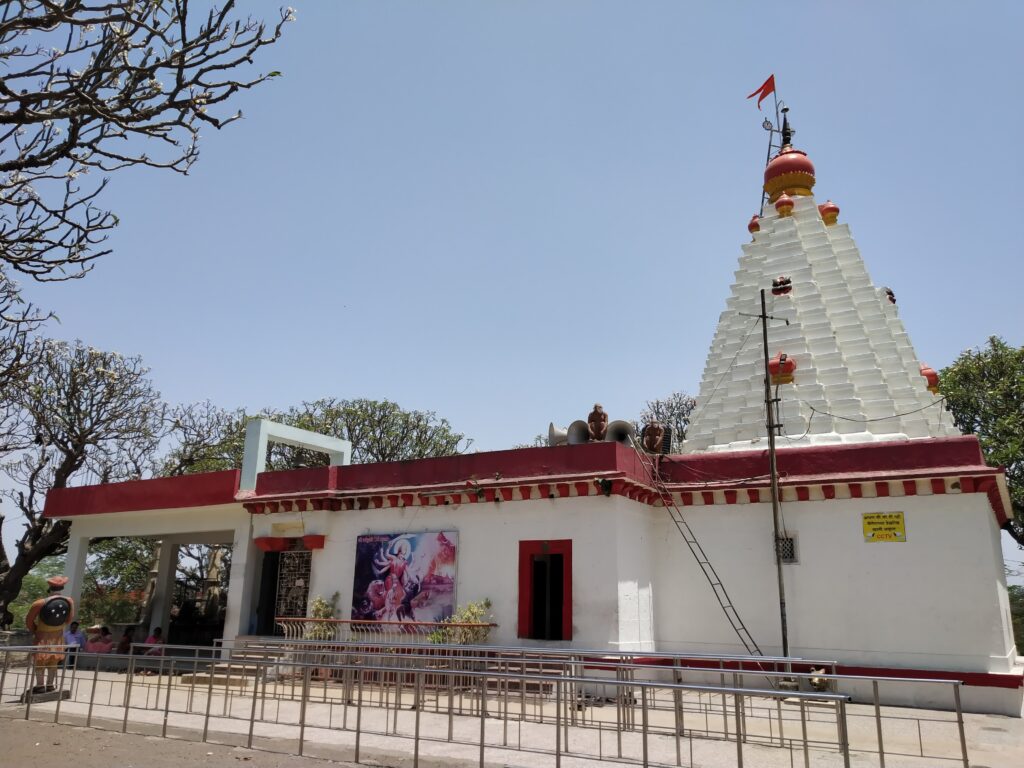
Image Source: Aditee
About Temblai Temple
The Temblai Devi Temple in Kolhapur, Maharashtra, occupies a distinctive place in the city’s spiritual geography. Unlike grand royal shrines, Temblai Devi is worshipped as a kshetrapalika—a protective boundary goddess who guards Kolhapur from unseen forces. Rooted deeply in local folk Shakti traditions, the temple reflects an older layer of belief that predates formal Agamic worship, where goddesses were venerated as guardians of land, settlements, and community well-being.
Location and Sacred Geography of Kolhapur
The temple is situated on the northern periphery of Kolhapur city, near the foothills that gradually rise toward Jyotiba Dongar. In traditional belief, Kolhapur is protected by a ring of guardian deities, with Temblai Devi marking one of the crucial spiritual boundaries. This positioning is not accidental—folk religion in the Deccan places immense importance on directional protection, especially for cities exposed to floods, epidemics, and invasions in the past.
Temblai Devi as a Folk Shakti Deity
Temblai Devi is revered as a grama-devata and raksha-devata, embodying fierce maternal energy rather than royal grandeur. She is believed to control diseases, calamities, and negative forces entering the city. In Kolhapuri oral tradition, Temblai Devi is often invoked alongside other protective deities rather than independently, reinforcing her role as a guardian rather than a presiding goddess.
Connection with Mahalaxmi (Ambabai) of Kolhapur
Local belief strongly associates Temblai Devi with Mahalaxmi (Ambabai), the principal deity of Kolhapur. While Mahalaxmi rules the spiritual heart of the city, Temblai Devi stands watch at its edges. Devotees often say, “Ambabai raj kartat, Temblai rakshan kartat”—Mahalaxmi reigns, Temblai protects. This complementary relationship forms the backbone of Kolhapur’s Shakti-based sacred hierarchy.
Temple Structure and Local Architectural Character
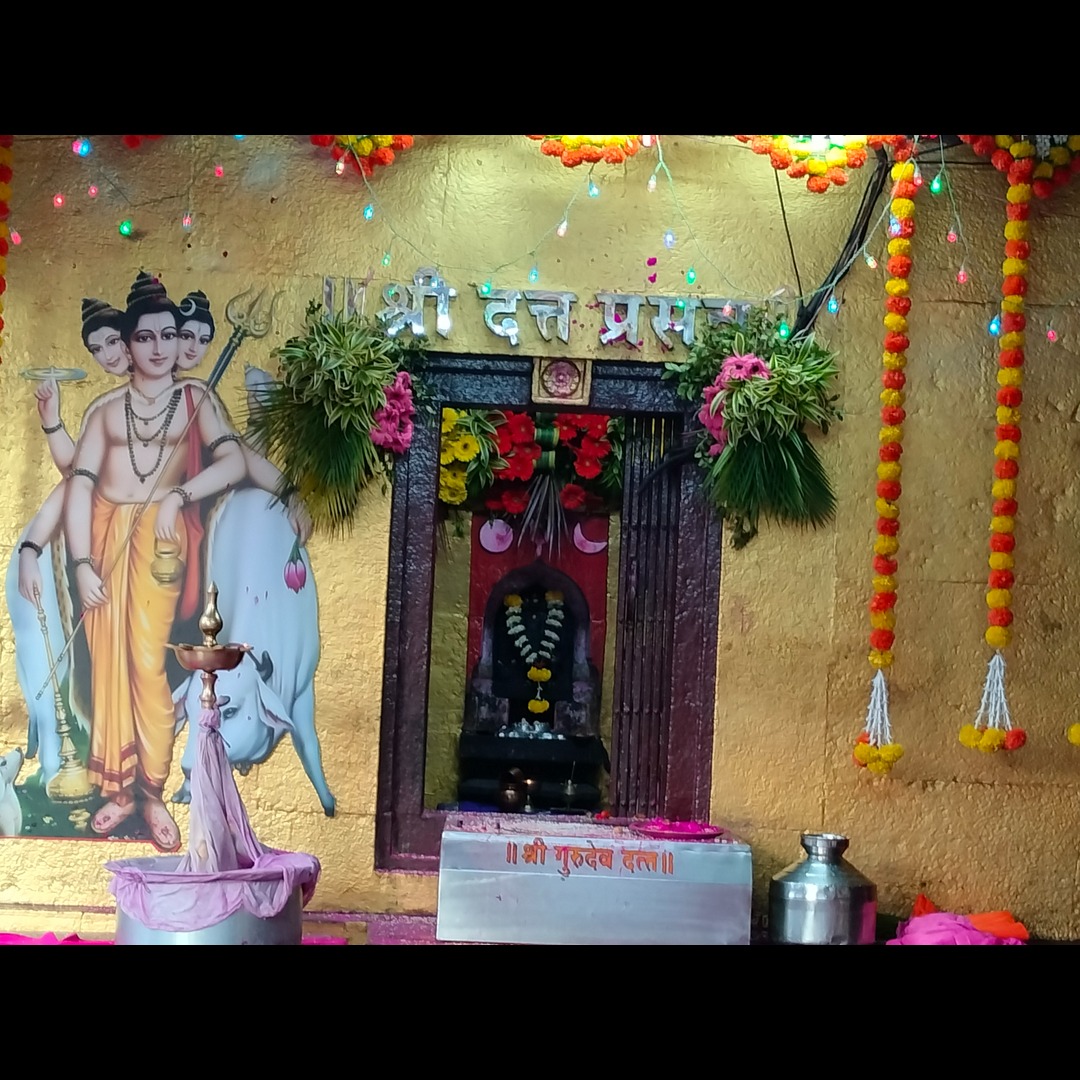
The temple architecture is modest and functional, consistent with folk Shakti shrines of western Maharashtra. The sanctum is simple, with minimal ornamentation, emphasizing ritual power over aesthetic display. The deity is worshipped primarily through vermilion (kumkum), oil lamps, coconuts, and animal symbolism rather than elaborate idols, reflecting pre-classical worship practices.
Ritual Practices and Offerings
Worship at Temblai Devi Temple follows local customs rather than formal Sanskritic rituals. Offerings typically include coconuts, turmeric, lemons, and oil lamps. During specific occasions, devotees seek the goddess’s protection before major life events, travel, or business ventures. The temple becomes especially active during Navratri, Amavasya, and local village festivals.
Role in Kolhapur’s Folk Belief System
Temblai Devi holds special importance among working-class communities, farmers, and traditional households, who see her as approachable and responsive. In times of illness or misfortune, families often vow offerings to Temblai Devi before approaching larger temples, underscoring her role as a first line of spiritual defense.
Relationship with Jyotiba and Regional Deities
The temple’s proximity to Jyotiba Dongar places it within a larger Shakti–Shaiva–folk continuum unique to Kolhapur. Jyotiba, Temblai Devi, and Mahalaxmi together form a triadic spiritual network that integrates folk belief with classical Hindu worship, a hallmark of Kolhapuri religious culture.
Visitor Experience and Cultural Sensitivity
Visitors will find a space of raw devotion rather than ceremonial spectacle. Photography may be discouraged during rituals, and footwear etiquette is strictly observed. Understanding the temple’s protective role enhances appreciation beyond surface-level sightseeing.
How to Reach Temblai Temple
Temblai Temple is situated atop Temblai Hill in the Vikramnagar area of Kolhapur, around 3 km from the city center and Kolhapur Railway Station. The temple is dedicated to Goddess Temblai (Tryamboli), a revered form of Goddess Renuka and Durga, and is known for its hilltop setting that offers panoramic views of Kolhapur city.
By Air: The nearest airport is Kolhapur Airport, located approximately 10 km from the temple. Taxis and app-based cabs are readily available from the airport.
By Train: Kolhapur Railway Station (Chhatrapati Shahu Maharaj Terminus) is about 3 km away. Auto-rickshaws and local taxis can reach the temple in 10–15 minutes.
By Road: Temblai Temple is well connected by city roads and can be easily accessed by private vehicles, taxis, and auto-rickshaws. Visitors can drive directly to the hilltop temple premises, where parking facilities are available.
Local Transport: Kolhapur city buses operate near the Laxshtirth Road and Vikramnagar areas. From nearby bus stops, visitors can take an auto-rickshaw or enjoy a short walk to the temple.
Nearby Attractions
Shree Ambabai Temple, Kolhapur
One of Maharashtra’s most revered temples, dedicated to Goddess Mahalakshmi. It is a major pilgrimage center and an essential stop for visitors exploring Kolhapur’s spiritual heritage.
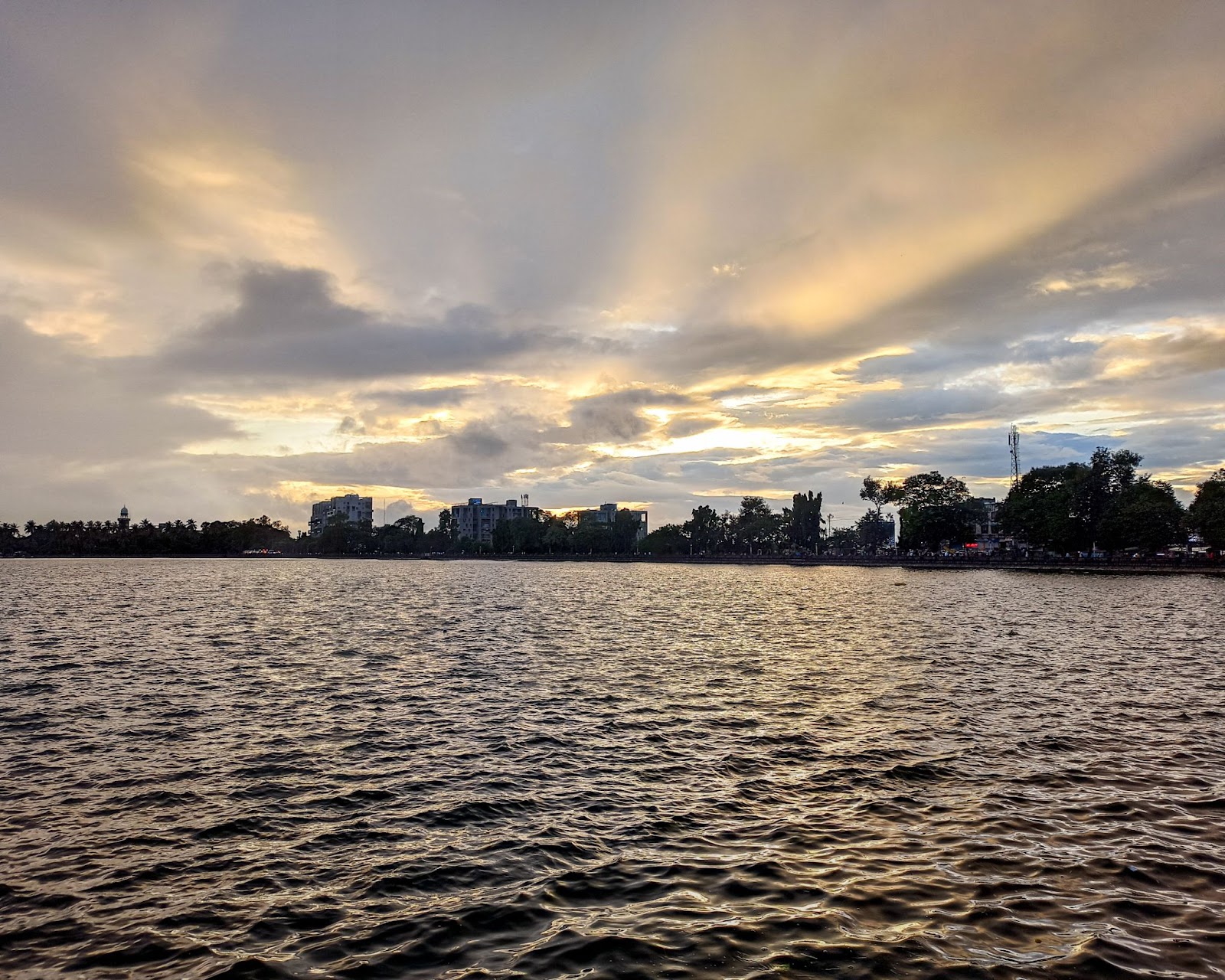
Rankala Lake
A picturesque lake known for its scenic promenade, boating opportunities, local food stalls, and beautiful sunset views. It is among the most popular leisure spots in Kolhapur.
Panhala Fort
Located about 20 km from Kolhapur, this historic Maratha fort is associated with Chhatrapati Shivaji Maharaj and offers impressive architecture, viewpoints, and historical landmarks.
New Palace Museum
A magnificent royal palace showcasing artifacts, hunting trophies, weapons, and exhibits related to the Kolhapur royal family and Maratha history.
Jyotiba Temple
Situated on a hill north of Kolhapur, this famous temple attracts thousands of devotees and offers sweeping views of the surrounding countryside.
Shri Temblai Mandir
The main hilltop shrine itself is a notable attraction, featuring temples dedicated to Temblai Devi and Yamai Devi, a large Ganpati idol, and excellent viewpoints overlooking the city.
Kaneri Math (Siddhagiri Gramjivan Museum)
A unique cultural and spiritual complex that recreates traditional village life through life-sized sculptures and exhibits, making it a popular family attraction near Kolhapur.
Google Maps of Temblai Temple
FAQS
- Q: Where is Temblai Devi Temple located?
On the northern outskirts of Kolhapur city, near the Jyotiba hill region.
- Q: Who is Temblai Devi?
She is a folk Shakti deity worshipped as the guardian goddess of Kolhapur.
- Q: How is she related to Mahalaxmi?
Temblai Devi protects the city, while Mahalaxmi is the presiding deity.
- Q: Is the temple ancient?
Yes, its worship tradition predates formal temple architecture.
- Q: When is the best time to visit?
Navratri and local festival days hold special significance.