Image Source: Nvvchar
About Phumdi Islands
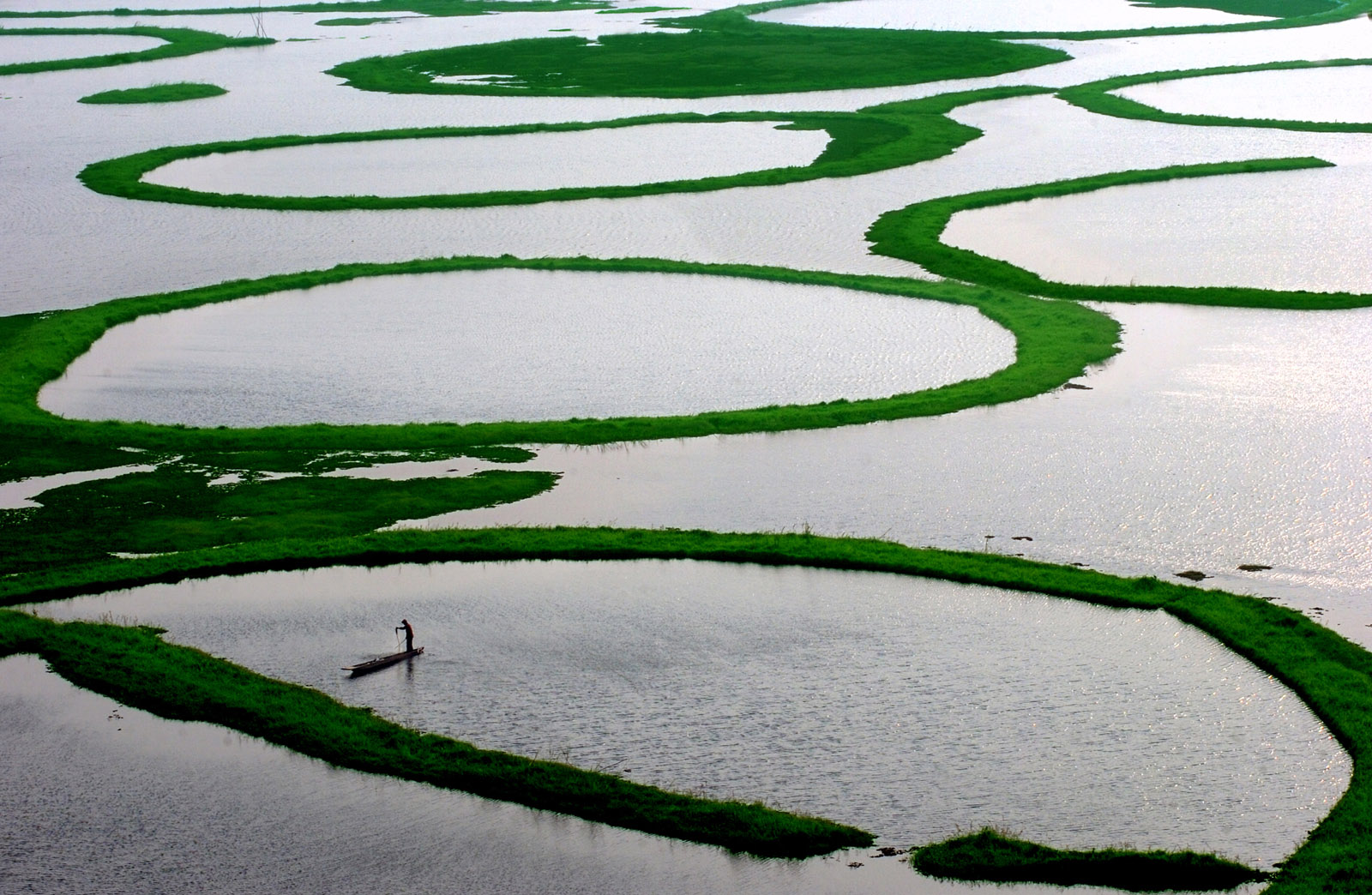
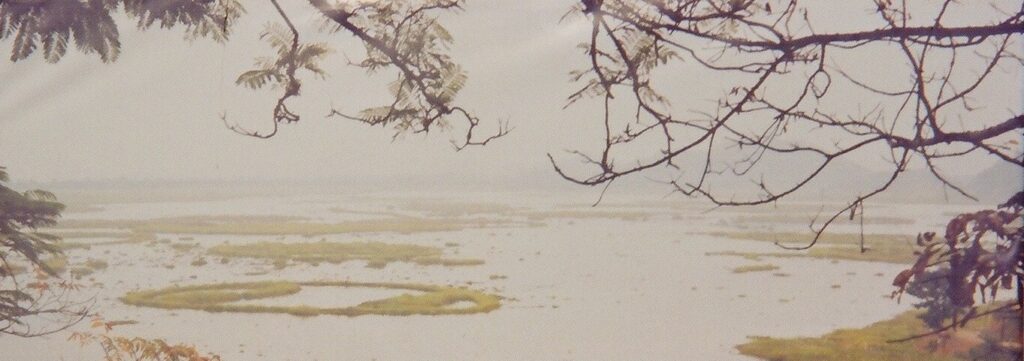
Floating gently across the vast waters of Loktak Lake, the Phumdi Islands are one of the most fascinating natural attractions in Northeast India. Located in the Bishnupur district of Manipur, these floating masses of vegetation and soil create a landscape that almost feels unreal. Unlike ordinary islands, Phumdis are naturally formed floating patches made from layers of decomposed plants, roots, organic matter, and earth that drift slowly across the lake depending on water levels and seasonal changes.
The word “Phumdi” comes from the Meitei language and refers to this unique floating biomass. Some Phumdis are large enough to support huts, vegetation, and even wildlife, while smaller ones move quietly with the wind and currents. Seen from above, they form beautiful green circular patterns scattered across the shimmering blue waters of the lake.
For visitors, the sight of these floating islands is unforgettable, especially during sunrise and sunset when the lake glows under soft golden light.
A Rare Ecological Wonder
The Phumdi Islands are not only visually stunning but also ecologically important. They form the backbone of the fragile ecosystem of Loktak Lake and support countless species of plants, birds, fish, and animals.
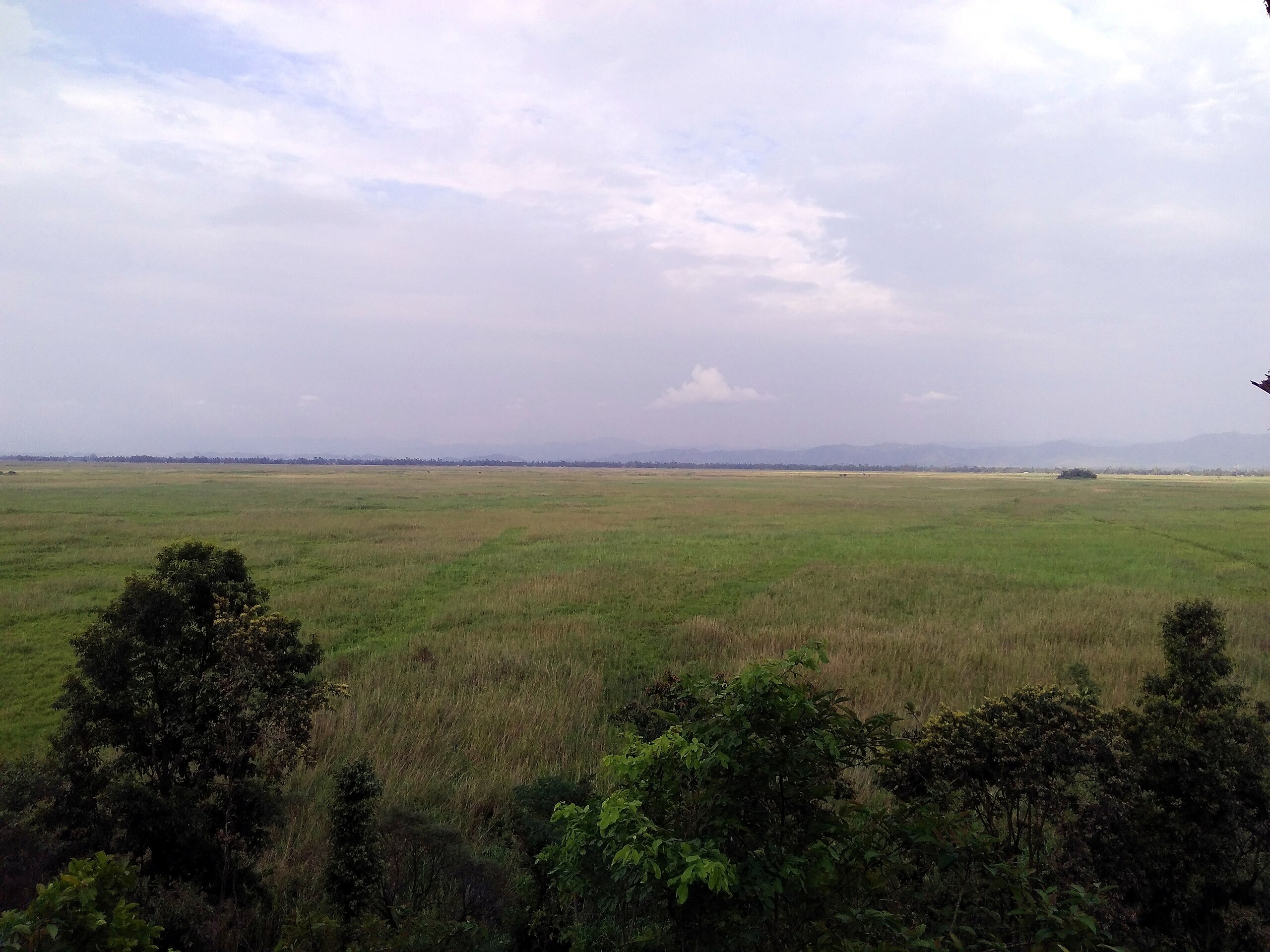
One of the most remarkable features connected to the Phumdis is Keibul Lamjao National Park, famously known as the world’s only floating national park. This extraordinary park rests on thick Phumdis and serves as the last natural habitat of the endangered Sangai deer, also called the “dancing deer” of Manipur. The deer move gracefully across the floating vegetation, creating a sight that has become symbolic of the state’s natural heritage.
Apart from wildlife, the floating islands also act as breeding grounds for fish and help maintain the ecological balance of the lake. During winter, migratory birds from different parts of Asia visit the lake, making the region especially attractive for birdwatchers and nature photographers.
Life Around the Floating Islands
For the local communities living around the lake, the Phumdis are deeply connected to everyday life. Many fishermen build small floating huts called Phumsangs on top of these biomass mats. These huts are used as temporary shelters during fishing activities and sometimes even as seasonal homes.
Fishing remains the primary livelihood for many families around Loktak Lake. Early in the morning, visitors can see fishermen rowing traditional wooden boats through narrow channels between the floating islands while casting handmade fishing nets. The calm atmosphere, combined with mist rising from the lake, creates an incredibly peaceful experience.
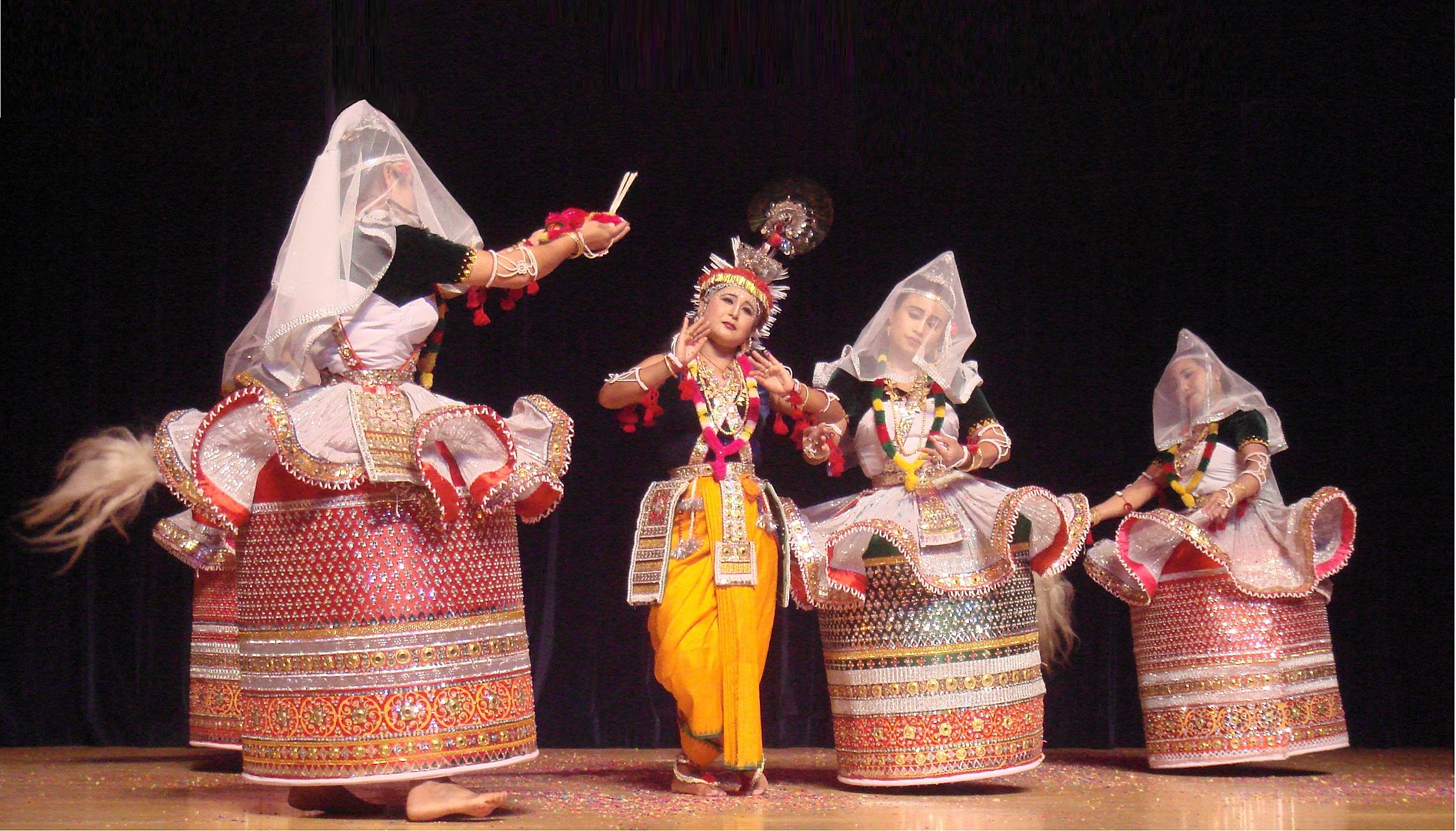
The Phumdis also hold cultural importance in Manipuri traditions and folklore. Locals often speak about the harmony between humans and nature that the lake represents, and many festivals and folk stories are inspired by the region’s relationship with water and wildlife.
Exploring the Phumdi Islands
A visit to the Phumdi Islands is less about sightseeing and more about experiencing the rhythm of lake life. One of the best places to enjoy panoramic views is the famous Sendra Island viewpoint, where travellers can see endless stretches of floating greenery spread across the lake.
Boat rides are the highlight of the experience. Small canoes and motorboats take visitors deep into the floating landscape, passing fishing villages, floating huts, and clusters of aquatic plants. Since the Phumdis shift naturally throughout the year, no two visits to Loktak Lake ever feel exactly the same.
During the monsoon season, the floating masses spread farther apart and cover larger portions of the lake, while in winter and dry months, they appear denser and more compact. This changing scenery gives the lake a constantly evolving character.
Travellers who stay overnight near the lake often describe the silence of the water, interrupted only by birds and rowing boats, as one of the most memorable parts of their trip to Manipur.
Local Food and Cultural Experiences
Exploring the Phumdi Islands also offers a chance to experience authentic Manipuri culture. Several villages around the lake provide homestay experiences where travellers can enjoy traditional hospitality and homemade local food.
Popular local dishes include smoked fish preparations, Eromba (a spicy mashed vegetable dish), black rice pudding known as Chak-Hao Kheer, and fresh lake fish cooked with aromatic herbs. Many homestays also arrange cultural performances featuring traditional Manipuri dance and music during festival seasons.
The nearby town of Moirang is another culturally significant place worth visiting. It played an important role during India’s freedom movement and is home to the historic INA Memorial Complex.
Best Time to Visit
The best time to visit the Phumdi Islands is from October to March. During these months, the weather remains cool and pleasant, making boat rides and sightseeing more comfortable. Winter is also the best season for birdwatching, as migratory birds arrive at the lake in large numbers.
Travellers visiting in November can also witness the vibrant Sangai Festival, which showcases the culture, dance, cuisine, crafts, and traditions of Manipur. The festival adds extra colour and excitement to the journey.
Monsoon visits offer lush scenery and dramatic lake views, though heavy rains can sometimes affect travel plans and boating activities.
How to Reach
The famous Phumdi Islands are located on the beautiful Loktak Lake, around 45–50 km south of Imphal. These unique floating islands, made of vegetation, soil, and organic matter, are found only in Loktak Lake and are considered one of Manipur’s most remarkable natural wonders. Some phumdis are large enough to support fishing huts and even the world-famous Keibul Lamjao National Park, the world’s only floating national park.
By Air
The nearest airport is Bir Tikendrajit International Airport in Imphal. From the airport, visitors can hire a taxi to Moirang or Sendra, the main access points to Loktak Lake. The journey takes approximately 1.5 to 2 hours.
By Rail
The nearest railway station is Jiribam Railway Station. Travelers can continue by road to Imphal and then proceed to Loktak Lake and the Phumdi Islands.
By Road
Loktak Lake is well connected by road from Imphal via NH-150 and other state highways. Regular buses, shared taxis, and private vehicles operate between Imphal and Moirang. From Moirang or Sendra, visitors can hire local boats to get a closer view of the floating islands and fishing settlements.
Nearby Attractions
A trip to the Phumdi Islands can easily be combined with several nearby attractions:
- Keibul Lamjao National Park – Famous for the endangered Sangai deer and floating grasslands.
- INA Memorial Complex – A historic site connected to Netaji Subhas Chandra Bose and the Indian National Army.
- Sendra Island – One of the best viewpoints overlooking Loktak Lake.
- Shree Govindajee Temple – An important Vaishnavite temple in Imphal.
- Imphal – The capital city known for its markets, museums, and rich cultural heritage.
Google Maps
FAQs
What are Phumdi Islands made of?
Phumdi Islands are made from a thick mixture of vegetation, roots, soil, and decomposed organic matter that naturally float on the surface of Loktak Lake.
Why are the Phumdi Islands famous?
They are famous for being a rare floating ecosystem and for supporting the world’s only floating national park, Keibul Lamjao National Park.
Can tourists stay on the floating islands?
While tourists usually stay in nearby lakeside homestays and resorts, some floating huts and eco-stays offer limited overnight experiences depending on the season.
What is the best way to explore the Phumdis?
The best way to explore them is by hiring a local canoe or motorboat from Loktak Lake. Boat rides allow visitors to experience the floating islands up close.
Is Loktak Lake suitable for birdwatching?
Yes, especially during winter when migratory birds arrive at the lake, making it a paradise for birdwatchers and photographers.
How far is Loktak Lake from Imphal?
Loktak Lake is located around 45–50 kilometers from Imphal and can be reached by road in about 1.5 to 2 hours.
Which is the best season to visit the Phumdi Islands?
The ideal time to visit is between October and March when the weather is pleasant and visibility across the lake is excellent.