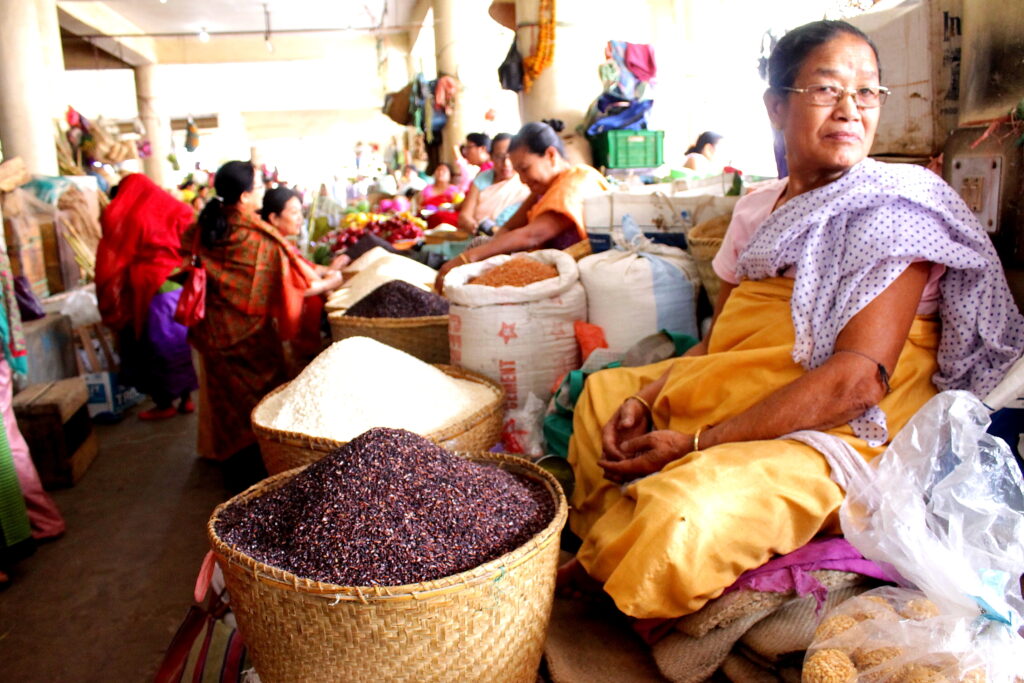
Image Source: Goumisao
About Ima Keithel
Ima Keithel, located in the heart of Imphal, Manipur’s capital, is a unique and historic marketplace renowned as the largest all-women-run market in Asia. Translating to “Mother’s Market,” it has been a symbol of female entrepreneurship and community strength for centuries. The market is more than just a shopping destination.
It is a cultural landmark that reflects Manipur’s matriarchal traditions and the significant role women play in the state’s economy and social life.
Cultural and Historical Significance
The origins of Ima Keithel date back over 500 years, during the reign of the kings of Manipur. Historically, it emerged as a result of the Lallup system, which required men to serve in the military or state duties, leaving women to manage trade and commerce.
Over generations, the market evolved into an institution where women not only conducted business but also became voices for social and political change. Today, over 4,000 women vendors operate here, selling a wide variety of goods.
What to Expect
The market is divided into different sections, each specializing in products such as fresh vegetables, local fruits, spices, traditional handloom textiles, bamboo crafts, jewelry, and household goods. Visitors will find stalls overflowing with vibrant Manipuri sarongs (phaneks), intricately woven shawls, and handmade baskets. The aroma of local herbs and fermented foods fills the air, giving shoppers a truly immersive sensory experience.
Atmosphere and Experience
Ima Keithel is not just about commerce, it’s a vibrant hub of community interaction. The women vendors, dressed in traditional attire, greet customers with warmth and genuine conversation. The market’s lively atmosphere is enhanced by the rhythm of bargaining, the hum of daily chatter, and the colorful display of merchandise.
Travel Tips
Ima Keithel is best visited during the morning hours when the market is at its busiest and the selection of goods is freshest. It’s located in the city center, making it easily accessible by foot, rickshaw, or local transport. Visitors should carry cash, as digital payment options are limited. Photography is welcome, but asking for permission before capturing close-up portraits of vendors is appreciated.
How to Reach Ima Keithel
By Air
The nearest airport is Bir Tikendrajit International Airport (Imphal Airport), situated about 8 km from the market. Taxis and auto-rickshaws are readily available, and the journey typically takes 20–30 minutes.
By Rail
The nearest railway station is Jiribam Railway Station, approximately 220 km from Imphal. From Jiribam, visitors can travel to Imphal by road and then take local transport to the market.
By Road
Ima Keithel is centrally located in Imphal and is easily accessible by taxi, auto-rickshaw, cycle-rickshaw, and local buses. Most major hotels and tourist attractions in the city are within a short distance of the market.
Nearby Attractions
Kangla Fort
Located less than 2 km from Ima Keithel, Kangla Fort was once the seat of the ancient Meitei kings. The fort complex contains historical ruins, temples, museums, and beautifully landscaped grounds.
Shree Govindajee Temple
One of Manipur’s most important Hindu temples, known for its twin golden domes and traditional architecture. It is a major center of Vaishnavite worship in the state.
Manipur State Museum
A treasure trove of Manipuri history and culture, the museum houses tribal artifacts, traditional costumes, ancient manuscripts, archaeological finds, and royal relics.
Imphal War Cemetery
Maintained by the Commonwealth War Graves Commission, this cemetery honors soldiers who lost their lives during the Battle of Imphal in World War II.
Khwairamband Bazaar
The larger market area surrounding Ima Keithel offers a lively shopping experience with local products, handicrafts, clothing, bamboo crafts, and traditional food items.
RKCS Art Gallery and Museum
An excellent destination for those interested in contemporary and traditional Manipuri art, paintings, and cultural exhibitions.
Andro Village
Located about 25 km from Imphal, Andro is famous for its traditional pottery, indigenous culture, and cultural heritage museum.
Loktak Lake
About an hour’s drive from Imphal, Loktak Lake is the largest freshwater lake in Northeast India and is renowned for its unique floating islands known as phumdis.
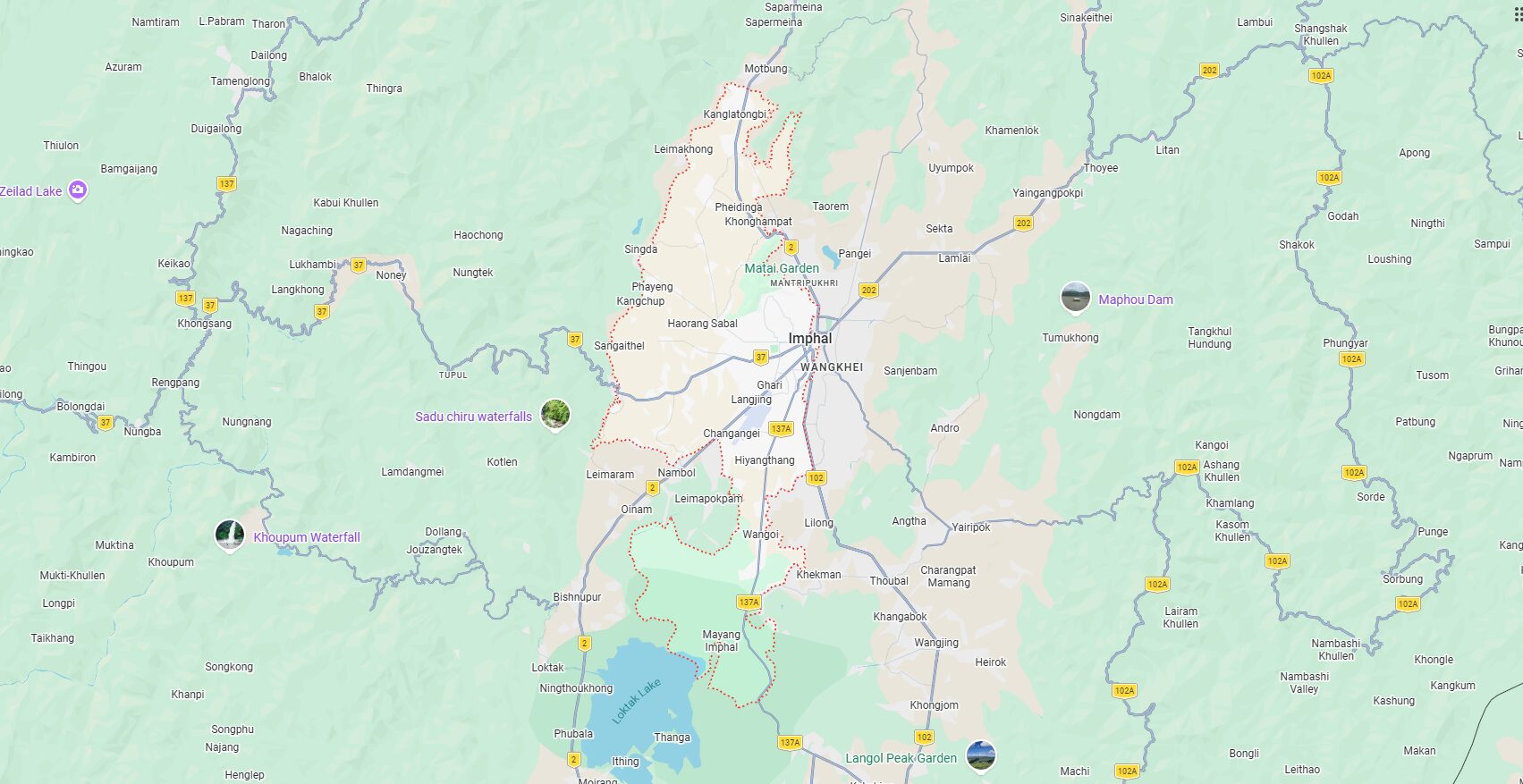
Google Maps
FAQs
1. What is Ima Keithel famous for?
Ima Keithel is famous for being one of the world’s largest markets run entirely by women. It is a symbol of women’s economic independence and social influence in Manipur.
2. What does “Ima Keithel” mean?
“Ima” means “mother” and “Keithel” means “market” in the Manipuri language. The name translates to “Mother’s Market.”
3. Where is Ima Keithel located?
The market is located in central Imphal, near Khwairamband Bazaar, making it one of the city’s most accessible attractions.
4. What can visitors buy at Ima Keithel?
Visitors can purchase handwoven shawls, traditional Manipuri textiles, bamboo and cane products, handicrafts, jewelry, spices, fresh fruits, vegetables, dried fish, and local delicacies.
5. Who runs the market?
The market is managed entirely by women vendors, many of whom inherit their stalls through generations of their families.
6. What is the best time to visit?
The market is busiest during the morning and early afternoon. October to April is generally considered the best season for visiting Imphal.
7. Is photography allowed in the market?
Photography is generally permitted, but it is courteous to ask vendors for permission before taking close-up photographs of people or stalls.
8. How old is Ima Keithel?
The market has existed for several centuries and is believed to have evolved from traditional trading practices established during the reign of the Manipuri kings.
9. Is Ima Keithel suitable for tourists?
Yes. It is one of the most popular tourist attractions in Manipur and offers a unique cultural and shopping experience.
10. Why should I visit Ima Keithel?
A visit to Ima Keithel is more than just a shopping trip. It provides insight into Manipur’s history, traditions, and the remarkable role women play in the state’s economy and society. The vibrant atmosphere, traditional products, and cultural significance make it a must-visit destination in Imphal.