Image Source: Bimal thongam
About Shree Govindajee Temple
Nestled in the heart of Imphal, the magnificent Shree Govindajee Temple stands as one of the most sacred and culturally significant temples in Northeast India. Deeply rooted in the Vaishnavite traditions of Manipur, the temple is not only a place of worship but also a symbol of the state’s rich spiritual legacy, artistic heritage, and royal history.
Surrounded by a calm and devotional atmosphere, the temple attracts pilgrims, tourists, historians, and architecture lovers throughout the year. Its graceful structure, traditional rituals, and connection to Manipuri culture make it one of the must-visit landmarks in the state.
Location and Accessibility
Shree Govindajee Temple is located near the historic Kangla Fort in the palace complex area of Imphal. Positioned close to the banks of the Imphal River, the temple enjoys a central location and is easily accessible from different parts of the city.
Visitors can conveniently reach the temple by taxi, auto-rickshaw, or local transport from the city center as well as from Imphal Airport. Because of its location near several major attractions, travelers often include the temple as part of a broader cultural tour of Imphal.
The temple remains open throughout the day, allowing devotees and visitors enough time to experience its peaceful surroundings, attend prayers, and admire its architecture.
Historical Background
The history of Shree Govindajee Temple dates back to 1846, when it was constructed during the reign of Maharaja Nara Singh, one of Manipur’s influential rulers. Dedicated to Lord Krishna, locally worshipped as Govindajee, the temple became an important center for Vaishnavism in the region.
Vaishnavism gained prominence in Manipur during the 18th and 19th centuries, gradually blending with local traditions and cultural practices. The temple played a major role in spreading devotional worship centered around Lord Krishna and Radha. Over time, it became closely associated with the royal family of Manipur and served as a venue for royal ceremonies, festivals, and important religious gatherings.
Even today, the temple continues to preserve centuries-old customs and devotional traditions that form an important part of Manipuri identity.
Architecture of the Temple
One of the most captivating aspects of Shree Govindajee Temple is its elegant architectural style. The temple beautifully combines traditional Manipuri design with Bengali and Vaishnavite influences, creating a structure that feels both grand and spiritually serene.
Twin Domes and Multi-Tiered Roofs
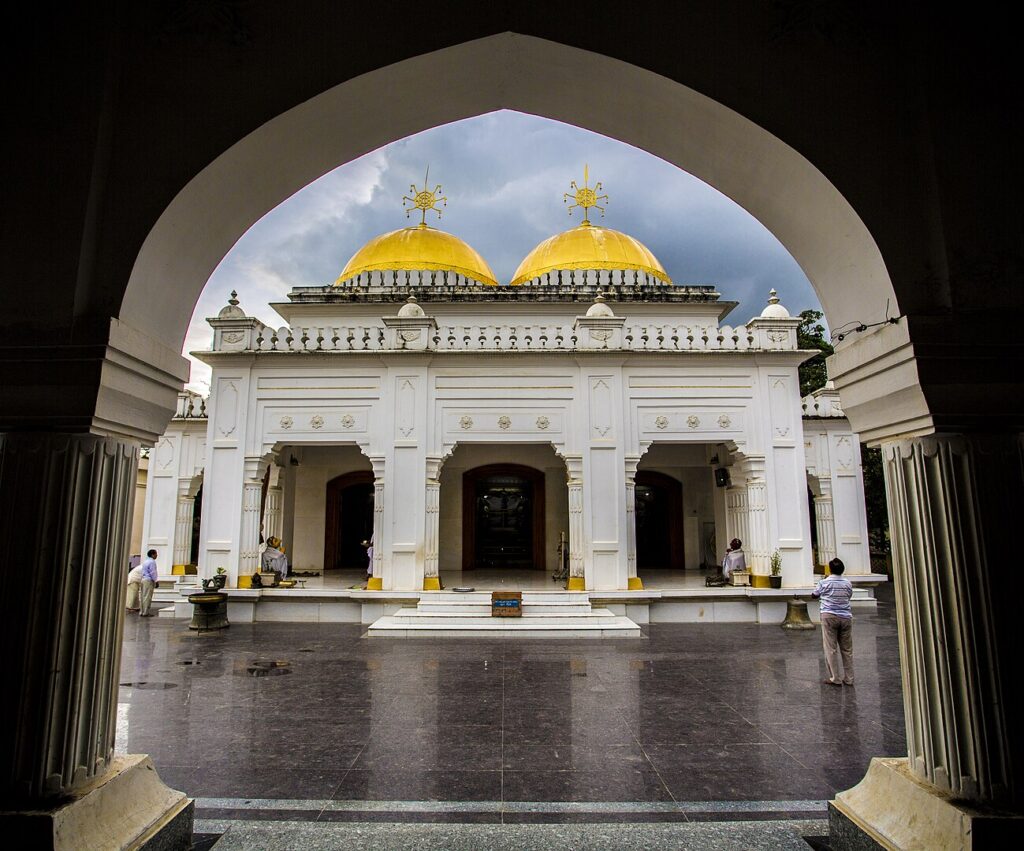
The temple is well known for its distinctive twin golden domes and beautifully designed multi-tiered roofs. These structures add a majestic charm to the complex and reflect the artistic excellence of Manipuri temple architecture.
Spacious Prayer Hall
The large mandapa, or prayer hall, allows devotees to gather for bhajans, rituals, and festivals. The hall becomes especially vibrant during major celebrations when hundreds of worshippers come together in devotion.
Sanctum Sanctorum
Inside the garbhagriha, or sanctum sanctorum, are the sacred idols of Lord Govindajee (Krishna) along with Radha and other associated deities. The beautifully decorated idols are adorned with traditional garments, jewelry, and flowers during daily worship.
Intricate Woodwork
The temple interiors showcase detailed wood carvings, floral motifs, and traditional decorative patterns that highlight the craftsmanship of local artisans. The blend of simplicity and elegance gives the temple a timeless spiritual appeal.
Temple Courtyard
The spacious courtyard surrounding the temple is often used for community gatherings, devotional singing, cultural performances, and festival celebrations. During religious events, the entire complex comes alive with music, prayers, and dance.
Religious and Cultural Significance
Shree Govindajee Temple is not merely a religious site; it is also a cultural heart of Manipur. Daily rituals and prayers are conducted with deep devotion, drawing worshippers from across the state and neighboring regions.
The temple is particularly famous for celebrations related to Lord Krishna. Festivals here are celebrated with immense enthusiasm and showcase the vibrant traditions of Manipuri culture.
Janmashtami Celebrations
The festival of Krishna Janmashtami, which marks the birth of Lord Krishna, is one of the grandest celebrations at the temple. Devotees gather in large numbers to participate in prayers, devotional songs, fasting rituals, and midnight ceremonies.
The temple is beautifully illuminated during the occasion, creating a spiritually uplifting atmosphere.
Ras Lila Performances
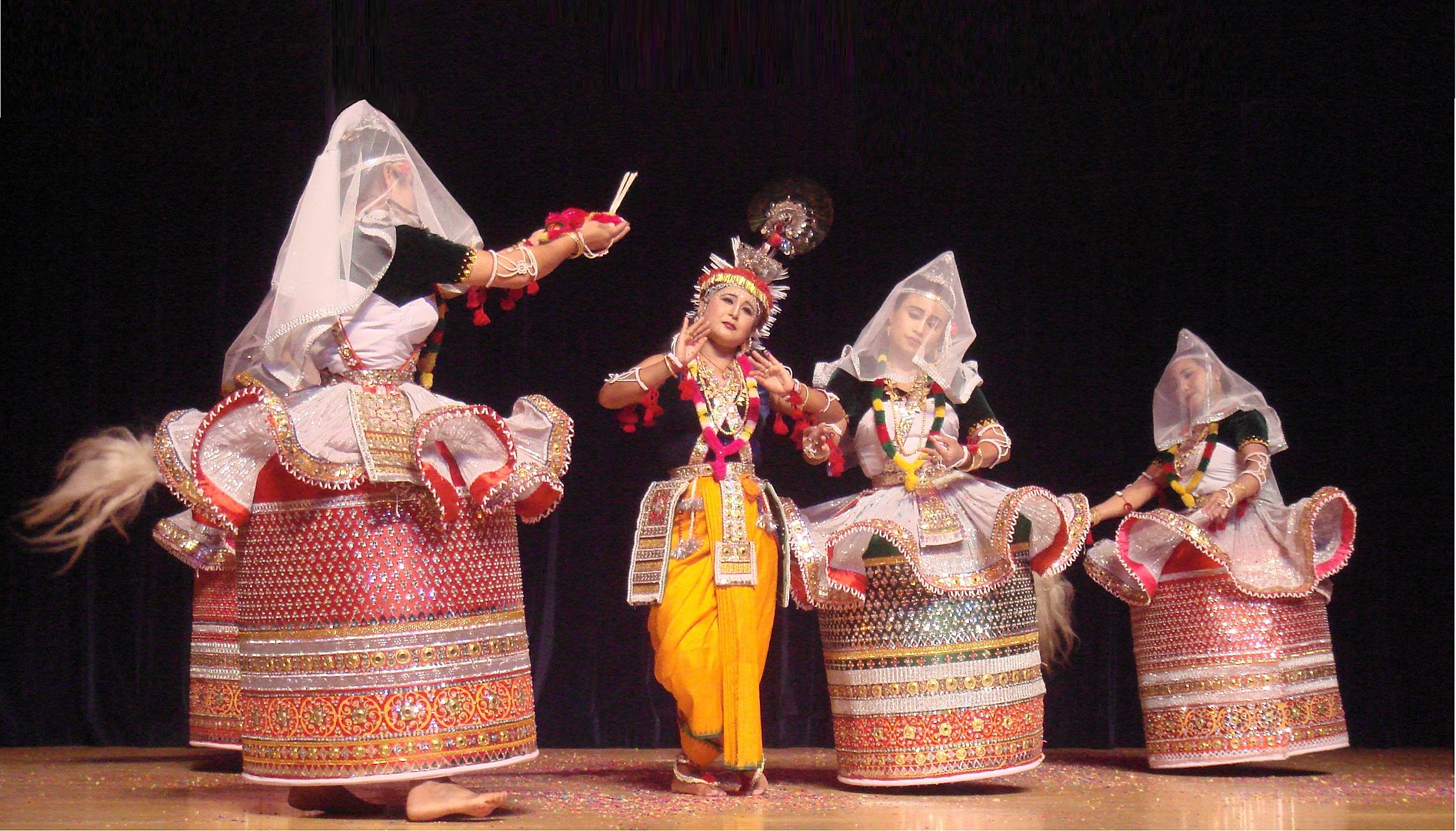
Another important cultural attraction associated with the temple is the traditional Manipuri Ras Lila dance performance. This classical dance-drama depicts scenes from the life of Lord Krishna and Radha through graceful movements, music, and elaborate costumes.
Ras Lila is considered one of the finest classical dance traditions of India and holds deep spiritual importance in Manipuri society.
Spiritual Experience at the Temple
A visit to Shree Govindajee Temple offers more than sightseeing. The rhythmic chanting of hymns, the fragrance of incense, the sound of temple bells, and the calm environment create a deeply peaceful experience.
Early mornings and evenings are particularly serene, as devotees gather for aarti and prayers. Even visitors who are not religious often find the atmosphere soothing and culturally enriching.
Best Time to Visit
The ideal time to visit Imphal and Shree Govindajee Temple is between October and March. During these months, the weather remains cool and pleasant, making sightseeing comfortable.
Travelers who wish to experience the temple’s vibrant spiritual energy should plan their visit during Janmashtami or Ras Lila festivals. These occasions provide a unique opportunity to witness traditional dance performances, devotional music, and colorful celebrations.
How to Reach
Shree Govindajee Temple is one of the most revered Hindu temples in Manipur and a major religious landmark in Imphal. Dedicated to Lord Krishna (Govindaji) and Radha, the temple is renowned for its twin golden domes, elegant architecture, and deep association with the Vaishnavite traditions of the Meitei community. Located adjacent to the historic Kangla Fort and near the former royal palace grounds, the temple attracts devotees and tourists throughout the year.
By Air
The nearest airport is Bir Tikendrajit International Airport (Imphal Airport), located approximately 9 km from the temple. Visitors can hire taxis, app-based cabs, or auto-rickshaws from the airport. The journey usually takes about 20–30 minutes, depending on traffic conditions.
By Rail
The nearest railway station is Jiribam Railway Station, around 220 km from Imphal. From Jiribam, travelers can take buses, shared taxis, or private vehicles to Imphal. Upon reaching the city, local transport can easily take visitors to the temple.
By Road
Shree Govindajee Temple is situated in the heart of Imphal and is well connected by roads to all parts of the city.
- From Imphal City Centre: Approximately 2 km
- From Ima Keithel (Mother’s Market): About 1.5 km
- From Kangla Fort: Less than 1 km
- From Imphal Airport: Around 9 km
Auto-rickshaws, taxis, and local buses regularly operate throughout the city, making the temple easily accessible.
Local Transportation
Visitors can use:
- Auto-rickshaws
- Cycle-rickshaws
- Private taxis
- Rental cars
- Local buses
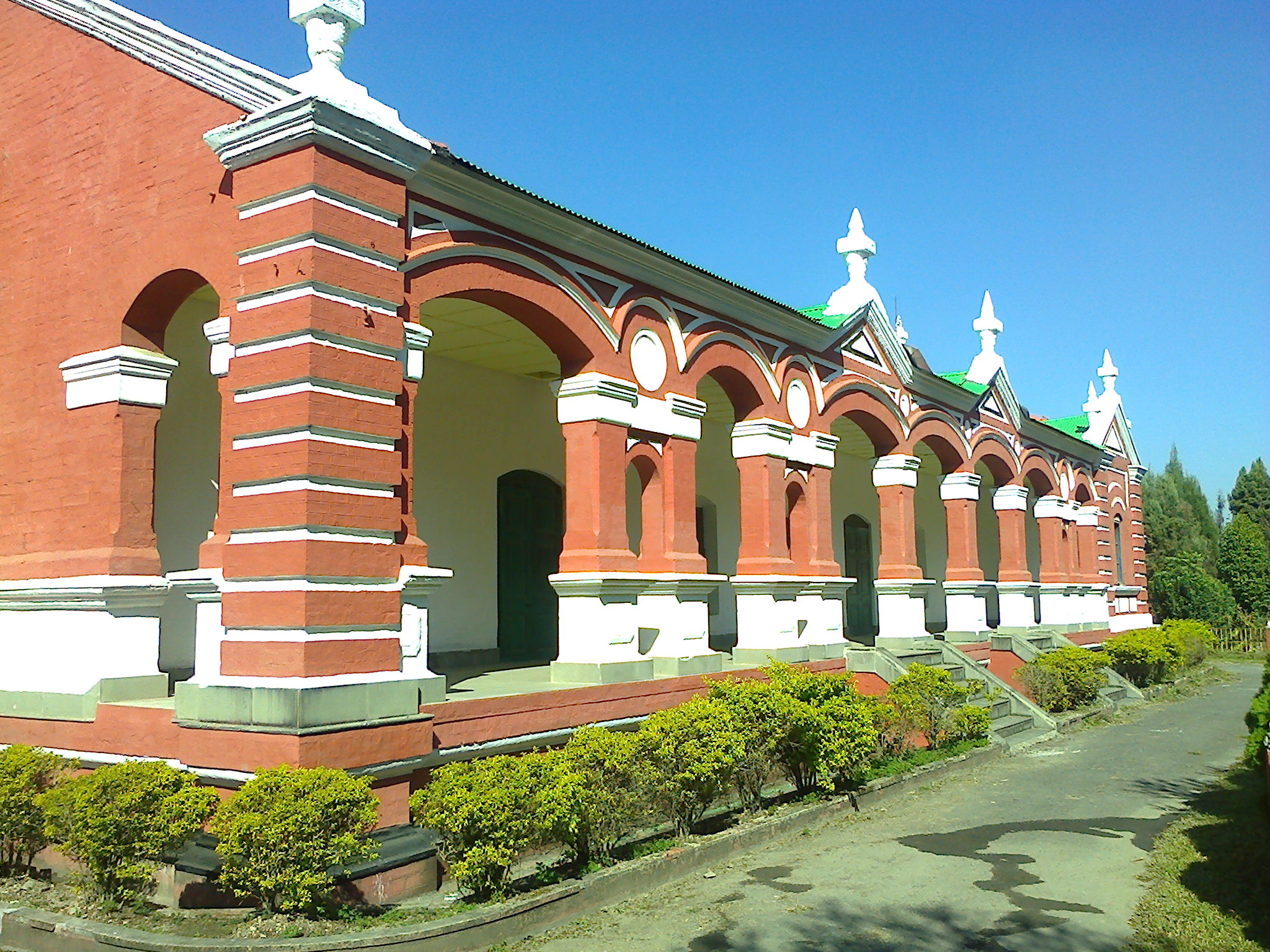
Most tourists combine a visit to the temple with nearby attractions such as Kangla Fort, Ima Keithel, and the Manipur State Museum due to their close proximity.
Nearby Attractions
Visitors exploring Shree Govindajee Temple can also discover several important attractions nearby.
Kangla Fort
Once the seat of Manipur’s ancient rulers, Kangla Fort is one of the most historically significant sites in the state. The fort complex features historical ruins, temples, museums, and beautiful landscapes that reflect Manipur’s royal past.
Ima Keithel
Popularly known as the Mother’s Market, Ima Keithel is one of the largest markets in the world run entirely by women. The market offers traditional handicrafts, handwoven textiles, local food items, and cultural souvenirs.
Loktak Lake
Located a few hours from Imphal, Loktak Lake is the largest freshwater lake in Northeast India. Famous for its floating phumdis and breathtaking scenery, the lake is a paradise for nature lovers and photographers.
Conclusion
Shree Govindajee Temple is far more than a religious monument. It is a living reflection of Manipur’s history, devotion, culture, and artistic heritage. From its elegant architecture and sacred rituals to its vibrant festivals and peaceful atmosphere, the temple offers visitors a memorable spiritual and cultural experience.
Whether you are a devotee seeking blessings, a traveler exploring Northeast India, or someone interested in history and architecture, a visit to this iconic temple provides a meaningful glimpse into the soul of Manipur.
Google Maps
FAQs
1. Where is Shree Govindajee Temple located?
Shree Govindajee Temple is located in Imphal, the capital city of Manipur, near Kangla Fort and the Imphal River.
2. Who built Shree Govindajee Temple?
The temple was built in 1846 during the reign of Maharaja Nara Singh of Manipur.
3. Which deity is worshipped in the temple?
The temple is dedicated to Lord Krishna, worshipped here as Govindajee, along with Radha and other deities.
4. What is the best time to visit the temple?
The best time to visit is from October to March when the weather in Imphal is pleasant. Festival periods like Janmashtami are especially vibrant.
5. Why is the temple culturally important?
The temple is an important center of Vaishnavism in Northeast India and is closely associated with Manipuri classical dance traditions such as Ras Lila.
6. Is photography allowed inside the temple?
Photography rules may vary depending on temple regulations and ongoing rituals. Visitors should seek permission before taking photographs inside the complex.
7. What are the nearby attractions to explore?
Nearby attractions include Kangla Fort, Ima Keithel (Mother’s Market), and Loktak Lake.
8. Can tourists attend the temple rituals?
Yes, tourists and visitors are generally welcome to observe daily prayers, rituals, and festival celebrations while respecting temple customs and traditions.