
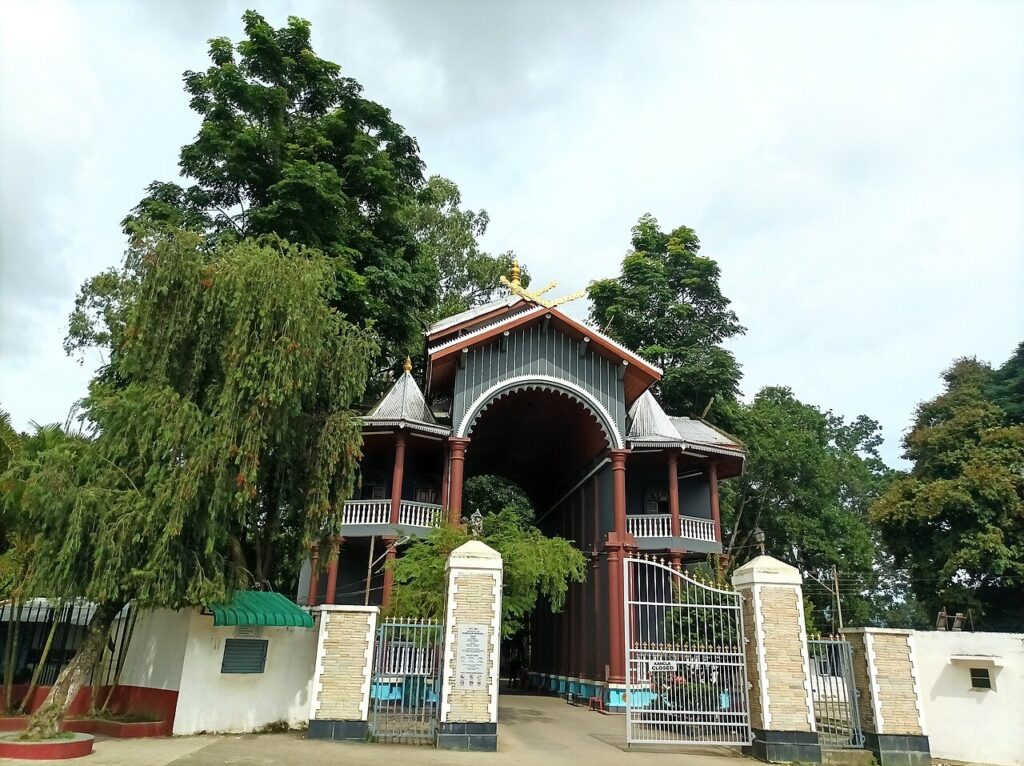
Image Source: Haoreima
About Kangla Fort
Located in the heart of Imphal, the capital city of Manipur, Kangla Fort stands as a magnificent symbol of the region’s rich history, cultural heritage, and political legacy. Once the royal seat of the Meitei kings, Kangla Fort is an important archaeological and tourist site that offers visitors a glimpse into Manipur’s ancient past, its traditional architecture, and vibrant local traditions.
Location and Accessibility
Kangla Fort is situated centrally in Imphal, making it easily accessible to travelers visiting the city. It lies on the banks of the Imphal River and spans a considerable area surrounded by fortified walls. The fort is a key landmark in Imphal and is well connected by road from various parts of the city and the Imphal International Airport.
Visitors can explore the fort complex by foot, with entry points open to the public. It is advisable to visit during daylight hours for a comprehensive experience of the fort’s structures and museums.
History
Kangla Fort served as the traditional seat of power for the Meitei dynasty, which ruled Manipur for several centuries. The fort’s origins date back to ancient times, with archaeological findings suggesting that it has been the center of political and cultural activities since at least the 15th century.
The word “Kangla” translates to “dry land” in the local Meitei language, signifying the fort’s location amidst the marshy lands around the Imphal River.
Throughout history, Kangla Fort was not only a royal residence but also a hub of administration, military defense, and spiritual activities. It was central to many historical events, including battles, treaties, and cultural developments.
Architectural and Cultural Highlights
The fort complex comprises several notable structures, temples, and gates that showcase traditional Meitei architecture and artistry. Key features include:
The Kangla Sha Statues: These are iconic dragon-lion statues guarding the main entrance of the fort, symbolizing protection and power in Meitei mythology.
The Inner Palace and Royal Residences: Remnants of the old palace provide insight into the lifestyle and governance of the Meitei kings.
Temples and Sacred Sites: Kangla houses important shrines dedicated to local deities, reflecting the spiritual and religious life intertwined with the royal family.
Museums and Exhibits: Within the fort premises, museums display artifacts, royal regalia, traditional weapons, and historical documents that narrate Manipur’s past.
Freedom Fighters’ Memorial: A tribute to local heroes who contributed to India’s independence movement is located within the fort grounds.
Cultural Events and Festivals
Kangla Fort is a vibrant cultural hub, often hosting traditional festivals, cultural performances, and official ceremonies. The annual Yaoshang Festival, akin to Holi, includes celebrations at the fort and attracts large crowds. The site also serves as a venue for the Sangai Festival, which promotes Manipur’s art, culture, and tourism.
Best Time to Visit
The best time to explore Kangla Fort is between October and March when the weather in Imphal is pleasant and conducive to outdoor sightseeing. During this period, cultural events and festivals are more frequent, enriching the visitor experience.
Nearby Attractions
While visiting Kangla Fort, travelers can also explore other notable landmarks in Imphal, such as:
Imphal War Cemetery: A solemn memorial dedicated to the soldiers who fought in World War II.
Ima Keithel (Mother’s Market): Asia’s largest all-women’s market offering local handicrafts, textiles, and traditional cuisine.
Shree Govindajee Temple: A historic Vaishnavite temple known for its intricate architecture and spiritual significance.