Image Source: Hannao Luithui
About Tangkhul
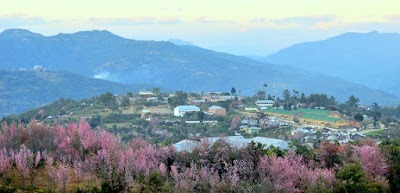
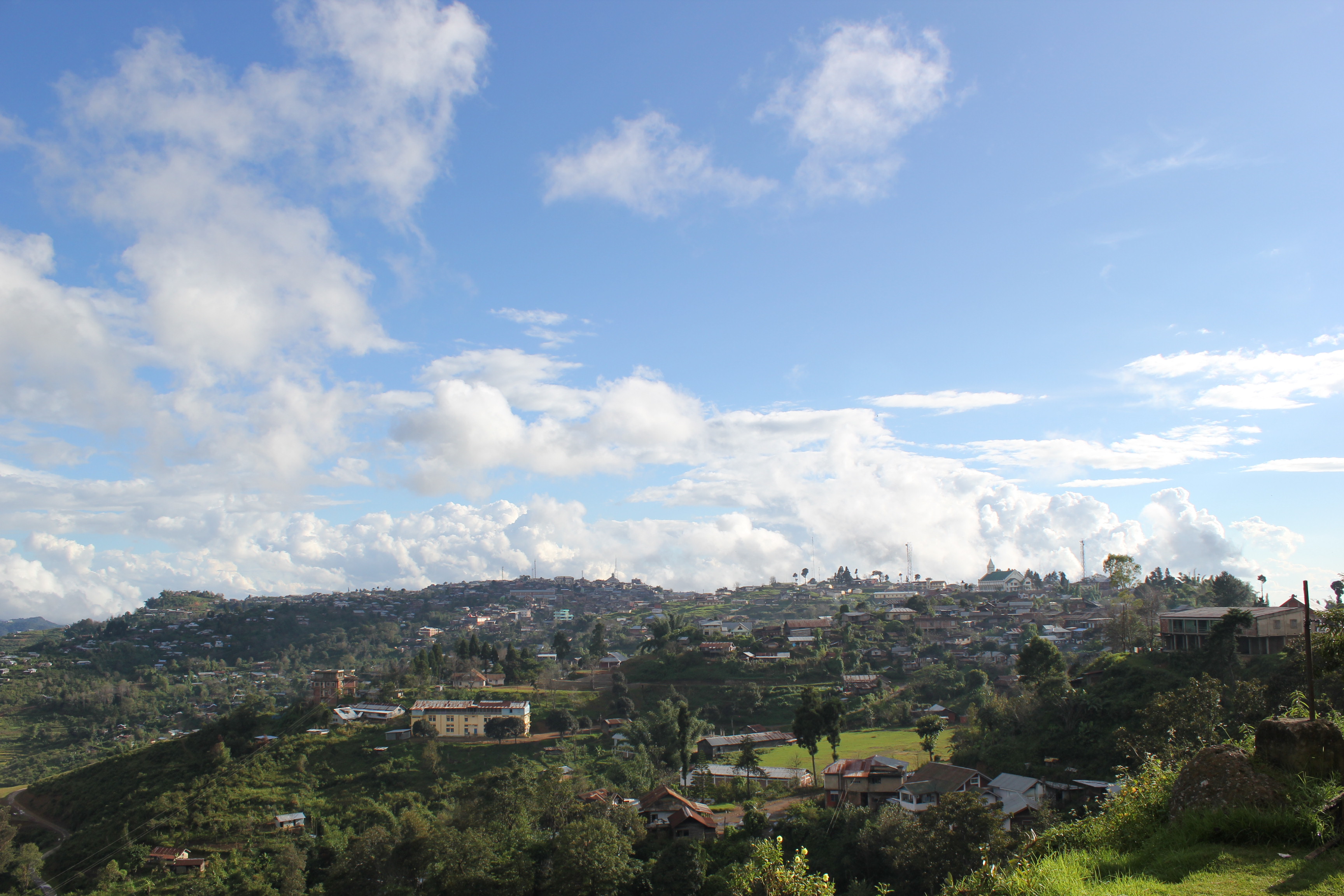
The Tangkhul Naga villages of Manipur, primarily located in the Ukhrul district, are a captivating blend of scenic landscapes, traditional architecture, and rich cultural heritage. Known for their warm hospitality and age-old customs, these villages are gateways to understanding the Tangkhul way of life. Rolling green hills, terraced fields, and mist-covered valleys create a postcard-perfect backdrop for travelers seeking authenticity and tranquility.
Cultural and Historical Significance
The Tangkhul Nagas are one of the prominent tribes of Manipur with a deep-rooted history linked to migration tales, folklore, and warrior traditions. Their villages preserve intricate wooden carvings, community morungs (youth dormitories), and sacred monoliths that narrate stories of clan lineages and tribal unity.
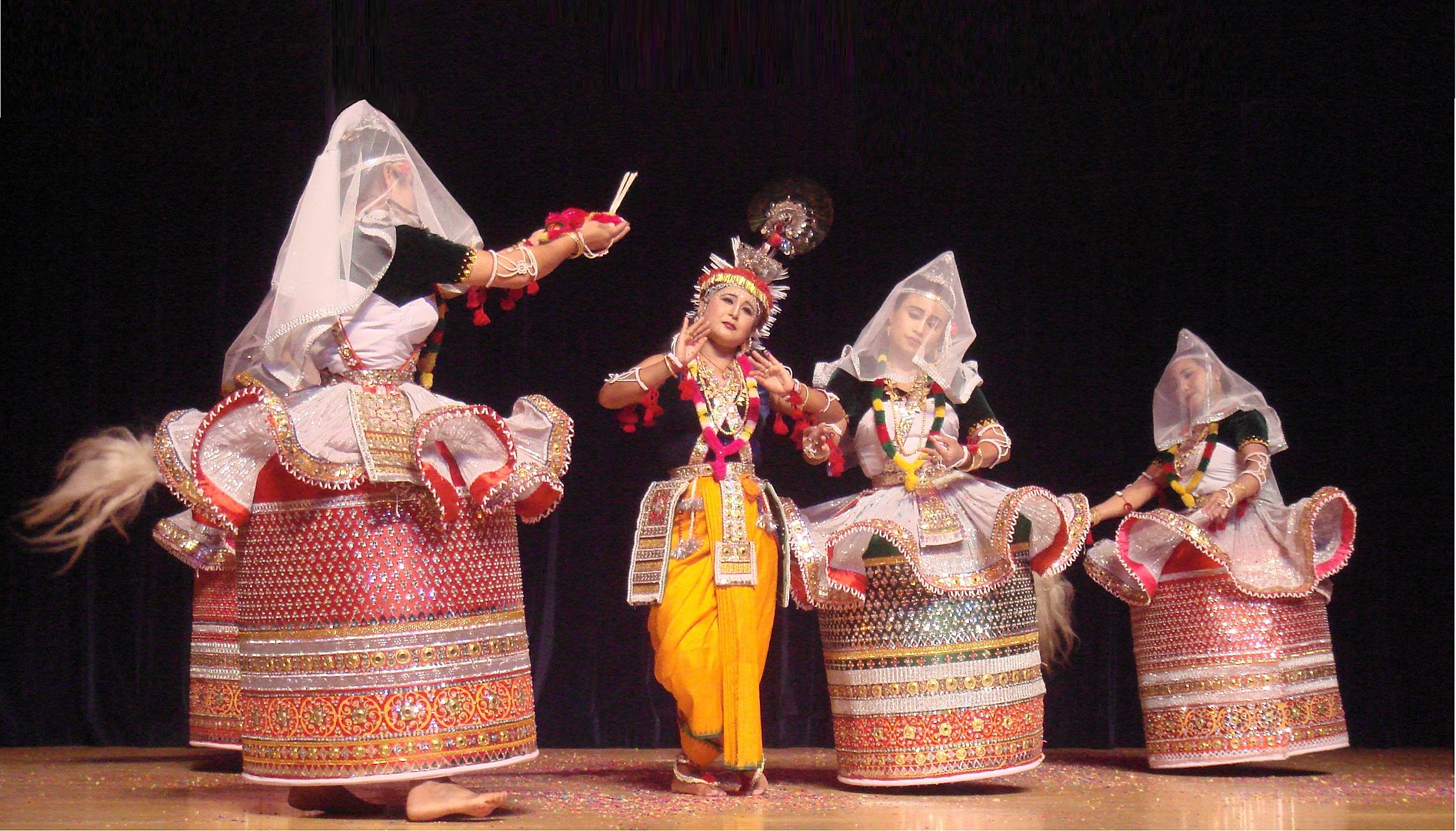
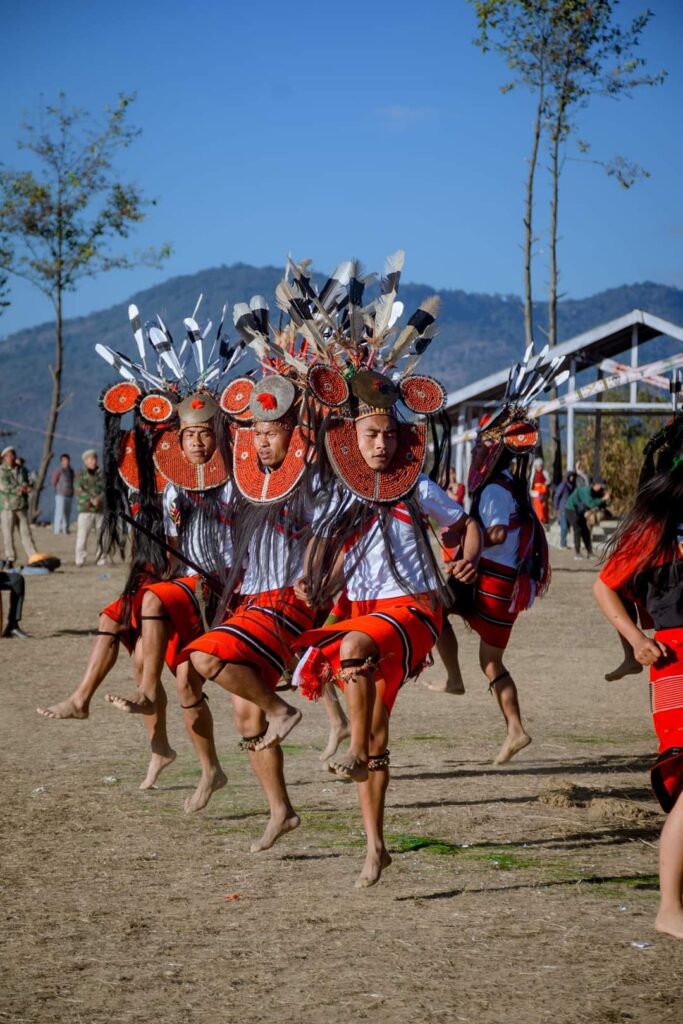
Festivals like Luira Phanit (seed-sowing festival) are celebrated with vibrant dances, songs, and traditional attire, offering visitors a living window into their agrarian lifestyle.
Natural Setting
Set amidst undulating hills and lush forests, Tangkhul villages are often perched on elevated ridges, offering panoramic views of the surrounding valleys. The climate is cool and refreshing, with the landscape changing dramatically between the green monsoon months and the golden harvest season.
Local Experiences
Walking through villages such as Longpi, Hungpung, and Phungyar, travelers can witness black pottery-making, traditional weaving on backstrap looms, and bamboo craft. Village walks are often accompanied by folk tales from elders, and communal feasts can feature unique dishes made with locally grown herbs and smoked meats.
Travel Tips
Best Time to Visit: October to April, when the weather is pleasant and festivals are in full swing.
Getting There: Ukhrul town is about 80 km from Imphal and serves as the main hub for visiting nearby Tangkhul villages.
Nearby Attractions: Shirui Kashong Peak, Khangkhui Limestone Caves, and Khayang Waterfall.
How to Reach Tangkhul Naga Villages
The Tangkhul Naga villages are scattered across the hill districts of Ukhrul and Kamjong in Manipur, near the India–Myanmar border. These villages are known for their rich cultural heritage, traditional architecture, vibrant festivals, and warm hospitality. The Tangkhul people are one of the largest Naga communities in Manipur, with hundreds of villages spread across the region.
By Air
The nearest airport is Bir Tikendrajit International Airport in Imphal. From Imphal, visitors can hire taxis or take shared vehicles to Ukhrul, which serves as the main gateway to most Tangkhul villages. Ukhrul is located about 84 km from Imphal and can be reached in approximately 3 hours by road.
By Rail
The nearest major railway station is Dimapur Railway Station in Nagaland. From Dimapur, travelers can continue their journey to Imphal or directly towards Ukhrul by road.
By Road
Ukhrul is connected to Imphal through National Highway routes and well-maintained hill roads. Shared taxis, buses, and private vehicles regularly operate between Imphal and Ukhrul. From Ukhrul town, visitors can travel to nearby Tangkhul villages such as Shirui, Phungcham, Talui, Kachai, Nungbi, Longpi, and Hungpung.
Nearby Attractions
Shirui Hills
Home to the rare Shirui Lily, found nowhere else in the world, these hills are among the most famous tourist attractions in Manipur and offer spectacular trekking opportunities.
Khangkhui Cave
An ancient limestone cave system known for its geological formations, local legends, and archaeological significance.
Longpi Village
Famous for its traditional black pottery crafted without a potter’s wheel, Longpi offers visitors a unique glimpse into Tangkhul craftsmanship.
Nungbi Village
Known for its indigenous pottery traditions, scenic surroundings, and authentic Tangkhul village life.
Ukhrul Town
The cultural heart of the Tangkhul community, offering local markets, traditional cuisine, festivals, and beautiful hill views.
Khayang Peak
The highest peak in Manipur, popular among trekkers and adventure enthusiasts seeking panoramic views of the surrounding mountains.
Kachai Village
A picturesque village renowned for its juicy oranges and annual lemon festival, attracting visitors from across the state.
Google Maps
FAQs
1. What are Tangkhul Naga villages?
Tangkhul Naga villages are traditional settlements inhabited by the Tangkhul Naga community, primarily located in Ukhrul and Kamjong districts of Manipur.
2. What makes these villages unique?
Each village has its own customs, folklore, dialect variations, traditional attire, and cultural practices, making every visit a distinct experience.
3. Which is the best-known Tangkhul village?
Shirui Village is among the most famous because of the rare Shirui Lily and the annual Shirui Lily Festival.
4. What is the best time to visit?
October to April is considered the ideal period due to pleasant weather, clear skies, and favorable trekking conditions.
5. Can tourists stay in Tangkhul villages?
Yes. Several villages offer homestays and community-based tourism experiences that allow visitors to experience local culture and hospitality.
6. What festivals can visitors witness?
Popular festivals include Luira (Seed Sowing Festival), Mangkhap, and Thareo, which showcase traditional dances, music, and community celebrations.
7. Are Tangkhul villages suitable for cultural tourism?
Absolutely. These villages provide authentic insights into indigenous traditions, village governance, handicrafts, folklore, and cuisine.
8. What languages are spoken in the villages?
Tangkhul dialects are widely spoken, although English and Manipuri are commonly understood in many areas. Different villages may have distinct dialects.
9. What activities can visitors enjoy?
Visitors can enjoy trekking, village walks, cultural interactions, birdwatching, photography, handicraft shopping, and participation in local festivals.
10. Why should I visit Tangkhul Naga villages?
The villages offer a unique combination of breathtaking landscapes, rich tribal heritage, traditional lifestyles, vibrant festivals, and warm community hospitality, making them among the most rewarding cultural destinations in Northeast India.