
Image Source: TRALOVER
Introduction: The Hidden Side of Munnar
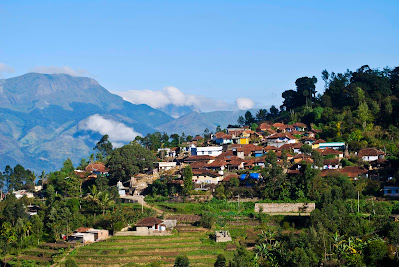
Located about 40 km from Munnar, Marayoor feels like a different world altogether. While Munnar is lush with tea gardens and mist, Marayoor surprises you with dry landscapes, open valleys, and rare sandalwood forests.
It is one of the few places in Kerala where you can experience a rain-shadow region , giving it a unique climate and culture distinct from the rest of the Western Ghats.
Geography & Landscape: A Dramatic Transition
As you travel from Munnar to Marayoor, the landscape transforms dramatically:
* Tea estates slowly disappear.
* Forests thin out.
* Dry deciduous terrain takes over.
This transition happens because Marayoor lies on the leeward side of the Western Ghats, receiving much less rainfall.
Key Natural Features:
* Sandalwood forests
* Open valleys and rocky hills
* The flowing Pambar River
The result is a landscape that feels more like parts of Tamil Nadu than Kerala.
Sandalwood Forests: A Rare Treasure
Marayoor is famous for its naturally growing:
* Sandalwood
These forests are government-protected , as sandalwood is one of the most valuable trees in India.
Why it’s special:
* One of the few natural sandalwood forests in the country
* Strictly regulated entry.
* Deep cultural and economic importance.
Walking through these forests (with permission) is a rare experience.
Muniyara Dolmens: Echoes of Prehistoric Life
One of Marayoor’s most fascinating aspects is its ancient archaeological heritage:
* Muniyara Dolmens
These are stone burial chambers dating back thousands of years.
What makes them unique:
* Located on hill slopes with panoramic views
* Built using large stone slabs
* Evidence of prehistoric human settlements
They add a mysterious, almost spiritual dimension to the landscape.
Thoovanam Waterfalls
Hidden inside the forests of the nearby Chinnar Wildlife Sanctuary, Thoovanam Waterfalls is a seasonal but beautiful cascade.
Experience:
* Requires a guided trek.
* Passes through dry forests and wildlife zones.
* Best visited after monsoon.
Wildlife & Ecology
Marayoor lies close to the biodiversity-rich:
* Chinnar Wildlife Sanctuary.
This region is unique because it supports dry forest wildlife , unlike the moist forests of Munnar.
Wildlife includes:
* Elephants.
* Leopards.
* Grizzled giant squirrel.
* Spotted deer.
The sanctuary is one of the few places where thorny scrub forests coexist with riverine ecosystems.
Marayoor Jaggery & Sugarcane Fields
Marayoor is also known for its traditional:
* Jaggery
Made from locally grown sugarcane, Marayoor jaggery is famous for:
* Its rich taste
* Traditional processing methods
* Organic cultivation practices
The sight of sugarcane fields in a mountain setting is quite unique.
Cycling & Road Experience
The road from Munnar to Marayoor is one of the most scenic drives—and rides—in Kerala.
Cycling Highlights:
* Long downhill stretches from Munnar
* Minimal traffic.
* Changing landscapes.
Cyclists love this route for its visual diversity and smooth gradients.
Trekking Around Marayoor
Marayoor offers offbeat trekking experiences:
* Dolmen hill treks.
* Forest trails near Chinnar.
* Waterfall treks.
These are less commercial and more raw compared to Munnar treks.
How to Reach
From Munnar:
* Distance: ~40 km.
* Route: Munnar → Udumalpet Road.
Nearby Places:
* Chinnar Wildlife Sanctuary.
* Vattavada village.
* Top Station.
Best Time to Visit
* October to March: Ideal weather.
* April–May: Warmer than Munnar.
* Monsoon: Limited access but greener surroundings.
Travel Tips
* Carry water—climate is drier and hotter.
* Visit sandalwood forest only with permission.
* Hire local guides for treks.
* Respect archaeological sites.
Final Perspective
Marayoor is not just a destination—it is a contrast. It shows you a different face of Kerala, where dry winds replace mist, and ancient stones tell stories older than the forests.
If Munnar is about lush beauty, Marayoor is about raw landscape, history, and quiet discovery .