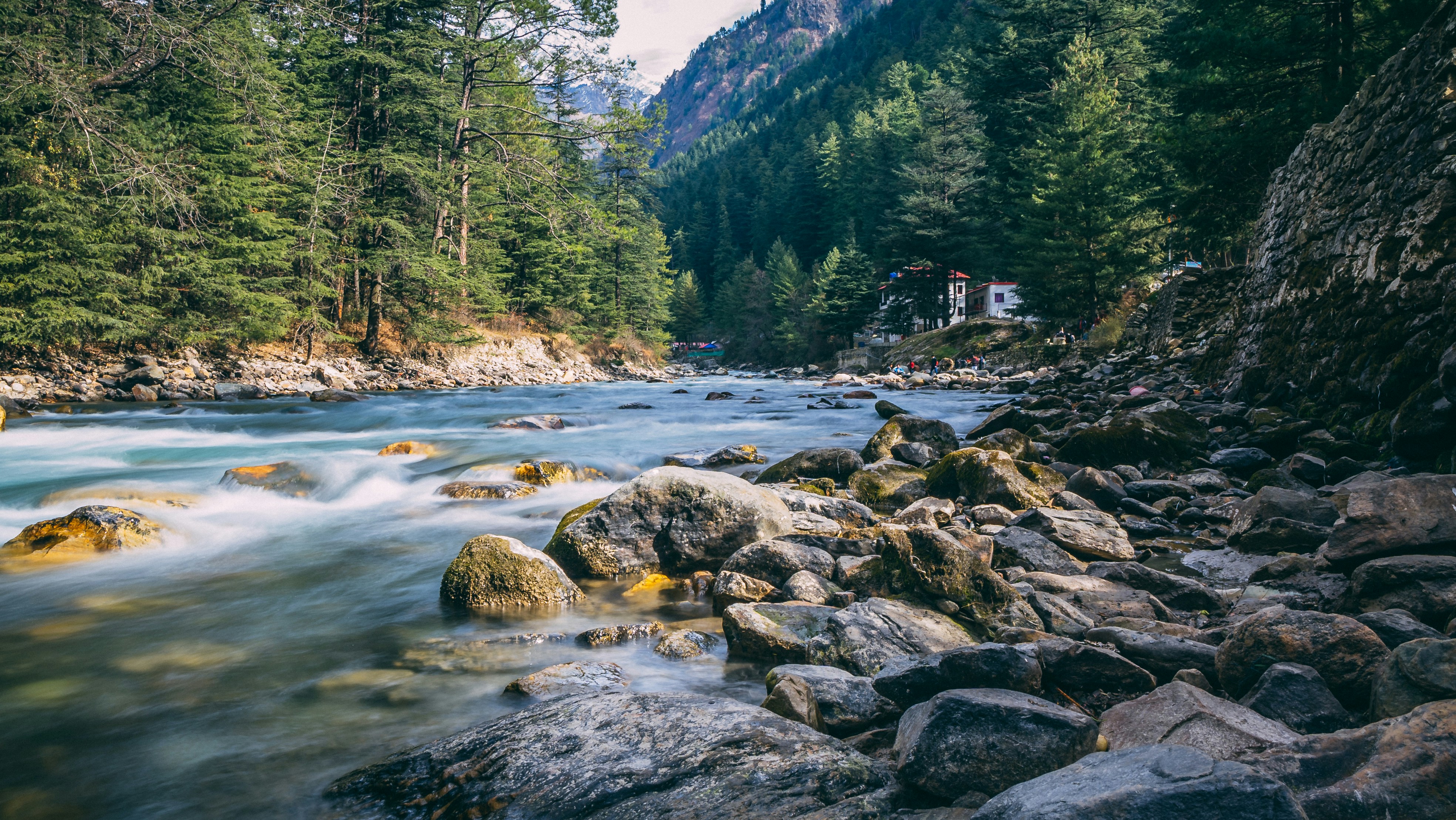
Nestled in the tranquil hills of the Darjeeling district, Mirik is a charming hill station that offers a quieter, more intimate experience of the Eastern Himalayas. Located at an altitude of around 1,495 meters, Mirik is surrounded by tea gardens, orange orchards, and pine forests, making it a perfect destination for those seeking peace away from the crowded tourist hubs.
Unlike the bustling streets of Darjeeling, Mirik unfolds slowly—through misty mornings, lakeside walks, and hidden viewpoints that reveal sweeping Himalayan vistas.
Sumendu Lake: The Heart of Mirik
At the center of Mirik lies the picturesque Sumendu Lake , often simply called Mirik Lake. Stretching about 1.25 km, this man-made lake was developed in the 1970s and has since become the soul of the town.
The lake is beautifully divided into two distinct landscapes:
One side features the Savitri Pushpaudyan garden , ideal for leisurely strolls
The other side is lined with dense pine forests
Connecting these two worlds is the elegant Indreni Bridge , a curved footbridge that adds to the lake’s charm.
Travel Experience
Walking around the 3.5 km lakeside road is one of the most peaceful experiences in Mirik. You can enjoy:
Boating on calm waters
Horse riding along the lake
Views of the distant Kanchenjunga range on clear days
The lake is free to visit, though activities like boating have additional charges.
Krishnanagar: The Tourist Hub of Mirik
Located on one end of the lake, Krishnanagar Mirik developed alongside tourism growth in the late 20th century.
This area is filled with:
Hotels and homestays
Local restaurants serving Nepali and Bengali cuisine
Small shops selling souvenirs and tea
Krishnanagar is where most travelers stay, offering easy access to the lake and nearby attractions.
Devisthan (Singla Devi Mandir) and Nearby Temples
On the western bank of the lake lies the sacred Devisthan Mirik , also known as Singla Devi Mandir . Surrounded by dense pine forests, this hilltop temple is deeply revered by locals.
Religious Significance
What makes this site unique is that it houses multiple deities:
Lord Shiva
Lord Hanuman
Goddess Kali
Singla Devi (local goddess)
This multi-deity presence reflects the syncretic spiritual culture of the hills, where local traditions blend seamlessly with mainstream Hindu beliefs.
Atmosphere
The temple is not just a religious place but also a peaceful retreat. The quiet forest setting, combined with the sound of bells and wind through pine trees, creates a deeply meditative environment.
Rameetay Dara: The Balcony of Mirik
A short distance from the main town is Rameetay Dara , one of the most breathtaking viewpoints in the region.
Why Visit
Offers panoramic views of tea gardens and plains.
On clear days, you can see the Teesta River meandering below.
Spectacular sunrise and sunset views.
This place is often described as the “balcony of Mirik,” where the hills suddenly open up into vast horizons.
Rai Dhap: The Quiet Picnic Spot
Another lesser-known yet beautiful location is Rai Dhap , which serves as a water reservoir for the town.
Surrounded by greenery, Rai Dhap is ideal for:
Picnics
Nature walks
Quiet reflection
Unlike the lake area, this spot is rarely crowded, offering a more intimate connection with nature.
Singla Devi Mandir and Hilltop Spiritual Landscape
Apart from Devisthan, the region around Mirik features several small shrines collectively forming a spiritual circuit. The Singla Devi Mandir is especially important, located near the lake and associated with local folklore and faith. ([Indiano Travel][5])
These temples are often simple in structure but deeply rooted in local traditions, reflecting the cultural identity of the Nepali-speaking hill communities.
Tea Gardens and Rural Landscape
Mirik is surrounded by some of the finest tea estates of the Darjeeling region, including:
Thurbo
Soureni
Gopaldhara
These estates not only produce world-famous tea but also define the landscape—rolling green slopes dotted with workers plucking leaves.
Travel Experience
Walking through these gardens gives insight into:
The tea production process
Local livelihoods
The colonial legacy of plantation culture
Cultural and Geographical Identity of Mirik
Mirik’s culture is a blend of:
Lepcha heritage (original inhabitants)
Nepali traditions
Bengali influences
The name “Mirik” itself comes from the Lepcha words meaning “place burnt by fire.
Landscape Features
Pine forests and cardamom plantations
Orange orchards (Mirik is famous for its oranges)
Rolling hills with terraced farming
This combination makes Mirik not just a destination, but a living cultural landscape.
Best Time to Visit
March to May: Pleasant weather, blooming flowers
October to December: Clear skies and mountain views
Monsoon (June–September): Lush greenery but heavy rainfall ([DarjeelingDays.com][6])
How to Reach
From Siliguri / NJP / Bagdogra: ~50 km by road
From Darjeeling: ~49 km scenic drive through tea gardens ([Wikipedia][1])